State Key Laboratory of Oral Diseases, National Clinical Research Center for Oral Diseases, Department of Cariology and Endodontics, West China Hospital of Stomatology, Sichuan University, Chengdu, China.
State Key Laboratory of Oral Diseases, National Clinical Research Center for Oral Diseases, Department of Orthognathic and TMJ Surgery, West China Hospital of Stomatology, Sichuan University, Chengdu, China.
Elife. 2023 Feb 1;12:e82537. doi: 10.7554/eLife.82537.
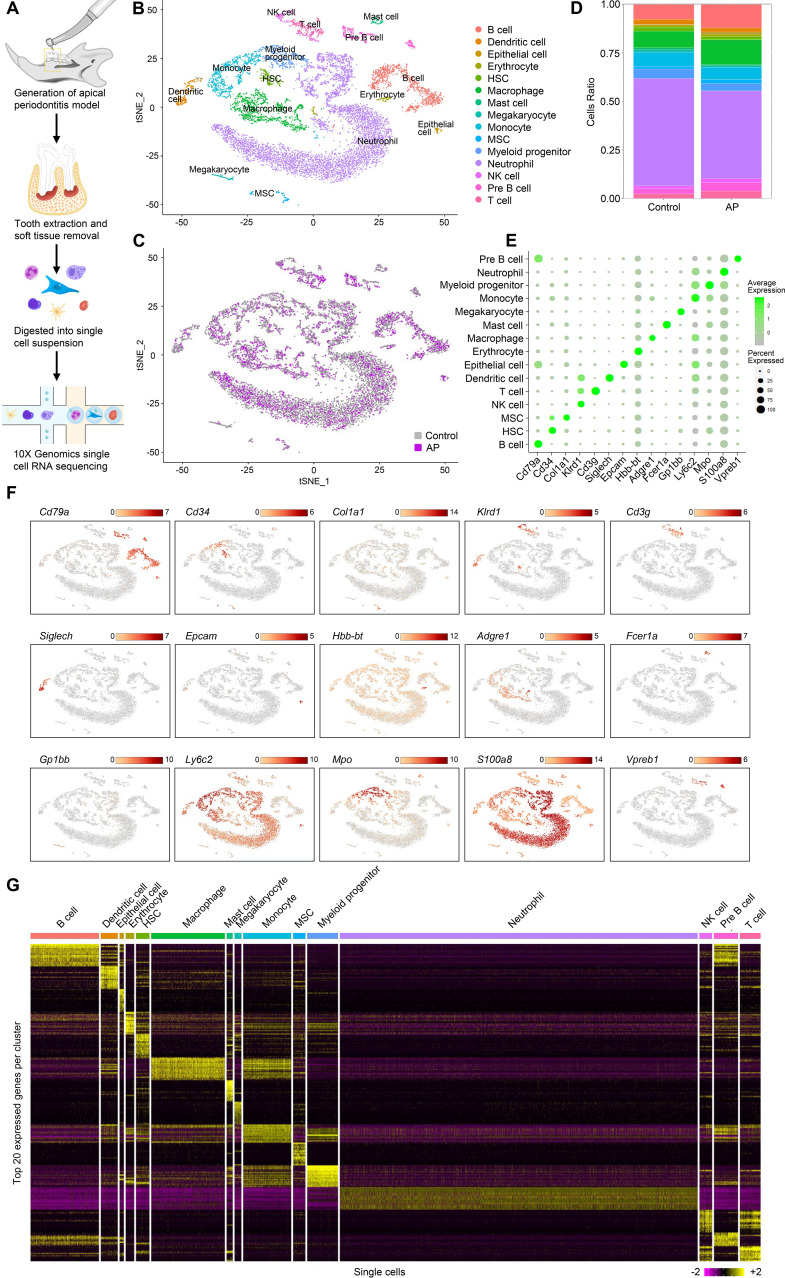
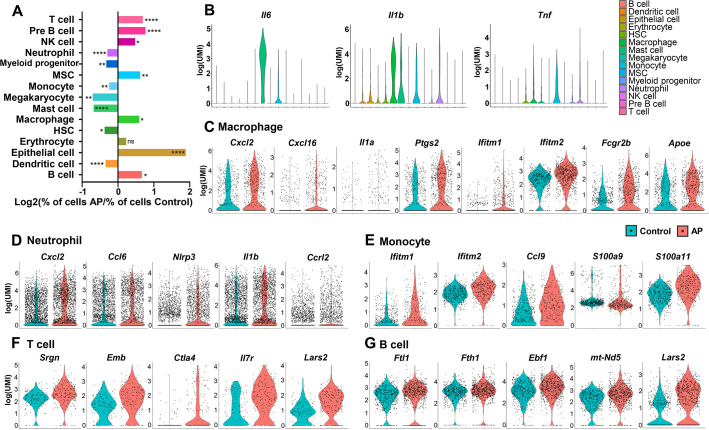
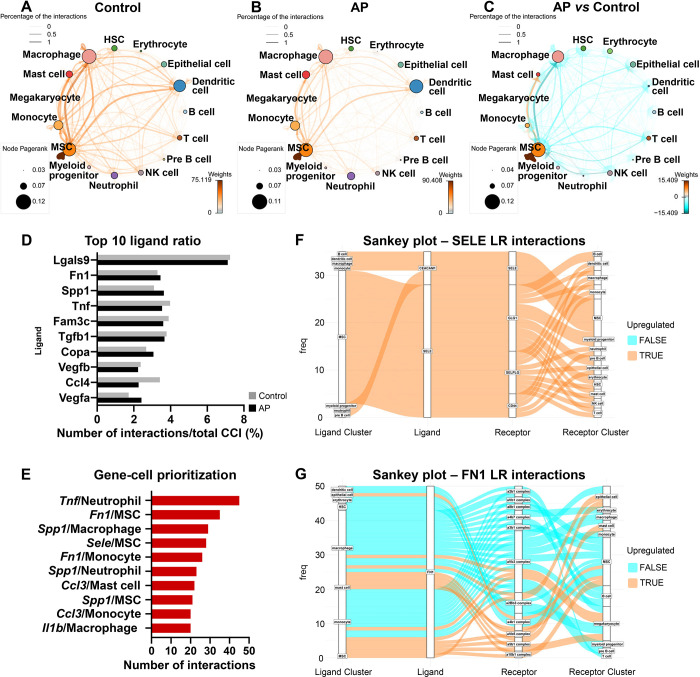
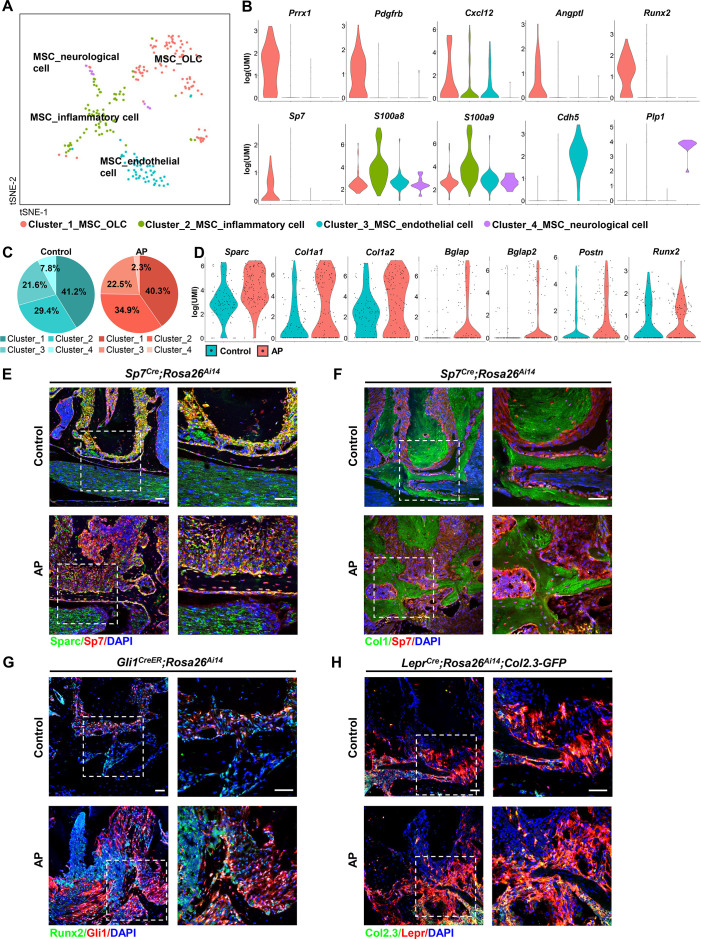
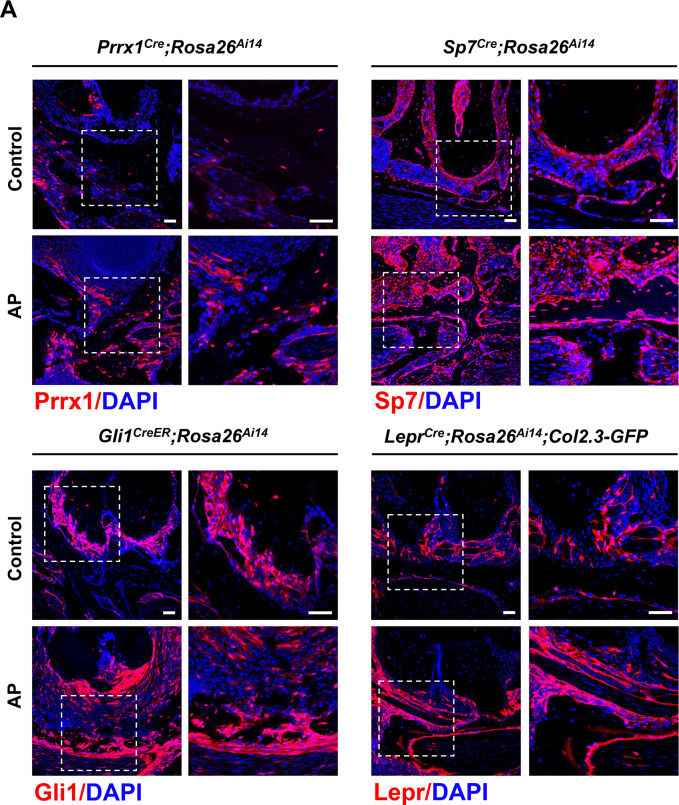
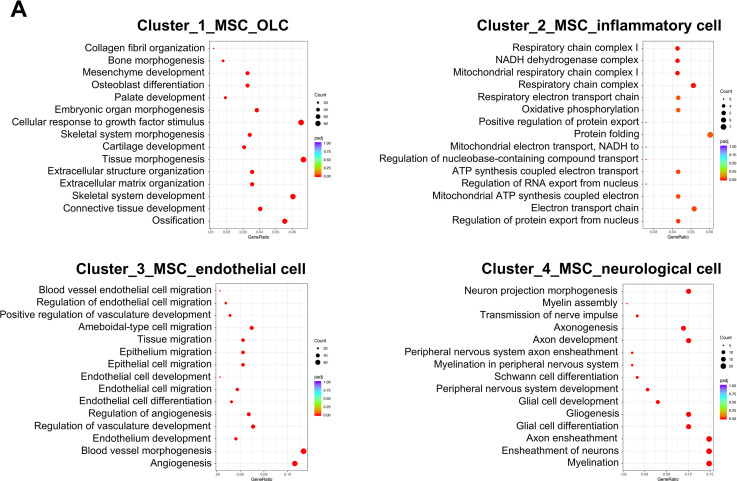
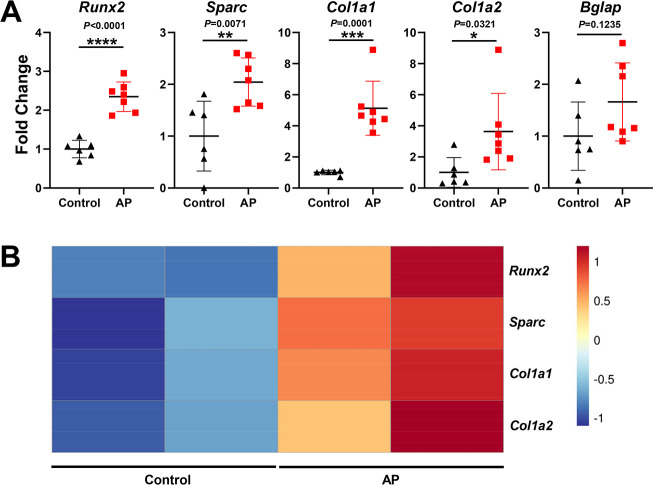
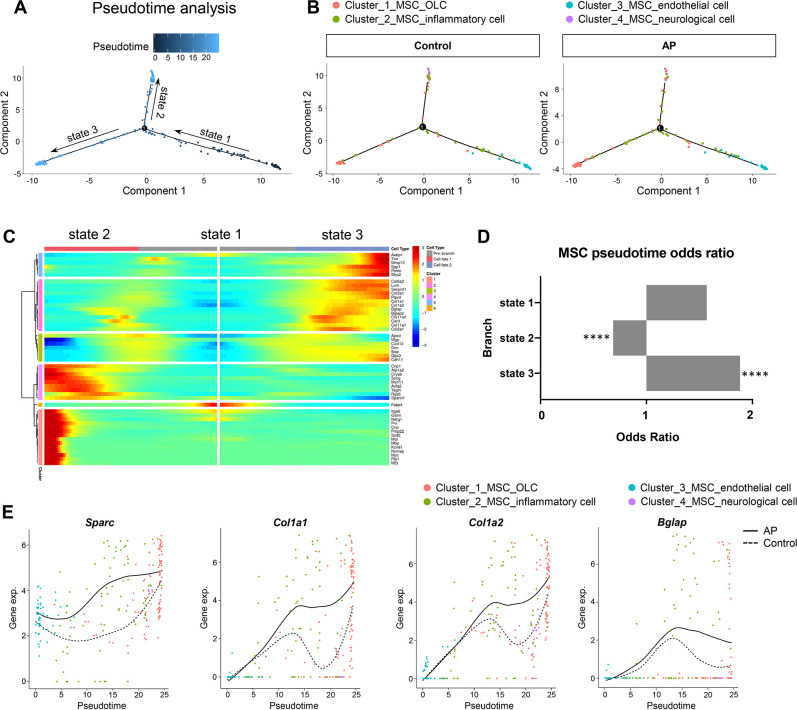
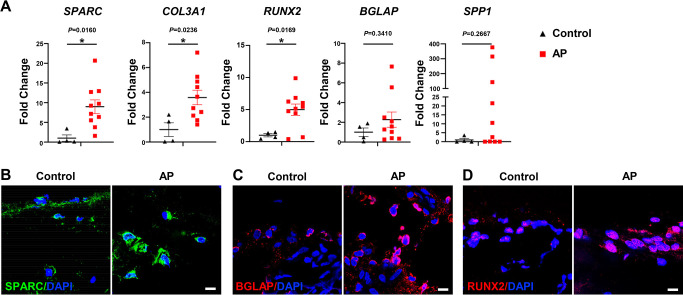
Oral inflammatory diseases such as apical periodontitis are common bacterial infectious diseases that may affect the periapical alveolar bone tissues. A protective process occurs simultaneously with the inflammatory tissue destruction, in which mesenchymal stem cells (MSCs) play a primary role. However, a systematic and precise description of the cellular and molecular composition of the microenvironment of bone affected by inflammation is lacking. In this study, we created a single-cell atlas of cell populations that compose alveolar bone in healthy and inflammatory disease states. We investigated changes in expression frequency and patterns related to apical periodontitis, as well as the interactions between MSCs and immunocytes. Our results highlight an enhanced self-supporting network and osteogenic potential within MSCs during apical periodontitis-associated inflammation. MSCs not only differentiated toward osteoblast lineage cells but also expressed higher levels of osteogenic-related markers, including Sparc and Col1a1. This was confirmed by lineage tracing in transgenic mouse models and human samples from oral inflammatory-related alveolar bone lesions. In summary, the current study provides an in-depth description of the microenvironment of MSCs and immunocytes in both healthy and disease states. We also identified key apical periodontitis-associated MSC subclusters and their biomarkers, which could further our understanding of the protective process and the underlying mechanisms of oral inflammatory-related bone disease. Taken together, these results enhance our understanding of heterogeneity and cellular interactions of alveolar bone cells under pathogenic and inflammatory conditions. We provide these data as a tool for investigators not only to better appreciate the repertoire of progenitors that are stress responsive but importantly to help design new therapeutic targets to restore bone lesions caused by apical periodontitis and other inflammatory-related bone diseases.
口腔炎症性疾病,如根尖周炎,是常见的细菌性传染病,可能影响根尖牙槽骨组织。在炎症组织破坏的同时,会发生保护过程,间充质干细胞(MSCs)在其中发挥主要作用。然而,对于受炎症影响的骨微环境的细胞和分子组成,缺乏系统和精确的描述。在这项研究中,我们创建了一个单细胞图谱,描绘了健康和炎症疾病状态下组成牙槽骨的细胞群体。我们研究了与根尖周炎相关的表达频率和模式的变化,以及 MSCs 和免疫细胞之间的相互作用。我们的结果突出了在根尖周炎相关炎症期间,MSCs 内部增强的自我支持网络和成骨潜能。MSCs 不仅向成骨细胞谱系细胞分化,而且表达更高水平的成骨相关标志物,包括 Sparc 和 Col1a1。这一点通过转基因小鼠模型和口腔炎症相关牙槽骨病变的人类样本中的谱系追踪得到了证实。总之,本研究深入描述了健康和疾病状态下 MSCs 和免疫细胞的微环境。我们还确定了与根尖周炎相关的 MSC 亚群及其生物标志物,这可能有助于我们深入了解保护性过程和与口腔炎症相关的骨疾病的潜在机制。综上所述,这些结果增强了我们对致病和炎症条件下牙槽骨细胞异质性和细胞相互作用的理解。我们提供这些数据不仅是为了让研究人员更好地了解对压力有反应的祖细胞的多样性,而且更重要的是帮助设计新的治疗靶点,以恢复根尖周炎和其他与炎症相关的骨疾病引起的骨损伤。