University of Edinburgh Centre for Inflammation Research, The Queen's Medical Research Institute.
Division of Cell Signalling and Immunology, University of Dundee, Dundee, United Kingdom.
Am J Respir Crit Care Med. 2023 Apr 15;207(8):998-1011. doi: 10.1164/rccm.202203-0482OC.
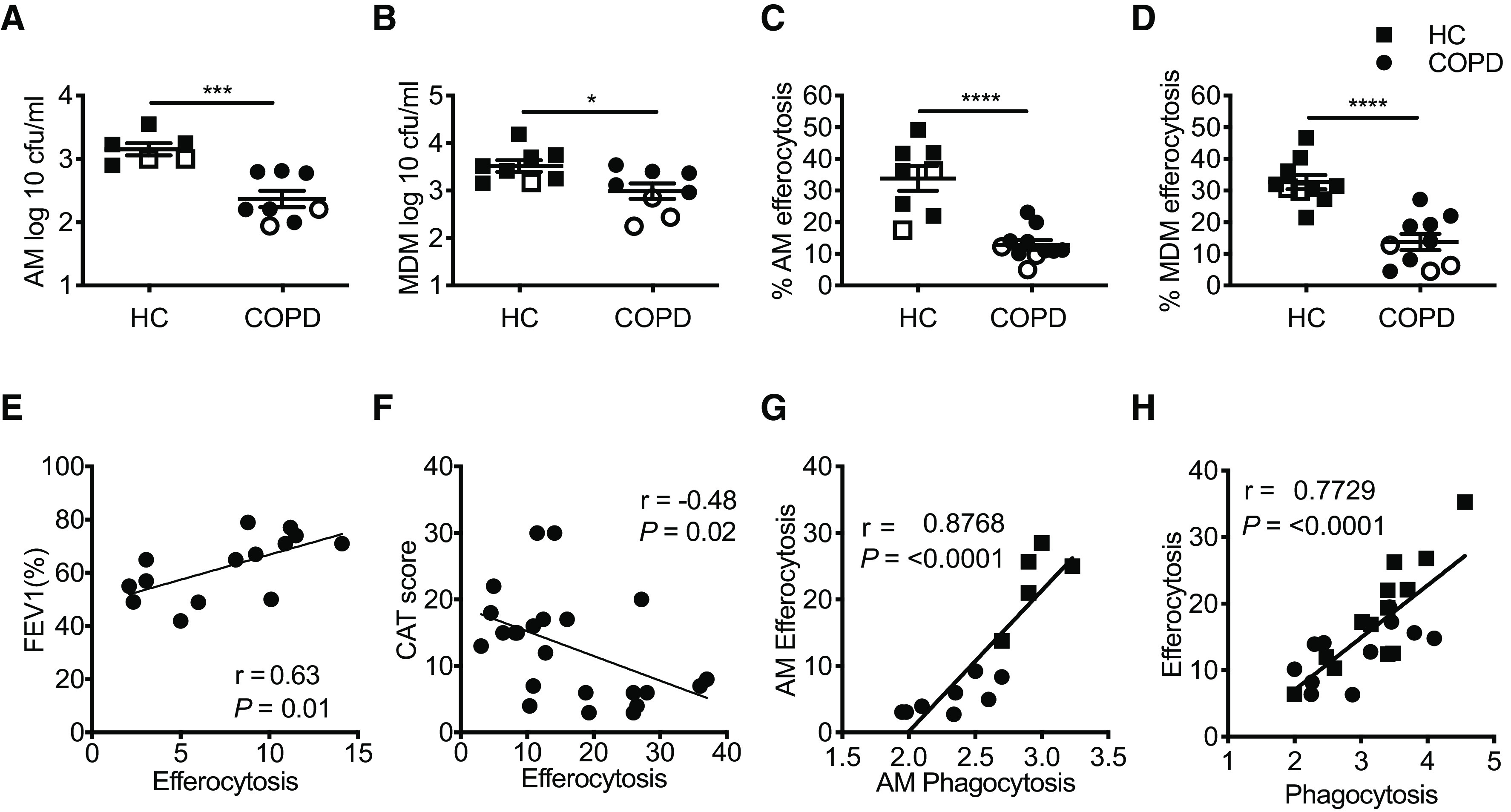
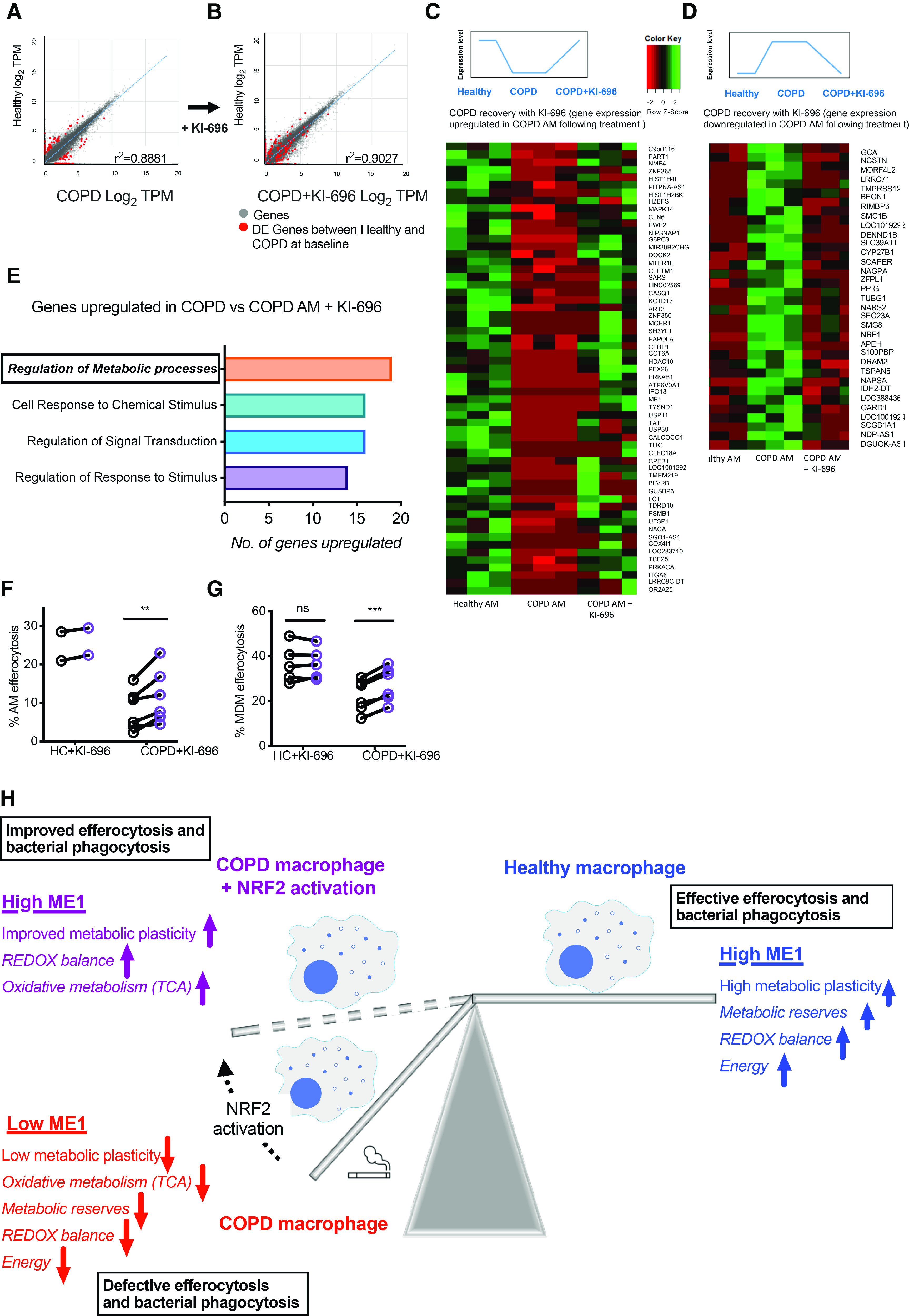
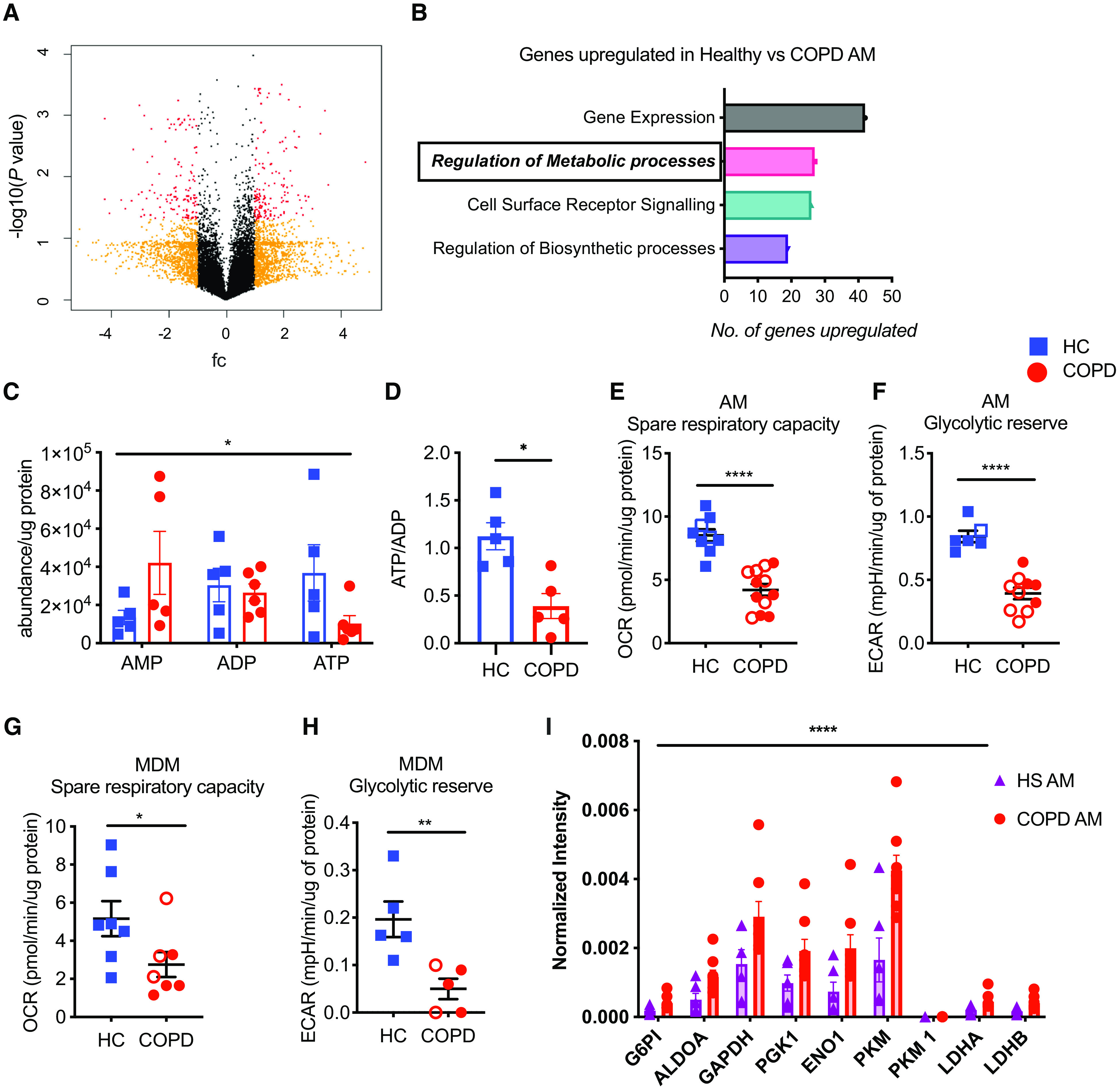
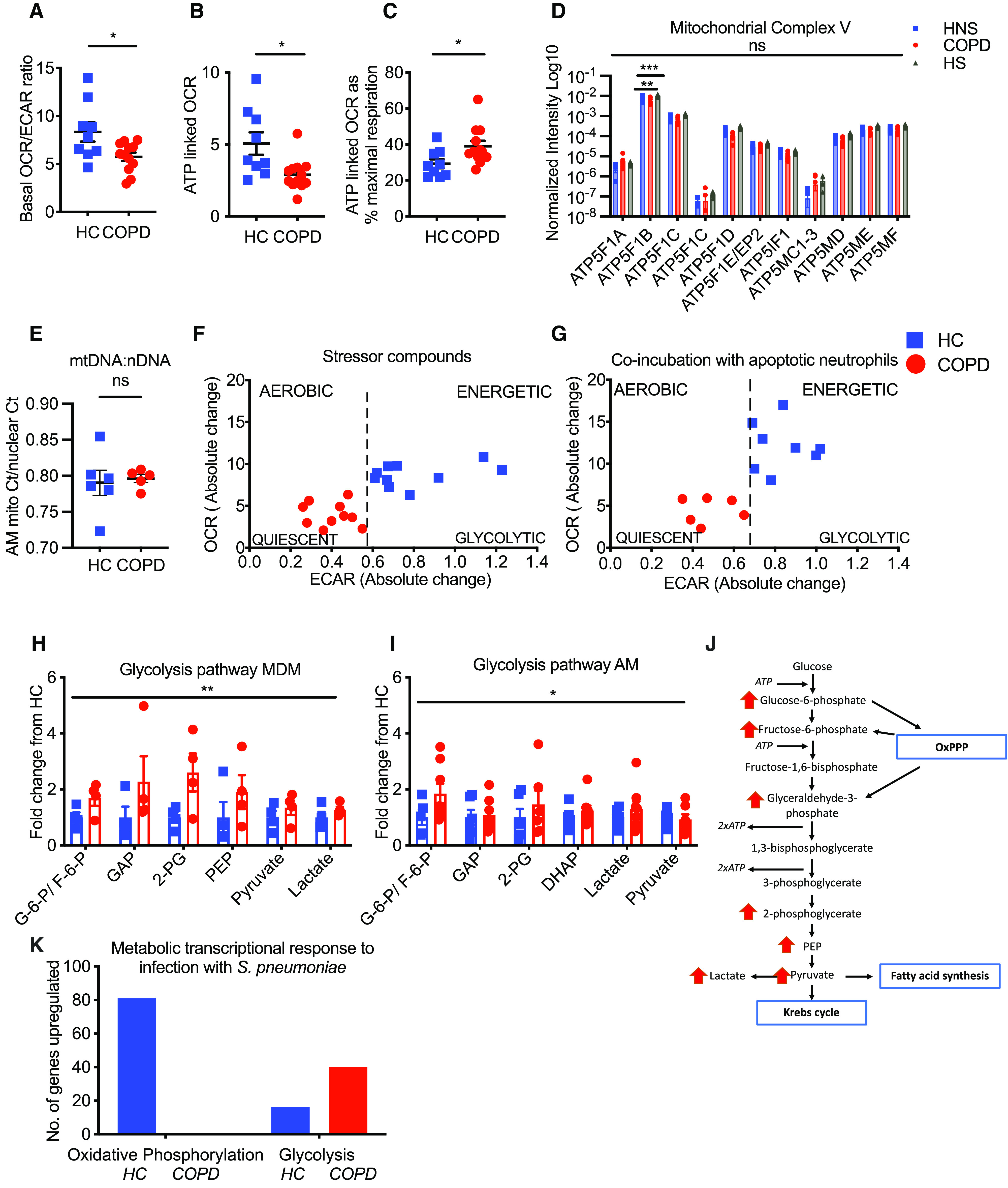
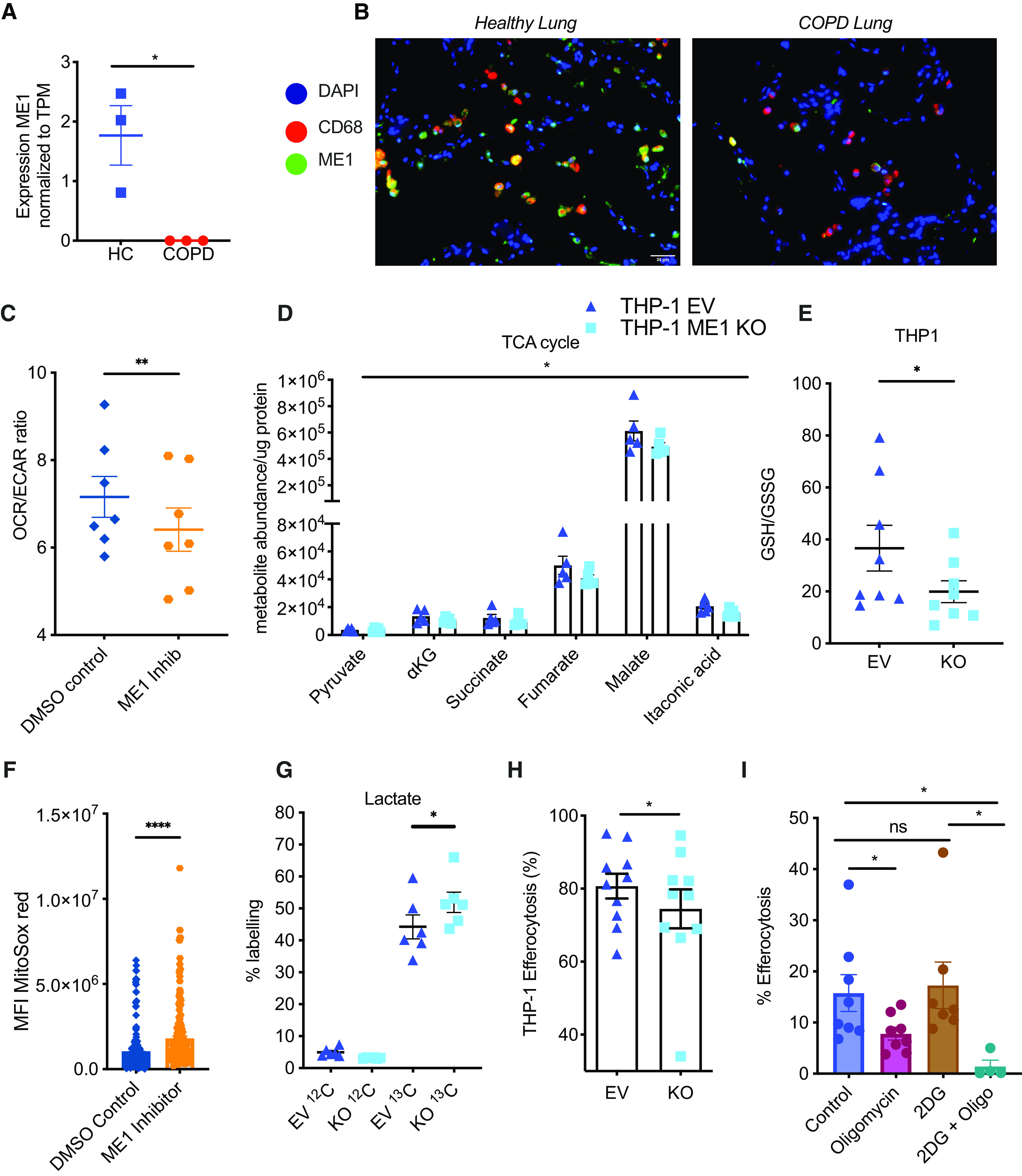
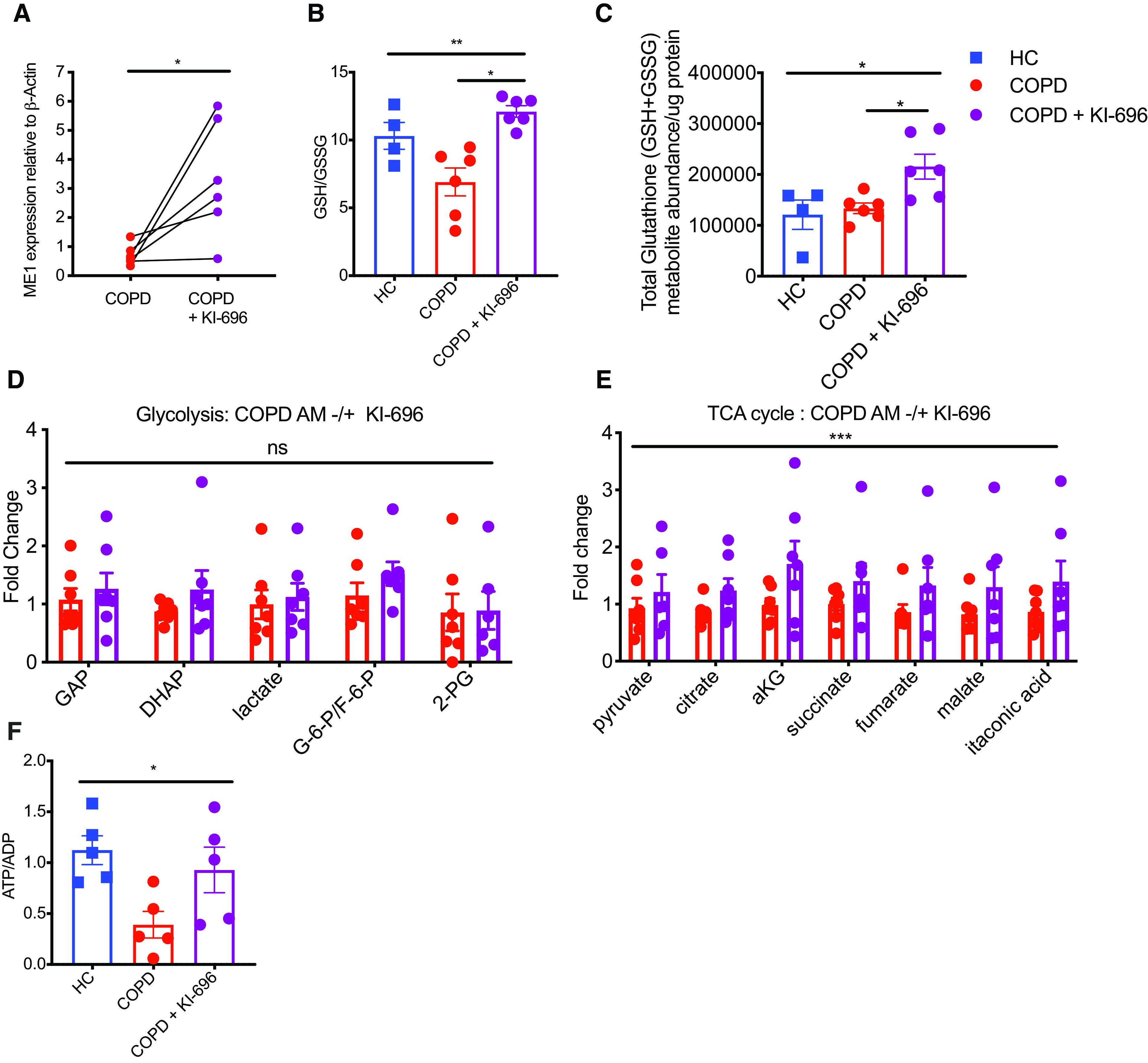
Chronic obstructive pulmonary disease (COPD) is a disease characterized by persistent airway inflammation and disordered macrophage function. The extent to which alterations in macrophage bioenergetics contribute to impaired antioxidant responses and disease pathogenesis has yet to be fully delineated. Through the study of COPD alveolar macrophages (AMs) and peripheral monocyte-derived macrophages (MDMs), we sought to establish if intrinsic defects in core metabolic processes drive macrophage dysfunction and redox imbalance. AMs and MDMs from donors with COPD and healthy donors underwent functional, metabolic, and transcriptional profiling. We observed that AMs and MDMs from donors with COPD display a critical depletion in glycolytic- and mitochondrial respiration-derived energy reserves and an overreliance on glycolysis as a source for ATP, resulting in reduced energy status. Defects in oxidative metabolism extend to an impaired redox balance associated with defective expression of the NADPH-generating enzyme, ME1 (malic enzyme 1), a known target of the antioxidant transcription factor NRF2 (nuclear factor erythroid 2-related factor 2). Consequently, selective activation of NRF2 resets the COPD transcriptome, resulting in increased generation of TCA cycle intermediaries, improved energetic status, favorable redox balance, and recovery of macrophage function. In COPD, an inherent loss of metabolic plasticity leads to metabolic exhaustion and reduced redox capacity, which can be rescued by activation of the NRF2 pathway. Targeting these defects, via NRF2 augmentation, may therefore present an attractive therapeutic strategy for the treatment of the aberrant airway inflammation described in COPD.
慢性阻塞性肺疾病(COPD)是一种以持续气道炎症和巨噬细胞功能紊乱为特征的疾病。巨噬细胞生物能量变化在多大程度上导致抗氧化反应受损和疾病发病机制仍未完全阐明。通过对 COPD 肺泡巨噬细胞(AMs)和外周单核细胞衍生的巨噬细胞(MDMs)的研究,我们试图确定核心代谢过程中的内在缺陷是否会导致巨噬细胞功能障碍和氧化还原失衡。COPD 患者和健康供体的 AMs 和 MDMs 进行了功能、代谢和转录谱分析。我们观察到,COPD 患者的 AMs 和 MDMs 表现出糖酵解和线粒体呼吸衍生能量储备的严重耗竭,以及对糖酵解作为 ATP 来源的过度依赖,导致能量状态降低。氧化代谢缺陷扩展到与 NADPH 生成酶 ME1(苹果酸酶 1)表达缺陷相关的氧化还原失衡,ME1 是抗氧化转录因子 NRF2(红细胞生成核因子 2 相关因子 2)的已知靶点。因此,NRF2 的选择性激活重置了 COPD 转录组,导致 TCA 循环中间产物的产生增加、能量状态的改善、有利的氧化还原平衡以及巨噬细胞功能的恢复。在 COPD 中,代谢可塑性的固有丧失导致代谢衰竭和氧化还原能力降低,而 NRF2 途径的激活可以挽救这些缺陷。通过 NRF2 增强来靶向这些缺陷,可能为治疗 COPD 中描述的异常气道炎症提供一种有吸引力的治疗策略。