University of Edinburgh Centre for Inflammation Research, Queen's Medical Research Institute, University of Edinburgh, Edinburgh, UK.
Barts Cancer Institute, Queen Mary University of London, London, UK.
Nat Immunol. 2022 Jun;23(6):927-939. doi: 10.1038/s41590-022-01216-z. Epub 2022 May 27.
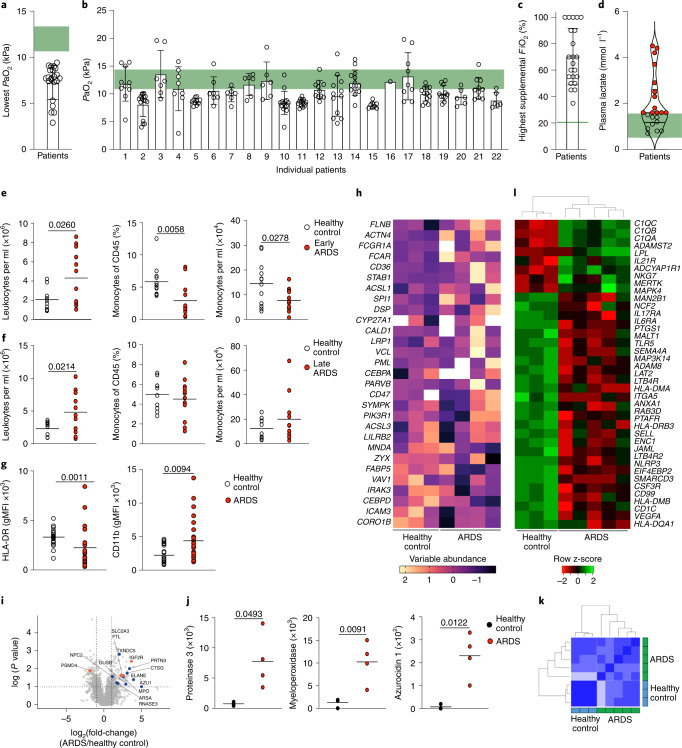
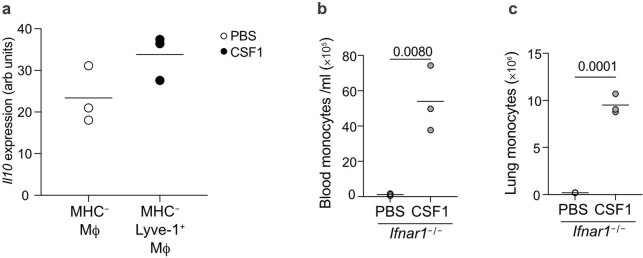
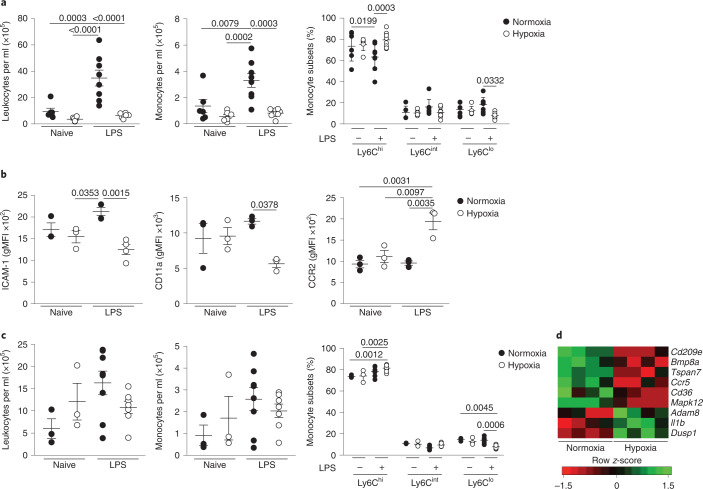
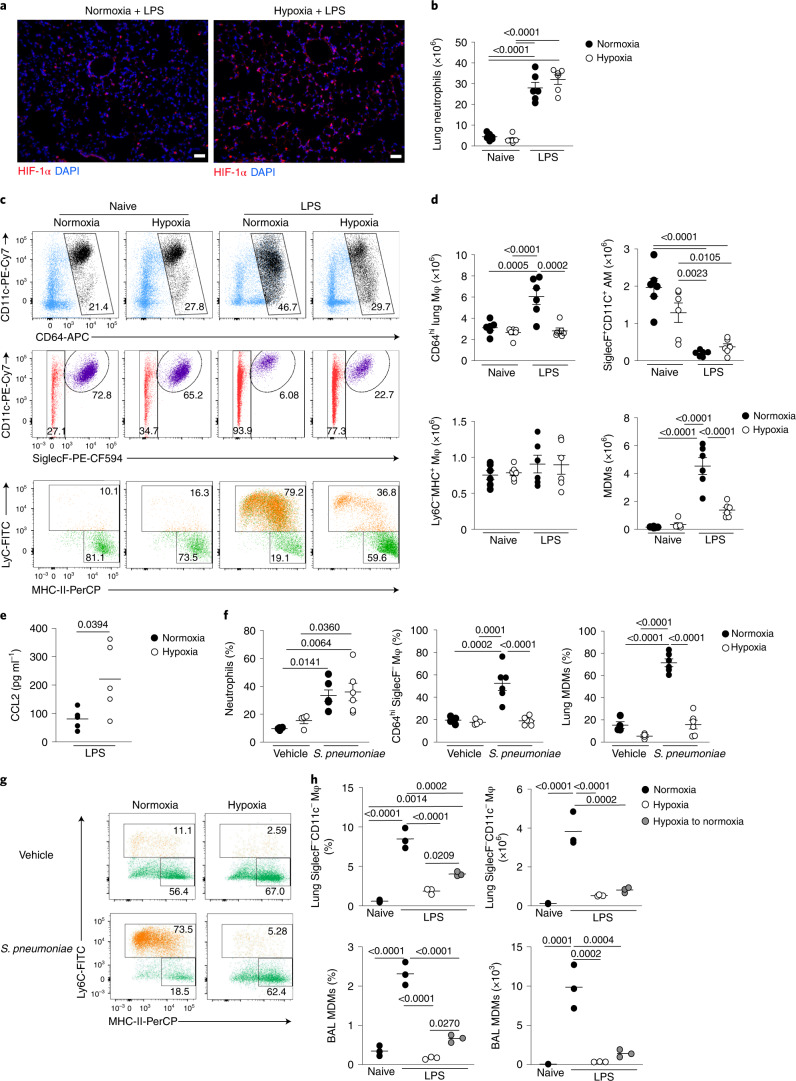
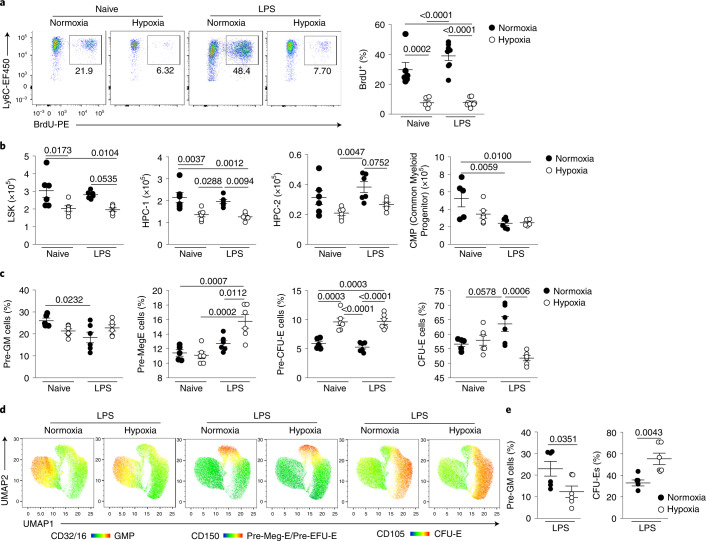
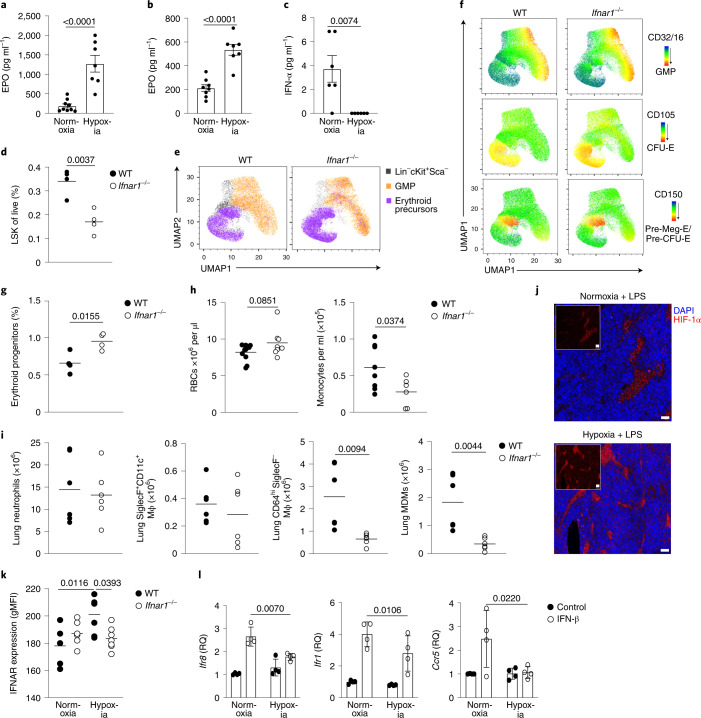
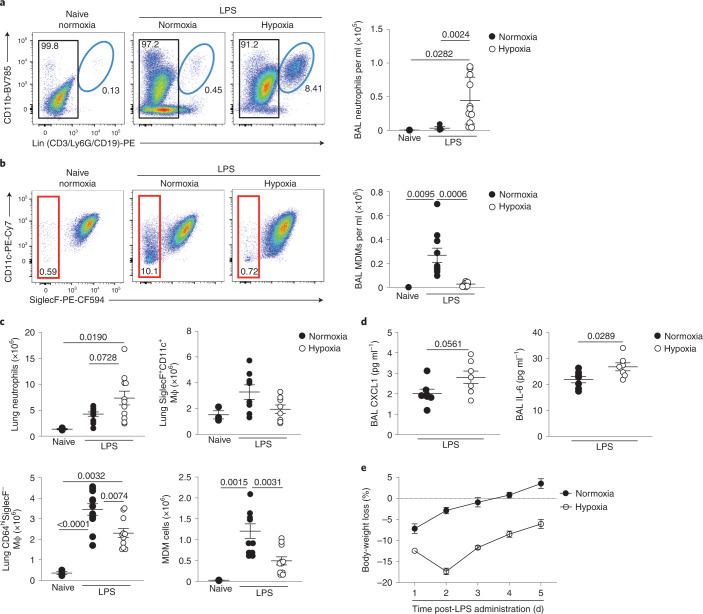
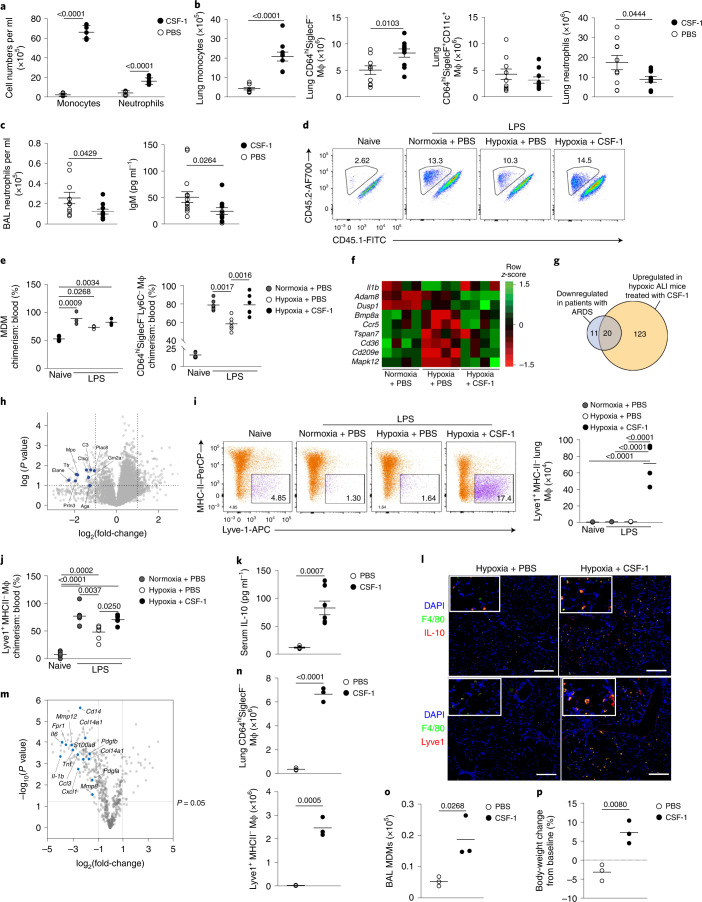
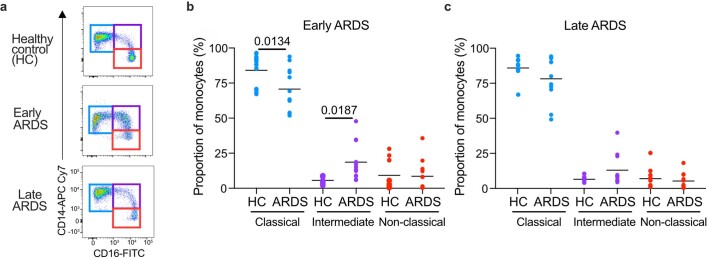
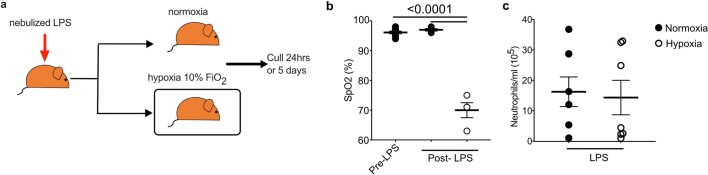
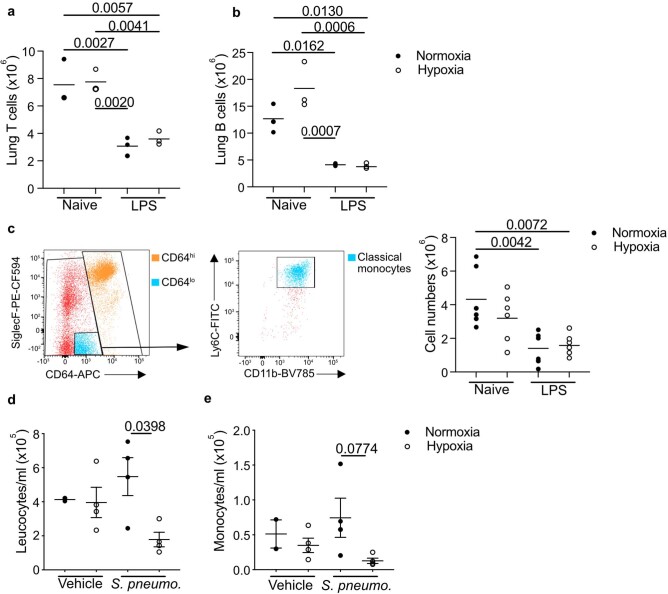
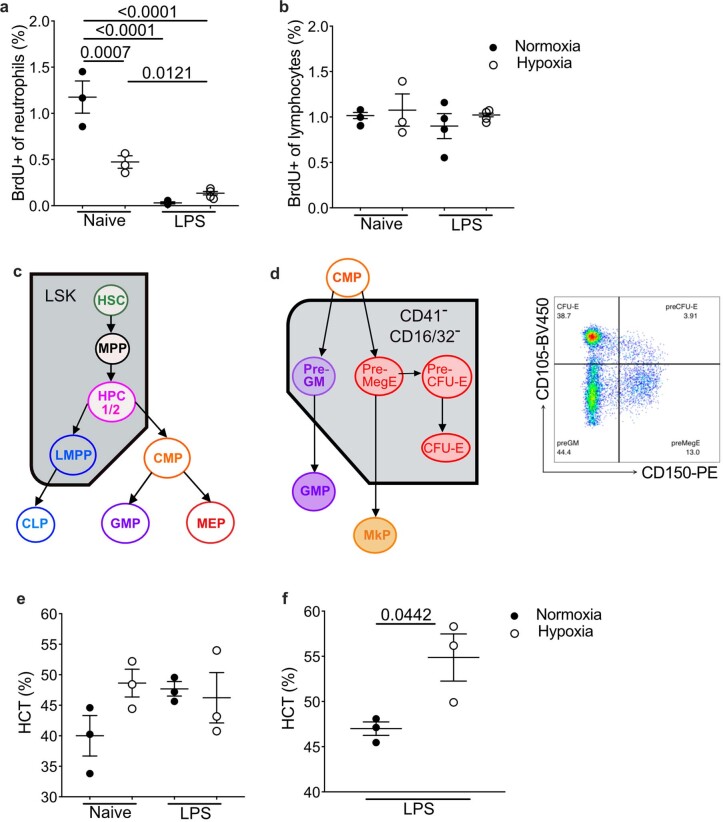
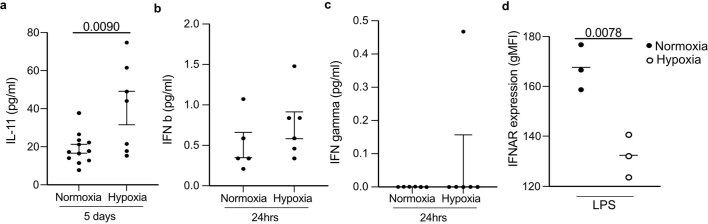
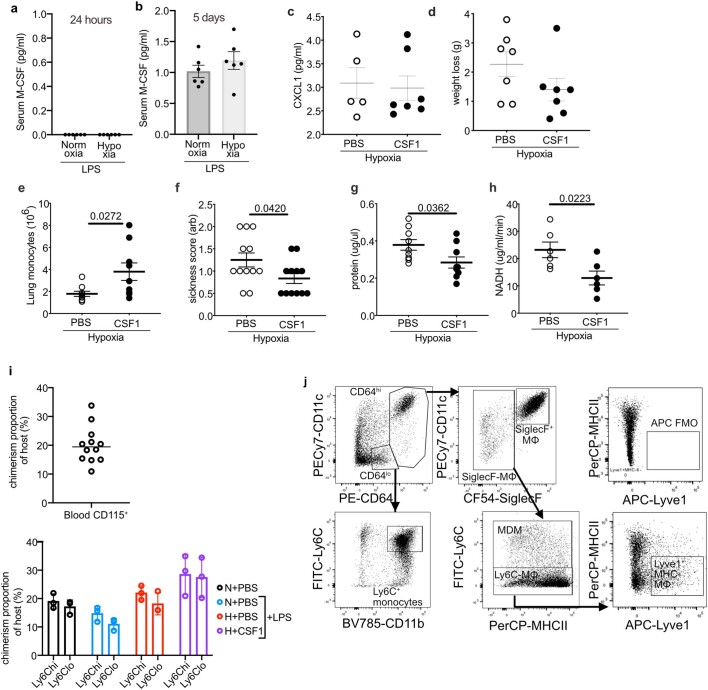
Hypoxemia is a defining feature of acute respiratory distress syndrome (ARDS), an often-fatal complication of pulmonary or systemic inflammation, yet the resulting tissue hypoxia, and its impact on immune responses, is often neglected. In the present study, we have shown that ARDS patients were hypoxemic and monocytopenic within the first 48 h of ventilation. Monocytopenia was also observed in mouse models of hypoxic acute lung injury, in which hypoxemia drove the suppression of type I interferon signaling in the bone marrow. This impaired monopoiesis resulted in reduced accumulation of monocyte-derived macrophages and enhanced neutrophil-mediated inflammation in the lung. Administration of colony-stimulating factor 1 in mice with hypoxic lung injury rescued the monocytopenia, altered the phenotype of circulating monocytes, increased monocyte-derived macrophages in the lung and limited injury. Thus, tissue hypoxia altered the dynamics of the immune response to the detriment of the host and interventions to address the aberrant response offer new therapeutic strategies for ARDS.
低氧血症是急性呼吸窘迫综合征(ARDS)的一个显著特征,这是一种肺部或全身炎症的常见致命并发症,但由此导致的组织缺氧及其对免疫反应的影响往往被忽视。在本研究中,我们发现 ARDS 患者在通气后 48 小时内出现低氧血症和单核细胞减少症。在低氧性急性肺损伤的小鼠模型中也观察到了单核细胞减少症,其中低氧血症导致骨髓中 I 型干扰素信号的抑制。这种骨髓生成受损导致单核细胞来源的巨噬细胞积累减少,并增强了肺中的中性粒细胞介导的炎症。在低氧性肺损伤的小鼠中给予集落刺激因子 1 可挽救单核细胞减少症,改变循环单核细胞的表型,增加肺中单核细胞来源的巨噬细胞并限制损伤。因此,组织缺氧改变了免疫反应的动态,对宿主不利,针对异常反应的干预措施为 ARDS 提供了新的治疗策略。