Department of Orthopaedic Surgery, Korea University Ansan Hospital, Ansan, Republic of Korea.
Bionics Research Center, Korea Institute of Science and Technology, Seoul, Republic of Korea.
PLoS One. 2023 Feb 2;18(2):e0281219. doi: 10.1371/journal.pone.0281219. eCollection 2023.
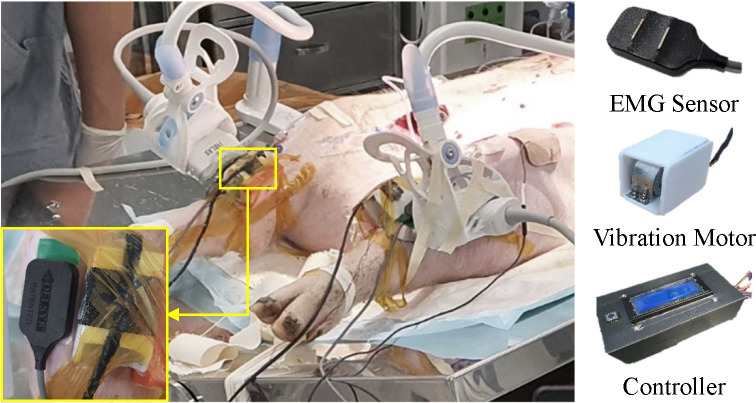
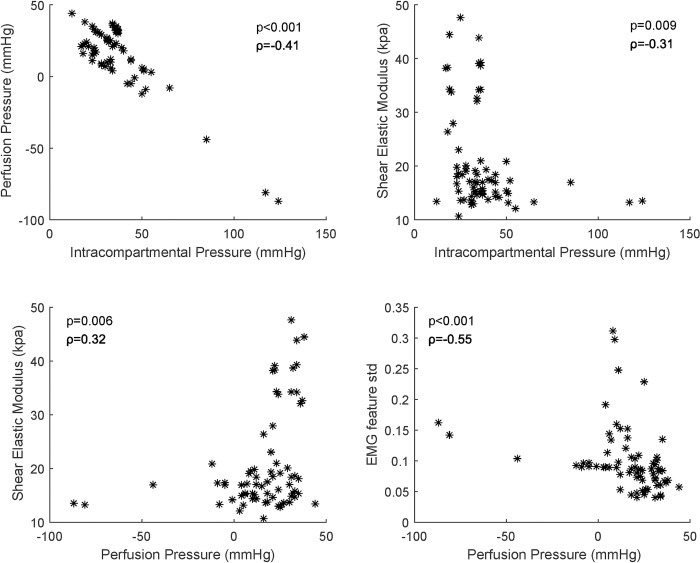
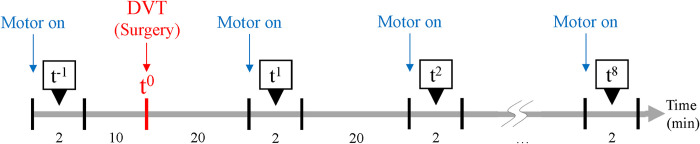
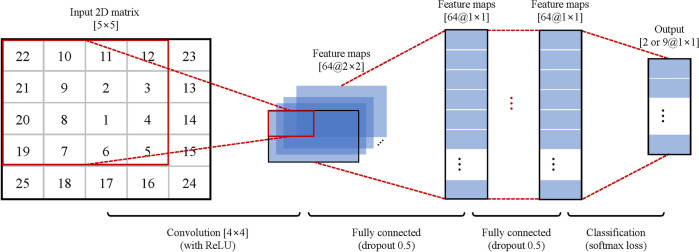
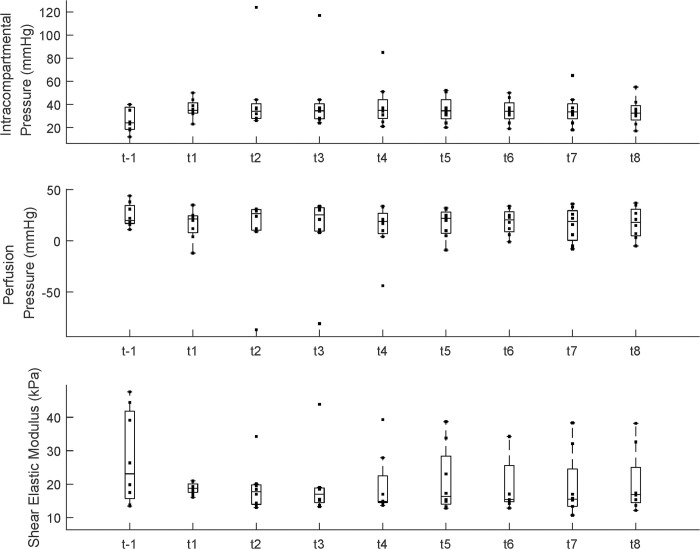
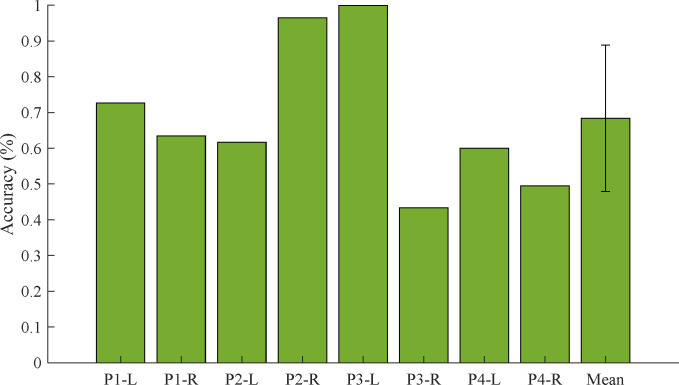
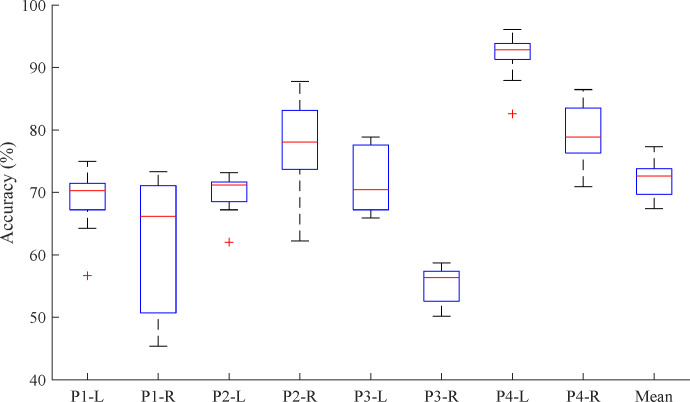
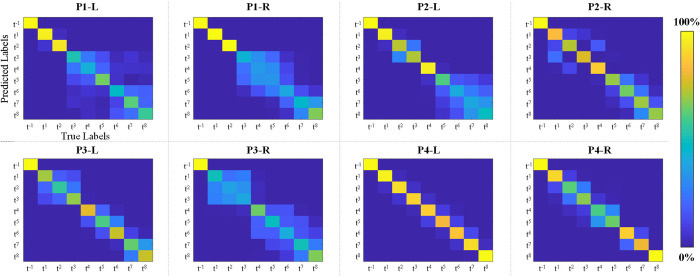
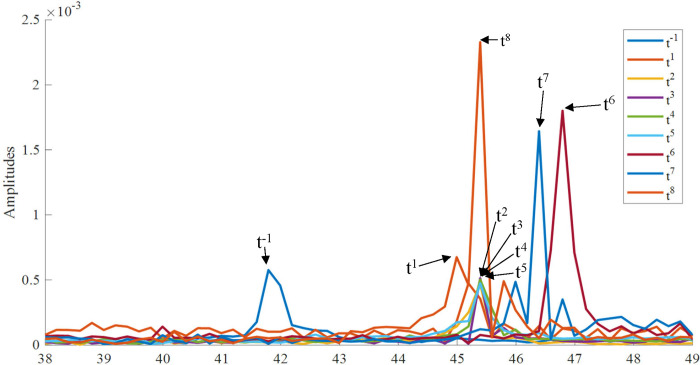
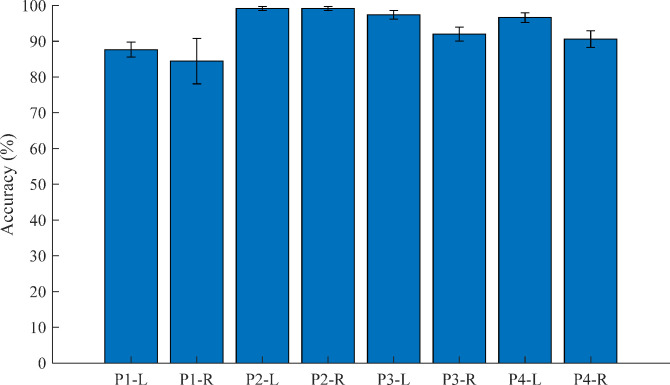
Deep vein thrombosis (DVT) can lead to life-threatening disorders; however, it can only be recognized after its symptom appear. This study proposed a novel method that can detect the early stage of DVT using electromyography (EMG) signals with vibration stimuli using the convolutional neural networks (CNN) algorithm. The feasibility of the method was tested with eight legs before and after the surgical induction of DVT at nine-time points. Furthermore, perfusion pressure (PP), intracompartmental pressure (IP), and shear elastic modulus (SEM) of the tibialis anterior were also collected. In the proposed method, principal component analysis (PCA) and CNN were used to analyze the EMG data and classify it before and after the DVT stages. The cross-validation was performed in two strategies. One is for each leg and the other is the leave-one-leg-out (LOLO), test without any predicted information, for considering the practical diagnostic tool. The results showed that PCA-CNN can classify before and after DVT stages with an average accuracy of 100% (each leg) and 68.4±20.5% (LOLO). Moreover, all-time points (before induction of DVT and eight-time points after DVT) were classified with an average accuracy of 72.0±11.9% which is substantially higher accuracy than the chance levels (11% for 9-class classification). Based on the experimental results in the pig model, the proposed CNN-based method can classify the before- and after-DVT stages with high accuracy. The experimental results can provide a basis for further developing an early diagnostic tool for DVT using only EMG signals with vibration stimuli.
深静脉血栓形成(DVT)可导致危及生命的疾病;然而,只有在其症状出现后才能识别。本研究提出了一种新方法,该方法使用肌电图(EMG)信号和振动刺激,通过卷积神经网络(CNN)算法来检测 DVT 的早期阶段。该方法的可行性在手术诱导 DVT 前后的 8 条腿上进行了 9 个时间点的测试。此外,还采集了胫骨前肌的灌注压(PP)、腔内压(IP)和剪切弹性模量(SEM)。在提出的方法中,主成分分析(PCA)和 CNN 用于分析 EMG 数据,并在 DVT 前后进行分类。交叉验证采用两种策略进行。一种是针对每条腿,另一种是采用无任何预测信息的“留一腿法(LOLO)”测试,用于考虑实际的诊断工具。结果表明,PCA-CNN 可以在 DVT 前后的阶段进行分类,平均准确率为 100%(每条腿)和 68.4±20.5%(LOLO)。此外,所有时间点(DVT 诱导前和 DVT 后 8 个时间点)的分类准确率平均为 72.0±11.9%,明显高于随机水平(9 类分类的 11%)。基于猪模型的实验结果,提出的基于 CNN 的方法可以以较高的准确率对 DVT 前后阶段进行分类。实验结果可为进一步开发仅使用 EMG 信号和振动刺激的 DVT 早期诊断工具提供依据。