Guangdong Key Laboratory of Age-Related Cardiac and Cerebral Diseases, Department of Neurology, Affiliated Hospital of Guangdong Medical University, Zhanjiang, China.
Key Laboratory of Animal Models and Human Disease Mechanisms of the Chinese Academy of Sciences & Yunnan Province Kunming Institute of Zoology Chinese Academy of Sciences, Kunming, Yunnan, China.
J Transl Med. 2023 Feb 9;21(1):103. doi: 10.1186/s12967-023-03945-7.
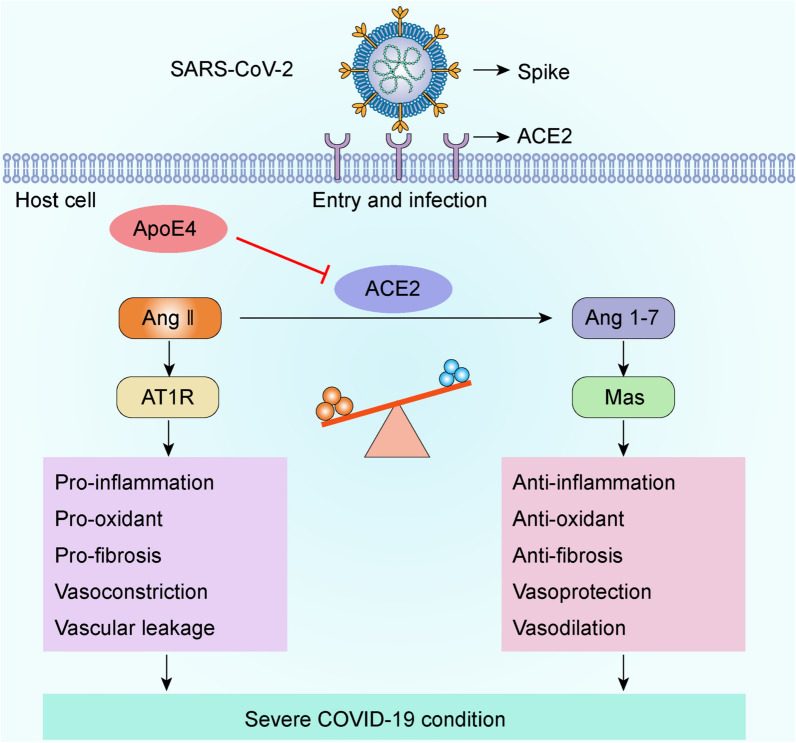
Recent numerous epidemiology and clinical association studies reported that ApoE polymorphism might be associated with the risk and severity of coronavirus disease 2019 (COVID-19), and yielded inconsistent results. Severe acute respiratory syndrome coronavirus 2 (SARS-CoV-2) infection relies on its spike protein binding to angiotensin-converting enzyme 2 (ACE2) receptor expressed on host cell membranes.
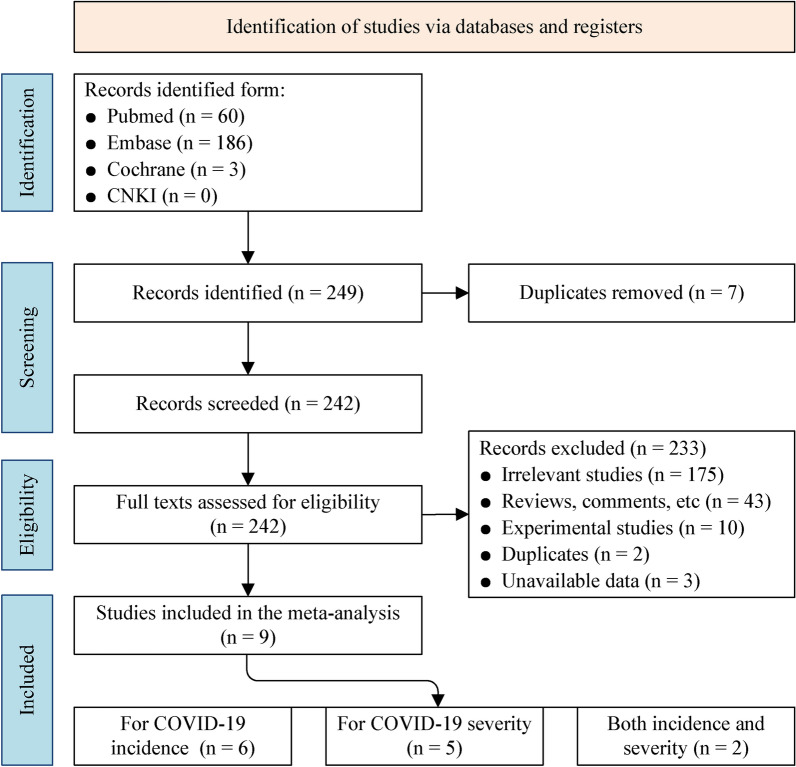
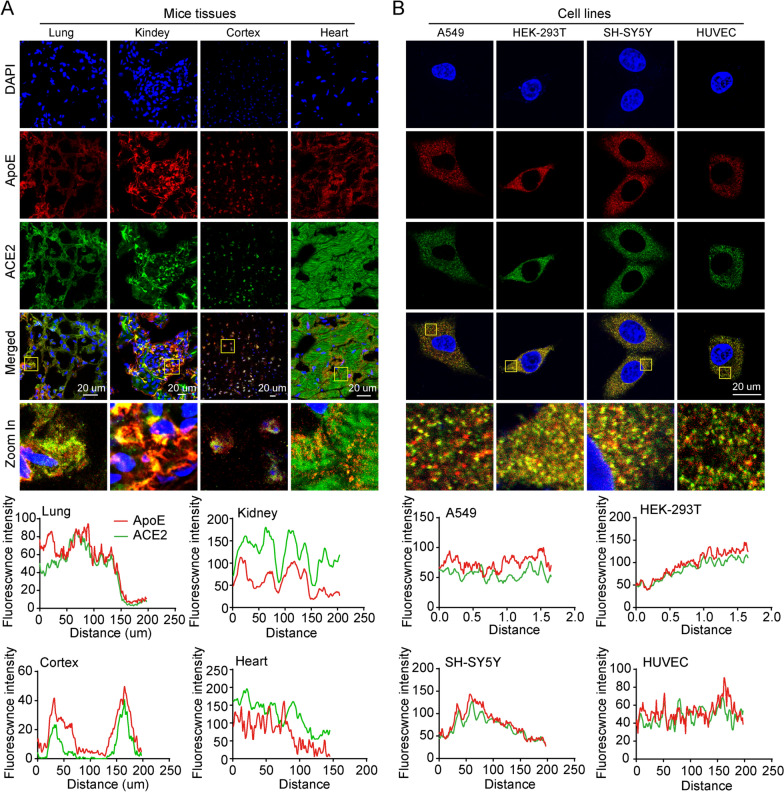
A meta-analysis was conducted to clarify the association between ApoE polymorphism and the risk and severity of COVID-19. Multiple protein interaction assays were utilized to investigate the potential molecular link between ApoE and the SARS-CoV-2 primary receptor ACE2, ApoE and spike protein. Immunoblotting and immunofluorescence staining methods were used to access the regulatory effect of different ApoE isoform on ACE2 protein expression.
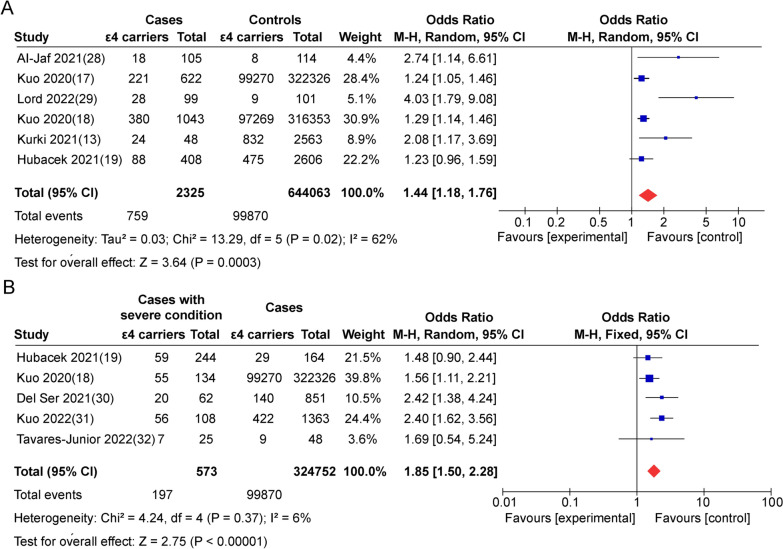
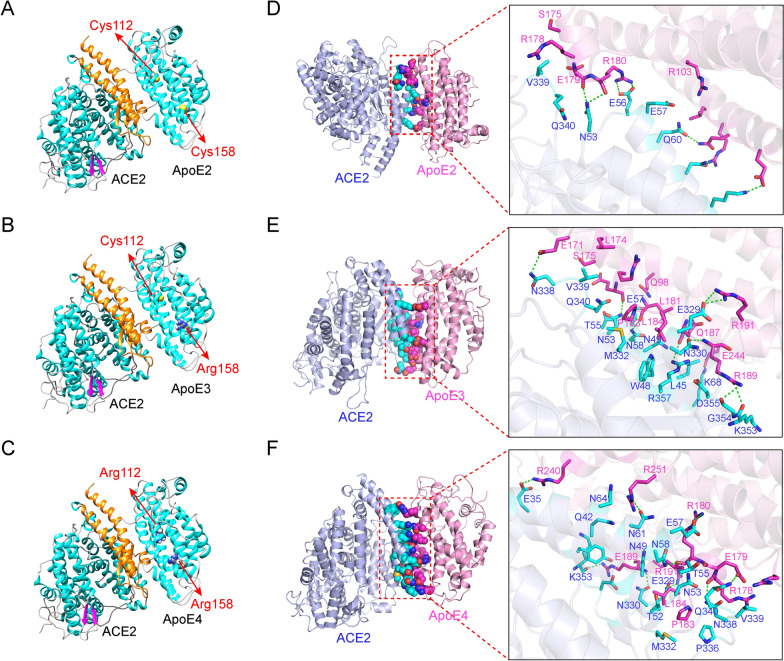
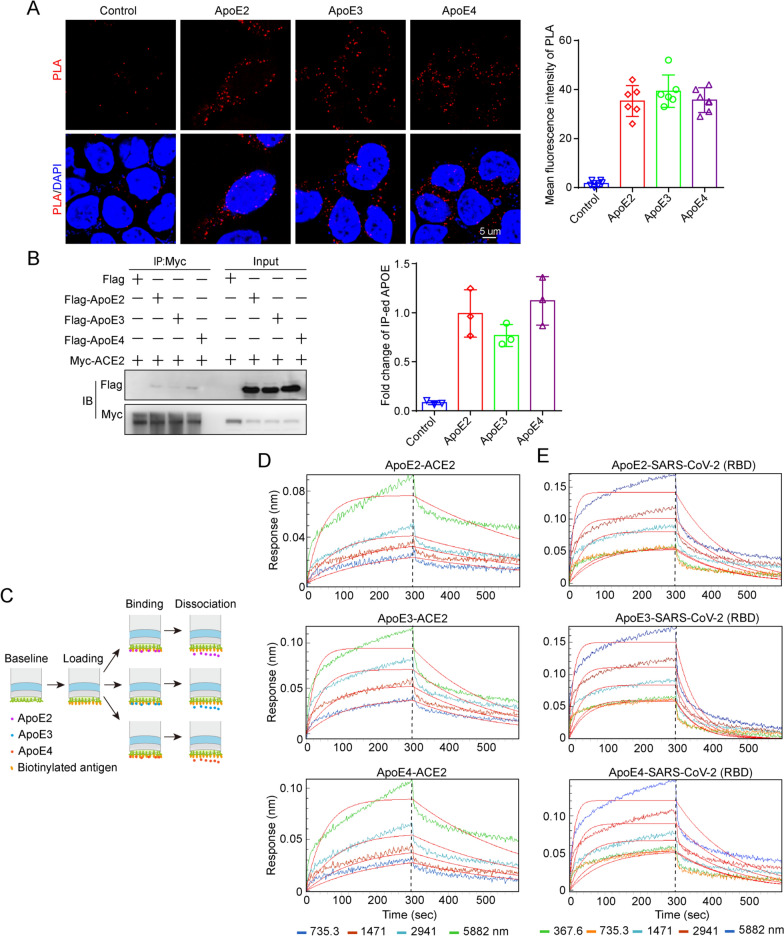
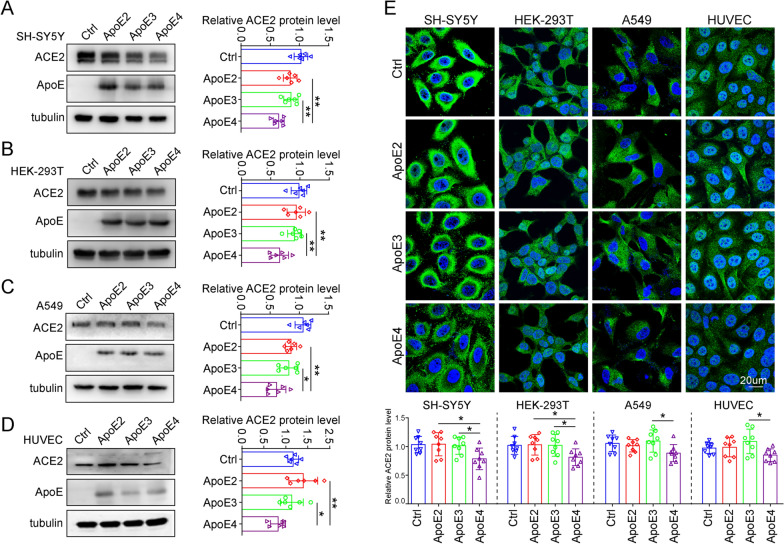
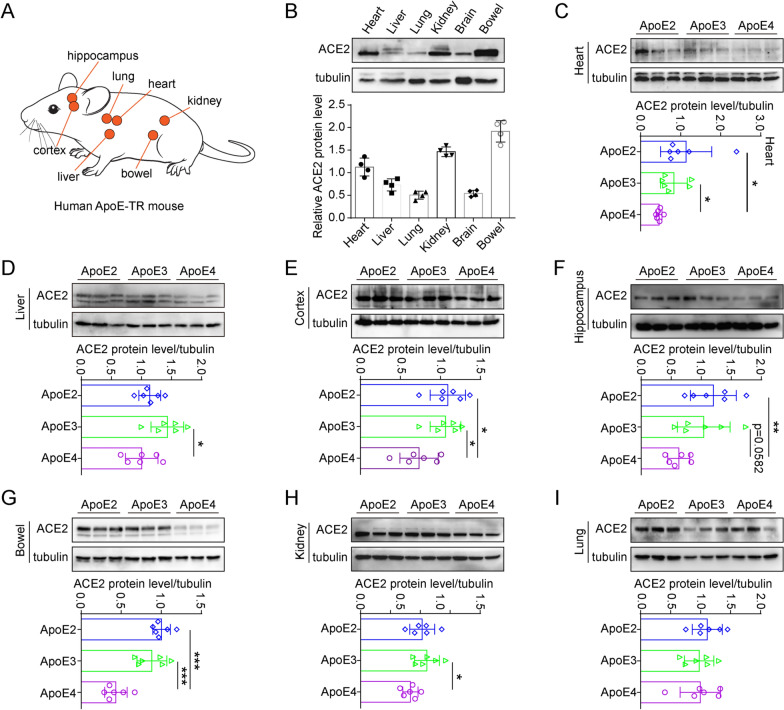
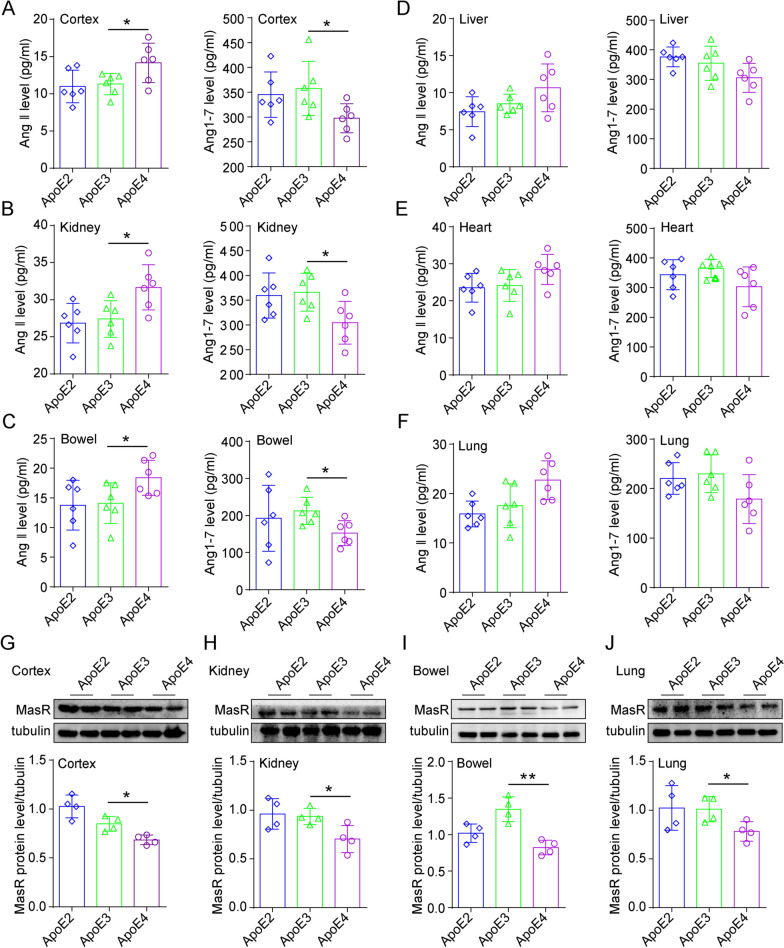
ApoE gene polymorphism (ε4 carrier genotypes VS non-ε4 carrier genotypes) is associated with the increased risk (P = 0.0003, OR = 1.44, 95% CI 1.18-1.76) and progression (P < 0.00001, OR = 1.85, 95% CI 1.50-2.28) of COVID-19. ApoE interacts with both ACE2 and the spike protein but did not show isoform-dependent binding effects. ApoE4 significantly downregulates ACE2 protein expression in vitro and in vivo and subsequently decreases the conversion of Ang II to Ang 1-7.
ApoE4 increases SARS-CoV-2 infectivity in a manner that may not depend on differential interactions with the spike protein or ACE2. Instead, ApoE4 downregulates ACE2 protein expression and subsequently the dysregulation of renin-angiotensin system (RAS) may provide explanation by which ApoE4 exacerbates COVID-19 disease.
最近许多流行病学和临床关联研究报告称,载脂蛋白 E 多态性可能与 2019 年冠状病毒病(COVID-19)的风险和严重程度相关,并产生了不一致的结果。严重急性呼吸综合征冠状病毒 2(SARS-CoV-2)感染依赖其刺突蛋白与宿主细胞膜上表达的血管紧张素转换酶 2(ACE2)受体结合。
进行荟萃分析以阐明载脂蛋白 E 多态性与 COVID-19 的风险和严重程度之间的关系。利用多种蛋白质相互作用测定法研究载脂蛋白 E 与 SARS-CoV-2 主要受体 ACE2、载脂蛋白 E 和刺突蛋白之间的潜在分子联系。免疫印迹和免疫荧光染色方法用于评估不同载脂蛋白 E 同工型对 ACE2 蛋白表达的调节作用。
载脂蛋白 E 基因多态性(ε4 携带者基因型与非 ε4 携带者基因型)与 COVID-19 风险增加相关(P=0.0003,OR=1.44,95%CI 1.18-1.76)和进展(P<0.00001,OR=1.85,95%CI 1.50-2.28)。载脂蛋白 E 与 ACE2 和刺突蛋白相互作用,但没有表现出同工型依赖性结合效应。载脂蛋白 E4 显著下调体外和体内 ACE2 蛋白表达,随后减少 Ang II 向 Ang 1-7 的转化。
载脂蛋白 E4 以可能不依赖于与刺突蛋白或 ACE2 差异相互作用的方式增加 SARS-CoV-2 的感染性。相反,载脂蛋白 E4 下调 ACE2 蛋白表达,随后肾素-血管紧张素系统(RAS)的失调可能通过载脂蛋白 E4 加重 COVID-19 疾病提供解释。