Laboratory of Metabolism, Center for Cancer Research, National Cancer Institute, Bethesda, MD, 20892, USA.
Department of General Surgery, Cancer Center, Peking University Third Hospital, Beijing, 100191, China.
Nat Commun. 2023 Feb 10;14(1):755. doi: 10.1038/s41467-023-36089-9.
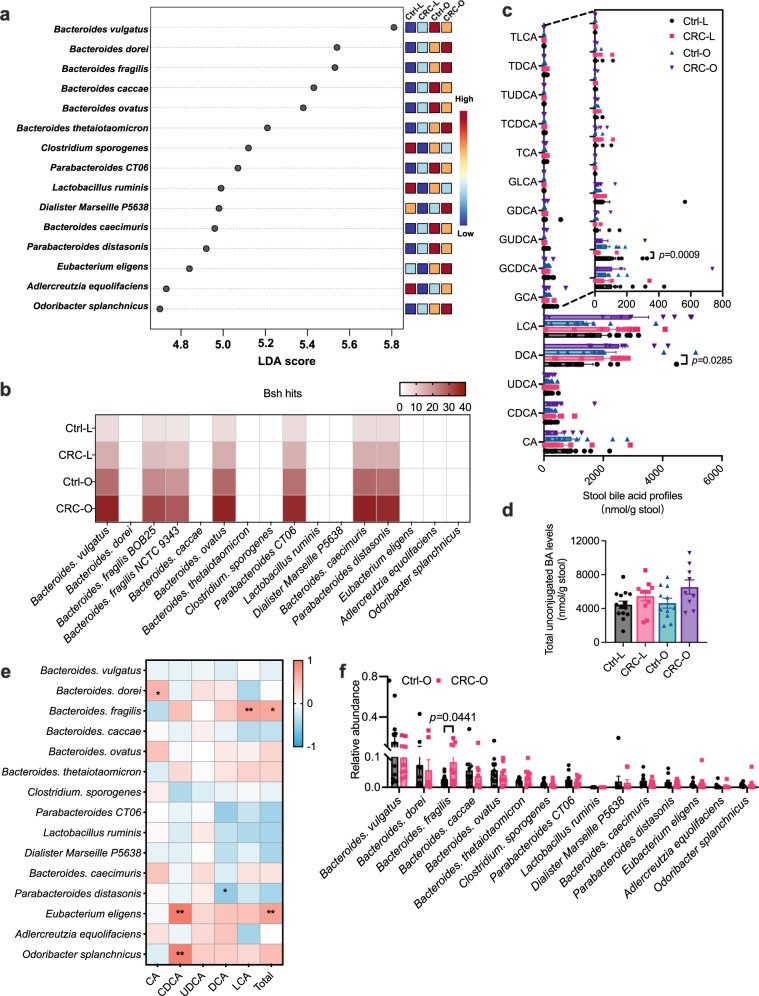
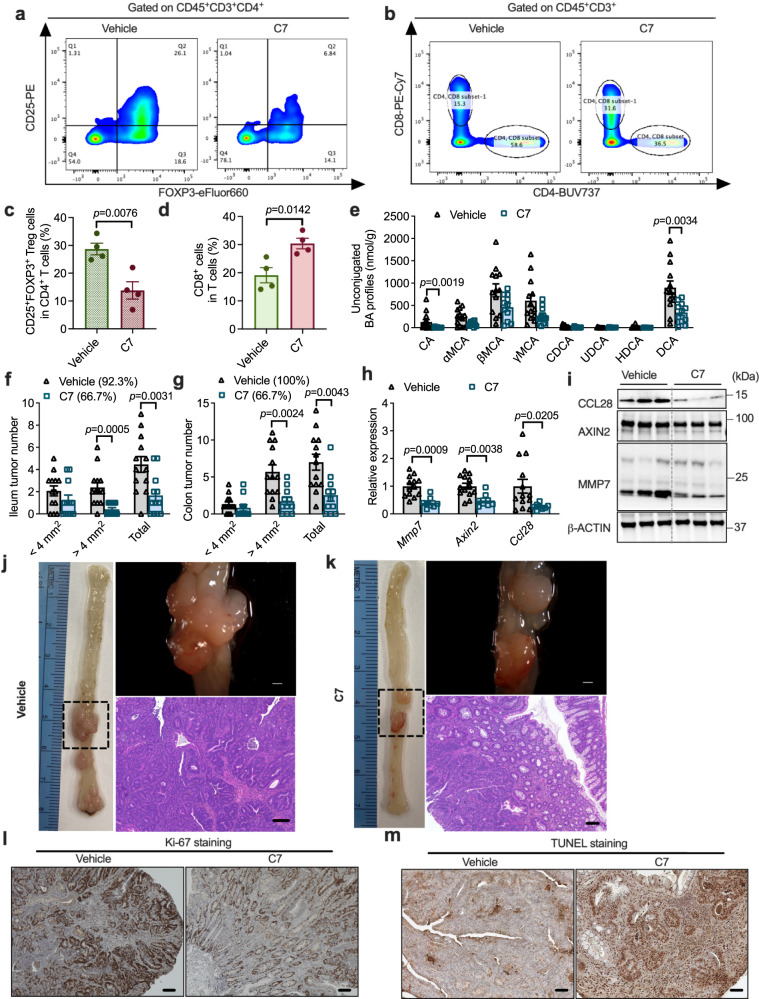
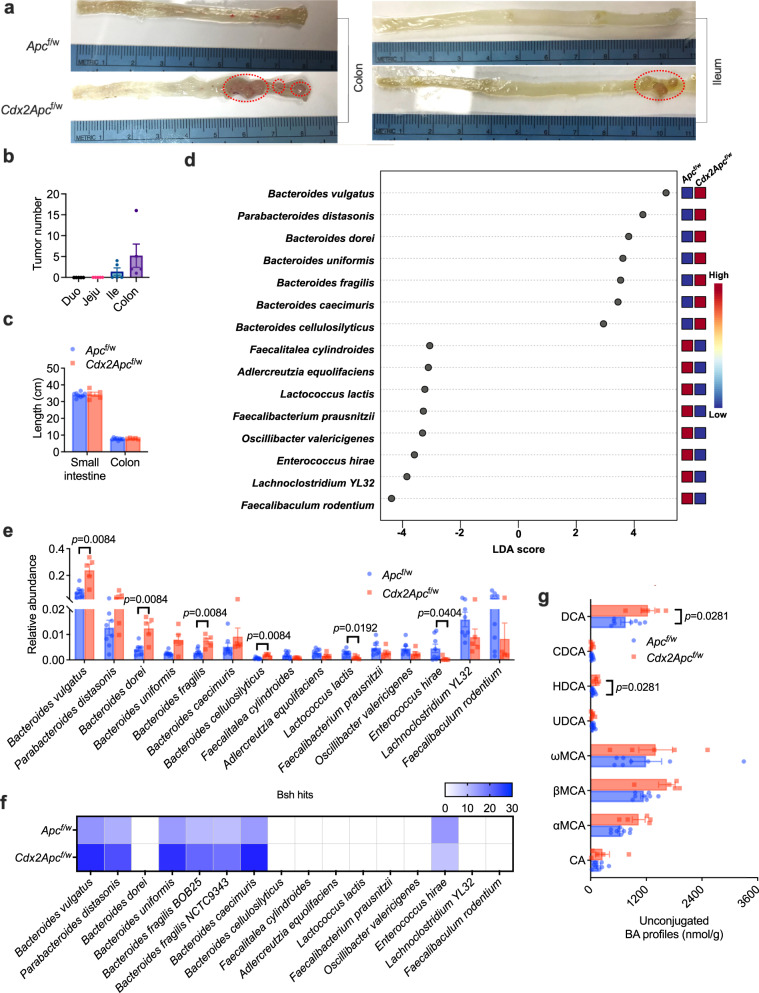
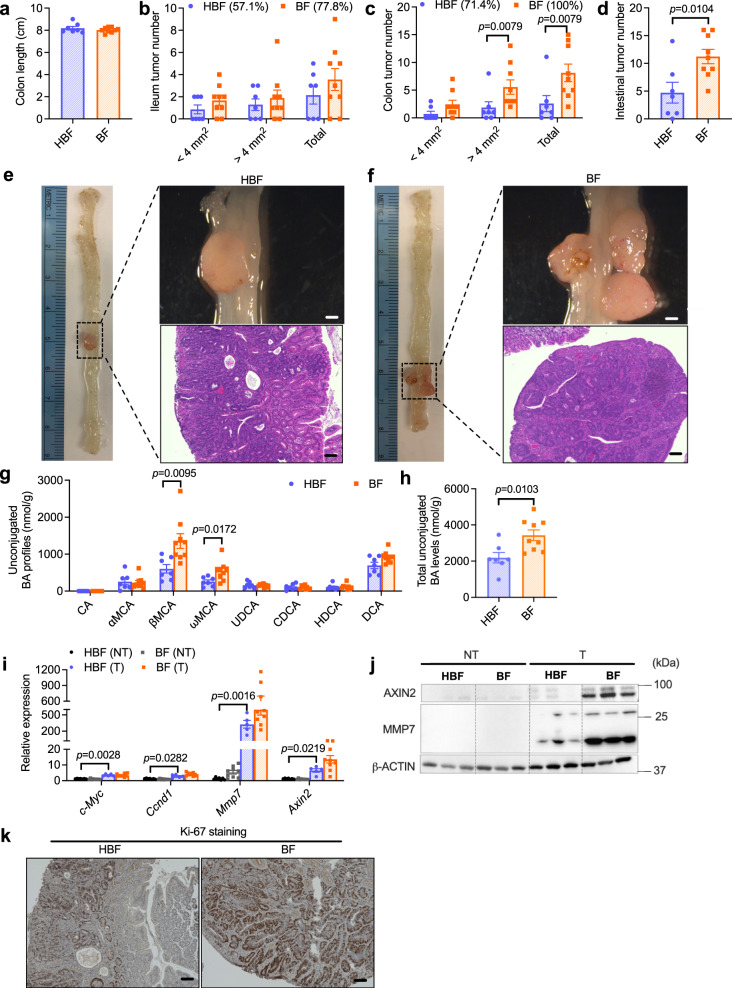
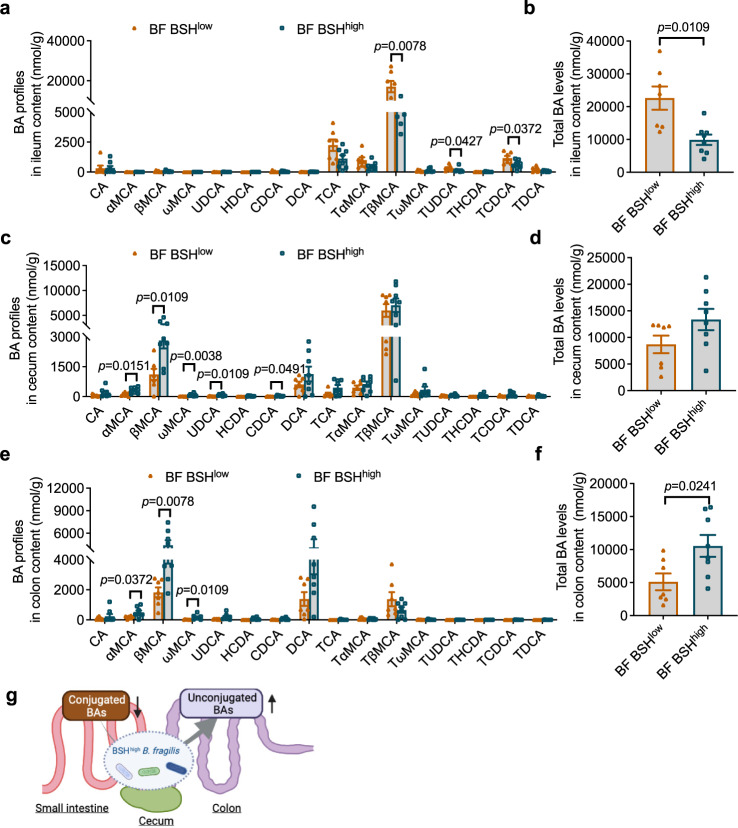
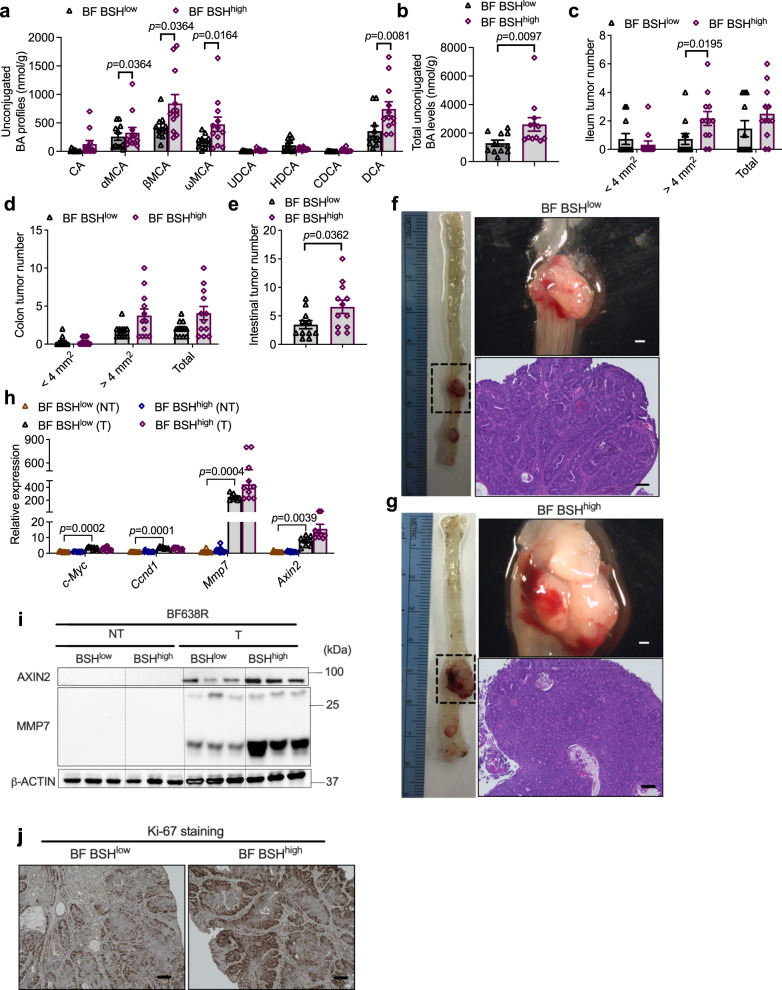
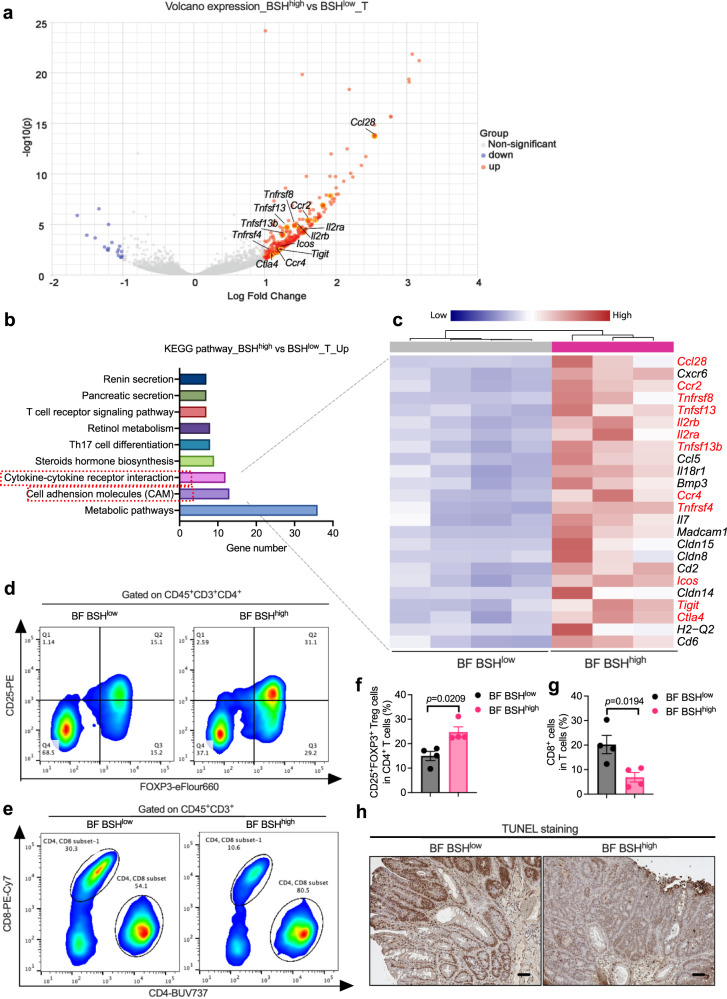
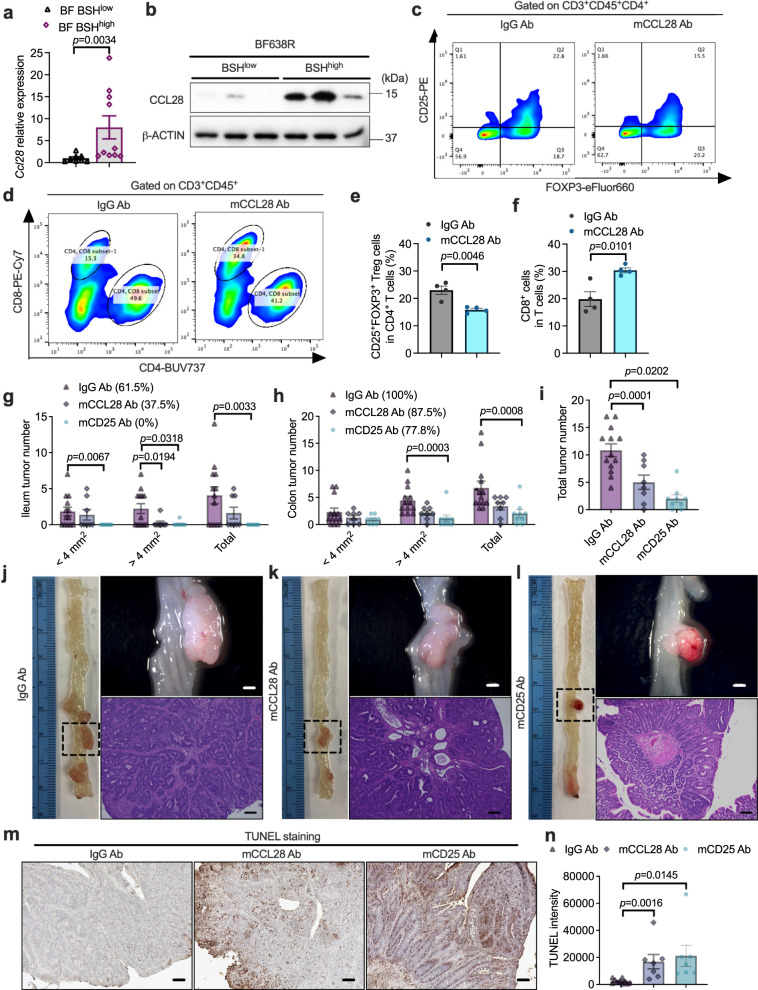
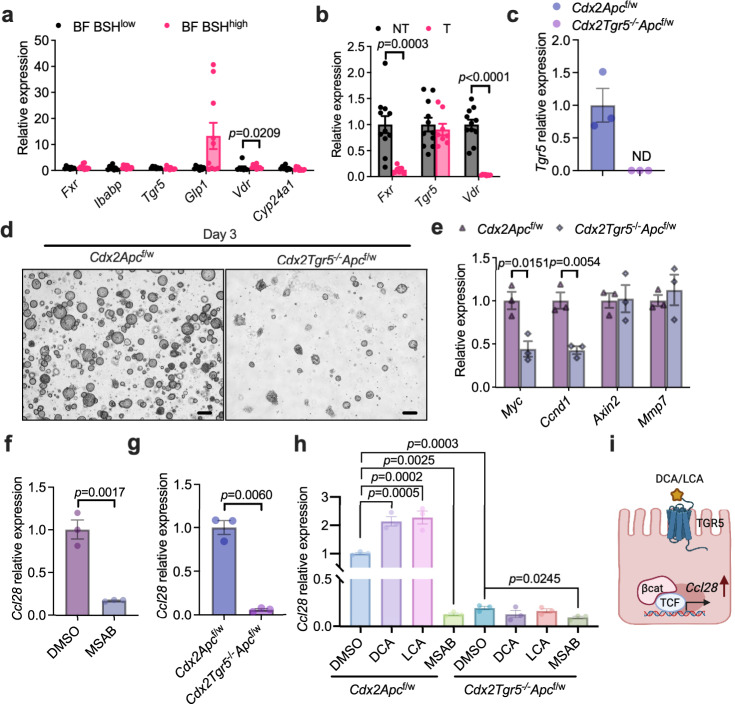
Bile salt hydrolase (BSH) in Bacteroides is considered a potential drug target for obesity-related metabolic diseases, but its involvement in colon tumorigenesis has not been explored. BSH-expressing Bacteroides is found at high abundance in the stools of colorectal cancer (CRC) patients with overweight and in the feces of a high-fat diet (HFD)-induced CRC mouse model. Colonization of B. fragilis 638R, a strain with low BSH activity, overexpressing a recombinant bsh gene from B. fragilis NCTC9343 strain, results in increased unconjugated bile acids in the colon and accelerated progression of CRC under HFD treatment. In the presence of high BSH activity, the resultant elevation of unconjugated deoxycholic acid and lithocholic acid activates the G-protein-coupled bile acid receptor, resulting in increased β-catenin-regulated chemokine (C-C motif) ligand 28 (CCL28) expression in colon tumors. Activation of the β-catenin/CCL28 axis leads to elevated intra-tumoral immunosuppressive CD25FOXP3 T cells. Blockade of the β-catenin/CCL28 axis releases the immunosuppression to enhance the intra-tumoral anti-tumor response, which decreases CRC progression under HFD treatment. Pharmacological inhibition of BSH reduces HFD-accelerated CRC progression, coincident with suppression of the β-catenin/CCL28 pathway. These findings provide insights into the pro-carcinogenetic role of Bacteroides in obesity-related CRC progression and characterize BSH as a potential target for CRC prevention and treatment.
胆汁盐水解酶(BSH)在拟杆菌中被认为是肥胖相关代谢疾病的潜在药物靶点,但它在结肠肿瘤发生中的作用尚未得到探索。超重的结直肠癌(CRC)患者粪便中和高脂肪饮食(HFD)诱导的 CRC 小鼠粪便中,富含表达 BSH 的拟杆菌。BSH 活性低的脆弱拟杆菌 638R 菌株过度表达源自脆弱拟杆菌 NCTC9343 菌株的重组 bsh 基因,导致结肠中未结合胆汁酸增加,并在 HFD 治疗下加速 CRC 的进展。在高 BSH 活性存在下,未结合脱氧胆酸和石胆酸的升高激活 G 蛋白偶联胆汁酸受体,导致结肠肿瘤中 β-连环蛋白调节趋化因子(C-C 基序)配体 28(CCL28)表达增加。β-连环蛋白/CCL28 轴的激活导致肿瘤内免疫抑制性 CD25FOXP3 T 细胞升高。β-连环蛋白/CCL28 轴的阻断释放免疫抑制作用,增强肿瘤内抗肿瘤反应,从而减少 HFD 治疗下 CRC 的进展。BSH 的药理抑制作用降低了 HFD 加速的 CRC 进展,同时抑制了 β-连环蛋白/CCL28 途径。这些发现为拟杆菌在肥胖相关 CRC 进展中的促癌发生作用提供了深入了解,并将 BSH 表征为 CRC 预防和治疗的潜在靶点。