Dasegowda Giridhar, Kalra Mannudeep K, Abi-Ghanem Alain S, Arru Chiara D, Bernardo Monica, Saba Luca, Segota Doris, Tabrizi Zhale, Viswamitra Sanjaya, Kaviani Parisa, Karout Lina, Dreyer Keith J
Department of Radiology, Massachusetts General Hospital and Harvard Medical School, Boston, MA 02114, USA.
Mass General Brigham Data Science Office (DSO), Boston, MA 02114, USA.
Diagnostics (Basel). 2023 Jan 23;13(3):412. doi: 10.3390/diagnostics13030412.
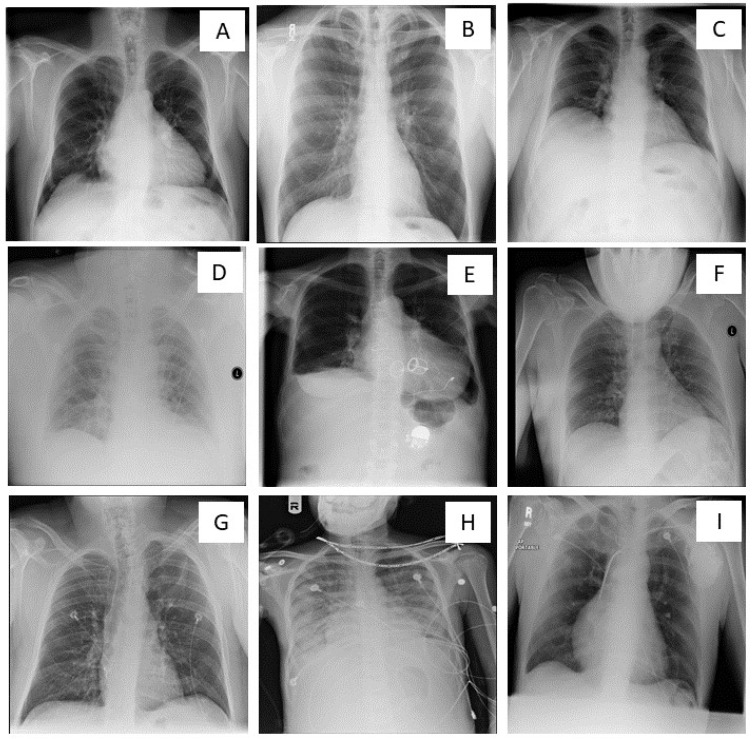
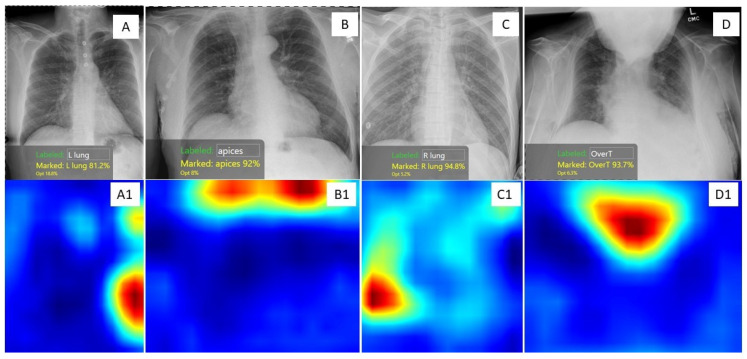
Chest radiographs (CXR) are the most performed imaging tests and rank high among the radiographic exams with suboptimal quality and high rejection rates. Suboptimal CXRs can cause delays in patient care and pitfalls in radiographic interpretation, given their ubiquitous use in the diagnosis and management of acute and chronic ailments. Suboptimal CXRs can also compound and lead to high inter-radiologist variations in CXR interpretation. While advances in radiography with transitions to computerized and digital radiography have reduced the prevalence of suboptimal exams, the problem persists. Advances in machine learning and artificial intelligence (AI), particularly in the radiographic acquisition, triage, and interpretation of CXRs, could offer a plausible solution for suboptimal CXRs. We review the literature on suboptimal CXRs and the potential use of AI to help reduce the prevalence of suboptimal CXRs.
胸部X光片(CXR)是最常进行的影像学检查,在质量欠佳且拒收率高的放射检查中排名靠前。鉴于其在急慢性疾病诊断和管理中的广泛应用,欠佳的胸部X光片会导致患者护理延迟和放射影像解读失误。欠佳的胸部X光片还会使问题复杂化,并导致放射科医生之间在胸部X光片解读上存在很大差异。虽然随着向计算机化和数字放射摄影的转变,放射摄影技术的进步降低了欠佳检查的发生率,但问题依然存在。机器学习和人工智能(AI)的进展,特别是在胸部X光片的放射影像采集、分流和解读方面,可能为欠佳的胸部X光片提供一个可行的解决方案。我们回顾了关于欠佳胸部X光片的文献以及人工智能在帮助降低欠佳胸部X光片发生率方面的潜在应用。