Chen Xinyue, Yu Wenlu, Zhang Jing, Fan Xiao, Liu Xiao, Liu Qi, Pan Su, Dixon Richard A F, Li Pengyang, Yu Peng, Shi Ao
The Second Clinical Medical College of Nanchang University, The Second Affiliated Hospital of Nanchang University, Nanchang, 330006, Jiangxi, China.
School of Ophthalmology and Optometry of Nanchang University, Nanchang, 330006, China.
J Biol Eng. 2023 Feb 16;17(1):13. doi: 10.1186/s13036-023-00330-2.
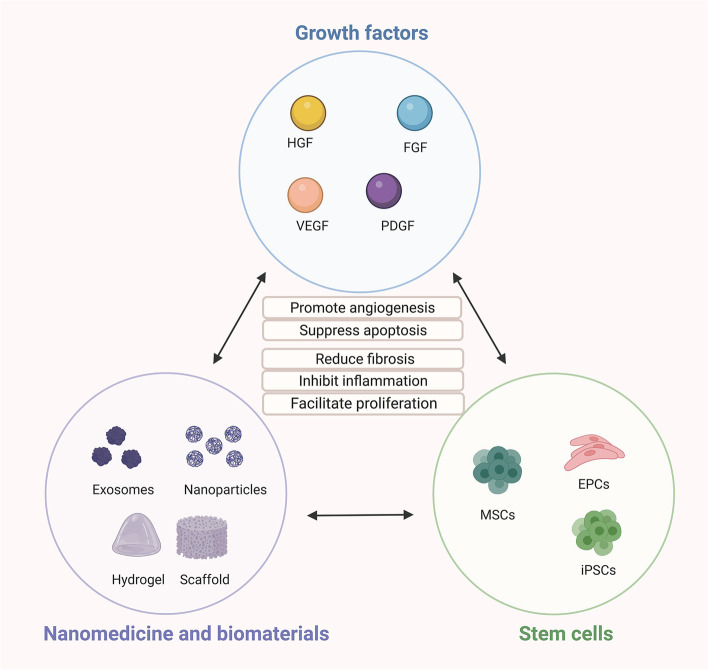
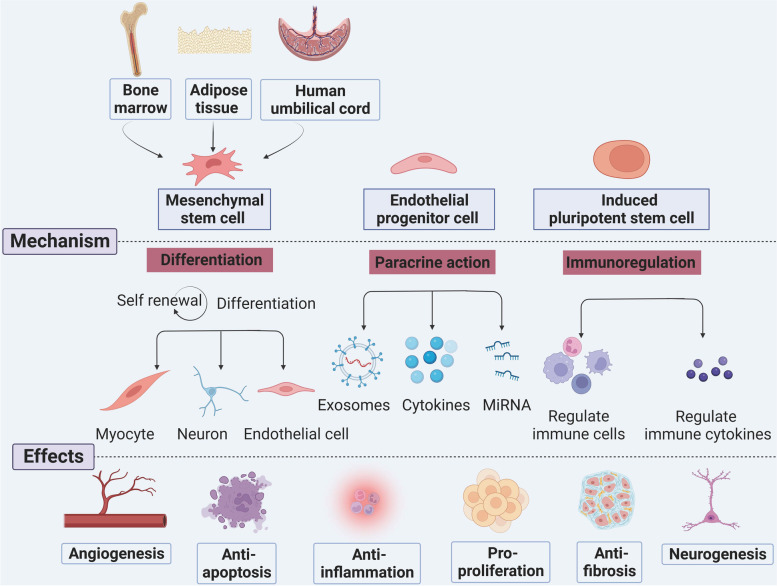
Ischemic vascular disease is a major healthcare problem. The keys to treatment lie in vascular regeneration and restoration of perfusion. However, current treatments cannot satisfy the need for vascular regeneration to restore blood circulation. As biomedical research has evolved rapidly, a variety of potential alternative therapeutics has been explored widely, such as growth factor-based therapy, cell-based therapy, and material-based therapy including nanomedicine and biomaterials. This review will comprehensively describe the main pathogenesis of vascular injury in ischemic vascular disease, the therapeutic function of the above three treatment strategies, the corresponding potential challenges, and future research directions.
缺血性血管疾病是一个重大的医疗保健问题。治疗的关键在于血管再生和灌注恢复。然而,目前的治疗方法无法满足血管再生以恢复血液循环的需求。随着生物医学研究的迅速发展,人们广泛探索了各种潜在的替代疗法,如基于生长因子的疗法、基于细胞的疗法以及包括纳米医学和生物材料在内的基于材料的疗法。本综述将全面描述缺血性血管疾病中血管损伤的主要发病机制、上述三种治疗策略的治疗作用、相应的潜在挑战以及未来的研究方向。