Agha Abdulrahman, Waheed Waqas, Stiharu Ion, Nerguizian Vahé, Destgeer Ghulam, Abu-Nada Eiyad, Alazzam Anas
Department of Mechanical Engineering, Khalifa University, Abu Dhabi, UAE.
System on Chip Center, Khalifa University, Abu Dhabi, UAE.
Discov Nano. 2023 Feb 17;18(1):18. doi: 10.1186/s11671-023-03792-x.
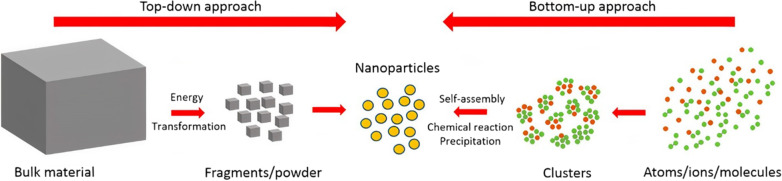
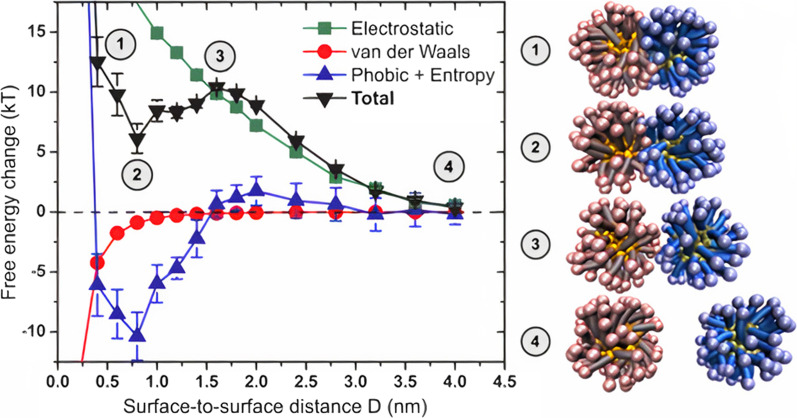
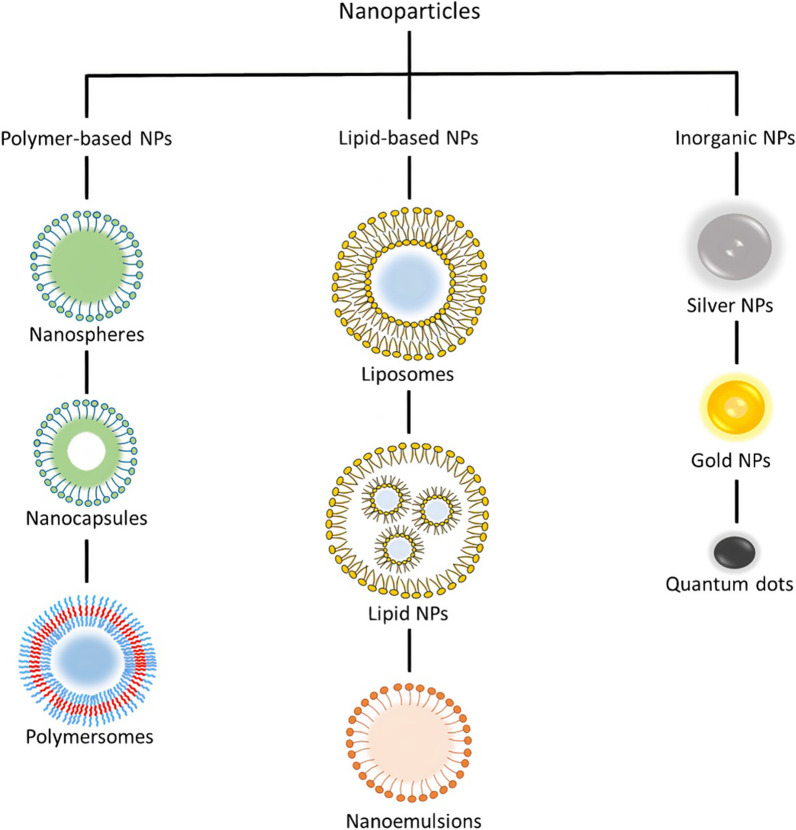
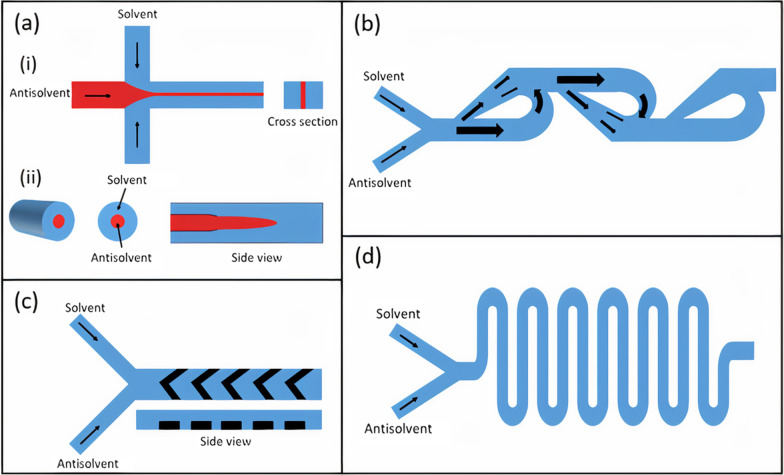
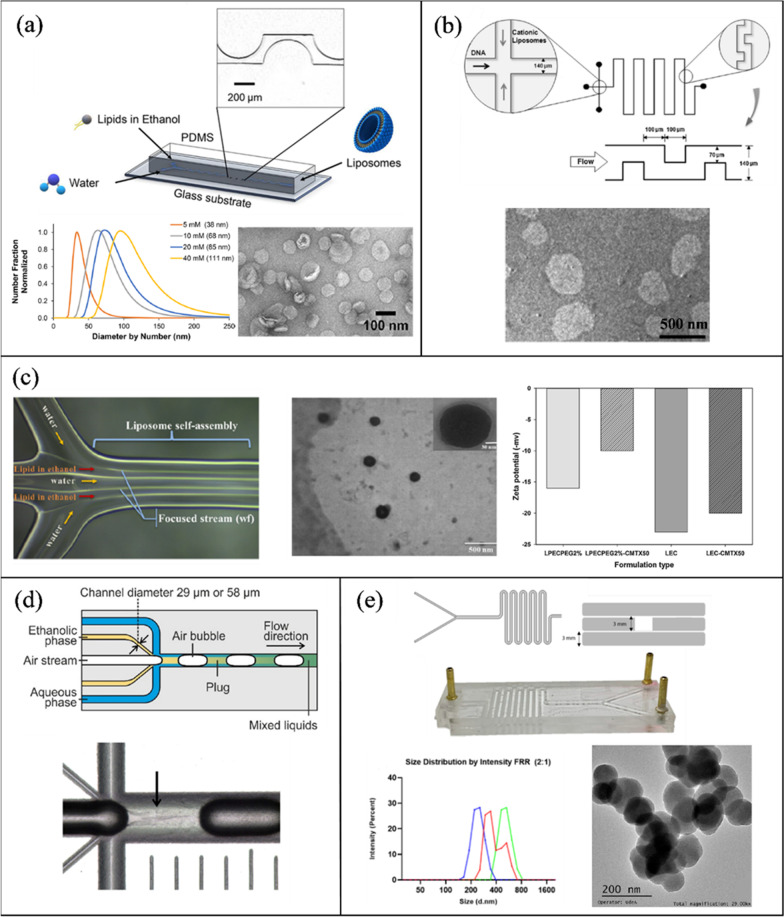
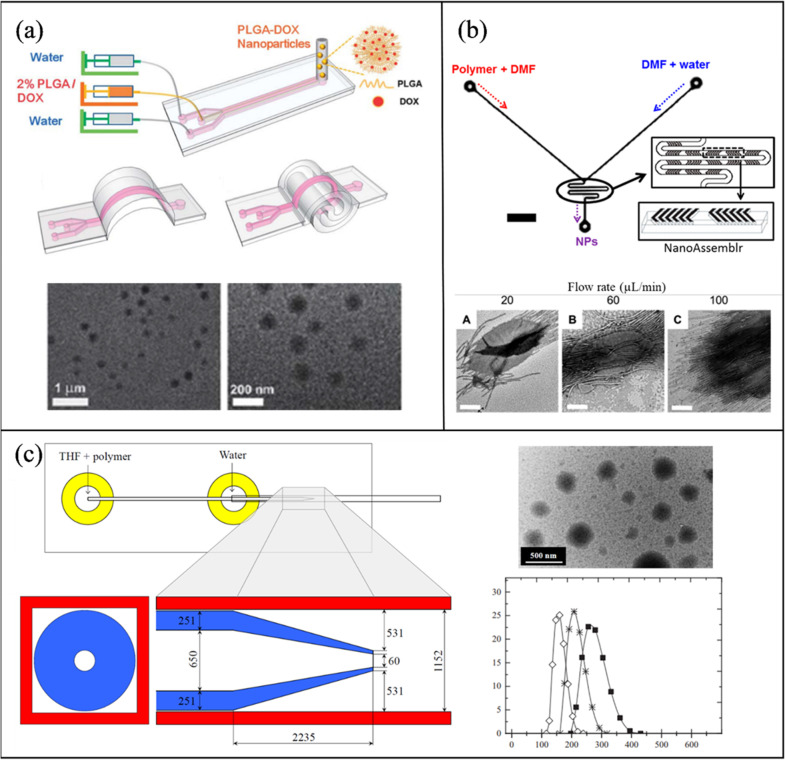
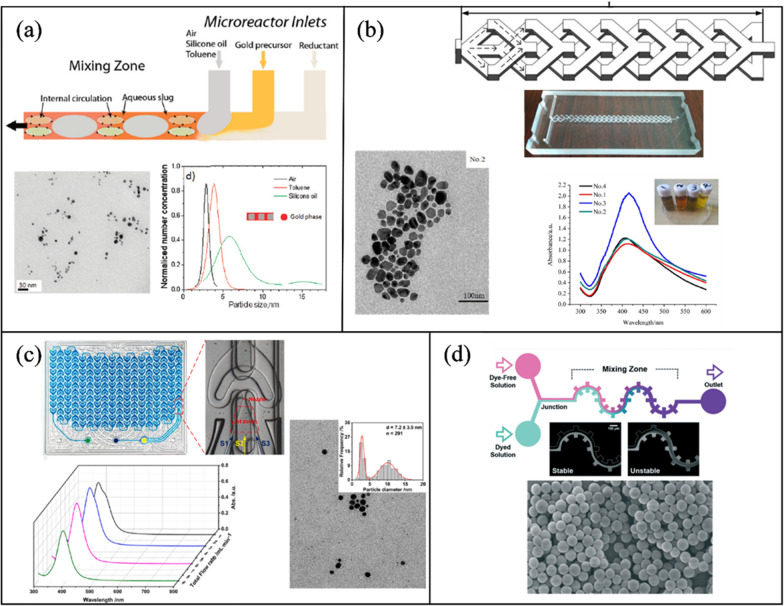
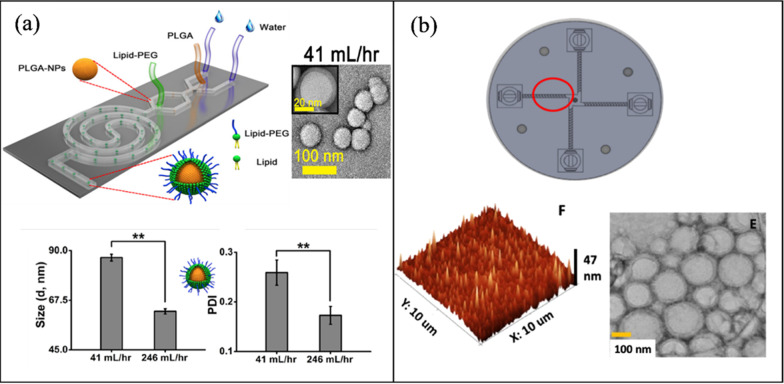
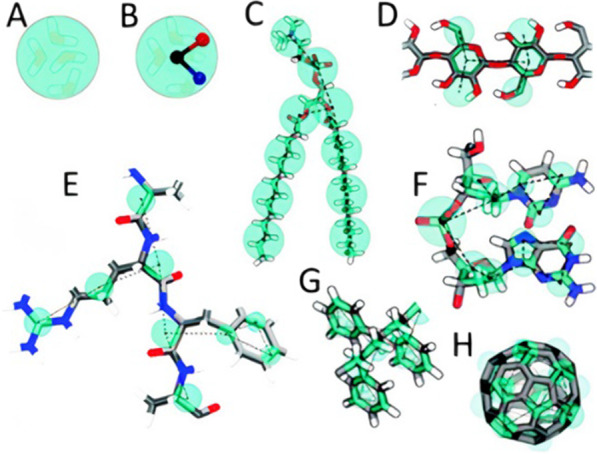
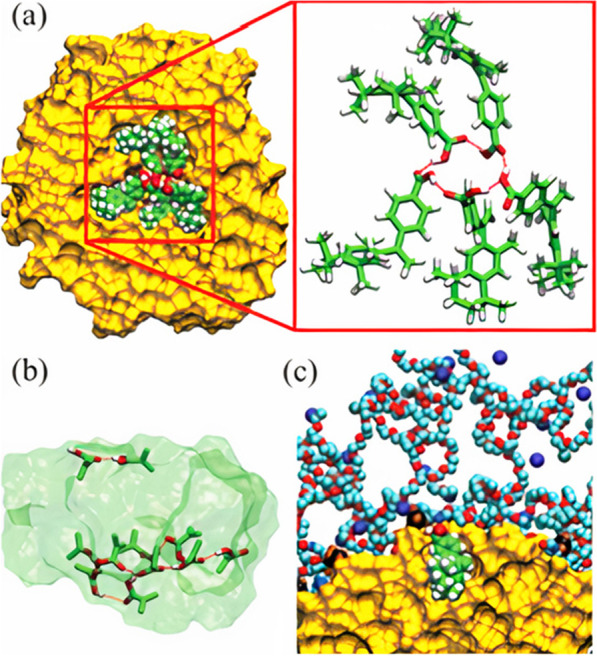
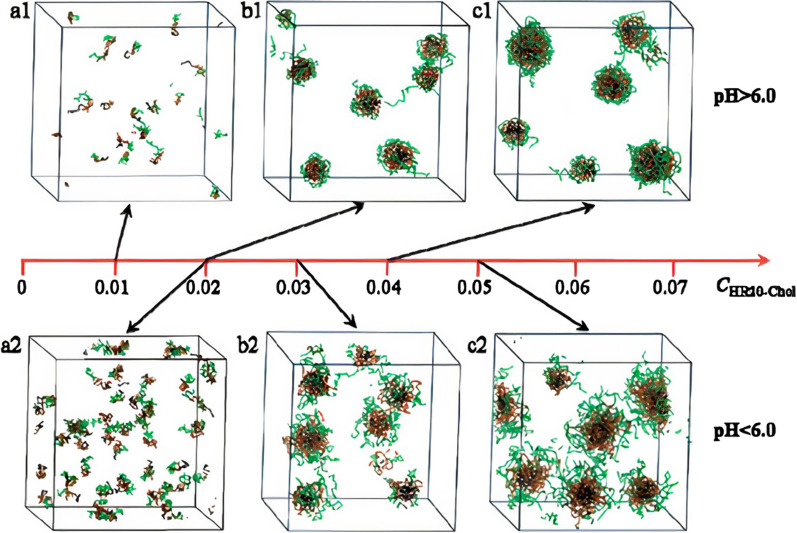
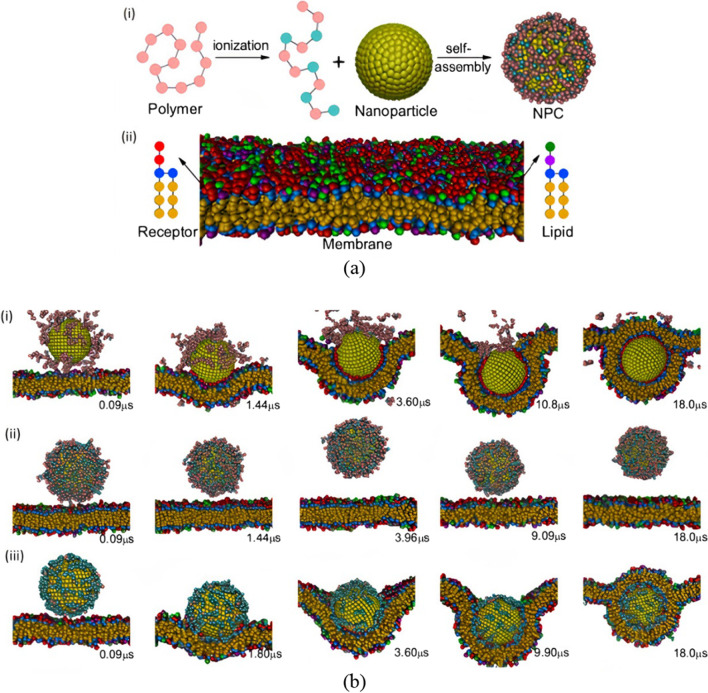
Recent years have witnessed an increased interest in the development of nanoparticles (NPs) owing to their potential use in a wide variety of biomedical applications, including drug delivery, imaging agents, gene therapy, and vaccines, where recently, lipid nanoparticle mRNA-based vaccines were developed to prevent SARS-CoV-2 causing COVID-19. NPs typically fall into two broad categories: organic and inorganic. Organic NPs mainly include lipid-based and polymer-based nanoparticles, such as liposomes, solid lipid nanoparticles, polymersomes, dendrimers, and polymer micelles. Gold and silver NPs, iron oxide NPs, quantum dots, and carbon and silica-based nanomaterials make up the bulk of the inorganic NPs. These NPs are prepared using a variety of top-down and bottom-up approaches. Microfluidics provide an attractive synthesis alternative and is advantageous compared to the conventional bulk methods. The microfluidic mixing-based production methods offer better control in achieving the desired size, morphology, shape, size distribution, and surface properties of the synthesized NPs. The technology also exhibits excellent process repeatability, fast handling, less sample usage, and yields greater encapsulation efficiencies. In this article, we provide a comprehensive review of the microfluidic-based passive and active mixing techniques for NP synthesis, and their latest developments. Additionally, a summary of microfluidic devices used for NP production is presented. Nonetheless, despite significant advancements in the experimental procedures, complete details of a nanoparticle-based system cannot be deduced from the experiments alone, and thus, multiscale computer simulations are utilized to perform systematic investigations. The work also details the most common multiscale simulation methods and their advancements in unveiling critical mechanisms involved in nanoparticle synthesis and the interaction of nanoparticles with other entities, especially in biomedical and therapeutic systems. Finally, an analysis is provided on the challenges in microfluidics related to nanoparticle synthesis and applications, and the future perspectives, such as large-scale NP synthesis, and hybrid formulations and devices.
近年来,由于纳米颗粒(NPs)在包括药物递送、成像剂、基因治疗和疫苗等多种生物医学应用中的潜在用途,人们对其开发的兴趣日益增加,其中最近开发了基于脂质纳米颗粒mRNA的疫苗来预防导致COVID-19的严重急性呼吸综合征冠状病毒2(SARS-CoV-2)。纳米颗粒通常分为两大类:有机和无机。有机纳米颗粒主要包括基于脂质和基于聚合物的纳米颗粒,如脂质体、固体脂质纳米颗粒、聚合物囊泡、树枝状大分子和聚合物胶束。金和银纳米颗粒、氧化铁纳米颗粒、量子点以及碳和硅基纳米材料构成了无机纳米颗粒的大部分。这些纳米颗粒使用各种自上而下和自下而上的方法制备。微流控提供了一种有吸引力的合成替代方法,与传统的批量方法相比具有优势。基于微流控混合的生产方法在实现合成纳米颗粒所需的尺寸、形态、形状、尺寸分布和表面性质方面提供了更好的控制。该技术还具有出色的工艺可重复性、快速处理、较少的样品使用量以及更高的包封效率。在本文中,我们全面综述了用于纳米颗粒合成的基于微流控的被动和主动混合技术及其最新进展。此外,还介绍了用于纳米颗粒生产的微流控装置的总结。尽管如此,尽管实验程序取得了重大进展,但仅从实验中无法推断出基于纳米颗粒系统的完整细节,因此,利用多尺度计算机模拟进行系统研究。这项工作还详细介绍了最常见的多尺度模拟方法及其在揭示纳米颗粒合成以及纳米颗粒与其他实体相互作用(特别是在生物医学和治疗系统中)所涉及的关键机制方面的进展。最后,分析了与纳米颗粒合成和应用相关的微流控挑战以及未来前景,如大规模纳米颗粒合成以及混合制剂和装置。