Department of Internal Medicine, Division of Rheumatology, Maastricht University Medical Centre+, Maastricht, The Netherlands
Care and Public Health Research Institute (CAPHRI), Maastricht University Faculty of Health Medicine and Life Sciences, Maastricht, The Netherlands.
BMJ Open. 2023 Feb 20;13(2):e067445. doi: 10.1136/bmjopen-2022-067445.
During the COVID-19 pandemic, an accelerated uptake of remote monitoring strategies, replacing traditional face-to-face care, has been observed. However, data on the effects of remote care interventions for patients with rheumatic and musculoskeletal diseases remain scarce and interpretation is hampered by study heterogeneity and research quality concerns. High-quality evidence is required to guide future implementation in clinical practice, with health economic analyses identified as an important knowledge gap. Randomised controlled trials (RCTs) comparing telemonitoring with conventional care for patients with spondyloarthritis (SpA) are currently lacking.
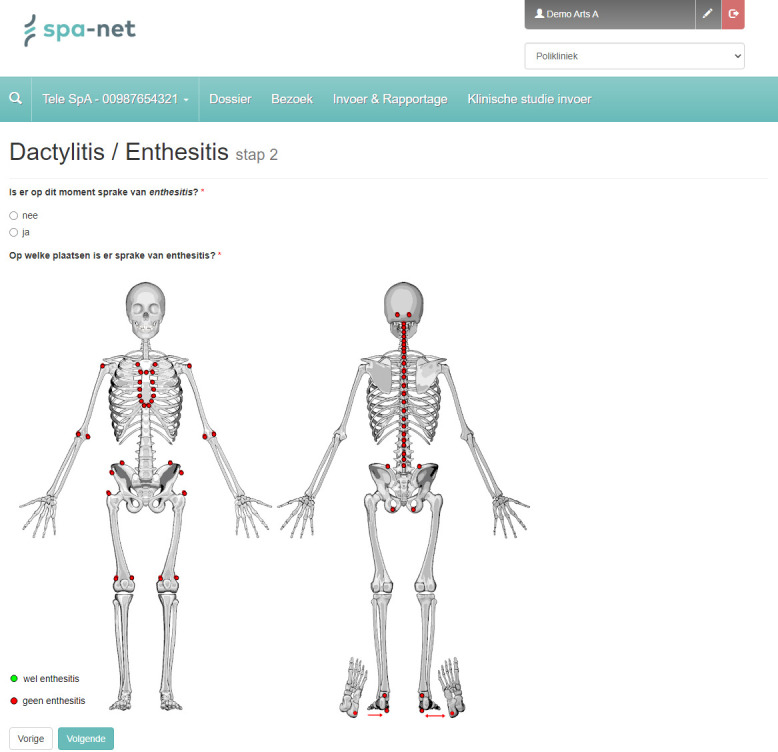
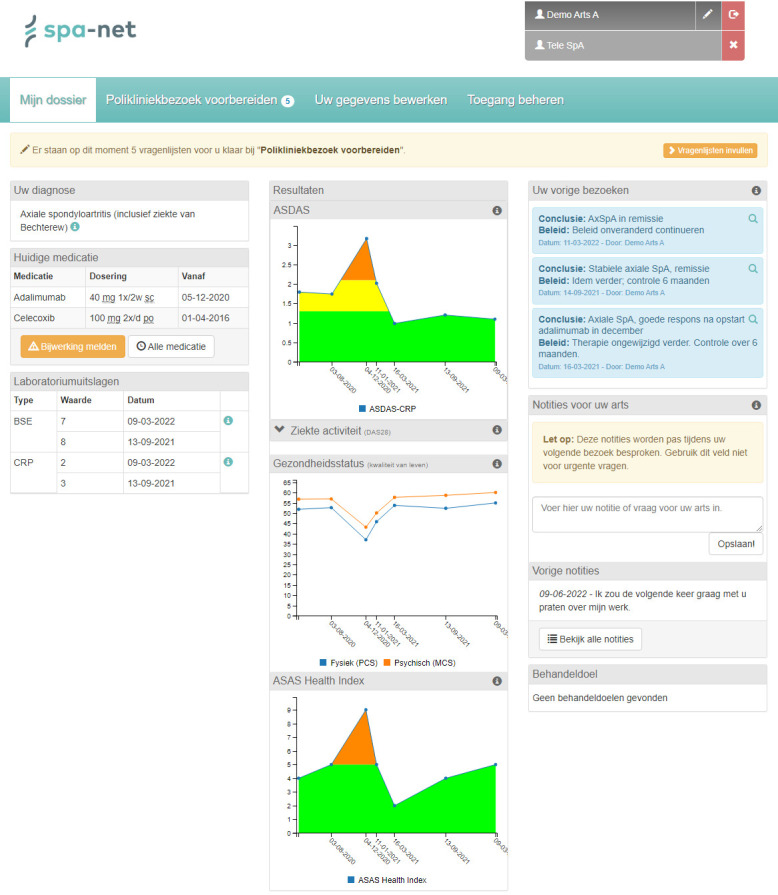
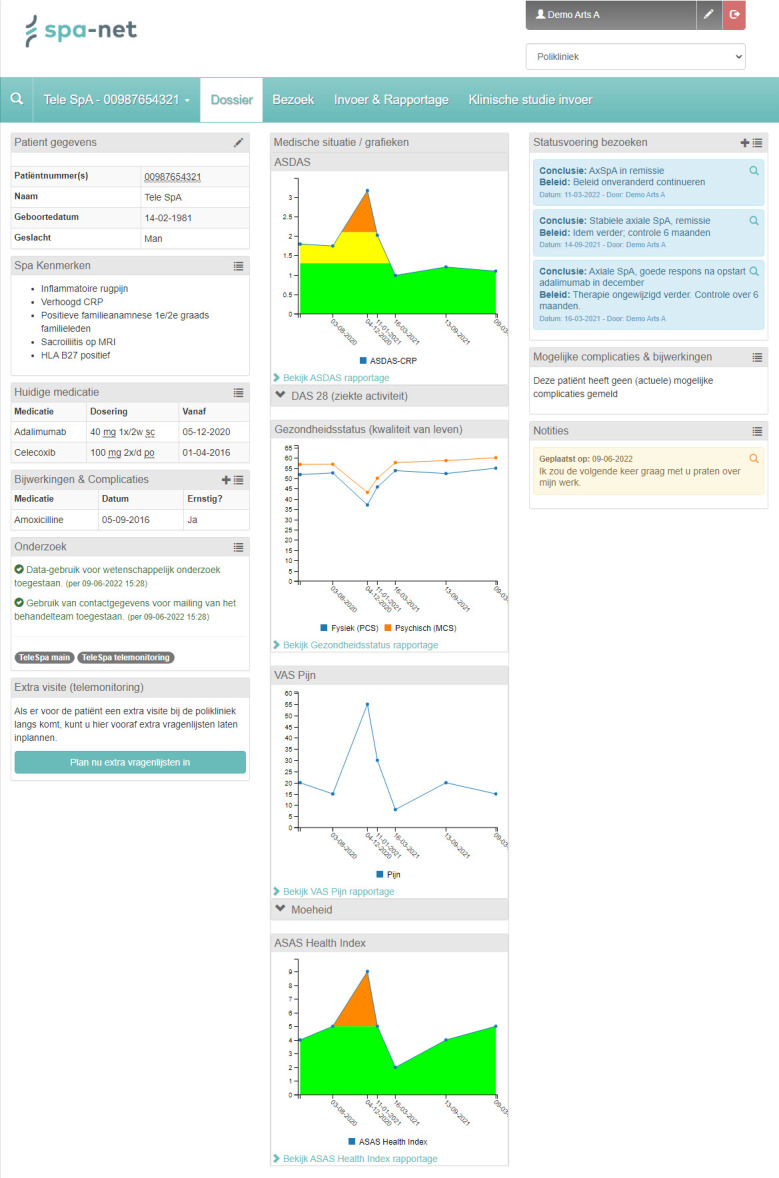
TeleSpA is a pragmatic, multicentre RCT investigating the effectiveness and cost-effectiveness of combined asynchronous telemonitoring and patient-initiated follow-up for patients with SpA, compared with conventional care. Two-hundred patients will be recruited at two hospitals and randomised (1:1) to the study intervention or standard care. The primary endpoint is a reduction in the number of follow-up visits by ≥25% in the intervention compared with standard care group, during a 1-year period. Secondary endpoints are (a) non-inferiority of the study intervention with regard to health outcomes, quality of care and patient-reported experience with care; and (b) cost-effectiveness of the intervention, evaluated through a prospective trial-based cost-utility analysis. In addition, experiences with the study intervention will be assessed among patients and healthcare providers, and factors associated with primary and secondary endpoints will be identified.
This study was approved by the Medical Research Ethics Committee of the Academic Hospital Maastricht/Maastricht University (NL71041.068.19/METC 19-059). Results will be disseminated through publications in peer-reviewed journals and conference presentations.
NCT04673825.
在 COVID-19 大流行期间,远程监测策略的采用速度加快,取代了传统的面对面护理。然而,关于远程护理干预对风湿和肌肉骨骼疾病患者的影响的数据仍然很少,研究异质性和研究质量问题阻碍了其解释。需要高质量的证据来指导未来在临床实践中的实施,健康经济学分析被确定为一个重要的知识空白。目前缺乏比较强直性脊柱炎(SpA)患者远程监测与常规护理的随机对照试验(RCT)。
TeleSpA 是一项实用的、多中心 RCT,旨在比较 SpA 患者联合异步远程监测和患者发起的随访与常规护理的效果和成本效益。将在两家医院招募 200 名患者,并按 1:1 随机分配到研究干预组或标准护理组。主要终点是在 1 年期间,干预组与标准护理组相比,随访次数减少≥25%。次要终点是:(a)研究干预在健康结果、护理质量和患者对护理体验方面不劣于标准护理;(b)通过前瞻性基于试验的成本效益分析评估干预的成本效益。此外,还将评估患者和医疗保健提供者对研究干预的体验,确定与主要和次要终点相关的因素。
这项研究得到了马斯特里赫特学术医院/马斯特里赫特大学医学研究伦理委员会的批准(NL71041.068.19/METC 19-059)。结果将通过在同行评议期刊上发表文章和会议报告来传播。
NCT04673825。