Xie Jiaxiang, Xie Leijie, Wei Huixian, Li Xiao-Jiang, Lin Li
Guangdong Key Laboratory of Non-Human Primate Research, Guangdong-Hongkong-Macau Institute of CNS Regeneration, Jinan University, Guangzhou 510632, China.
Biology (Basel). 2023 Jan 18;12(2):152. doi: 10.3390/biology12020152.
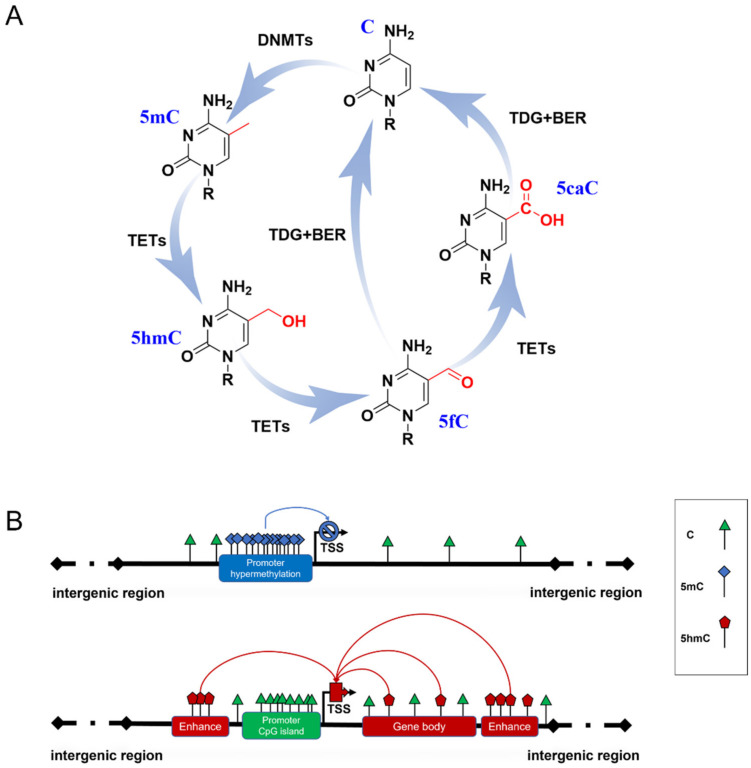
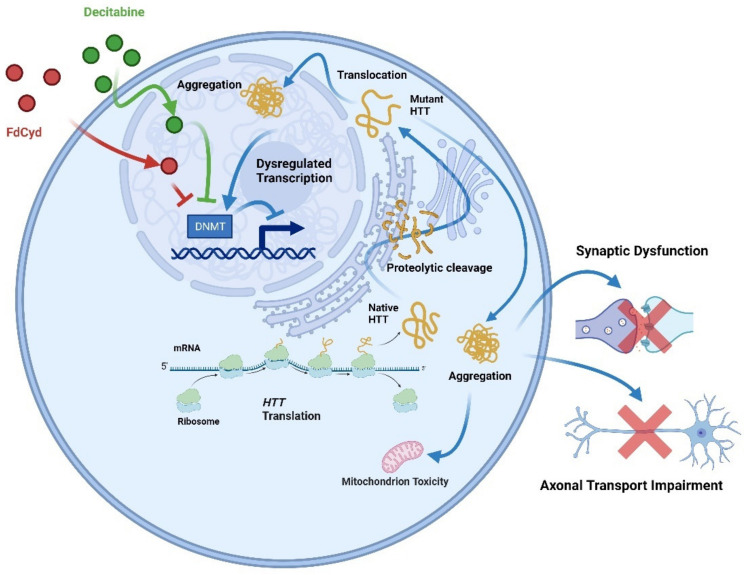
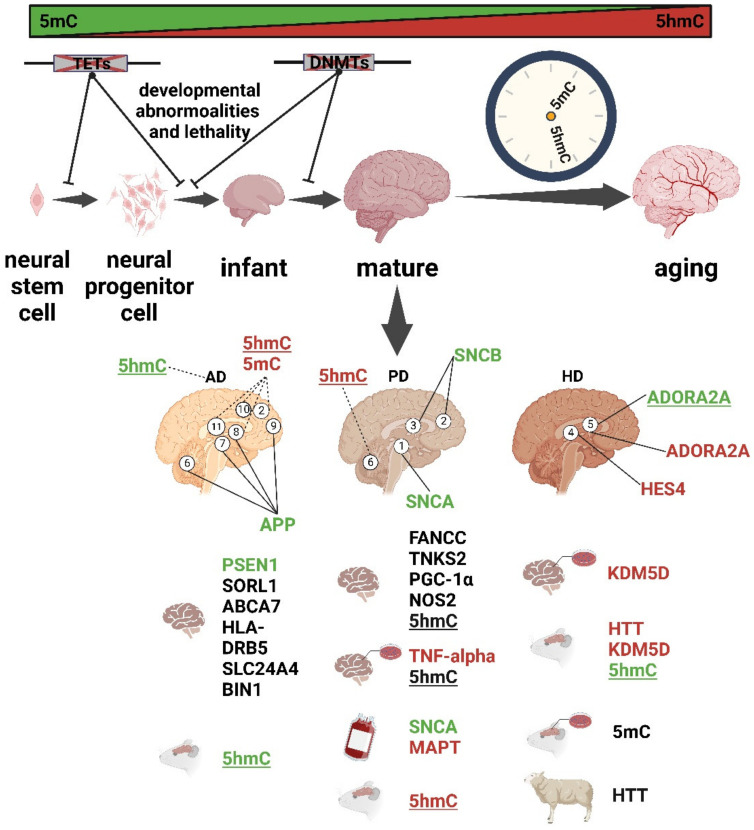
DNA cytosine methylation is a principal epigenetic mechanism underlying transcription during development and aging. Growing evidence suggests that DNA methylation plays a critical role in brain function, including neurogenesis, neuronal differentiation, synaptogenesis, learning, and memory. However, the mechanisms underlying aberrant DNA methylation in neurodegenerative diseases remain unclear. In this review, we provide an overview of the contribution of 5-methycytosine (5mC) and 5-hydroxylcytosine (5hmC) to brain development and aging, with a focus on the roles of dynamic 5mC and 5hmC changes in the pathogenesis of neurodegenerative diseases, particularly Alzheimer's disease (AD), Parkinson's disease (PD), and Huntington's disease (HD). Identification of aberrant DNA methylation sites could provide potential candidates for epigenetic-based diagnostic and therapeutic strategies for neurodegenerative diseases.
DNA胞嘧啶甲基化是发育和衰老过程中转录的主要表观遗传机制。越来越多的证据表明,DNA甲基化在脑功能中起关键作用,包括神经发生、神经元分化、突触形成、学习和记忆。然而,神经退行性疾病中异常DNA甲基化的潜在机制仍不清楚。在这篇综述中,我们概述了5-甲基胞嘧啶(5mC)和5-羟甲基胞嘧啶(5hmC)对脑发育和衰老的作用,重点关注动态5mC和5hmC变化在神经退行性疾病,特别是阿尔茨海默病(AD)、帕金森病(PD)和亨廷顿病(HD)发病机制中的作用。识别异常DNA甲基化位点可为基于表观遗传学的神经退行性疾病诊断和治疗策略提供潜在的候选靶点。