Thu May S, Ondee Thunnicha, Nopsopon Tanawin, Farzana Izzati A K, Fothergill Joanne L, Hirankarn Nattiya, Campbell Barry J, Pongpirul Krit
Center of Excellence in Immunology and Immune-Mediated Diseases, Department of Microbiology, Faculty of Medicine, Chulalongkorn University, Bangkok 10330, Thailand.
Department of Infection Biology & Microbiomes, Institute of Infection, Veterinary and Ecological Sciences, University of Liverpool, Liverpool L69 3GE, UK.
Biology (Basel). 2023 Feb 9;12(2):280. doi: 10.3390/biology12020280.
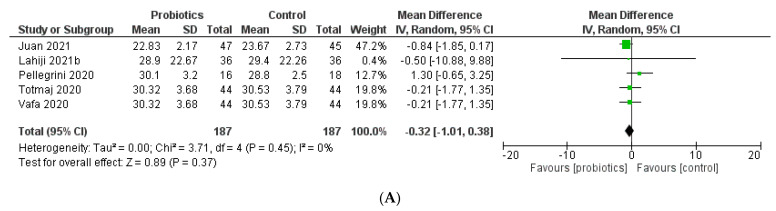
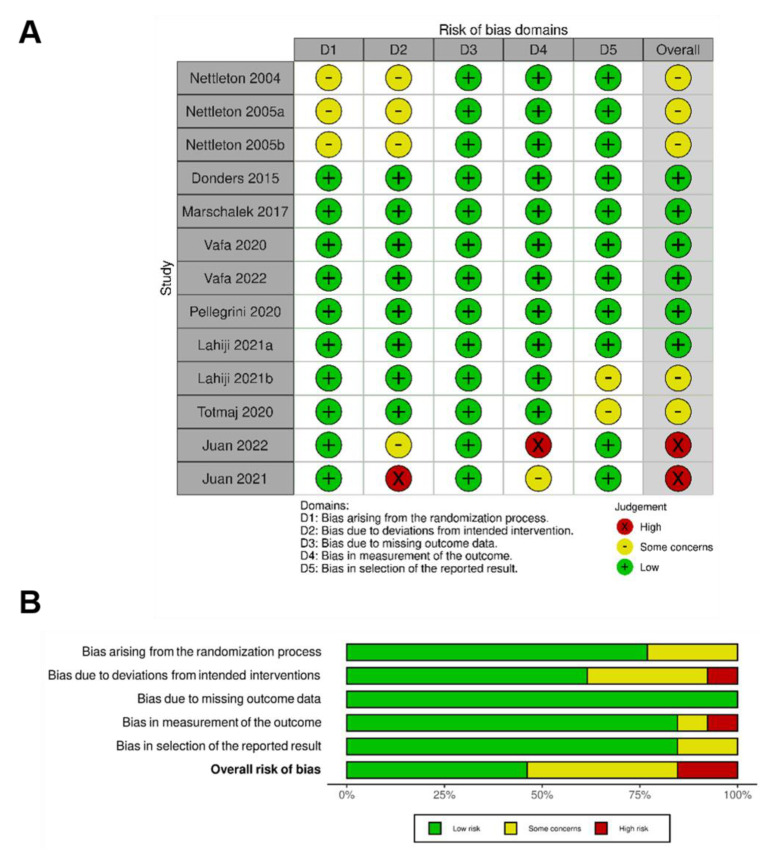
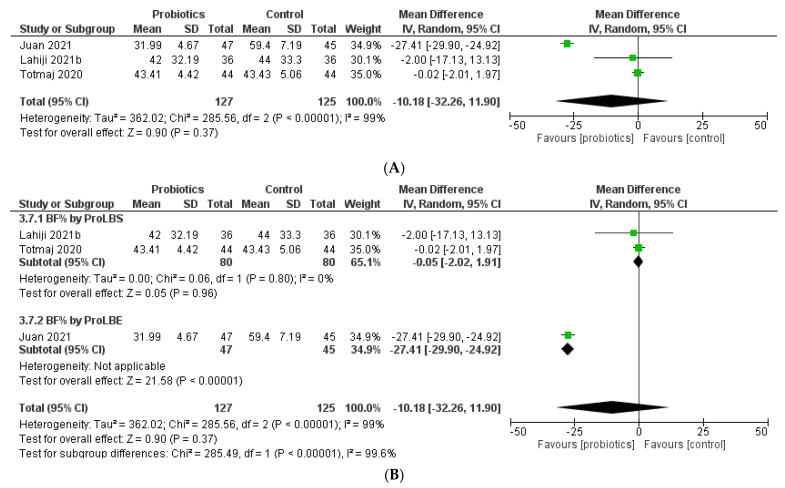
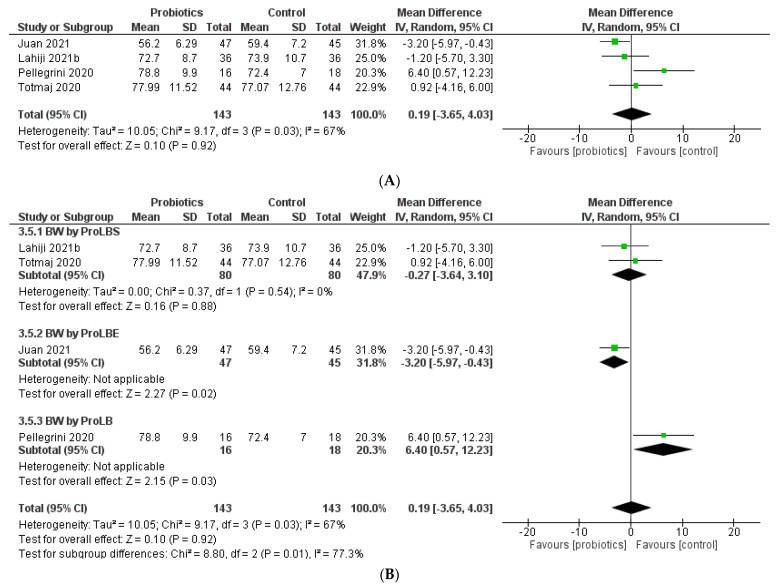
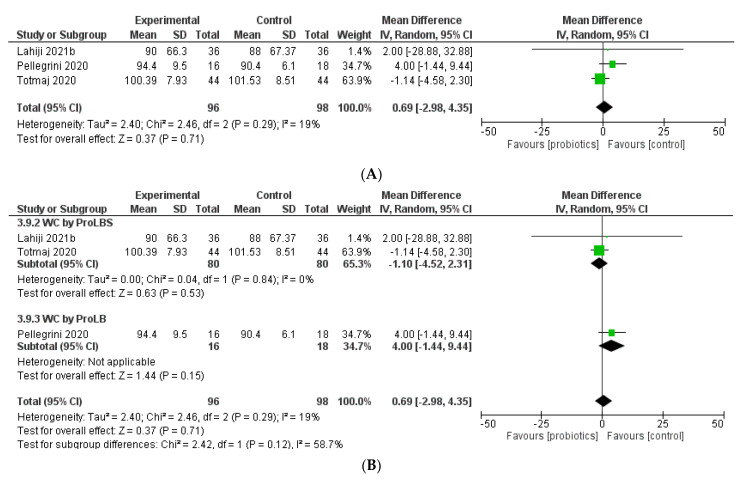
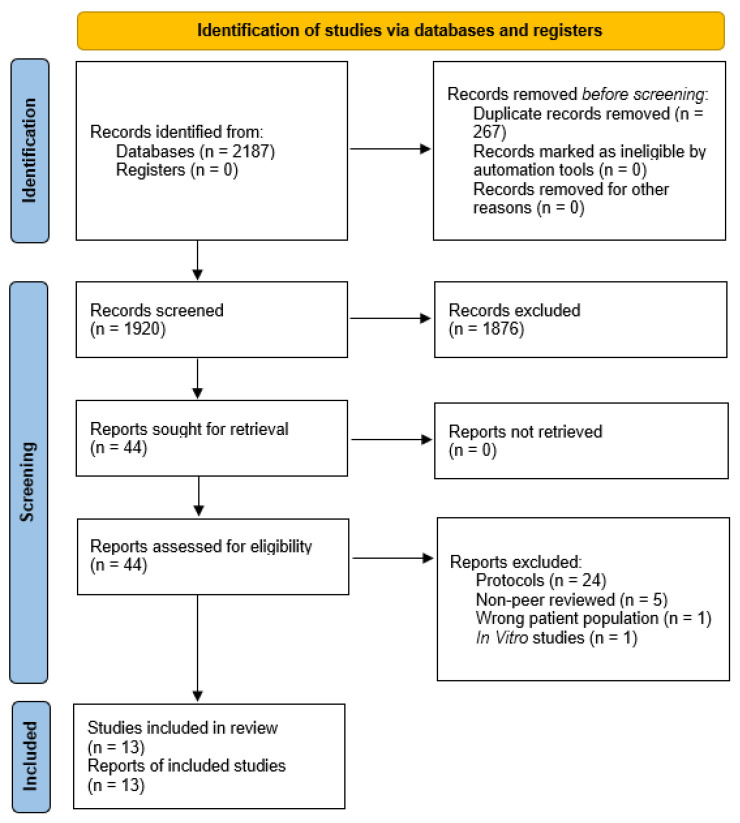
Probiotics may have the potential to protect against breast cancer, partly through systemic immunomodulatory action and active impact upon intestinal microbiota. Given a few clinical studies on their curative role, we conducted a systematic review of the potential effects of probiotics in breast cancer patients and survivors of breast cancer, aiming to support further clinical studies. A literature search was performed using PubMed, Embase, and the CENTRAL databases from inception through to March 2022. A total of eight randomized clinical trials were identified from thirteen articles published between 2004 and 2022. We evaluated quality-of-life measures, observed bacterial species and diversity indices, probiotic-related metabolites, inflammatory biomarkers, and other responses in breast cancer patients and survivors. Results were synthesized qualitatively and quantitatively using random-effects meta-analysis. Different probiotics supplements utilized included species alone (Lacto), with or without estriol; probiotic combinations of with (ProLB), with or without prebiotic fructooligosaccharides (FOS); ProLB plus and FOS (ProLBS + FOS); and ProLB plus (ProLBE). We found that use of ProLBS with FOS in breast cancer patients and use of ProLBE in survivors of breast cancer show potential benefits in countering obesity and dyslipidemia. ProLBS with FOS use decreases pro-inflammatory TNF-α in breast cancer survivors and improves quality of life in those with breast-cancer-associated lymphedema. Supplementing probiotics capsules (10 CFU) with a prebiotic and using an intake duration of 10 weeks could provide a better approach than probiotics alone.
益生菌可能具有预防乳腺癌的潜力,部分原因是其具有全身免疫调节作用以及对肠道微生物群的积极影响。鉴于关于其治疗作用的临床研究较少,我们对益生菌在乳腺癌患者和乳腺癌幸存者中的潜在影响进行了系统综述,旨在支持进一步的临床研究。使用PubMed、Embase和CENTRAL数据库从建库至2022年3月进行了文献检索。从2004年至2022年发表的13篇文章中总共确定了8项随机临床试验。我们评估了乳腺癌患者和幸存者的生活质量指标、观察到的细菌种类和多样性指数、益生菌相关代谢物、炎症生物标志物以及其他反应。使用随机效应荟萃分析对结果进行了定性和定量综合。所使用的不同益生菌补充剂包括单独的菌种(乳酸杆菌),含或不含雌三醇;嗜酸乳杆菌与双歧杆菌的益生菌组合(ProLB),含或不含益生元低聚果糖(FOS);ProLB加嗜酸乳杆菌和FOS(ProLBS + FOS);以及ProLB加嗜酸乳杆菌(ProLBE)。我们发现,在乳腺癌患者中使用ProLBS加FOS以及在乳腺癌幸存者中使用ProLBE在对抗肥胖和血脂异常方面显示出潜在益处。使用ProLBS加FOS可降低乳腺癌幸存者体内促炎的肿瘤坏死因子-α,并改善患有乳腺癌相关淋巴水肿者的生活质量。补充含有益生元的益生菌胶囊(10CFU)并采用10周的摄入期可能比单独使用益生菌提供更好的方法。