Hernandes Elisa Parcero, Lazarin-Bidóia Danielle, Bini Raquel Dosciatti, Nakamura Celso Vataru, Cótica Luiz Fernando, de Oliveira Silva Lautenschlager Sueli
Post-Graduate Program in Pharmaceutical Sciences, Universidade Estadual de Maringá, Maringá 87020-900, Paraná, Brazil.
Post-Graduate Program in Physics, Universidade Estadual de Maringá, Maringá 87020-900, Paraná, Brazil.
Antioxidants (Basel). 2023 Jan 20;12(2):237. doi: 10.3390/antiox12020237.
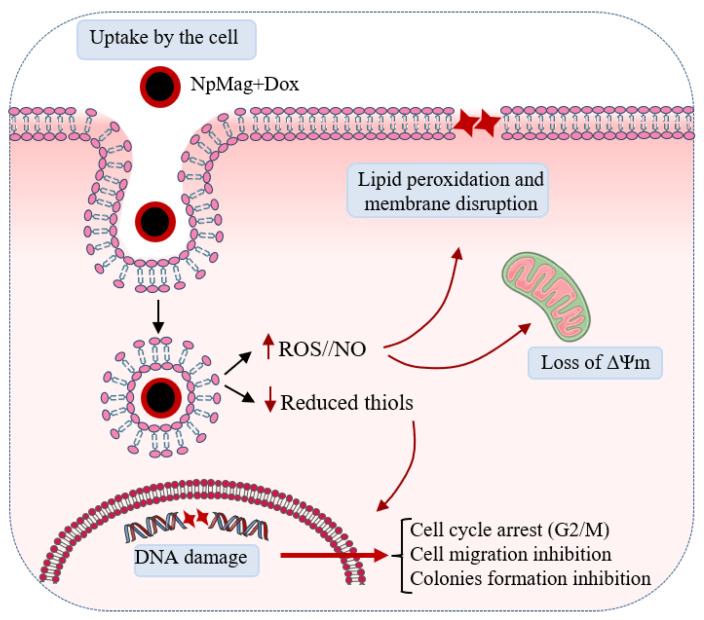
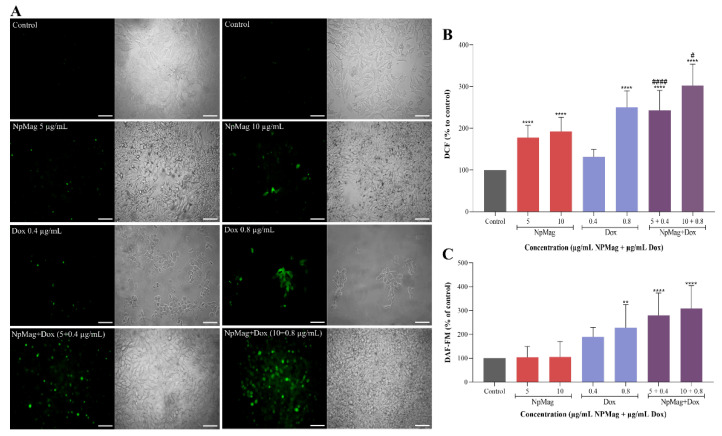
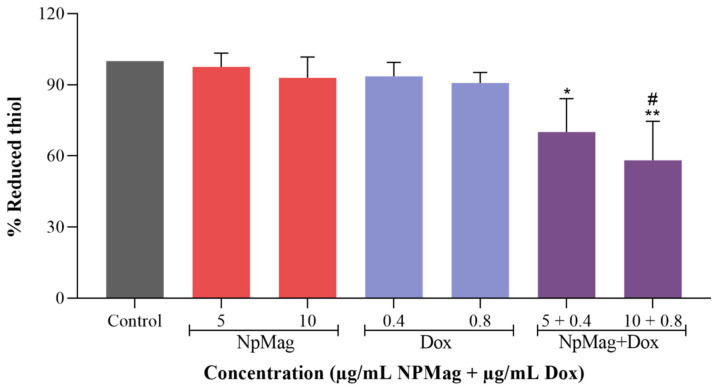
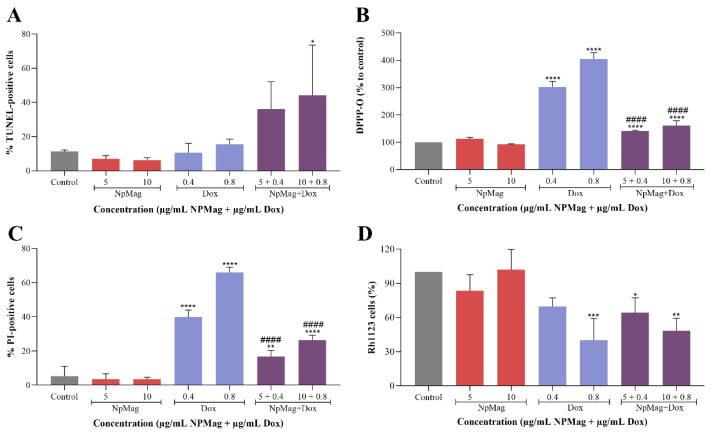
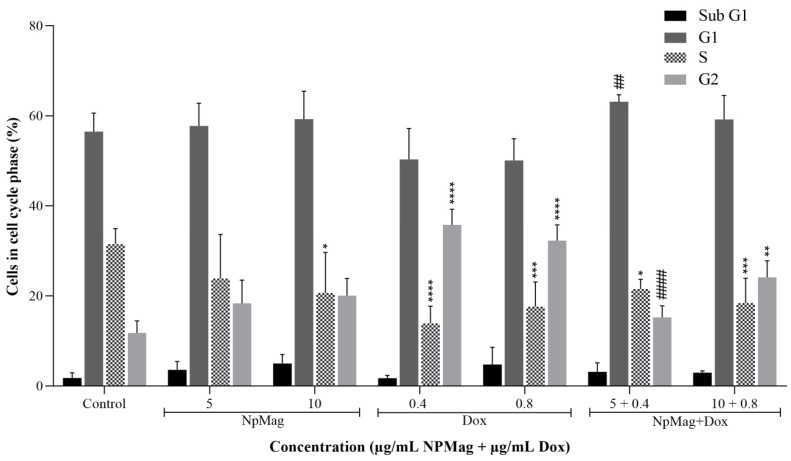
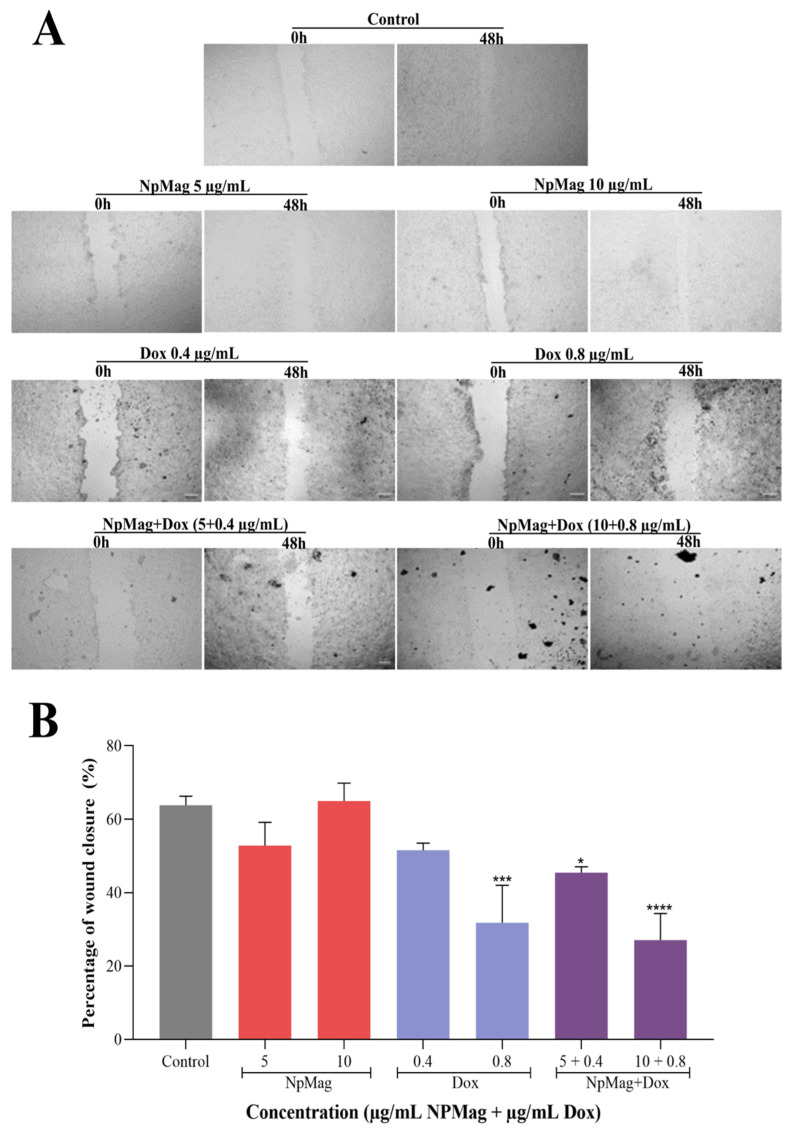
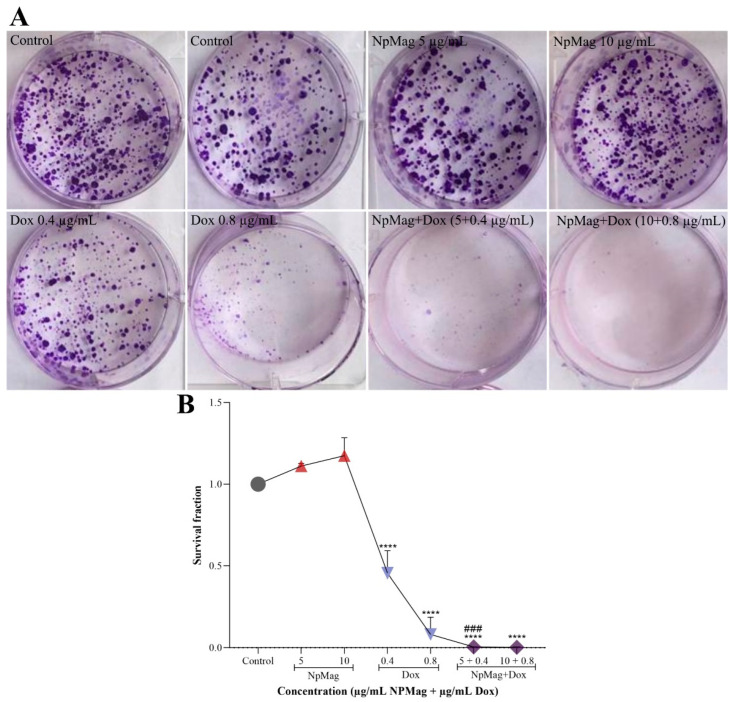
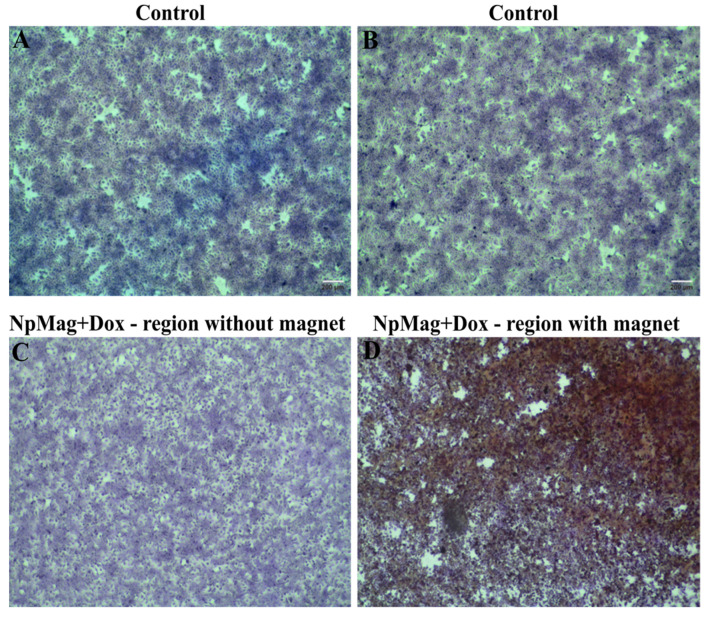
Cancer is one of the most common diseases nowadays and derives from the uncontrollable growth of a single cell. Magnetic nanoparticles (NpMag) offer various possibilities for use in the biomedical area, including drug delivery mediated by magnetic fields. In the current study, we evaluated the in vitro effects of iron-oxide magnetic nanoparticles conjugated with the antitumor drug doxorubicin (Dox) on human breast cancer cells. Our results revealed that magnetic nanoparticles with Dox (NpMag+Dox) induce cellular redox imbalance in MCF-7 cells. We also demonstrate that iron-oxide nanoparticles functionalized with Dox induce oxidative stress evidenced by DNA damage, lipid peroxidation, cell membrane disruption, and loss of mitochondria potential. As a result, NpMag+Dox drives MCF-7 cells to stop the cell cycle and decrease cell migration. The association of NpMg+Dox induced a better delivery of Dox to MCF cells, mainly in the presence of a magnetic field, increasing the death of MCF cells which might reduce the toxicity for healthy cells providing a better efficacy for the treatment. Thus, iron-oxide nanoparticles and doxorubicin conjugated may be candidate for anticancer therapy.
癌症是当今最常见的疾病之一,源于单个细胞的失控生长。磁性纳米颗粒(NpMag)在生物医学领域有多种应用可能性,包括磁场介导的药物递送。在本研究中,我们评估了与抗肿瘤药物阿霉素(Dox)偶联的氧化铁磁性纳米颗粒对人乳腺癌细胞的体外作用。我们的结果显示,载有阿霉素的磁性纳米颗粒(NpMag+Dox)在MCF-7细胞中诱导细胞氧化还原失衡。我们还证明,用阿霉素功能化的氧化铁纳米颗粒诱导氧化应激,表现为DNA损伤、脂质过氧化、细胞膜破坏和线粒体膜电位丧失。结果,NpMag+Dox促使MCF-7细胞停止细胞周期并减少细胞迁移。NpMg+Dox的联合使用诱导阿霉素更好地递送至MCF细胞,主要是在磁场存在的情况下,增加了MCF细胞的死亡,这可能降低对健康细胞的毒性,为治疗提供更好的疗效。因此,偶联的氧化铁纳米颗粒和阿霉素可能是抗癌治疗的候选药物。