• 文献检索
  • 文档翻译
  • 深度研究
  • 学术资讯
  • Suppr Zotero 插件Zotero 插件
  • 邀请有礼
  • 套餐&价格
  • 历史记录
应用&插件
Suppr Zotero 插件Zotero 插件浏览器插件Mac 客户端Windows 客户端微信小程序
定价
高级版会员购买积分包购买API积分包
服务
文献检索文档翻译深度研究API 文档MCP 服务
关于我们
关于 Suppr公司介绍联系我们用户协议隐私条款
关注我们

Suppr 超能文献

核心技术专利:CN118964589B侵权必究
粤ICP备2023148730 号-1Suppr @ 2026

文献检索

告别复杂PubMed语法,用中文像聊天一样搜索,搜遍4000万医学文献。AI智能推荐,让科研检索更轻松。

立即免费搜索

文件翻译

保留排版,准确专业,支持PDF/Word/PPT等文件格式,支持 12+语言互译。

免费翻译文档

深度研究

AI帮你快速写综述,25分钟生成高质量综述,智能提取关键信息,辅助科研写作。

立即免费体验

来自中国的亚组的四个新物种。

Four New Species of Subsection from China.

作者信息

Li Guo-Jie, Liu Tie-Zhi, Li Shou-Mian, Zhao Shi-Yi, Niu Cai-Yun, Liu Zhen-Zhen, Xie Xue-Jiao, Zhang Xu, Shi Lu-Yao, Guo Yao-Bin, Wang Ke, Cao Bin, Zhao Rui-Lin, Li Ming, Deng Chun-Ying, Wei Tie-Zheng

机构信息

Key Laboratory of Vegetable Germplasm Innovation and Utilization of Hebei, Collaborative Innovation Center of Vegetable, College of Horticulture, Hebei Agricultural University, Baoding 071001, China.

College of Chemistry and Life Sciences, Chifeng University, Chifeng 024000, China.

出版信息

J Fungi (Basel). 2023 Feb 3;9(2):199. doi: 10.3390/jof9020199.

DOI:10.3390/jof9020199
PMID:36836313
原文链接:https://pmc.ncbi.nlm.nih.gov/articles/PMC9963349/
Abstract

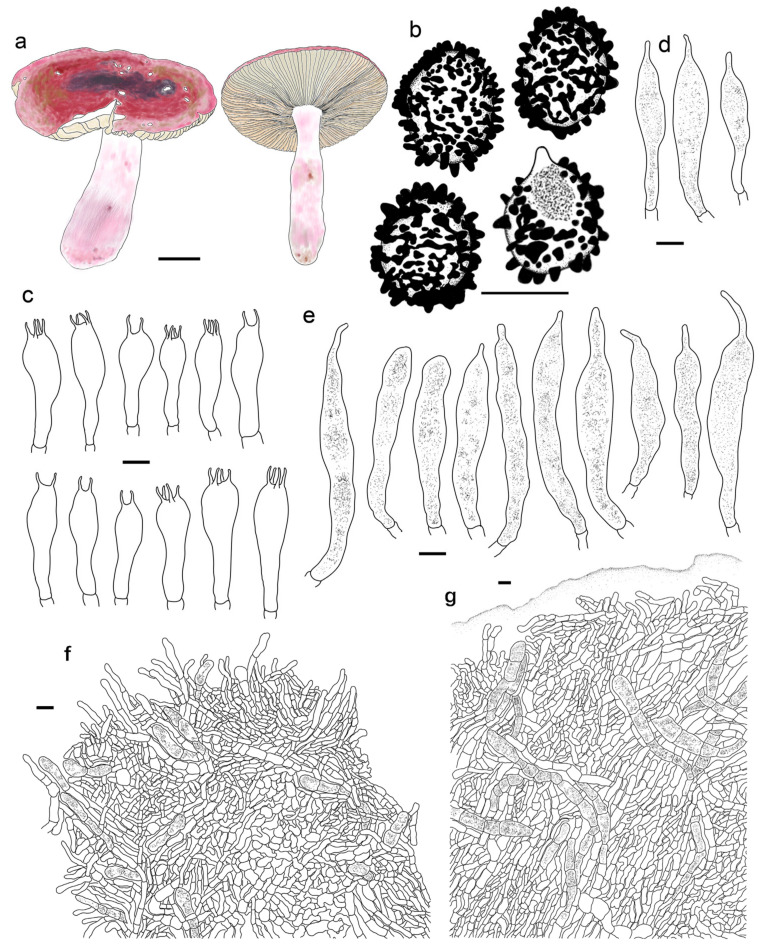
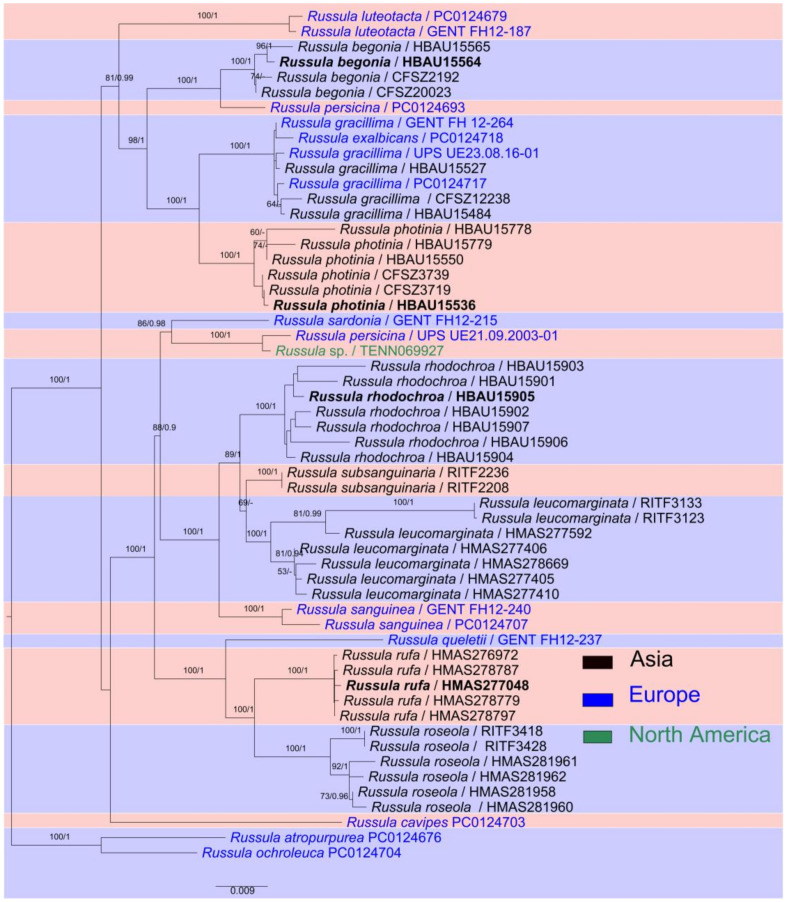
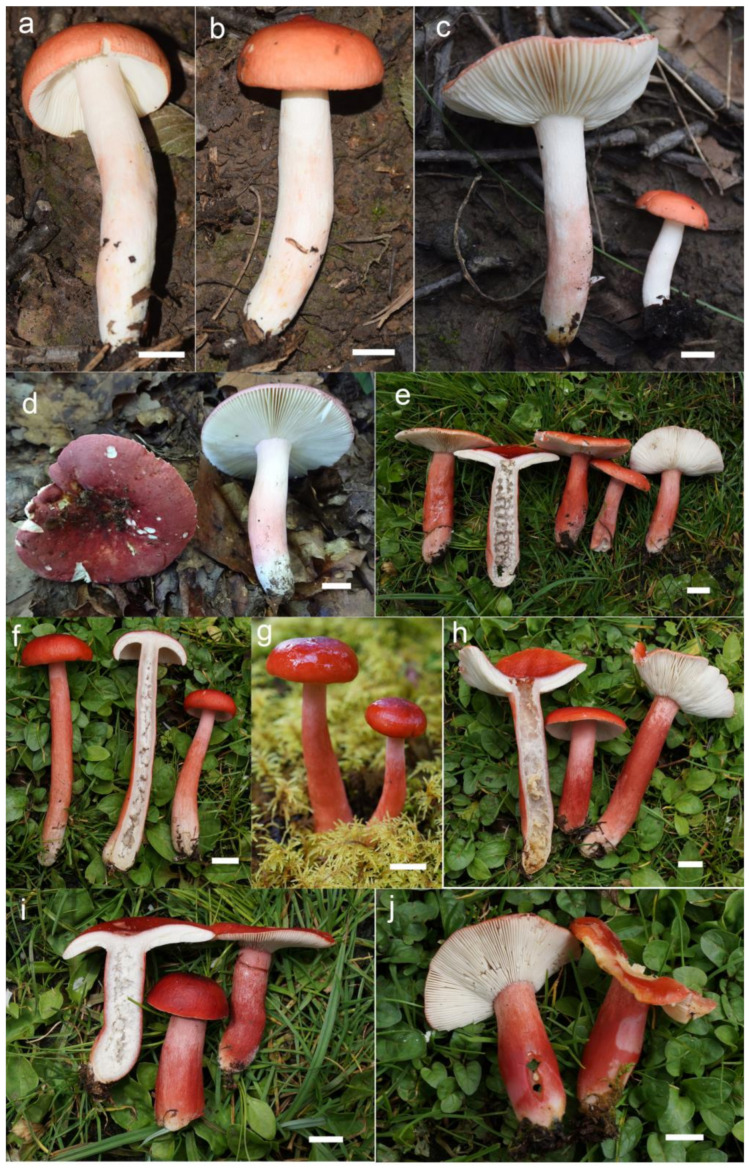
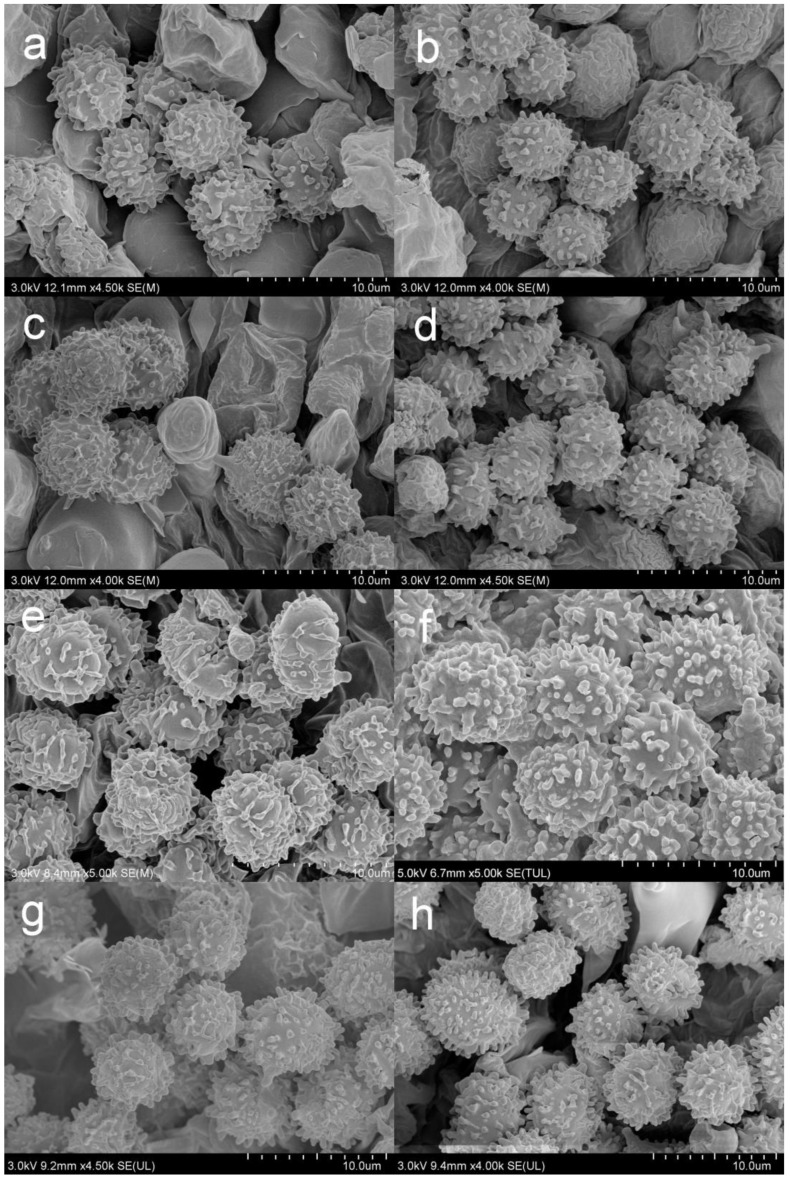
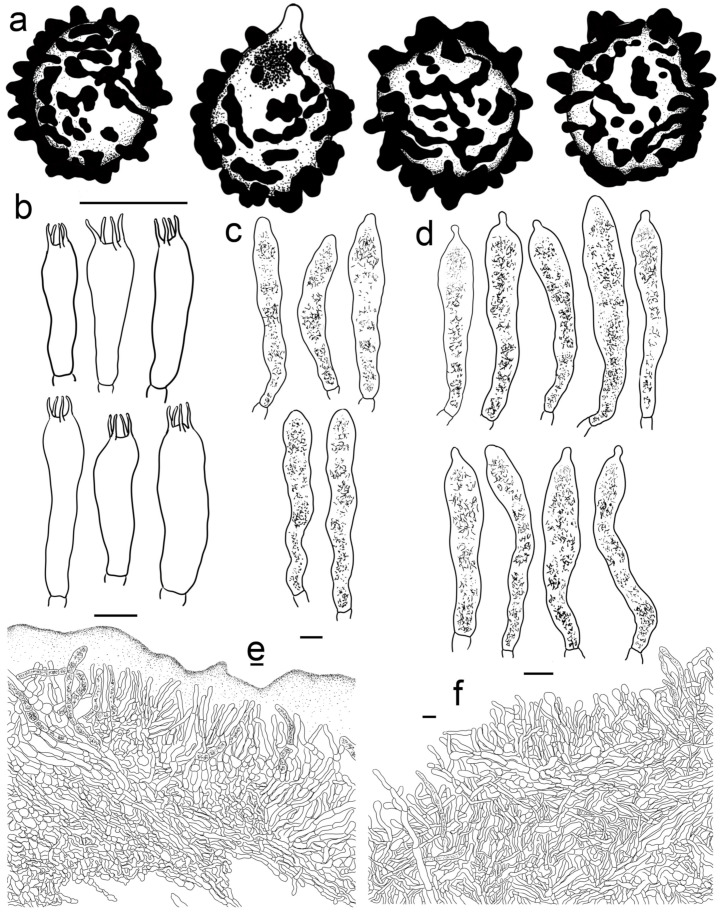
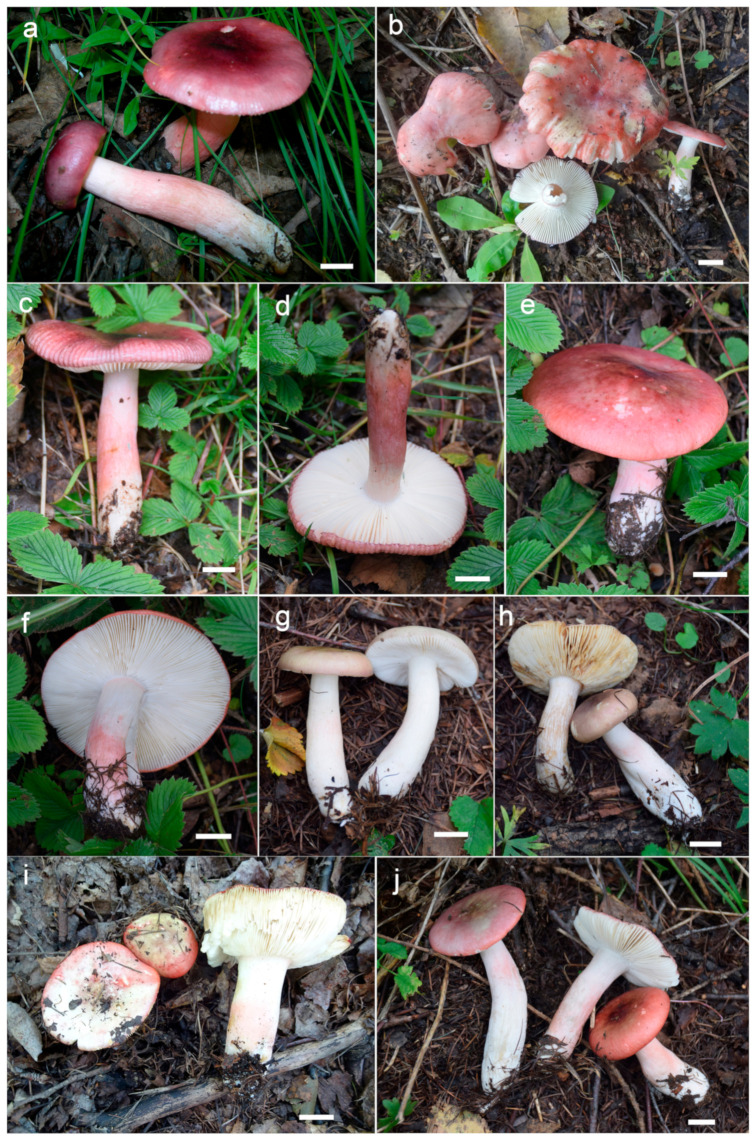
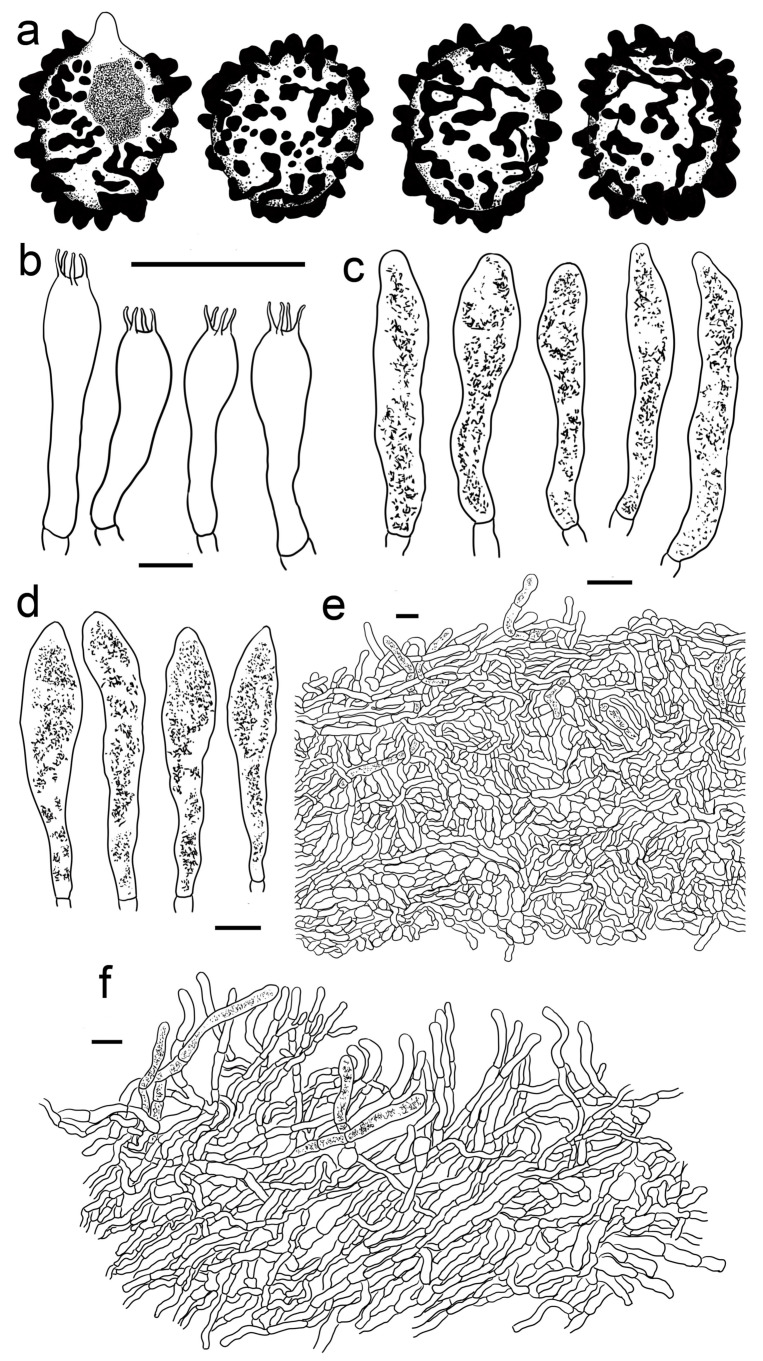
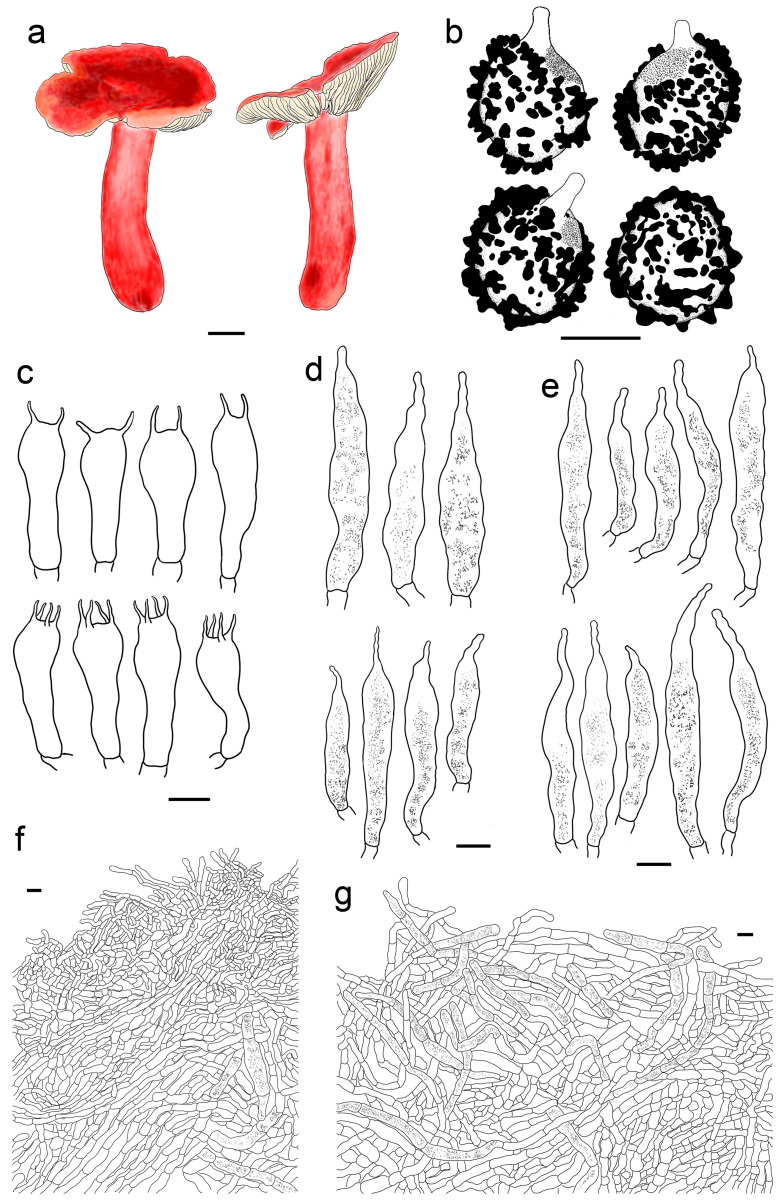
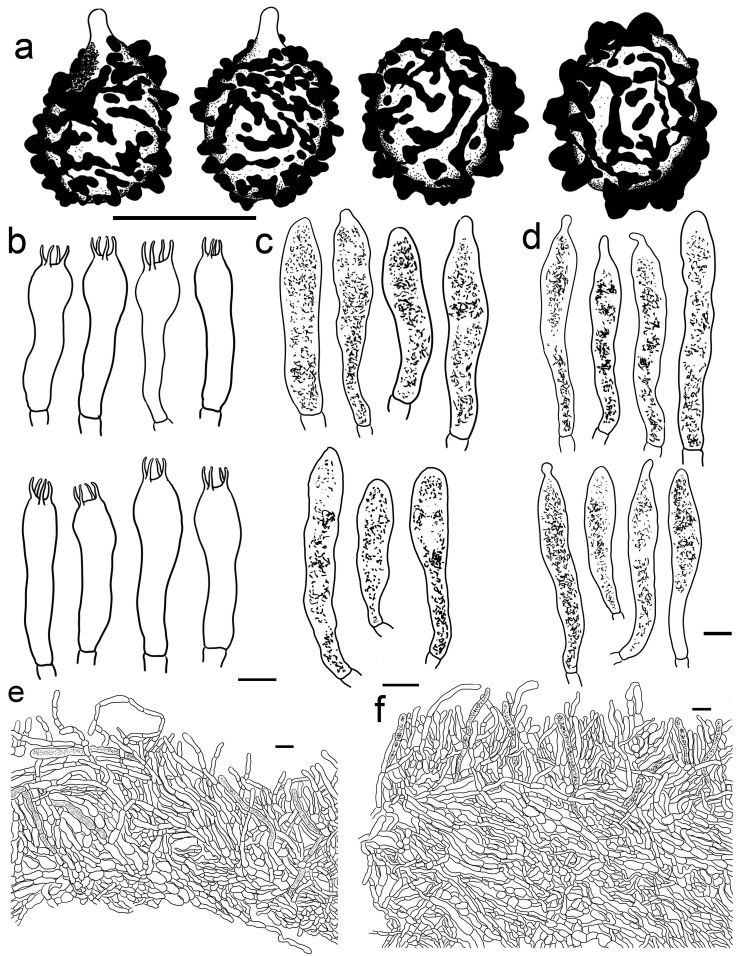
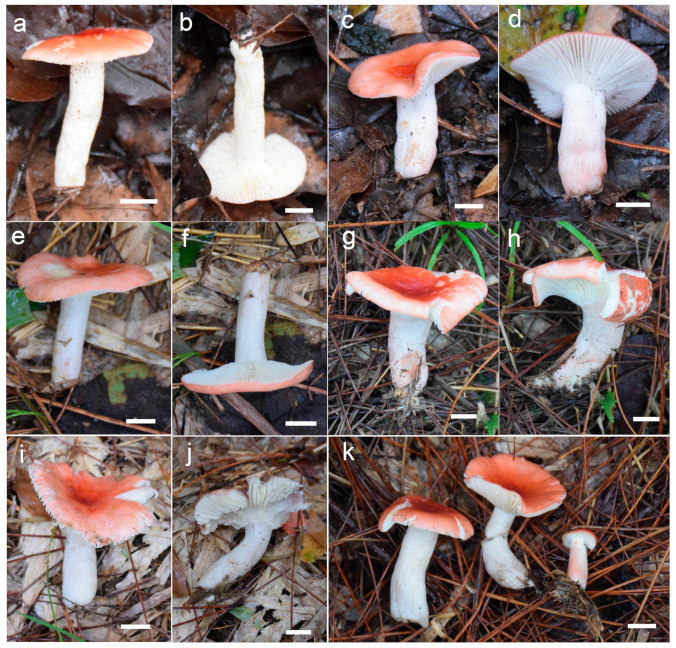
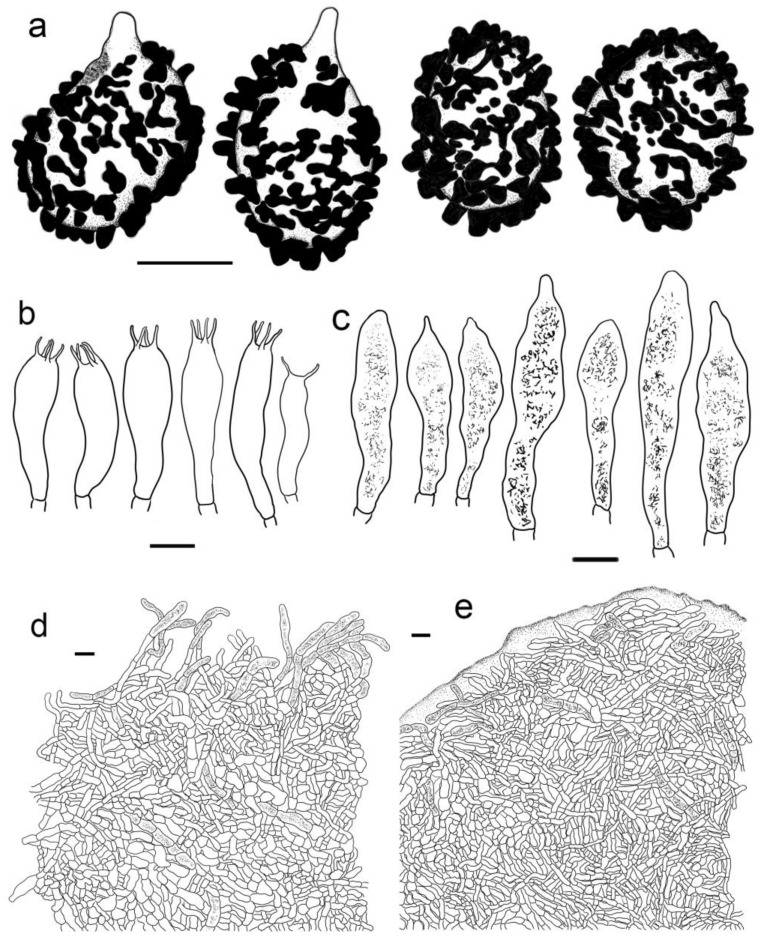
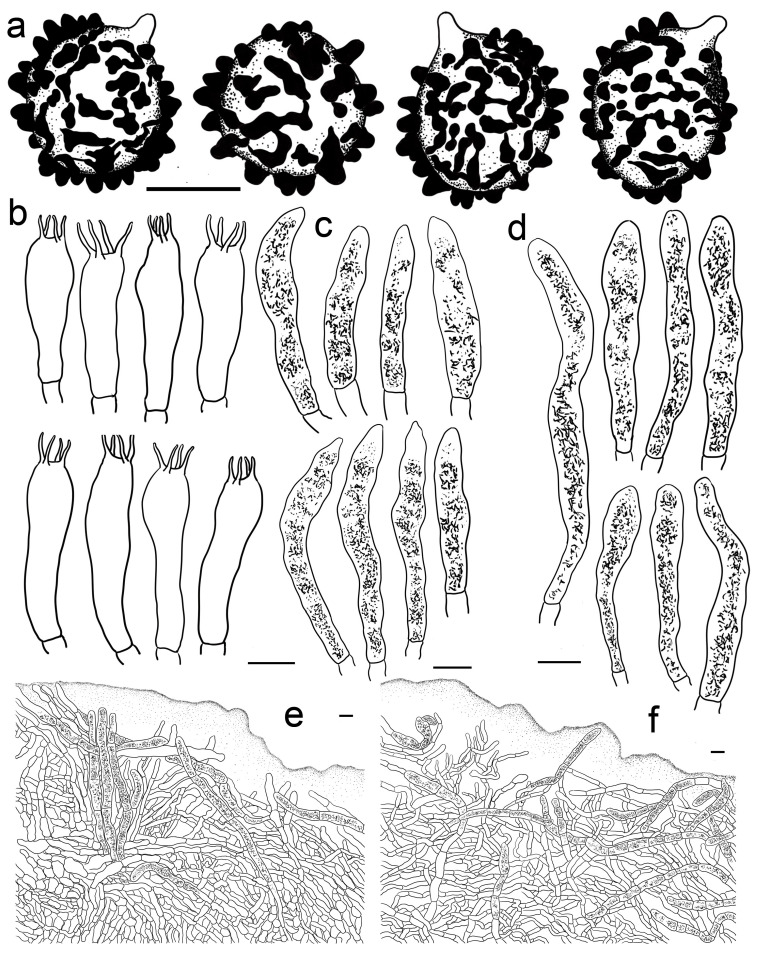
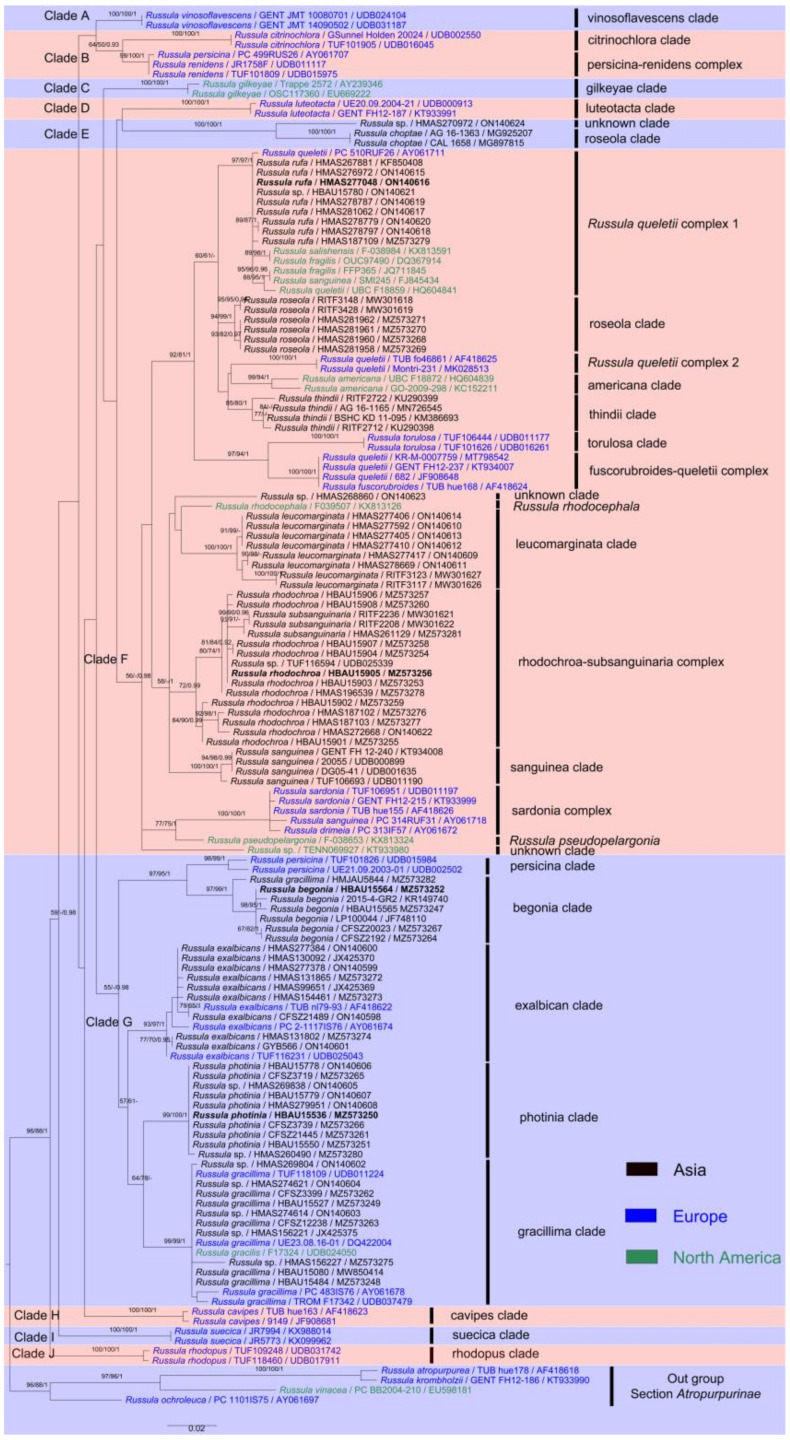
Four new species of subsection from northern and southwestern China under coniferous and deciduous trees are proposed as , , , and . Illustrations and descriptions of , , , and the above four new species are provided based on evidence of morphological characters and phylogenetic analyses of the internal transcribed spacer (ITS), as well as the multi-locus of mtSSU, nLSU, , and -α. The relationships between these new species and allied taxa are discussed.

摘要

在中国北方和西南部针叶树和落叶树下的亚组中,提出了四个新物种,分别为[物种名1]、[物种名2]、[物种名3]和[物种名4]。基于形态特征证据以及对内部转录间隔区(ITS)、线粒体小亚基(mtSSU)、核大亚基(nLSU)、[基因名1]、[基因名2]和[基因名3]的多基因座系统发育分析,提供了[物种名1]、[物种名2]、[物种名3]以及上述四个新物种的插图和描述。讨论了这些新物种与相关类群之间的关系。
https://cdn.ncbi.nlm.nih.gov/pmc/blobs/314d/9963349/30640a9d8f4d/jof-09-00199-g013.jpg
https://cdn.ncbi.nlm.nih.gov/pmc/blobs/314d/9963349/200d6af37b04/jof-09-00199-g001.jpg
https://cdn.ncbi.nlm.nih.gov/pmc/blobs/314d/9963349/7f73f82ff739/jof-09-00199-g002.jpg
https://cdn.ncbi.nlm.nih.gov/pmc/blobs/314d/9963349/571e7557cd65/jof-09-00199-g003.jpg
https://cdn.ncbi.nlm.nih.gov/pmc/blobs/314d/9963349/c1259eb3842f/jof-09-00199-g004.jpg
https://cdn.ncbi.nlm.nih.gov/pmc/blobs/314d/9963349/3ee0b28505b6/jof-09-00199-g005.jpg
https://cdn.ncbi.nlm.nih.gov/pmc/blobs/314d/9963349/a98f05225246/jof-09-00199-g006.jpg
https://cdn.ncbi.nlm.nih.gov/pmc/blobs/314d/9963349/e59672db8074/jof-09-00199-g007.jpg
https://cdn.ncbi.nlm.nih.gov/pmc/blobs/314d/9963349/2026f61f1e62/jof-09-00199-g008.jpg
https://cdn.ncbi.nlm.nih.gov/pmc/blobs/314d/9963349/0fd12a70b73c/jof-09-00199-g009.jpg
https://cdn.ncbi.nlm.nih.gov/pmc/blobs/314d/9963349/02eabd1da8ad/jof-09-00199-g010.jpg
https://cdn.ncbi.nlm.nih.gov/pmc/blobs/314d/9963349/553c8166b14d/jof-09-00199-g011.jpg
https://cdn.ncbi.nlm.nih.gov/pmc/blobs/314d/9963349/f167a509b741/jof-09-00199-g012.jpg
https://cdn.ncbi.nlm.nih.gov/pmc/blobs/314d/9963349/30640a9d8f4d/jof-09-00199-g013.jpg
https://cdn.ncbi.nlm.nih.gov/pmc/blobs/314d/9963349/200d6af37b04/jof-09-00199-g001.jpg
https://cdn.ncbi.nlm.nih.gov/pmc/blobs/314d/9963349/7f73f82ff739/jof-09-00199-g002.jpg
https://cdn.ncbi.nlm.nih.gov/pmc/blobs/314d/9963349/571e7557cd65/jof-09-00199-g003.jpg
https://cdn.ncbi.nlm.nih.gov/pmc/blobs/314d/9963349/c1259eb3842f/jof-09-00199-g004.jpg
https://cdn.ncbi.nlm.nih.gov/pmc/blobs/314d/9963349/3ee0b28505b6/jof-09-00199-g005.jpg
https://cdn.ncbi.nlm.nih.gov/pmc/blobs/314d/9963349/a98f05225246/jof-09-00199-g006.jpg
https://cdn.ncbi.nlm.nih.gov/pmc/blobs/314d/9963349/e59672db8074/jof-09-00199-g007.jpg
https://cdn.ncbi.nlm.nih.gov/pmc/blobs/314d/9963349/2026f61f1e62/jof-09-00199-g008.jpg
https://cdn.ncbi.nlm.nih.gov/pmc/blobs/314d/9963349/0fd12a70b73c/jof-09-00199-g009.jpg
https://cdn.ncbi.nlm.nih.gov/pmc/blobs/314d/9963349/02eabd1da8ad/jof-09-00199-g010.jpg
https://cdn.ncbi.nlm.nih.gov/pmc/blobs/314d/9963349/553c8166b14d/jof-09-00199-g011.jpg
https://cdn.ncbi.nlm.nih.gov/pmc/blobs/314d/9963349/f167a509b741/jof-09-00199-g012.jpg
https://cdn.ncbi.nlm.nih.gov/pmc/blobs/314d/9963349/30640a9d8f4d/jof-09-00199-g013.jpg

相似文献

1
Four New Species of Subsection from China.来自中国的亚组的四个新物种。
J Fungi (Basel). 2023 Feb 3;9(2):199. doi: 10.3390/jof9020199.
2
Morphological Characters and Molecular Phylogeny Reveal Three New Species of Subgenus from China.形态特征与分子系统发育揭示中国的三个新亚属物种。
Life (Basel). 2022 Mar 25;12(4):480. doi: 10.3390/life12040480.
3
Morphological Characteristics and Phylogeny Reveal Six New Species in Subgenus () from Yanshan Mountains, North China.形态特征和系统发育揭示了来自中国北方燕山山脉的(某亚属)六个新物种。
J Fungi (Basel). 2022 Dec 7;8(12):1283. doi: 10.3390/jof8121283.
4
Three New Species of Russulaceae (Russulales, Basidiomycota) from Southern China.来自中国南方的红菇科(红菇目,担子菌门)三个新物种。
J Fungi (Basel). 2024 Jan 15;10(1):70. doi: 10.3390/jof10010070.
5
A phylogenetic overview of the (, ) with new taxa from China.来自中国的新分类群的(,)的系统发育概述。 你提供的原文中括号部分内容缺失,可能会影响更准确的理解与翻译。
Stud Mycol. 2021 Dec 23;99:100121. doi: 10.1016/j.simyco.2021.100121. eCollection 2021 Jun.
6
Three new Russula species in sect. Ingratae (Russulales, Basidiomycota) from southern China.来自中国南方的红菇科(红菇目,担子菌门)迷人红菇组的三个新红菇物种。
MycoKeys. 2021 Nov 8;84:103-139. doi: 10.3897/mycokeys.84.68750. eCollection 2021.
7
Taxonomy and molecular phylogeny of (Polyporales, Basidiomycota) with descriptions of two new species.多孔菌目(担子菌门)的分类学与分子系统发育研究及两个新物种的描述
MycoKeys. 2022 May 31;90:31-51. doi: 10.3897/mycokeys.90.84717. eCollection 2022.
8
Species diversity, molecular phylogeny and ecological habits of (Polyporales, Basidiomycota) with an emphasis on Chinese collections.多孔菌目(担子菌门)的物种多样性、分子系统发育和生态习性,重点关注中国的标本采集
MycoKeys. 2022 Jan 11;86:19-46. doi: 10.3897/mycokeys.86.78305. eCollection 2022.
9
Multi-Gene Phylogeny and Taxonomy of the Wood-Rotting Fungal Genus (Polyporales, Basidiomycota).木腐真菌属(多孔菌目,担子菌门)的多基因系统发育与分类学
J Fungi (Basel). 2023 Mar 5;9(3):320. doi: 10.3390/jof9030320.
10
A preliminary DNA barcode selection for the genus (Russulales, Basidiomycota).红菇属(红菇目,担子菌门)的初步DNA条形码选择
Mycology. 2018 Aug 23;10(2):61-74. doi: 10.1080/21501203.2018.1500400. eCollection 2019 Jun.

引用本文的文献

1
Russula orientalovirescens sp. nov., a common Southeast Asian edible fungus is different from the European look-alike R. virescens.东方绿红菇,一种常见的东南亚可食用真菌,与欧洲类似的绿红菇不同。
PLoS One. 2025 Aug 20;20(8):e0322545. doi: 10.1371/journal.pone.0322545. eCollection 2025.
2
Unveiling the Bioactive Compounds and Therapeutic Potential of : A Comprehensive Review.揭示:的生物活性化合物与治疗潜力——一篇综述
J Fungi (Basel). 2025 Apr 27;11(5):341. doi: 10.3390/jof11050341.
3
Multi-gene analysis of the crown clade (Russulales, Basidiomycota) revealed six new species and subsect. nov. from Fagaceae forests in China.

本文引用的文献

1
Morphological Characters and Molecular Phylogeny Reveal Three New Species of Subgenus from China.形态特征与分子系统发育揭示中国的三个新亚属物种。
Life (Basel). 2022 Mar 25;12(4):480. doi: 10.3390/life12040480.
2
SequenceMatrix: concatenation software for the fast assembly of multi-gene datasets with character set and codon information.SequenceMatrix:用于快速组装具有字符集和密码子信息的多基因数据集的拼接软件。
Cladistics. 2011 Apr;27(2):171-180. doi: 10.1111/j.1096-0031.2010.00329.x.
3
Microbial community associated with ectomycorrhizal Russula symbiosis and dominated nature areas in southern China.
对伞菌纲红菇目冠分支的多基因分析揭示了来自中国壳斗科森林的6个新物种及新亚组。
Front Plant Sci. 2024 Oct 7;15:1454035. doi: 10.3389/fpls.2024.1454035. eCollection 2024.
4
Phylogenetic and Taxonomic Analyses of Five New Wood-Inhabiting Fungi of , and (Basidiomycota) from China.来自中国的、属于担子菌门的五个新的木生真菌(分别来自[具体属名1]、[具体属名2]和[具体属名3])的系统发育和分类分析
J Fungi (Basel). 2024 Mar 8;10(3):205. doi: 10.3390/jof10030205.
5
Three New Species of Russulaceae (Russulales, Basidiomycota) from Southern China.来自中国南方的红菇科(红菇目,担子菌门)三个新物种。
J Fungi (Basel). 2024 Jan 15;10(1):70. doi: 10.3390/jof10010070.
6
Edible and Medicinal Macrofungi.食药用大型真菌
J Fungi (Basel). 2023 Sep 7;9(9):908. doi: 10.3390/jof9090908.
与外生菌根共生的红菇属微生物群落及其在中国南方的主导自然区域。
FEMS Microbiol Lett. 2021 Apr 22;368(6). doi: 10.1093/femsle/fnab028.
4
A worldwide nomenclature revision of sequestrate species.地下生真菌物种的全球命名法修订。
Fungal Syst Evol. 2018 Jun;1:229-242. doi: 10.3114/fuse.2018.01.10. Epub 2018 May 4.
5
A preliminary DNA barcode selection for the genus (Russulales, Basidiomycota).红菇属(红菇目,担子菌门)的初步DNA条形码选择
Mycology. 2018 Aug 23;10(2):61-74. doi: 10.1080/21501203.2018.1500400. eCollection 2019 Jun.
6
Posterior Summarization in Bayesian Phylogenetics Using Tracer 1.7.贝叶斯系统发生学中使用 Tracer 1.7 进行的后验总结
Syst Biol. 2018 Sep 1;67(5):901-904. doi: 10.1093/sysbio/syy032.
7
A multi-gene phylogeny of (, ) translated into a new infrageneric classification of the genus.(某属)的多基因系统发育关系转化为该属新的亚属分类。 (括号内内容缺失完整信息,仅为根据已有内容尽量通顺翻译)
Persoonia. 2017 Jun;38:58-80. doi: 10.3767/003158517X693255. Epub 2016 Sep 15.
8
CONFIDENCE LIMITS ON PHYLOGENIES: AN APPROACH USING THE BOOTSTRAP.系统发育树的置信区间:一种使用自展法的方法。
Evolution. 1985 Jul;39(4):783-791. doi: 10.1111/j.1558-5646.1985.tb00420.x.
9
A simple method to control over-alignment in the MAFFT multiple sequence alignment program.一种在MAFFT多序列比对程序中控制过度比对的简单方法。
Bioinformatics. 2016 Jul 1;32(13):1933-42. doi: 10.1093/bioinformatics/btw108. Epub 2016 Feb 26.
10
Into and out of the tropics: global diversification patterns in a hyperdiverse clade of ectomycorrhizal fungi.进出热带地区:外生菌根真菌一个高度多样化分支中的全球多样化模式。
Mol Ecol. 2016 Jan;25(2):630-47. doi: 10.1111/mec.13506. Epub 2016 Jan 19.