Niculae Andrei, Peride Ileana, Tiglis Mirela, Nechita Ana Maria, Petcu Lucian Cristian, Neagu Tiberiu Paul
Clinical Department No. 3, "Carol Davila" University of Medicine and Pharmacy, 020021 Bucharest, Romania.
Department of Anesthesia and Intensive Care, Emergency Clinical Hospital of Bucharest, 014461 Bucharest, Romania.
J Pers Med. 2023 Jan 28;13(2):238. doi: 10.3390/jpm13020238.
Burns, one of the main public health problems, lead to significant mortality and morbidity. Epidemiological studies regarding burn patients in Romania are scarce. The aim of this study is to identify the burn etiology, demographics, clinical characteristics, and outcomes in patients requiring treatment in a regional burn unit.
We performed a retrospective observational study of 2021.
All patients admitted to our six-bed intensive care unit (ICU) were included.
The following data were collected for further analysis: demographics, burn pattern (etiology, size, depth, affected body region), type of ventilation, ABSI (Abbreviated Burn Severity Index) score, comorbidities, bioumoral parameters, and hospitalization days.
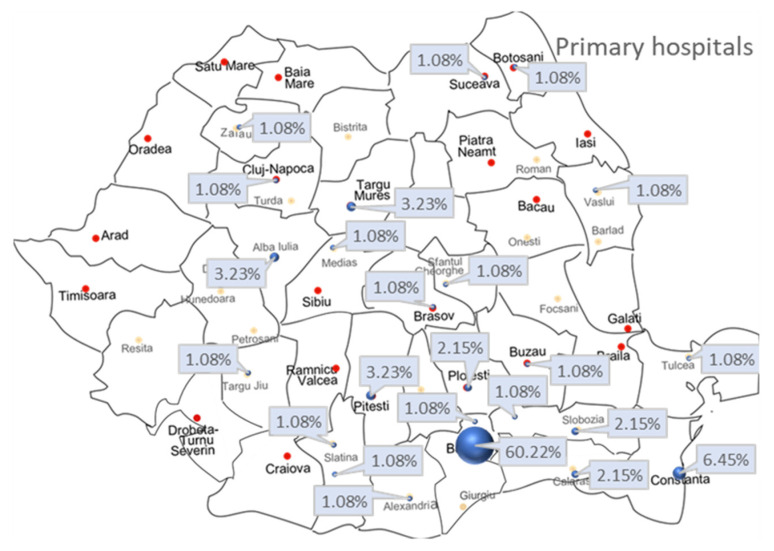
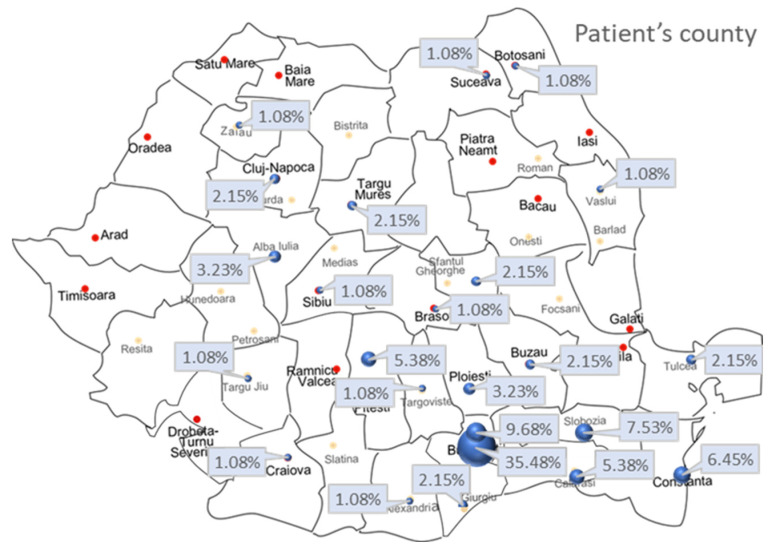
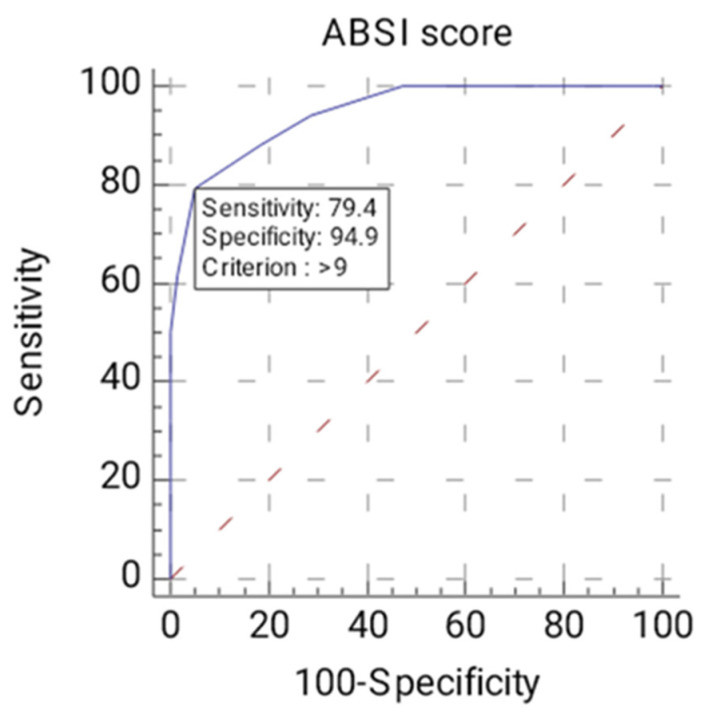
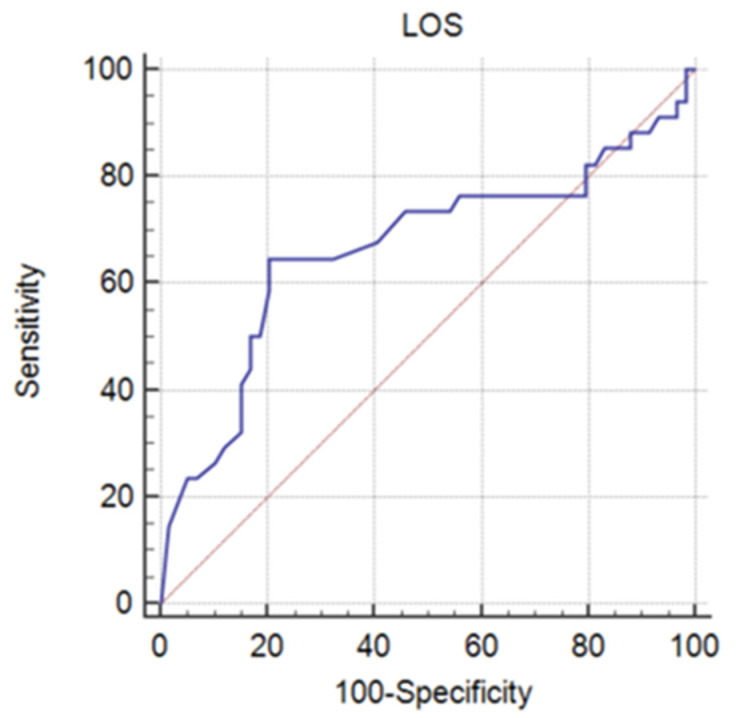
There were 93 burned patients included in our study that were divided into two groups: alive patients' group (63.4%) and deceased patients' group (36.6%). The mean age was 55.80 ± 17.16 (SD). There were 65.6% male patients, and 39.8% of the patients were admitted by transfer from another hospital. Further, 59 patients presented third-degree burns, from which 32.3% died. Burns affecting >37% of the total body surface area (TBSA) were noticed in 30 patients. The most vulnerable regions of the body were the trunk ( = 0.003), the legs ( = 0.004), the neck ( = 0.011), and the arms ( = 0.020). Inhalation injury was found in 60.2% of the patients. The risk of death in a patient with an ABSI score > 9 points was 72 times higher. Comorbidities were present in 44.1% of the patients. We observed a median LOS (length of stay) of 23 days and an ICU-LOS of 11 days. Logistic regression analysis showed that admission protein, creatinkinase, and leukocytes were independent risk factors for mortality. The general mortality rate was 36.6%.
A thermal factor was responsible for the vast majority of burns, 94.6% of cases being accidents. Extensive and full-thickness burns, burns affecting the arms, inhalation injuries, the need for mechanical ventilation, and a high ABSI score represent important risk factors for mortality. Considering the results, it appears that prompt correction of protein, creatinkinase, and leukocytes levels may contribute to improvement in severe burn patients' outcomes.
烧伤是主要的公共卫生问题之一,会导致显著的死亡率和发病率。罗马尼亚关于烧伤患者的流行病学研究很少。本研究的目的是确定在一个地区烧伤病房接受治疗的患者的烧伤病因、人口统计学特征、临床特征和治疗结果。
我们对2021年进行了一项回顾性观察研究。
纳入所有入住我们六张床位重症监护病房(ICU)的患者。
收集以下数据用于进一步分析:人口统计学特征、烧伤模式(病因、面积、深度、受影响身体部位)、通气类型、ABSI(简化烧伤严重程度指数)评分、合并症、生物体液参数和住院天数。
我们的研究纳入了93例烧伤患者,分为两组:存活患者组(63.4%)和死亡患者组(36.6%)。平均年龄为55.80±17.16(标准差)。男性患者占65.6%,39.8%的患者是从另一家医院转来的。此外,59例患者为三度烧伤,其中32.3%死亡。30例患者烧伤面积超过全身表面积(TBSA)的37%。身体最易受影响的部位是躯干(P = 0.003)、腿部(P = 0.004)、颈部(P = 0.011)和手臂(P = 0.020)。60.2%的患者存在吸入性损伤。ABSI评分>9分的患者死亡风险高72倍。44.1%的患者存在合并症。我们观察到中位住院时间为23天,ICU住院时间为11天。逻辑回归分析表明,入院时的蛋白质、肌酸激酶和白细胞是死亡的独立危险因素。总体死亡率为36.6%。
热因素是绝大多数烧伤的原因,94.6%的病例为意外事故。大面积和全层烧伤、影响手臂的烧伤、吸入性损伤、需要机械通气以及高ABSI评分是死亡的重要危险因素。考虑到结果,似乎及时纠正蛋白质、肌酸激酶和白细胞水平可能有助于改善严重烧伤患者的治疗结果。