Wang Yue, Jiang Hong, Zhang Longyao, Yao Peng, Wang Shaoqing, Yang Qian
The Second Affiliated Hospital of Chengdu Medical College, China National Nuclear Corporation 416 Hospital, Chengdu, Sichuan, China.
Center of Scientific Research, Chengdu Medical College, Chengdu, Sichuan, China.
Front Bioeng Biotechnol. 2023 Feb 9;11:1120148. doi: 10.3389/fbioe.2023.1120148. eCollection 2023.
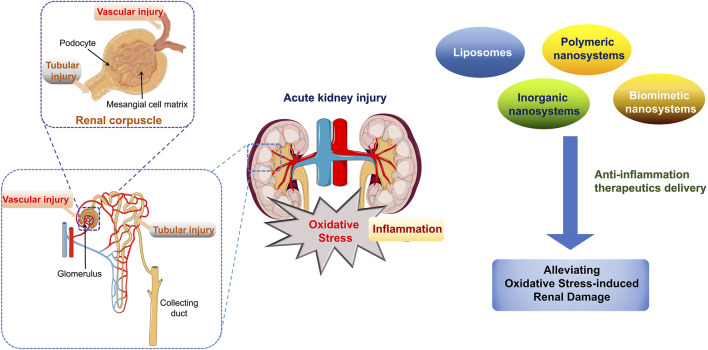
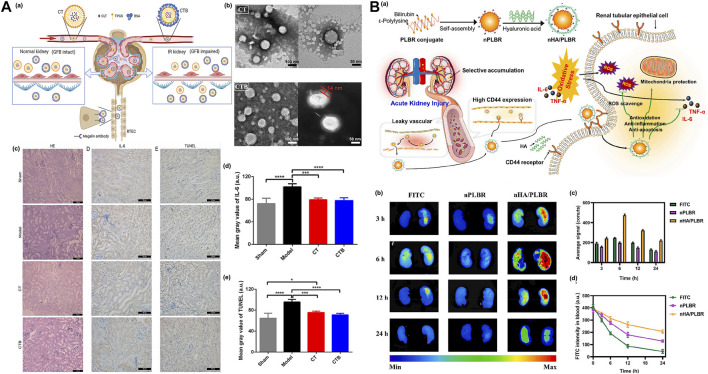
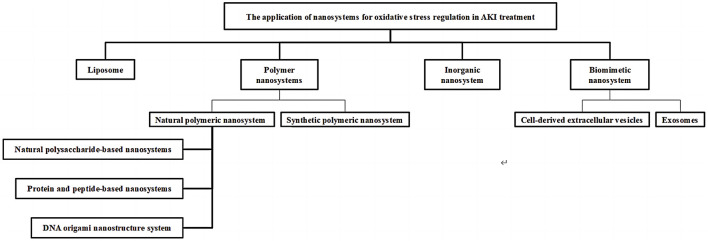
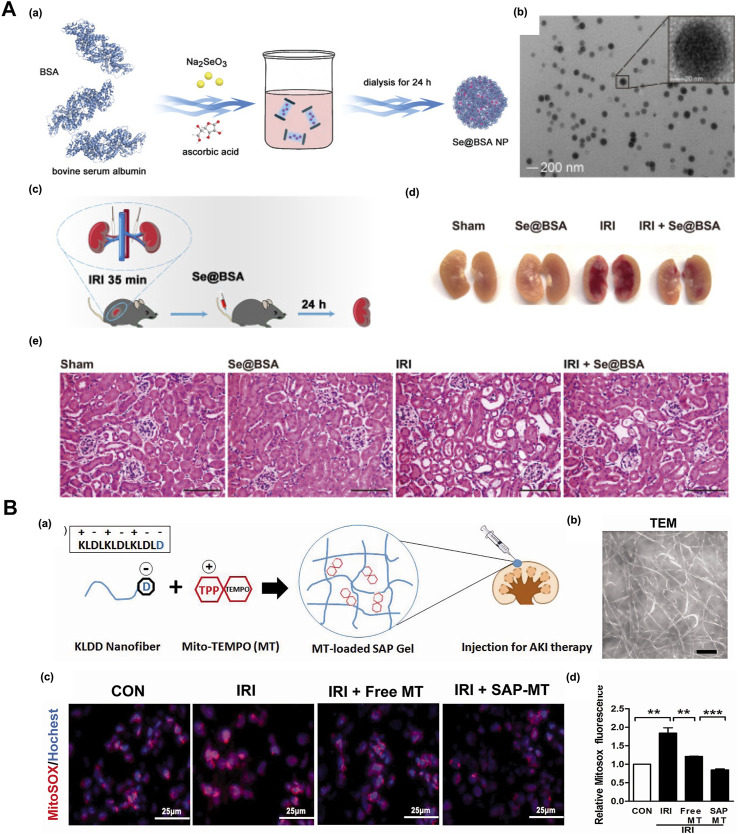
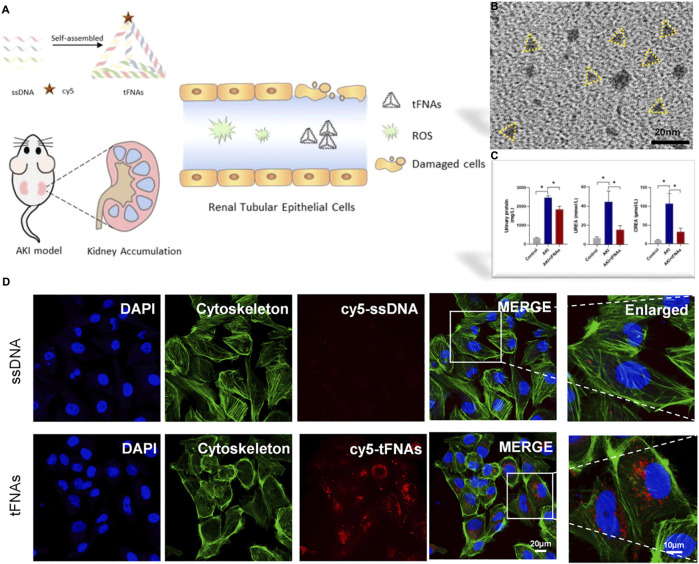
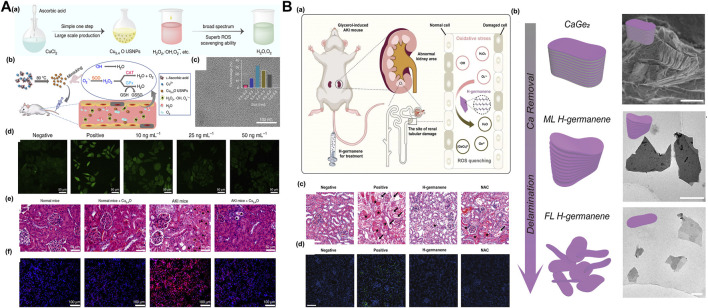
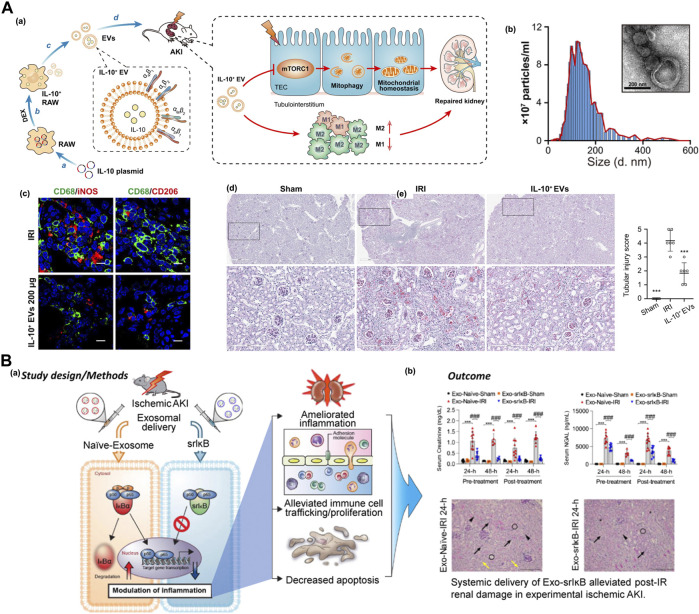
Acute kidney injury (AKI) is a clinical syndrome that results from a rapid decline in renal structure or renal functional impairment with the main pathological feature of sublethal and lethal damage to renal tubular cells. However, many potential therapeutic agents cannot achieve the desired therapeutic effect because of their poor pharmacokinetics and short retention time in the kidneys. With the recent emergence and progress of nanotechnology, nanodrugs with unique physicochemical properties could prolong circulation time, enhance efficient targeted delivery, and elevate the accumulation of therapeutics that can cross the glomerular filtration barrier and indicate comprehensive application prospects in the prevention and treatment of AKI. In this review, various types of nanosystems (such as liposomes, polymeric nanosystems, inorganic nanoparticles and cell-derived extracellular vesicles) are designed and applied to improve the pharmacokinetics of drug formation, which could further relieve the burden on the kidneys caused by the final cumulative dose of drugs in conventional treatments. Moreover, the passive or active targeting effect of nanosystems can also reduce the total therapeutic dose and off-target adverse effects on other organs. Nanodelivery systems for treating AKI that alleviate oxidative stress-induced renal cell damage and regulate the inflammatory kidney microenvironment are summarized.
急性肾损伤(AKI)是一种临床综合征,由肾脏结构快速衰退或肾功能损害引起,主要病理特征是肾小管细胞受到亚致死性和致死性损伤。然而,许多潜在治疗药物由于其不良的药代动力学和在肾脏中的短停留时间,无法达到预期的治疗效果。随着纳米技术的最新出现和进展,具有独特物理化学性质的纳米药物可以延长循环时间,增强高效靶向递送,并提高能够穿过肾小球滤过屏障的治疗药物的蓄积,在AKI的预防和治疗中显示出广泛的应用前景。在本综述中,设计并应用了各种类型的纳米系统(如脂质体、聚合物纳米系统、无机纳米颗粒和细胞衍生的细胞外囊泡)来改善药物制剂的药代动力学,这可以进一步减轻传统治疗中最终累积药物剂量对肾脏造成的负担。此外,纳米系统的被动或主动靶向作用还可以降低总治疗剂量以及对其他器官的脱靶不良反应。总结了用于治疗AKI的纳米递送系统,这些系统可减轻氧化应激诱导的肾细胞损伤并调节炎症性肾脏微环境。