Wolkowicz Noah R, Peltier MacKenzie R, Wemm Stephanie, MacLean R Ross
VA Connecticut Healthcare System.
Yale University School of Medicine.
Drug Alcohol Depend Rep. 2022 Mar 11;3:100039. doi: 10.1016/j.dadr.2022.100039. eCollection 2022 Jun.
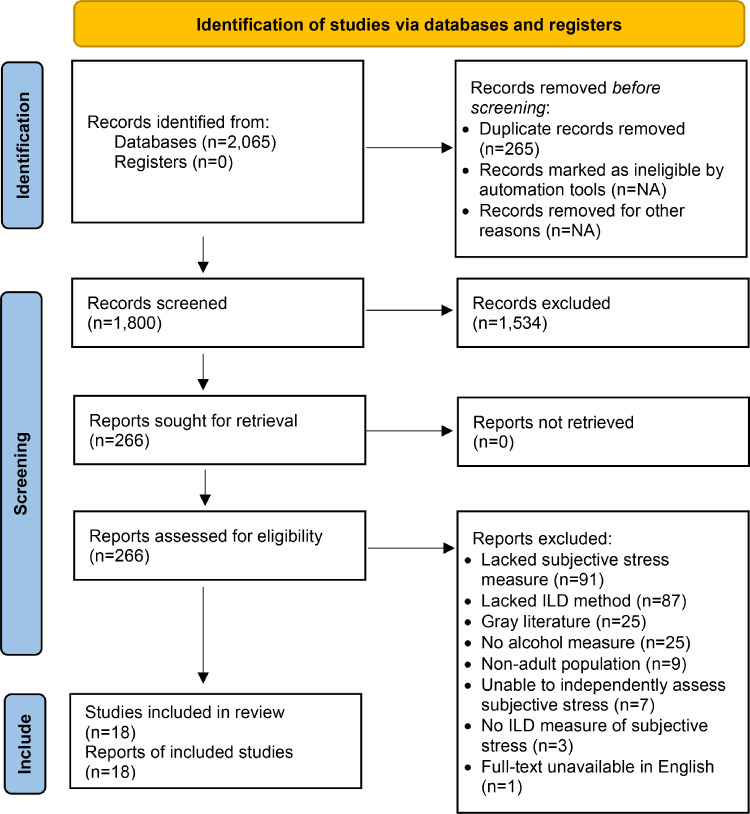
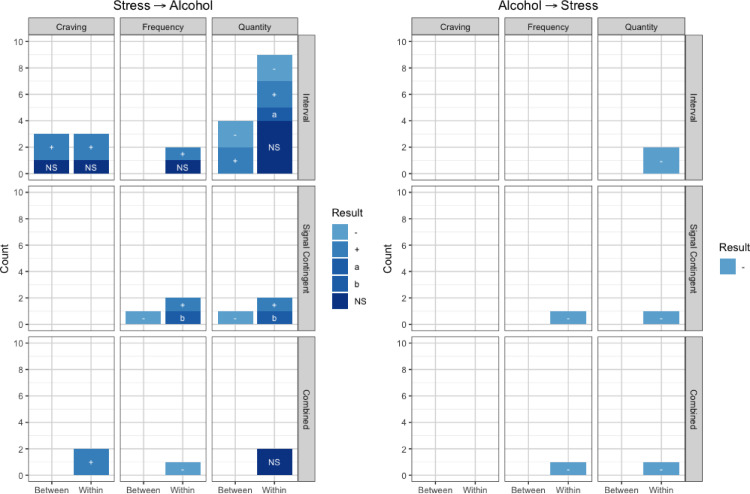
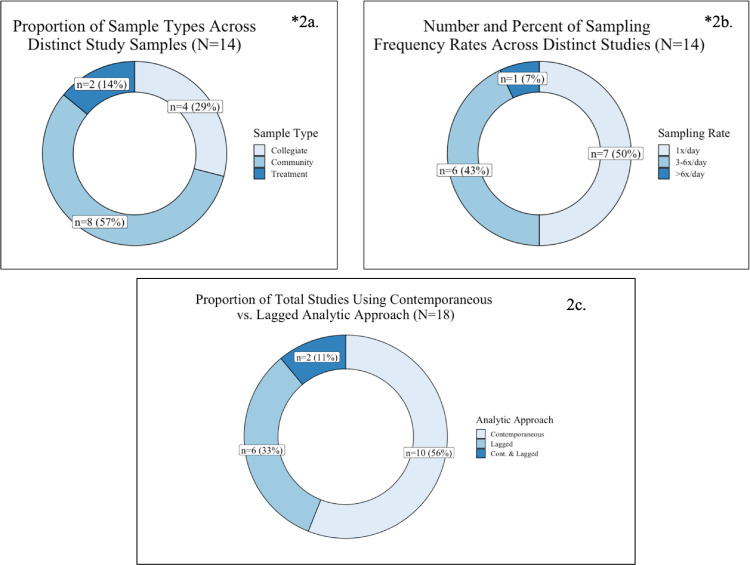
Understanding how stress dynamically associates with alcohol use could provide a finer-grain resolution of drinking behavior, facilitating development of more effective and personalized interventions. The primary aim of this systematic review was to examine research using Intensive Longitudinal Designs (ILDs) to determine if greater naturalistic reports of subjective stress (e.g., those assessed moment-to-moment, day-to-day) in alcohol-drinkers associated with a) greater frequency of subsequent drinking, b) greater quantity of subsequent drinking, and c) whether between-/within-person variables moderate or mediate any relationships between stress and alcohol use. Using PRISMA guidelines, we searched EMBASE, PubMed, PsycINFO, and Web of Science databases in December 2020, ultimately identifying 18 eligible articles, representing 14 distinct studies, from a potential pool of 2,065 studies. Results suggested subjective stress equivocally predicted subsequent alcohol use; in contrast, alcohol use consistently demonstrated an inverse relationship with subsequent subjective stress. These findings remained across ILD sampling strategy and most study characteristics, except for sample type (treatment-seeking vs. community/collegiate). Results appear to emphasize the stress-dampening effects of alcohol on subsequent stress levels and reactivity. Classic tension-reduction models may instead be most applicable to heavier-drinking samples and appear nuanced in lighter-drinking populations, and may depend on specific moderators/mediators (e.g., race/ethnicity, sex, relative coping-strategy use). Notably, a preponderance of studies utilized once-daily, concurrent assessments of subjective stress and alcohol use. Future studies may find greater consistency by implementing ILDs that integrate multiple within-day signal-based assessments, theoretically-relevant event-contingent prompts (e.g., stressor-occurrence, consumption initiation/cessation), and ecological context (e.g., weekday, alcohol availability).
了解压力如何动态地与酒精使用相关联,可以为饮酒行为提供更精细的解析,有助于开发更有效和个性化的干预措施。本系统综述的主要目的是研究使用密集纵向设计(ILDs)的研究,以确定饮酒者中更自然主义的主观压力报告(例如,那些逐时刻、逐日评估的报告)是否与以下因素相关:a)后续饮酒频率更高,b)后续饮酒量更大,以及c)个体间/个体内变量是否调节或介导压力与酒精使用之间的任何关系。根据PRISMA指南,我们于2020年12月搜索了EMBASE、PubMed、PsycINFO和科学网数据库,最终从2065项潜在研究中确定了18篇符合条件的文章,代表14项不同的研究。结果表明,主观压力对后续酒精使用的预测模棱两可;相比之下,酒精使用始终与后续主观压力呈负相关。除样本类型(寻求治疗者与社区/大学生)外,这些发现在ILD抽样策略和大多数研究特征中均成立。结果似乎强调了酒精对后续压力水平和反应性的压力减轻作用。经典的减压模型可能反而最适用于饮酒量较大的样本,在饮酒量较轻的人群中则表现得较为细微,并且可能取决于特定的调节因素/中介因素(例如,种族/民族、性别、相对应对策略的使用)。值得注意的是,大多数研究采用了每日一次的主观压力和酒精使用的同步评估。未来的研究通过实施整合多次基于日内信号评估、理论相关的事件 contingent提示(例如,压力源发生、消费开始/停止)和生态背景(例如,工作日、酒精可得性)的ILDs,可能会发现更高的一致性。