Ye Lingyun, Wu Yinfei, Zhou Juan, Xie Mengqing, Zhang Zhemin, Su Chunxia
Department of Oncology, Shanghai Pulmonary Hospital & Thoracic Cancer Institute, Tongji University School of Medicine, No. 507, Zheng Min Road, Shanghai, 200433, China.
Department of Respiratory Intervention, The Affiliated Cancer Hospital of Zhengzhou University & Henan Cancer Hospital, No.127, Dongming Road, Jinshui District, Zhengzhou, 450008, China.
Biol Proced Online. 2023 Mar 1;25(1):5. doi: 10.1186/s12575-023-00192-4.
Lung cancer is the most common cause of cancer-related death globally. There are several reasons for this high mortality rate, including metastasis to multiple organs, especially the brain. Exosomes play a pivotal role in tumor metastasis by remodeling the microenvironment of remote target organs and promoting the pre-metastatic niche's formation. Since astrocytes are indispensable for maintaining the homeostasis of brain microenvironment, it's of great interest to explore the influence of lung cancer cell-derived exosomes on astrocytes to further understand the mechanism of lung cancer brain metastasis.
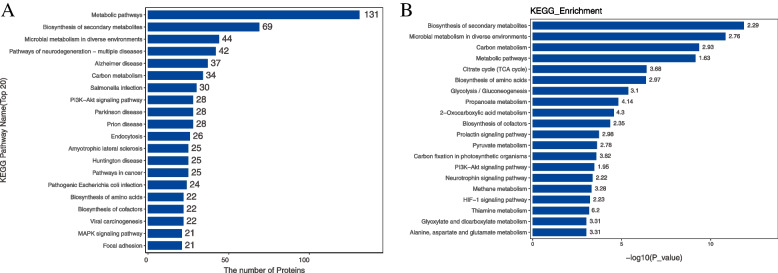
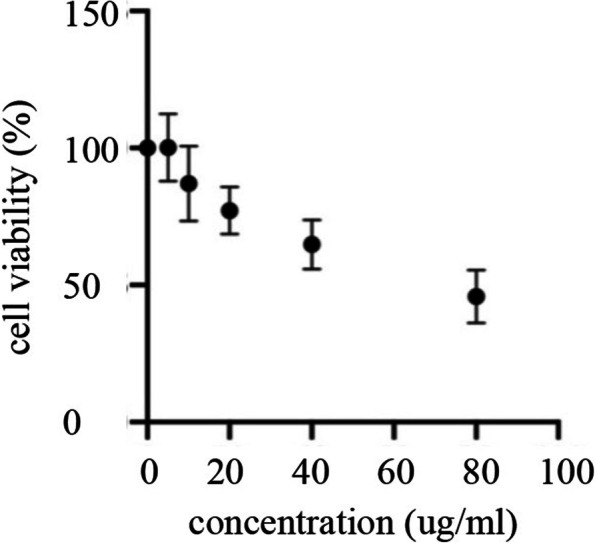
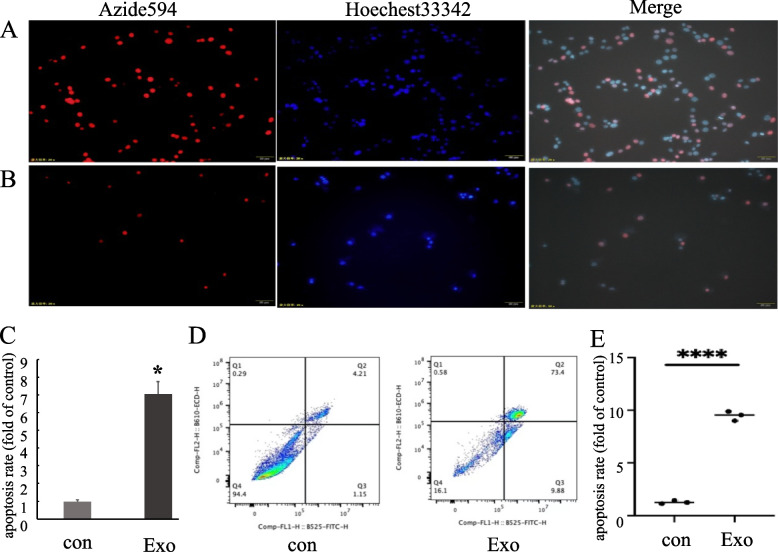
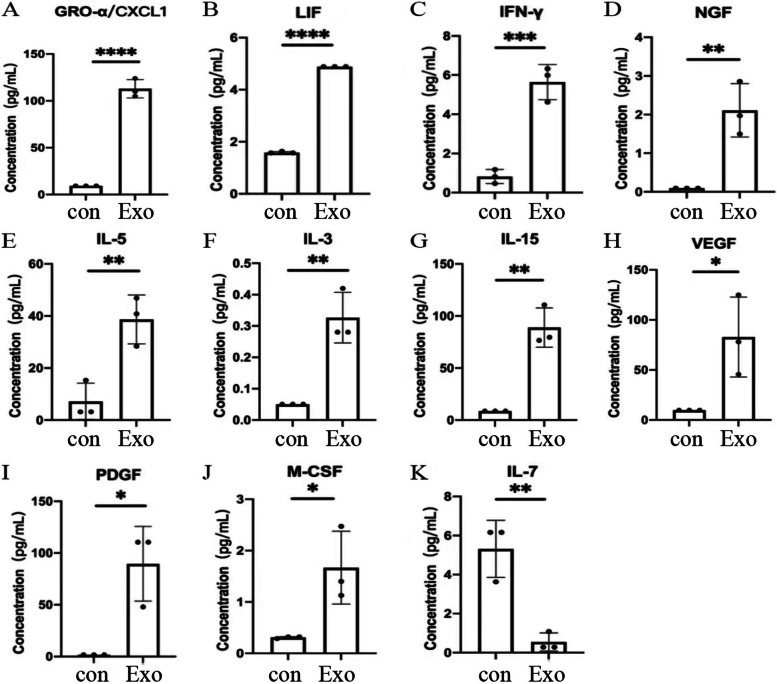
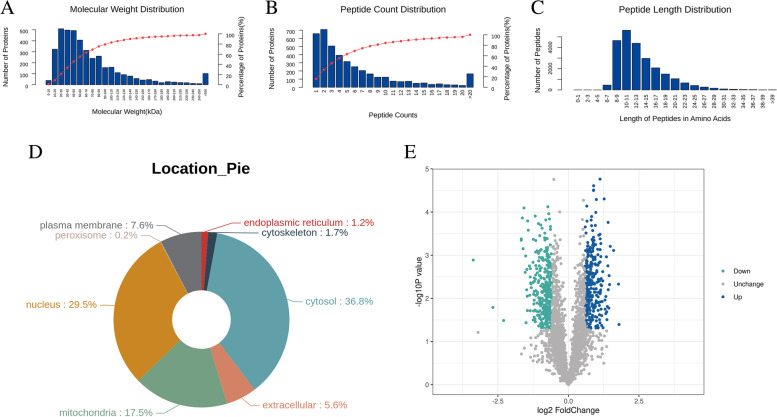
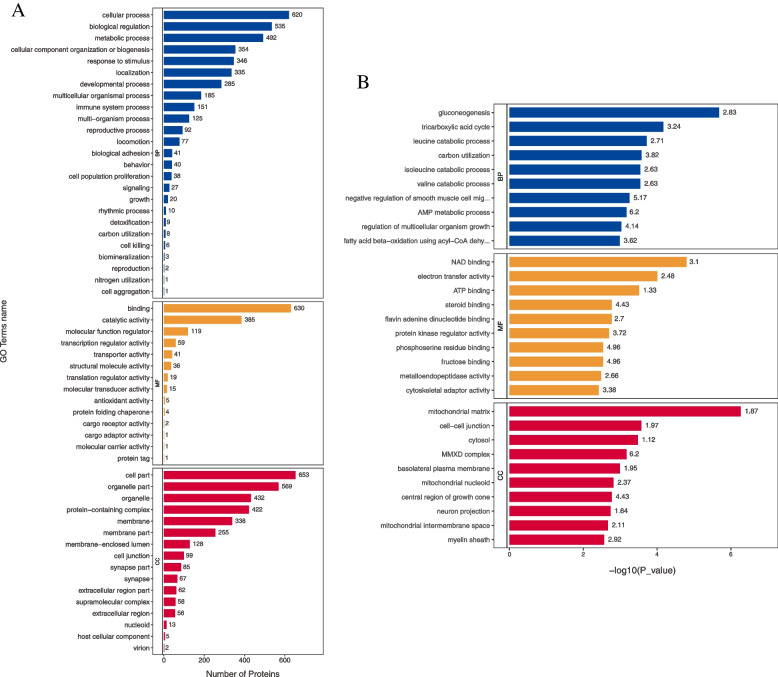
Twenty four h after co-culture of H1299 cell-derived exosomes and SVG P12 cells, the viability of astrocytes decreased and the apoptosis increased. The levels of cytokines in the supernatant including GROα/CXCL1, IFN-γ, IL-3, IL-5, IL-15, LIF, M-CSF, NGF, PDGF, and VEGF were significantly enhanced, while IL-7 secretion was significantly reduced. Meanwhile, apoptosis-related proteins MAP2K1, TUBA1C, RELA, and CASP6 were up-regulated. And the differentially expressed proteins were involved in regulating metabolic pathways.
Exosomes of H1299 could induce apoptosis of astrocytes as well as promote their secretion of cytokines that were conducive to the formation of the inflammatory microenvironment and immunosuppressive microenvironment, and affect their metabolic pathways, thus facilitating the formation of pre-metastatic niche in lung cancer brain metastases.
肺癌是全球癌症相关死亡的最常见原因。造成这种高死亡率的原因有多种,包括转移至多个器官,尤其是脑部。外泌体通过重塑远端靶器官的微环境并促进转移前生态位的形成,在肿瘤转移中发挥关键作用。由于星形胶质细胞对于维持脑微环境的稳态不可或缺,因此探索肺癌细胞来源的外泌体对星形胶质细胞的影响,对于进一步了解肺癌脑转移机制具有重要意义。
H1299细胞来源的外泌体与SVG P12细胞共培养24小时后,星形胶质细胞的活力下降,凋亡增加。上清液中包括GROα/CXCL1、IFN-γ、IL-3、IL-5、IL-15、LIF、M-CSF、NGF、PDGF和VEGF在内的细胞因子水平显著升高,而IL-7分泌显著减少。同时,凋亡相关蛋白MAP2K1、TUBA1C、RELA和CASP6上调。且差异表达蛋白参与调节代谢途径。
H1299外泌体可诱导星形胶质细胞凋亡,并促进其分泌有利于炎性微环境和免疫抑制微环境形成的细胞因子,影响其代谢途径,从而促进肺癌脑转移中转移前生态位的形成。