Department of Breast Surgery, The First Affiliated Hospital of Nanjing Medical University, Nanjing, China.
Department of Thoracic Surgery, The First Affiliated Hospital of Nanjing Medical University, Nanjing, China.
Front Immunol. 2023 Feb 13;14:1116839. doi: 10.3389/fimmu.2023.1116839. eCollection 2023.
Despite tremendous advances in cancer research, breast cancer (BC) remains a major health concern and is the most common cancer affecting women worldwide. Breast cancer is a highly heterogeneous cancer with potentially aggressive and complex biology, and precision treatment for specific subtypes may improve survival in breast cancer patients. Sphingolipids are important components of lipids that play a key role in the growth and death of tumor cells and are increasingly the subject of new anti-cancer therapies. Key enzymes and intermediates of sphingolipid metabolism (SM) play an important role in regulating tumor cells and further influencing clinical prognosis.
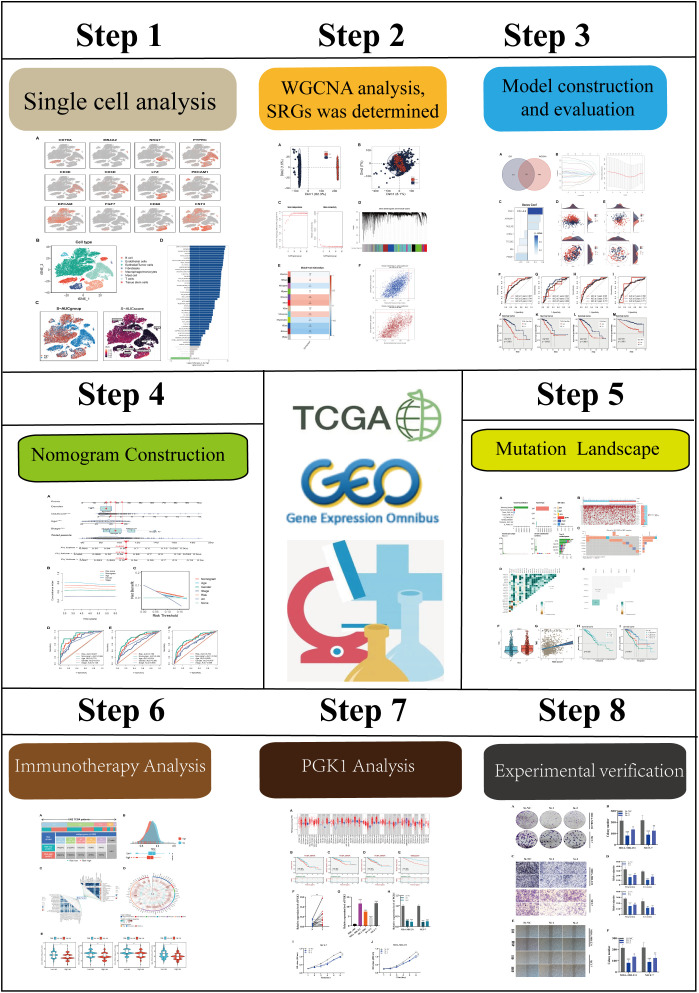
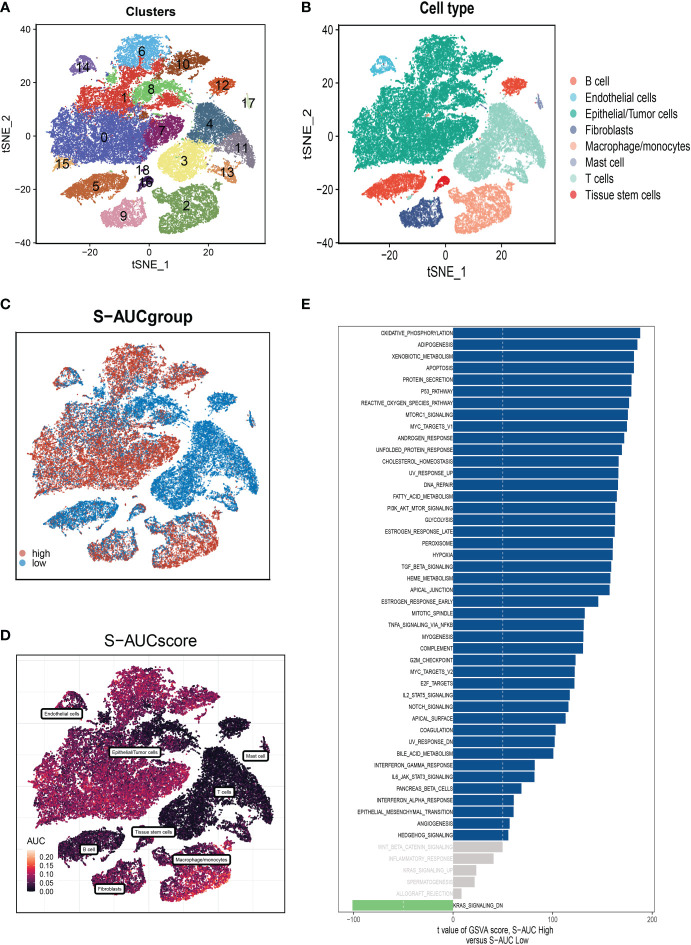
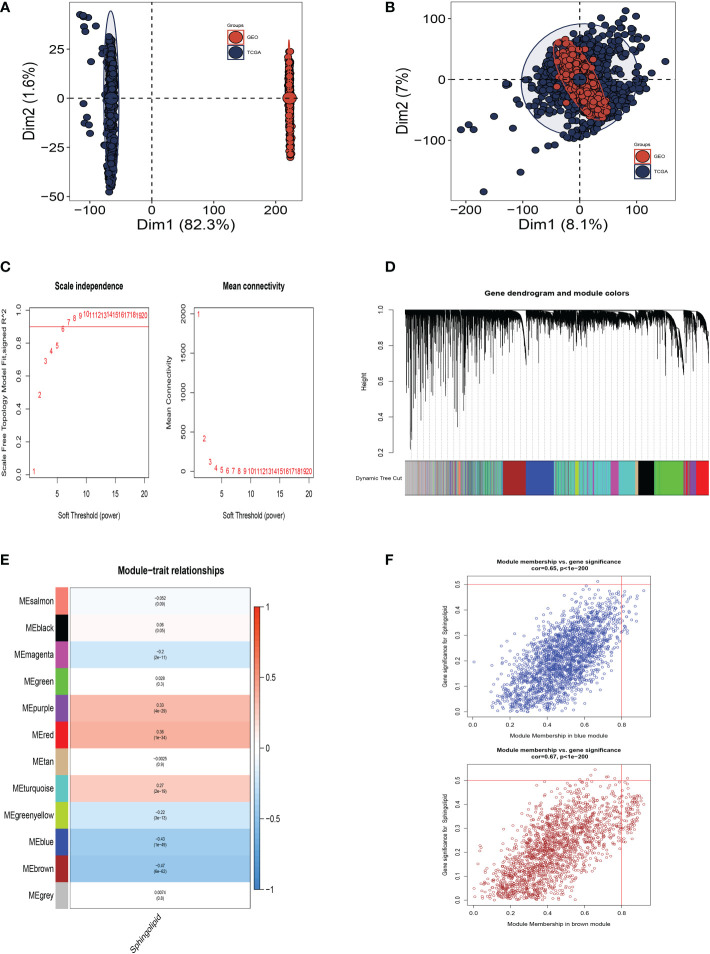
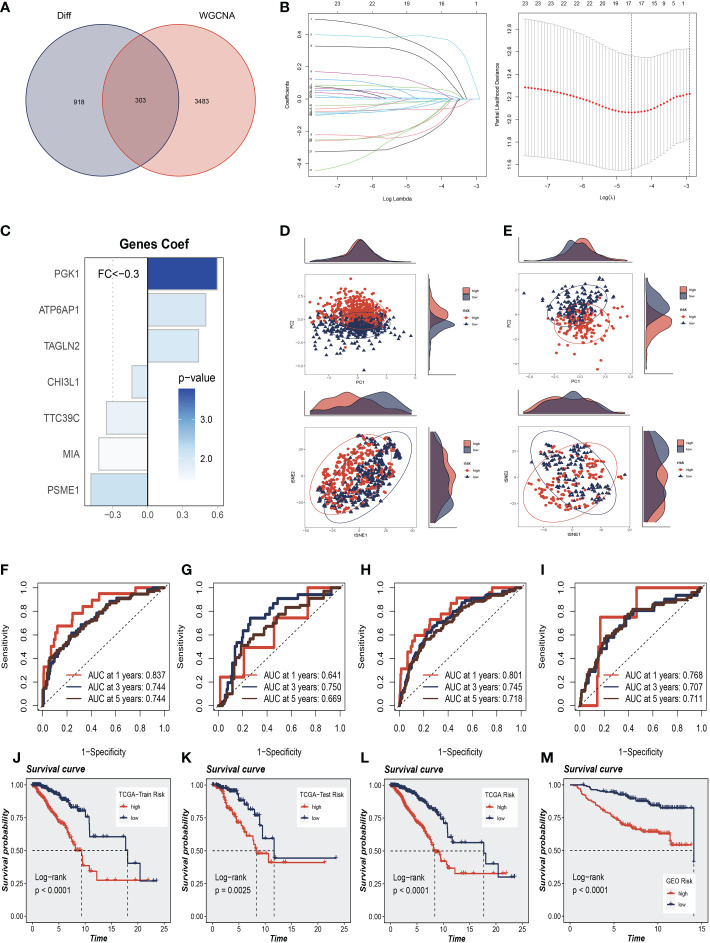
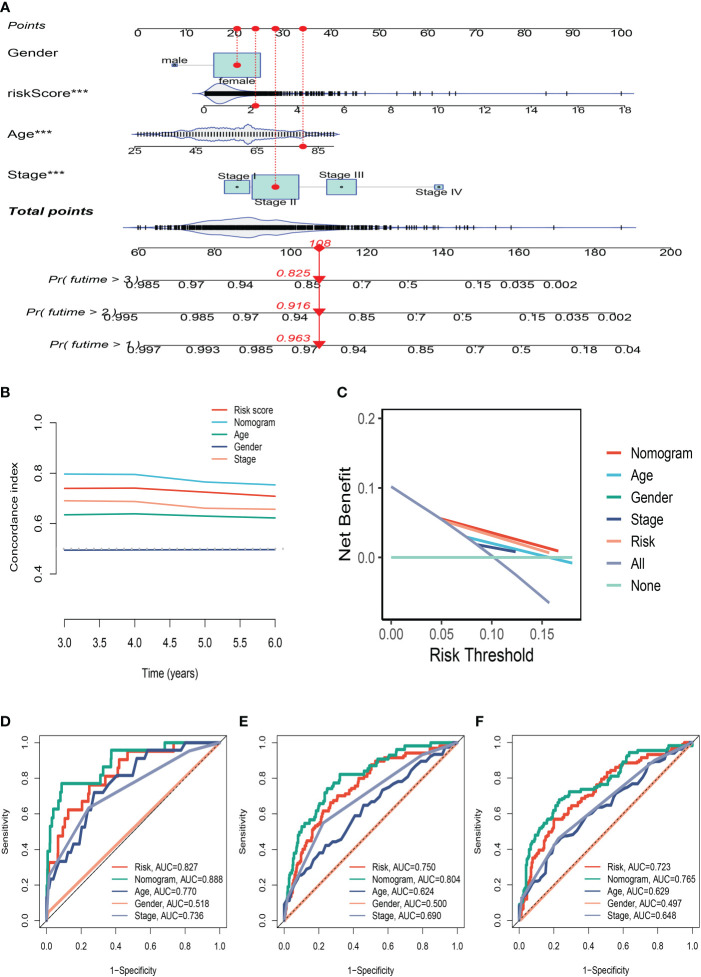
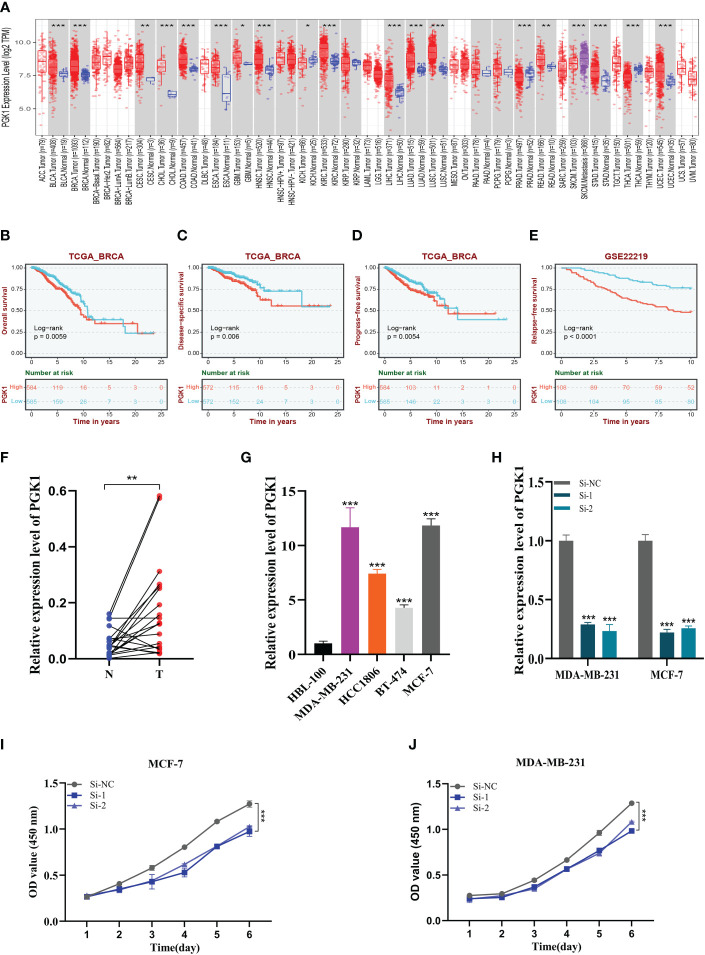
We downloaded BC data from the TCGA database and GEO database, on which we performed in depth single-cell sequencing analysis (scRNA-seq), weighted co-expression network analysis, and transcriptome differential expression analysis. Then seven sphingolipid-related genes (SRGs) were identified using Cox regression, least absolute shrinkage, and selection operator (Lasso) regression analysis to construct a prognostic model for BC patients. Finally, the expression and function of the key gene PGK1 in the model were verified by experiments.
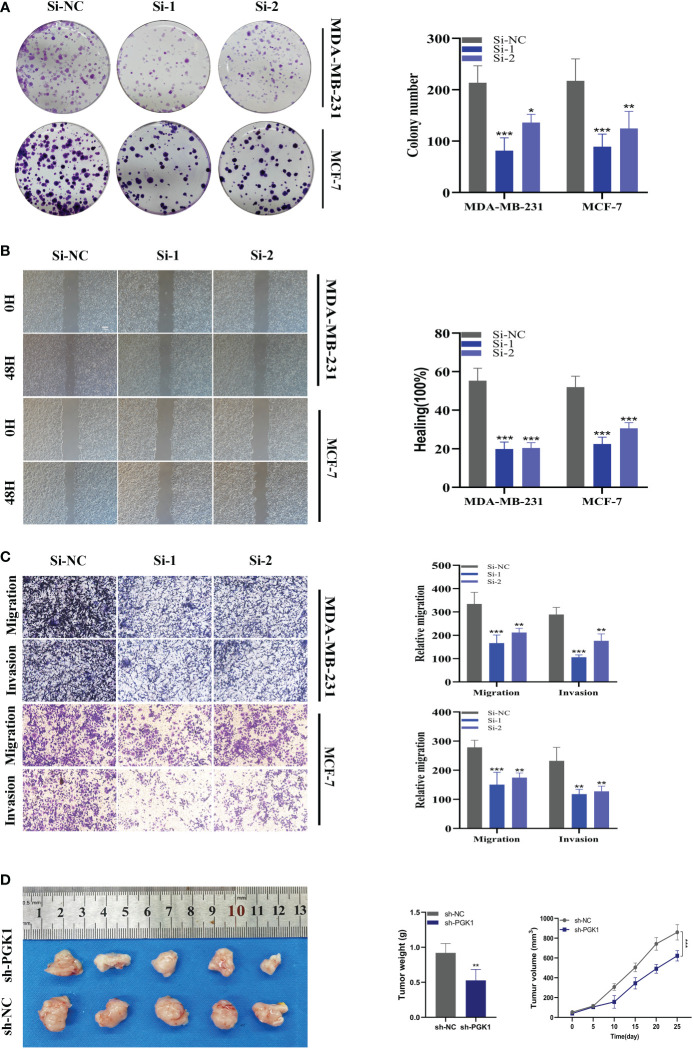
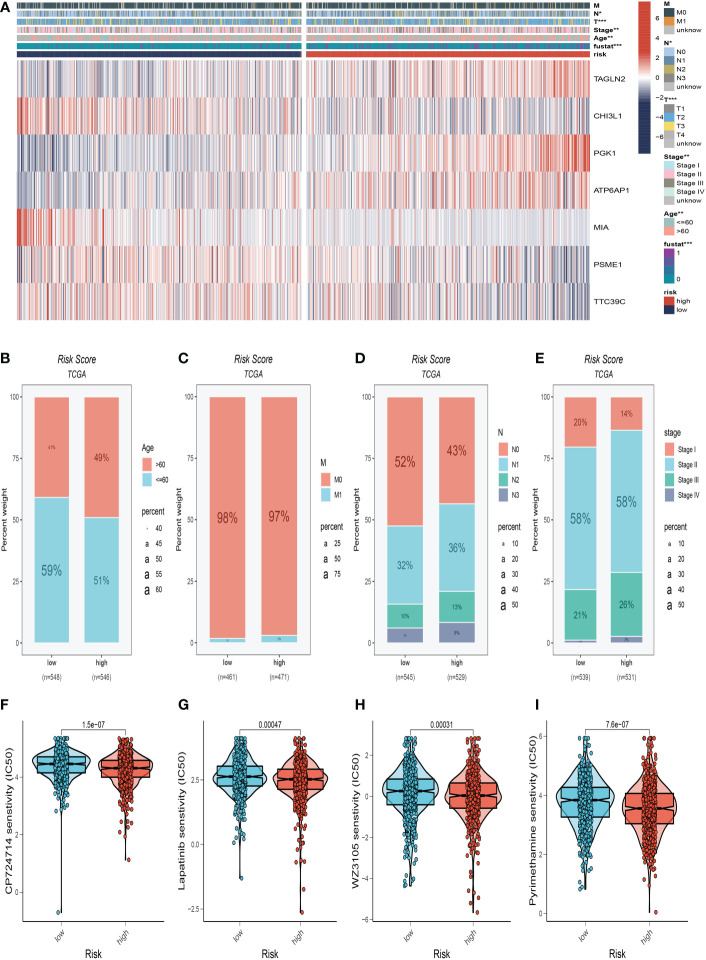
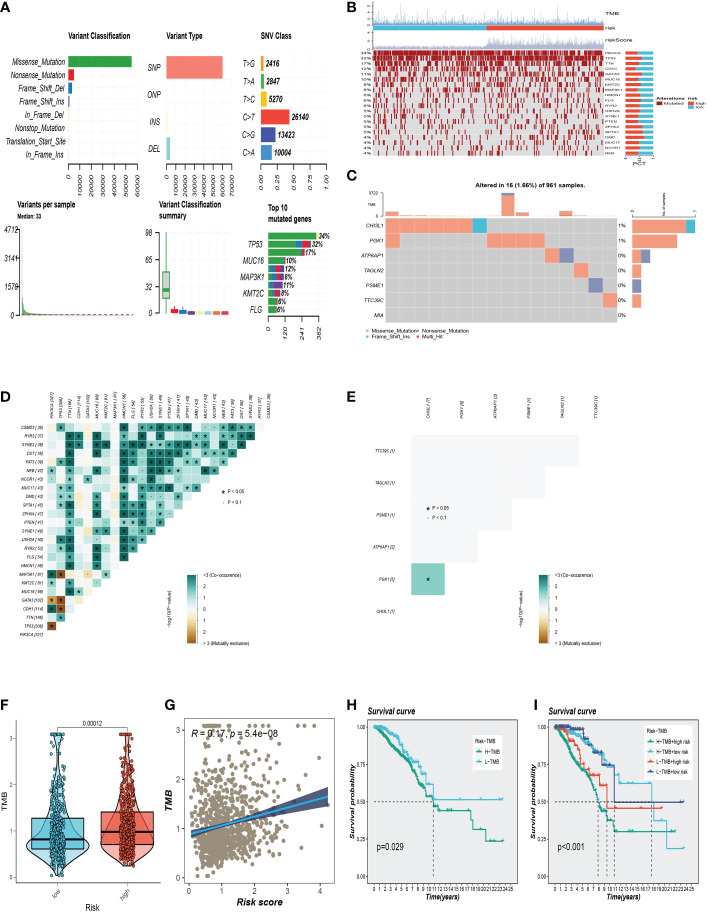
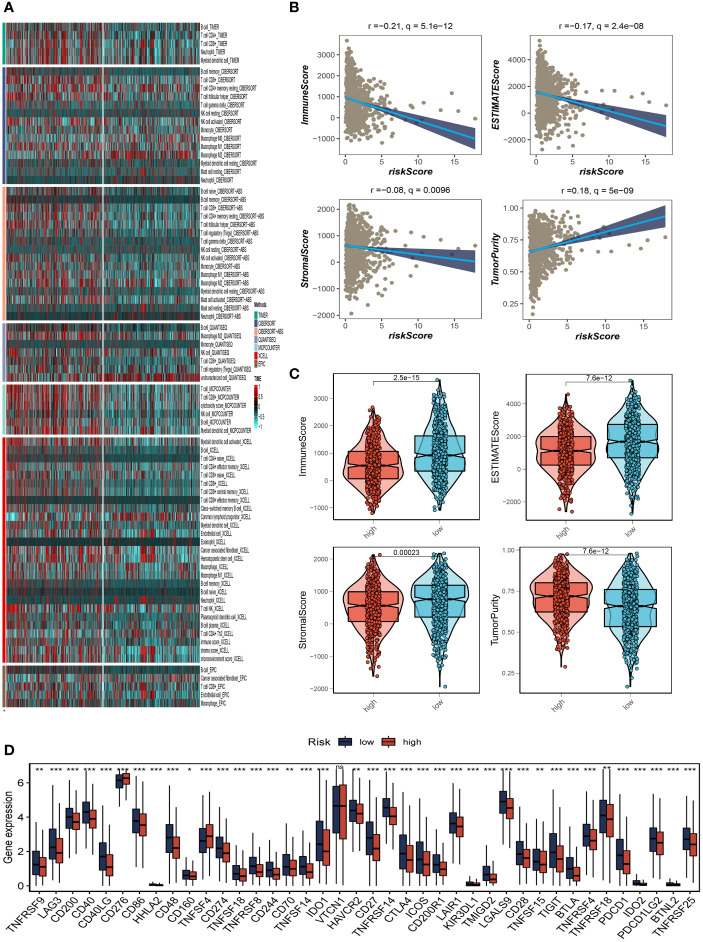
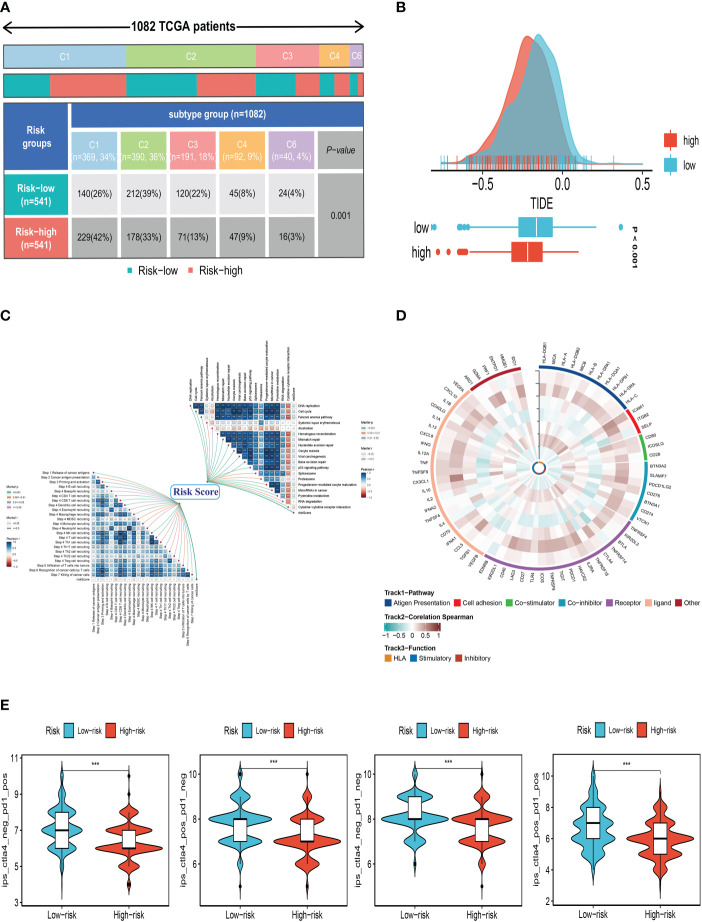
This prognostic model allows for the classification of BC patients into high-risk and low-risk groups, with a statistically significant difference in survival time between the two groups. The model is also able to show high prediction accuracy in both internal and external validation sets. After further analysis of the immune microenvironment and immunotherapy, it was found that this risk grouping could be used as a guide for the immunotherapy of BC. The proliferation, migration, and invasive ability of MDA-MB-231 and MCF-7 cell lines were dramatically reduced after knocking down the key gene PGK1 in the model through cellular experiments.
This study suggests that prognostic features based on genes related to SM are associated with clinical outcomes, tumor progression, and immune alterations in BC patients. Our findings may provide insights for the development of new strategies for early intervention and prognostic prediction in BC.
尽管癌症研究取得了巨大进展,但乳腺癌(BC)仍然是一个主要的健康关注点,也是全球范围内最常见的女性癌症。乳腺癌是一种高度异质性的癌症,具有潜在的侵袭性和复杂性生物学特性,针对特定亚型的精准治疗可能会改善乳腺癌患者的生存。鞘脂是脂质的重要组成部分,在肿瘤细胞的生长和死亡中发挥关键作用,并且越来越成为新的抗癌治疗的主题。鞘脂代谢(SM)的关键酶和中间产物在调节肿瘤细胞方面发挥重要作用,并进一步影响临床预后。
我们从 TCGA 数据库和 GEO 数据库下载了 BC 数据,对其进行了深入的单细胞测序分析(scRNA-seq)、加权共表达网络分析和转录组差异表达分析。然后,我们使用 Cox 回归、最小绝对收缩和选择算子(Lasso)回归分析,从这些数据中鉴定出七个与鞘脂相关的基因(SRGs),以构建用于 BC 患者的预后模型。最后,通过实验验证了模型中关键基因 PGK1 的表达和功能。
该预后模型能够将 BC 患者分为高危组和低危组,两组之间的生存时间存在统计学差异。该模型在内部和外部验证集中均具有较高的预测准确性。进一步分析免疫微环境和免疫治疗后发现,这种风险分组可作为指导 BC 免疫治疗的依据。通过细胞实验敲低模型中的关键基因 PGK1 后,MDA-MB-231 和 MCF-7 细胞系的增殖、迁移和侵袭能力显著降低。
本研究表明,基于与 SM 相关的基因的预后特征与 BC 患者的临床结局、肿瘤进展和免疫改变相关。我们的研究结果可能为开发新的早期干预和预后预测策略提供新的思路。