Department of Breast Surgery, The First Affiliated Hospital of Nanjing Medical University, Nanjing, China.
Department of Thoracic Surgery, The First Affiliated Hospital of Nanjing Medical University, Nanjing, China.
Front Endocrinol (Lausanne). 2023 Feb 10;14:1135297. doi: 10.3389/fendo.2023.1135297. eCollection 2023.
Although breast cancer (BC) treatment has entered the era of precision therapy, the prognosis is good in the case of comprehensive multimodal treatment such as neoadjuvant, endocrine, and targeted therapy. However, due to its high heterogeneity, some patients still cannot benefit from conventional treatment and have poor survival prognoses. Amino acids and their metabolites affect tumor development, alter the tumor microenvironment, play an increasingly obvious role in immune response and regulation of immune cell function, and are involved in acquired and innate immune regulation; therefore, amino acid metabolism is receiving increasing attention.
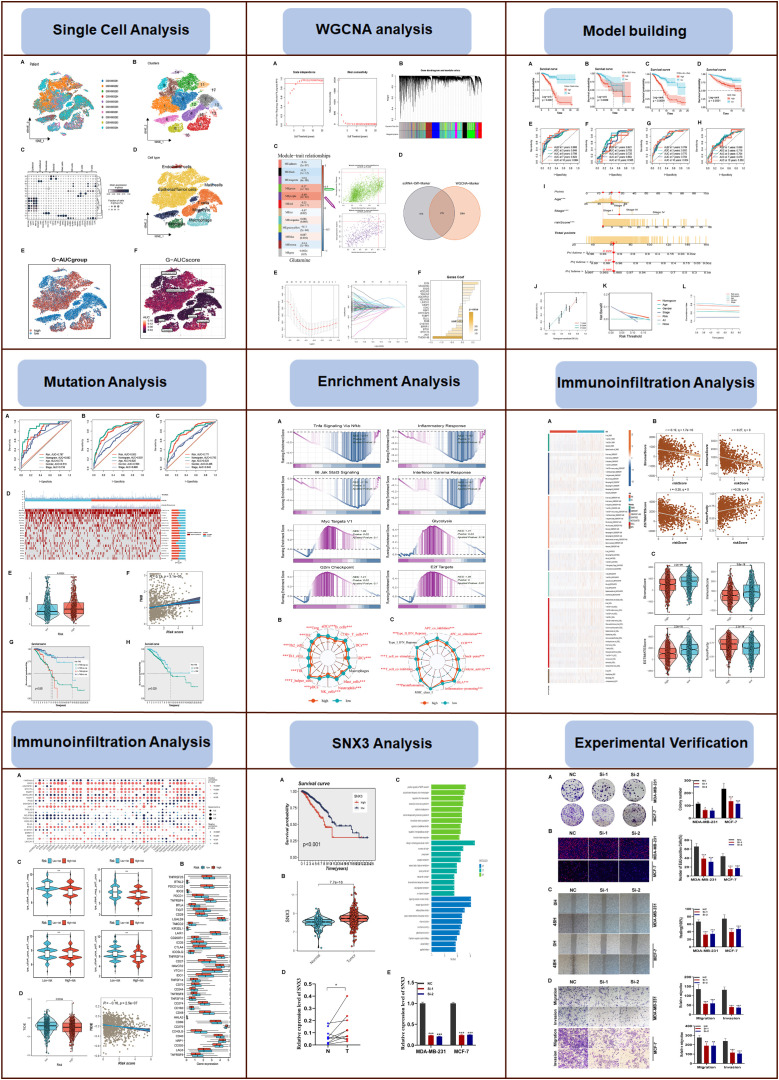
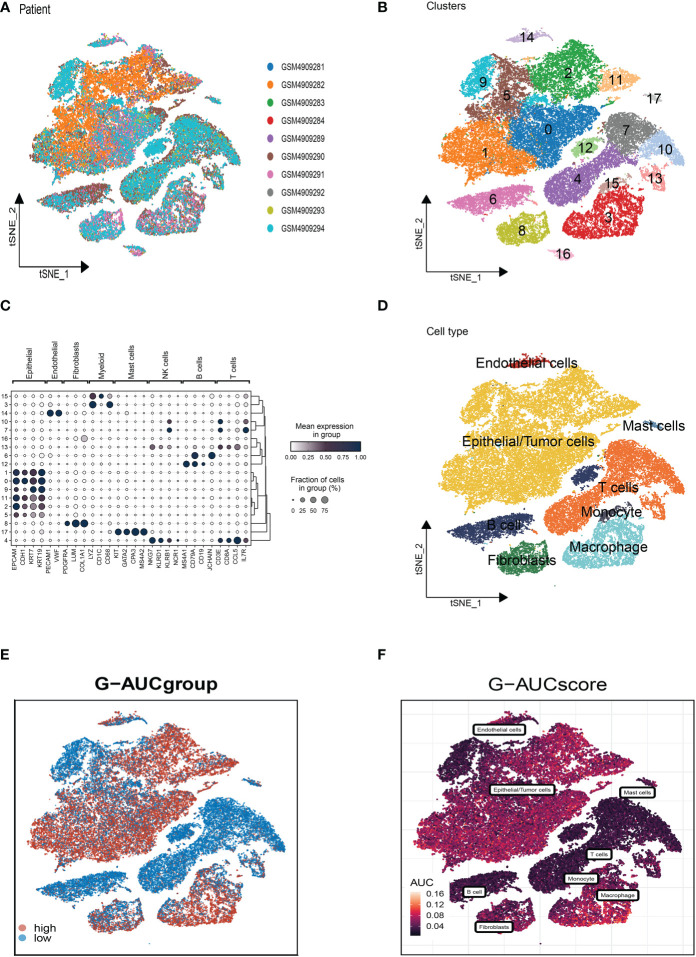
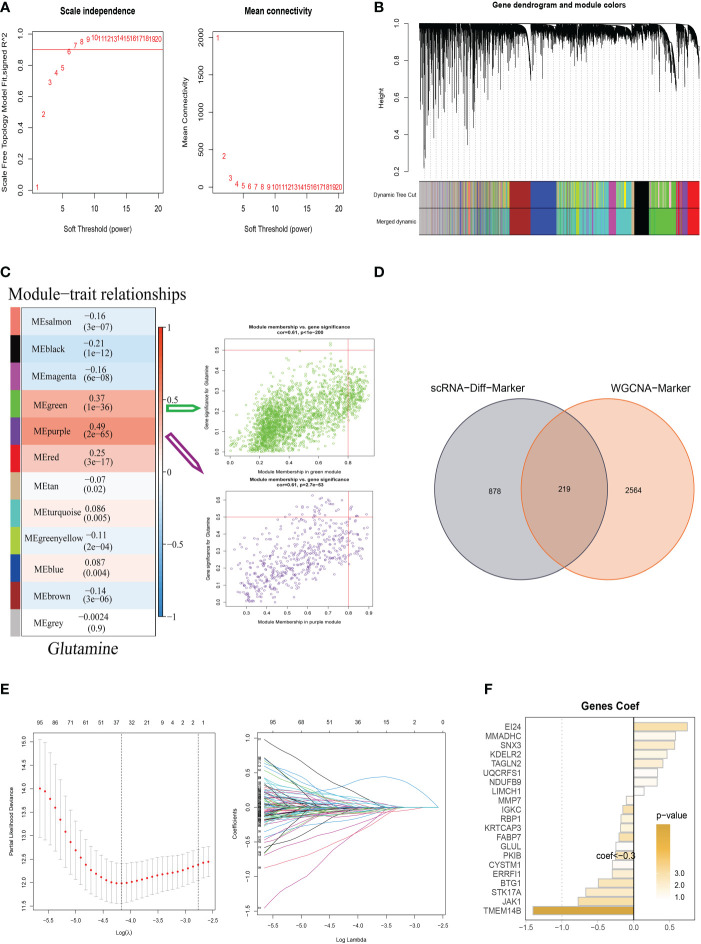
Based on public datasets, we carried out a comprehensive transcriptome and single-cell sequencing investigation. Then we used 2.5 Weighted Co-Expression Network Analysis (WGCNA) and Cox to evaluate glutamine metabolism-related genes (GRGs) in BC and constructed a prognostic model for BC patients. Finally, the expression and function of the signature key gene SNX3 were examined by experiments.
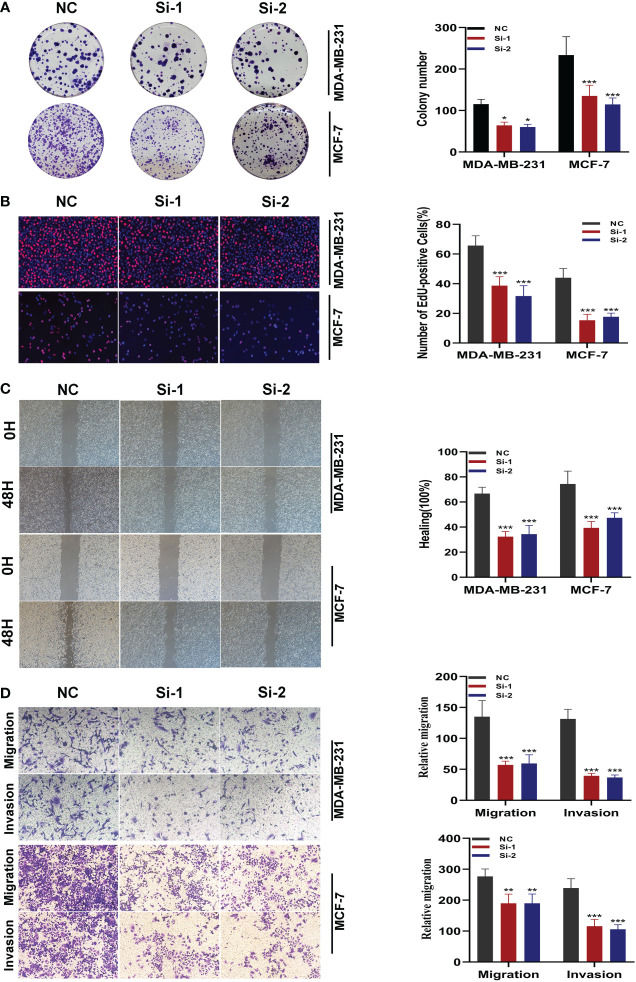
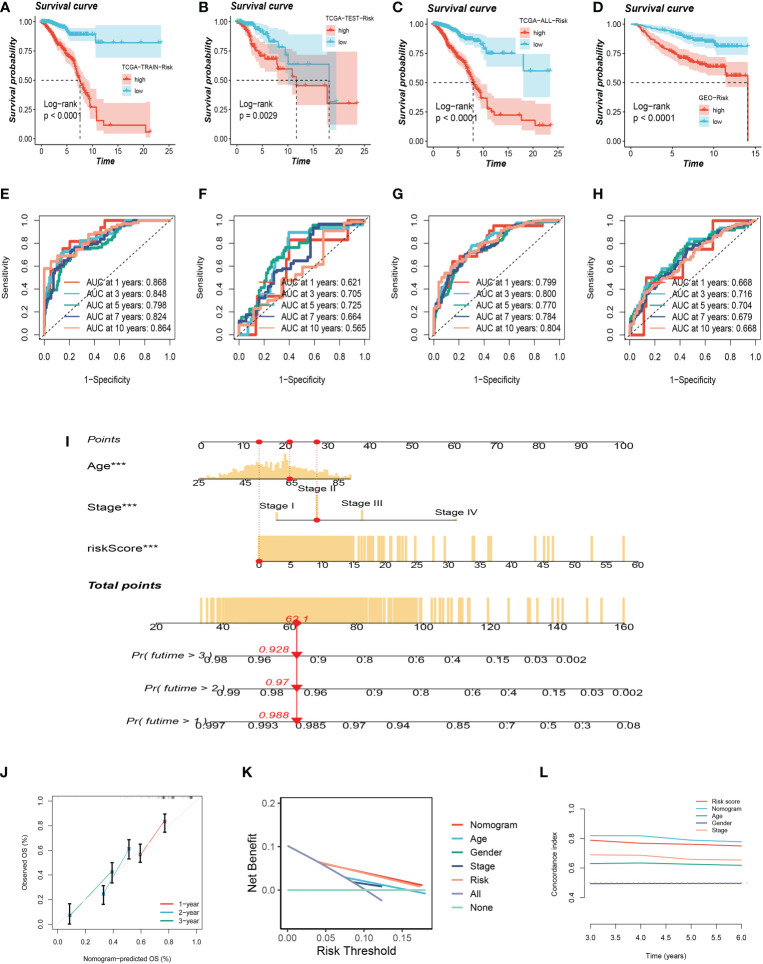
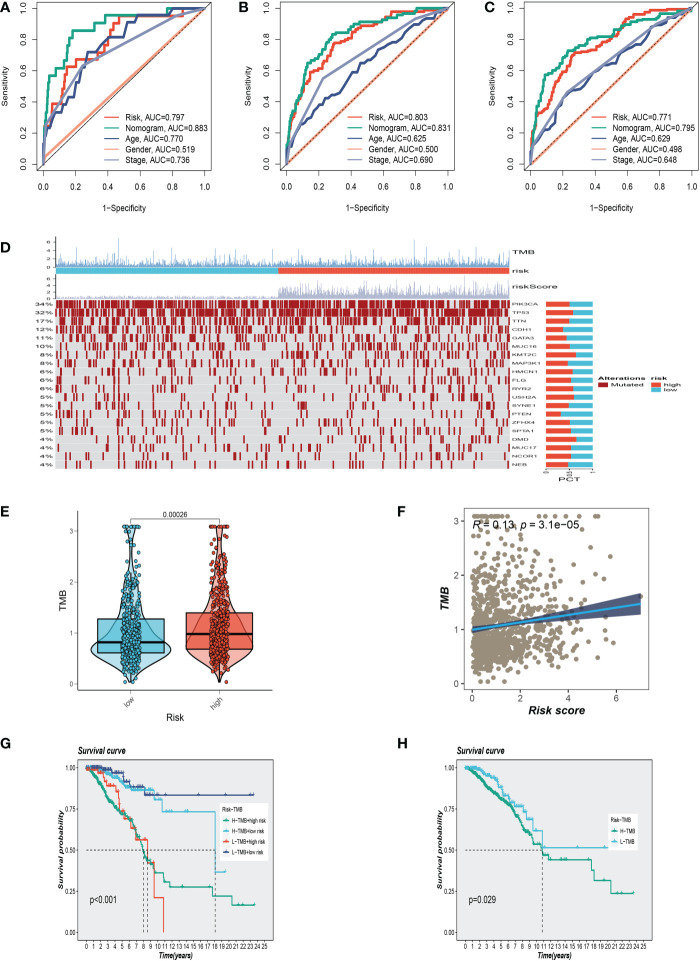
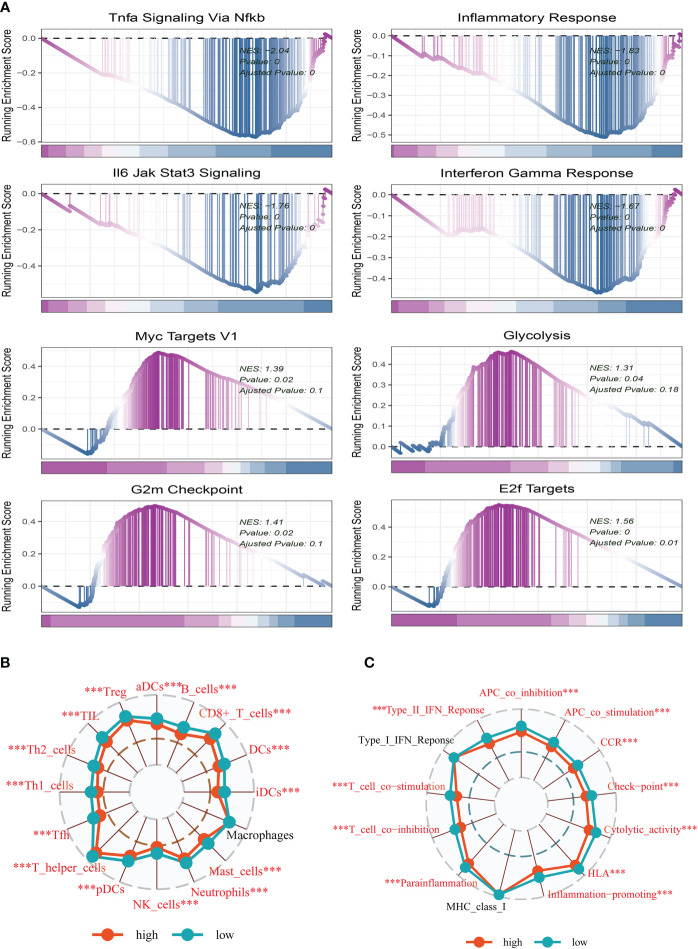
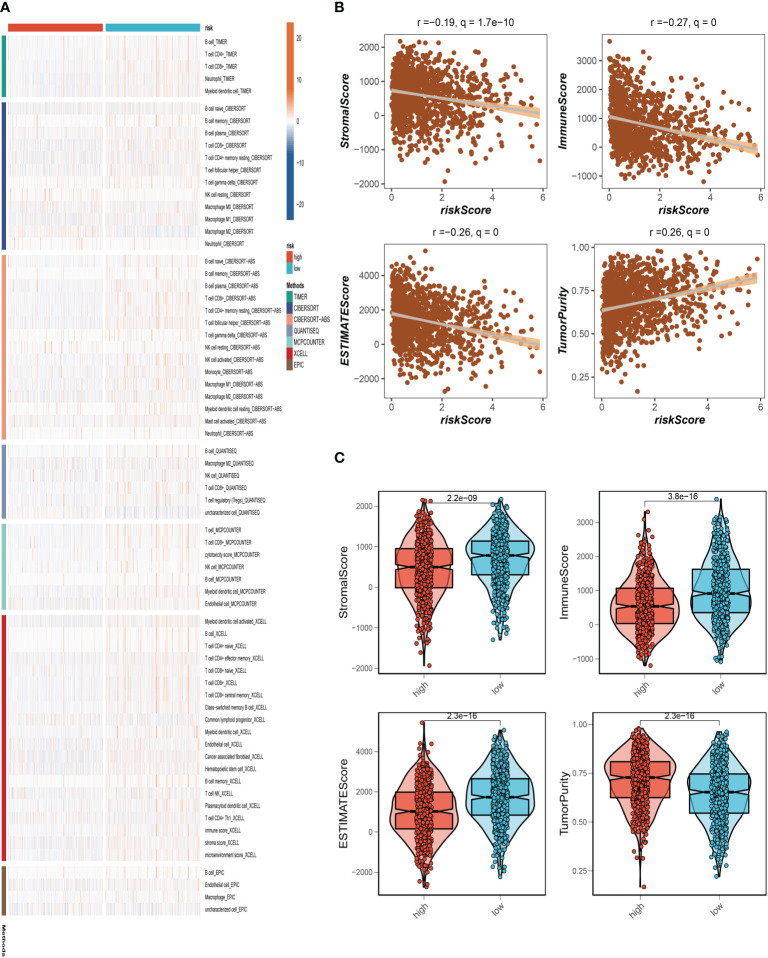
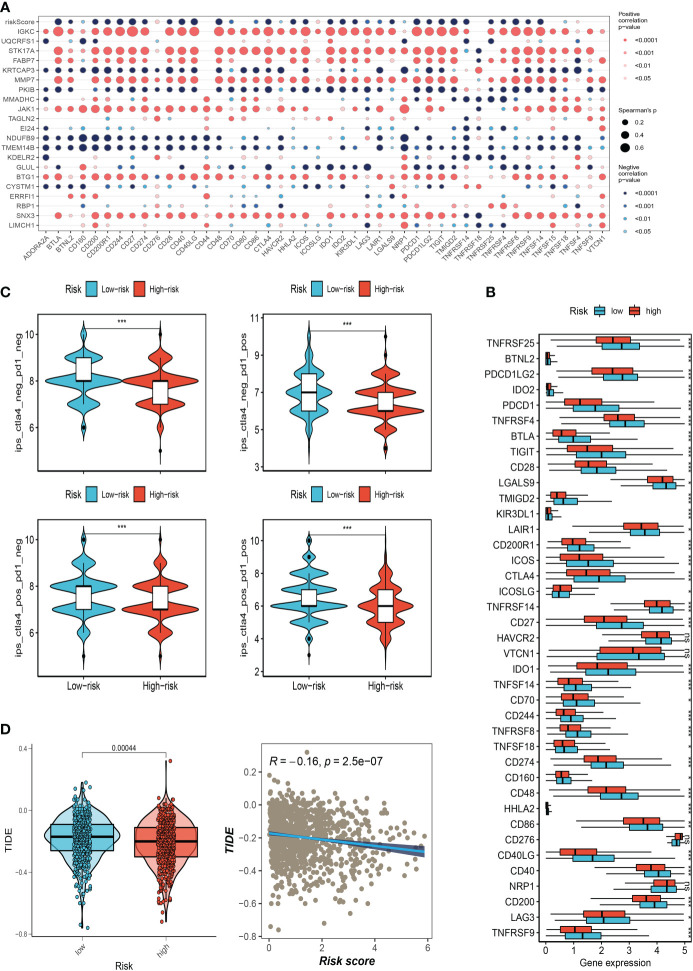
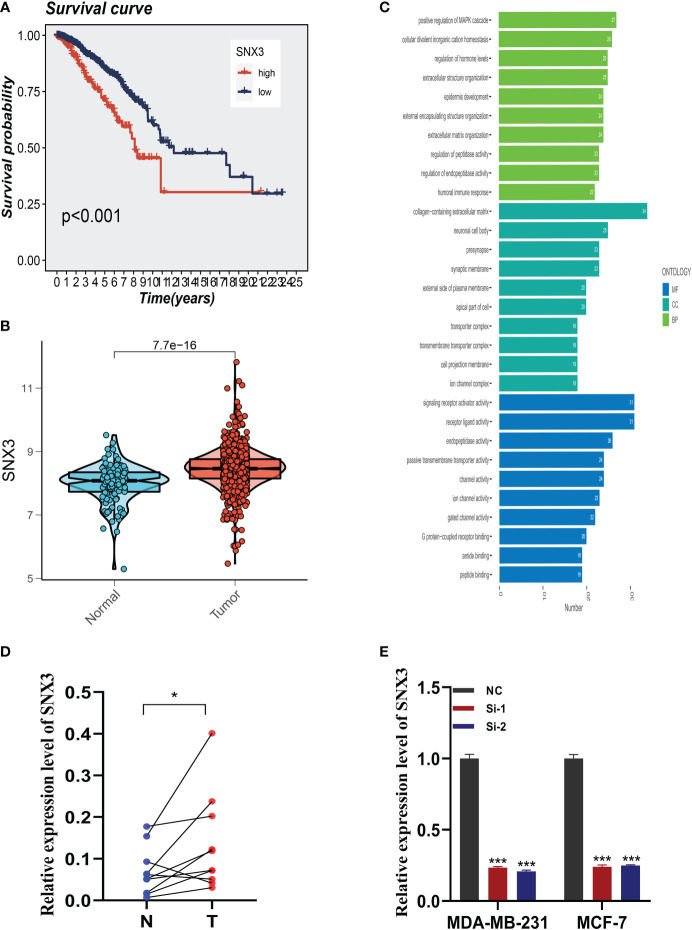
In this study, we constituted a risk signature to predict overall survival (OS) in BC patients by glutamine-related genes. According to our risk signature, BC patients can obtain a Prognostic Risk Signature (PRS), and the response to immunotherapy can be further stratified according to PRS. Compared with traditional clinicopathological features, PRS demonstrated robust prognostic power and accurate survival prediction. In addition, altered pathways and mutational patterns were analyzed in PRS subgroups. Our study sheds some light on the immune status of BC. In experiments, the knockdown of SNX3, an essential gene in the signature, resulted in a dramatic reduction in proliferation, invasion, and migration of MDA-MB-231 and MCF-7 cell lines.
We established a brand-new PRS consisting of genes associated with glutamine metabolism. It expands unique ideas for the diagnosis, treatment, and prognosis of BC.
尽管乳腺癌(BC)治疗已经进入精准治疗时代,但在新辅助、内分泌和靶向治疗等综合多模式治疗下,预后良好。然而,由于其高度异质性,一些患者仍然不能从常规治疗中受益,生存预后较差。氨基酸及其代谢物影响肿瘤的发展,改变肿瘤微环境,在免疫反应和免疫细胞功能调节中发挥越来越明显的作用,并参与获得性和先天性免疫调节;因此,氨基酸代谢受到越来越多的关注。
基于公共数据集,我们进行了全面的转录组和单细胞测序研究。然后,我们使用 2.5 加权共表达网络分析(WGCNA)和 Cox 评估 BC 中的谷氨酰胺代谢相关基因(GRG),并构建 BC 患者的预后模型。最后,通过实验检验特征关键基因 SNX3 的表达和功能。
在这项研究中,我们通过谷氨酰胺相关基因构建了一个预测 BC 患者总生存(OS)的风险签名。根据我们的风险签名,BC 患者可以获得预后风险签名(PRS),并可以根据 PRS 进一步分层免疫治疗反应。与传统的临床病理特征相比,PRS 显示出强大的预后能力和准确的生存预测。此外,还分析了 PRS 亚组中的改变途径和突变模式。我们的研究揭示了一些关于 BC 免疫状态的信息。在实验中,SNX3 是签名中必不可少的基因,其敲低导致 MDA-MB-231 和 MCF-7 细胞系的增殖、侵袭和迁移显著减少。
我们建立了一个由与谷氨酰胺代谢相关的基因组成的全新 PRS。它为 BC 的诊断、治疗和预后提供了独特的思路。