Mazloomnejad Radman, Babajani Amirhesam, Kasravi Mohammadreza, Ahmadi Armin, Shariatzadeh Siavash, Bahrami Soheyl, Niknejad Hassan
Department of Pharmacology, School of Medicine, Shahid Beheshti University of Medical Sciences, Tehran, Iran.
Department of Surgery, University of California Los Angeles, Los Angeles, CA, United States.
Front Bioeng Biotechnol. 2023 Feb 16;11:1103727. doi: 10.3389/fbioe.2023.1103727. eCollection 2023.
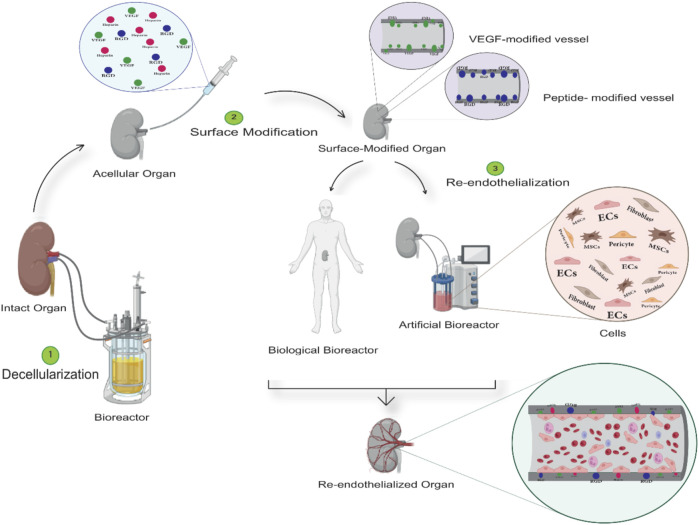
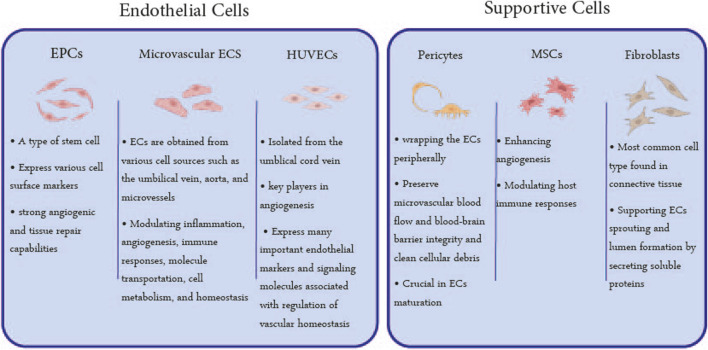
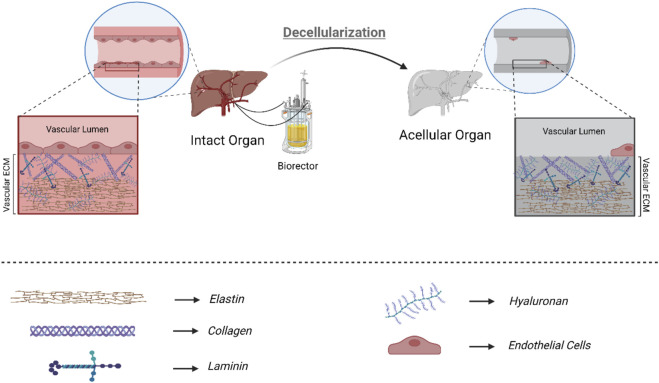
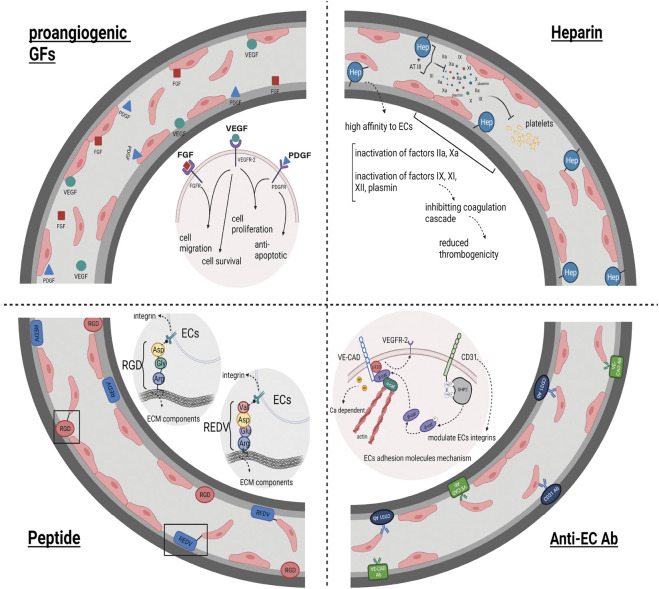
Decellularization of tissues and organs has recently become a promising approach in tissue engineering and regenerative medicine to circumvent the challenges of organ donation and complications of transplantations. However, one main obstacle to reaching this goal is acellular vasculature angiogenesis and endothelialization. Achieving an intact and functional vascular structure as a vital pathway for supplying oxygen and nutrients remains the decisive challenge in the decellularization/re-endothelialization procedure. In order to better understand and overcome this issue, complete and appropriate knowledge of endothelialization and its determining variables is required. Decellularization methods and their effectiveness, biological and mechanical characteristics of acellular scaffolds, artificial and biological bioreactors, and their possible applications, extracellular matrix surface modification, and different types of utilized cells are factors affecting endothelialization consequences. This review focuses on the characteristics of endothelialization and how to optimize them, as well as discussing recent developments in the process of re-endothelialization.
组织和器官的去细胞化近来已成为组织工程和再生医学中一种很有前景的方法,以规避器官捐赠的挑战和移植并发症。然而,实现这一目标的一个主要障碍是无细胞脉管系统的血管生成和内皮化。作为供应氧气和营养物质的重要途径,构建完整且功能正常的血管结构仍然是去细胞化/再内皮化过程中的决定性挑战。为了更好地理解和克服这一问题,需要全面且恰当了解内皮化及其决定因素。去细胞化方法及其有效性、无细胞支架的生物学和力学特性、人工和生物生物反应器及其可能的应用、细胞外基质表面修饰以及所使用的不同类型细胞,都是影响内皮化结果的因素。本综述重点关注内皮化的特征及其优化方法,同时讨论再内皮化过程中的最新进展。