Saleh Sepeedeh, Sambakunsi Henry, Makina Debora, Chinouya Martha, Kumwenda Moses, Chirombo James, Semple Sean, Mortimer Kevin, Rylance Jamie
Liverpool School of Tropical Medicine, LIVERPOOL, L3 5QA, UK.
Malawi Liverpool Wellcome Trust Clinical Research Programme, Blantyre, P.O. Box 30096, Malawi.
Wellcome Open Res. 2023 Feb 21;7:251. doi: 10.12688/wellcomeopenres.18050.2. eCollection 2022.
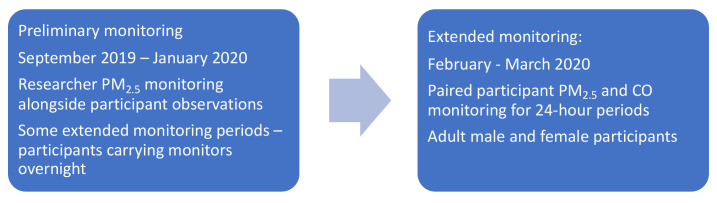
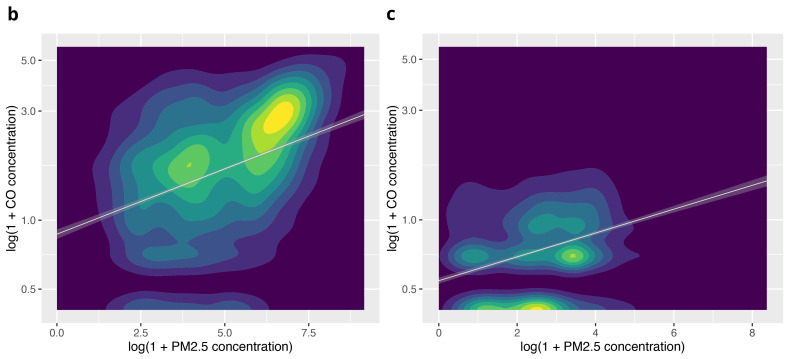
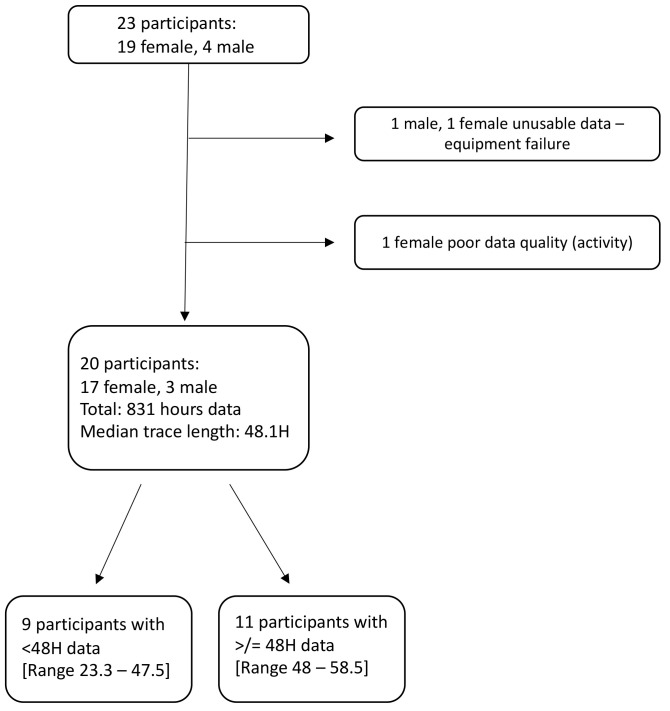
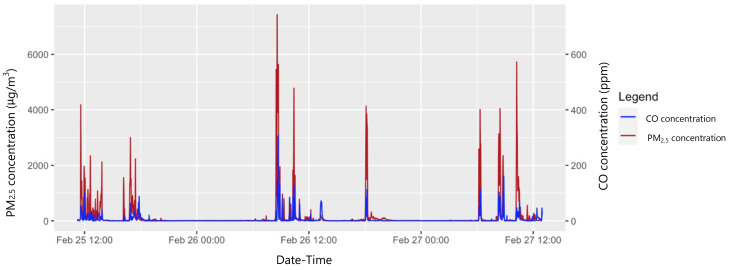
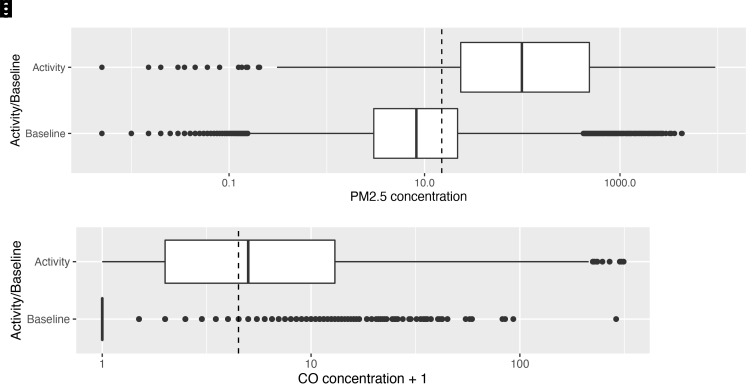
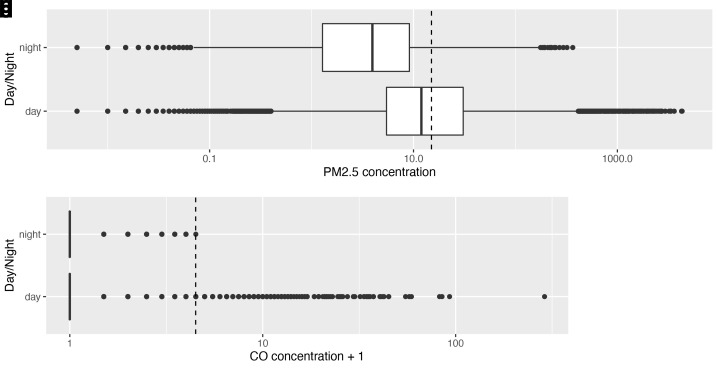
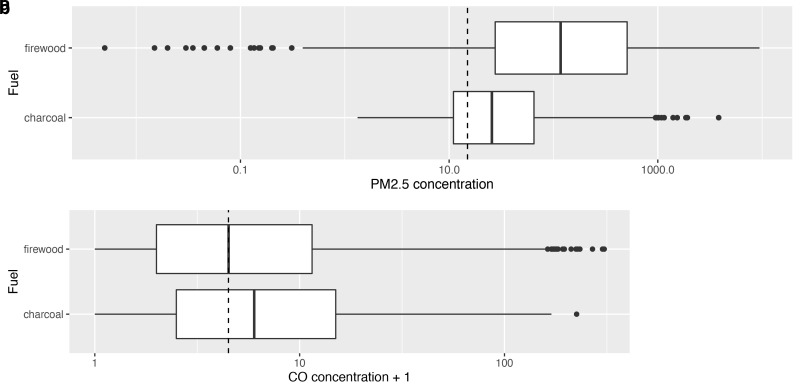
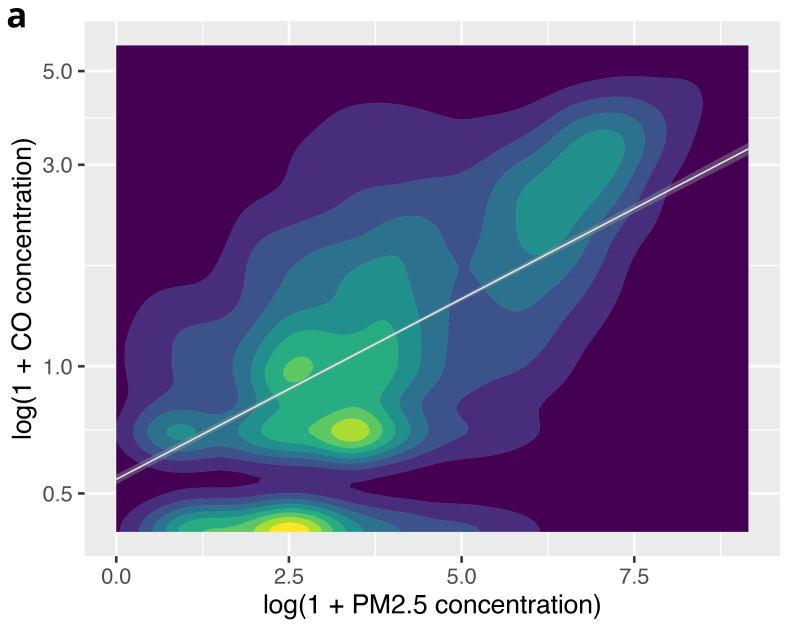
Air pollution is a major environmental risk factor for cardiorespiratory disease. Exposures to household air pollution from cooking and other activities, are particularly high in Southern Africa. Following an extended period of participant observation in a village in Malawi, we aimed to assess individuals' exposures to fine particulate matter (PM ) and carbon monoxide (CO) and to investigate the different sources of exposure, including different cooking methods. Adult residents of a village in Malawi wore personal PM and CO monitors for 24-48 hours, sampling every 1 (CO) or 2 minutes (PM ). Subsequent in-person interviews recorded potential exposure details over the time periods. We present means and interquartile ranges for overall exposures and summaries stratified by time and activity (exposure). We employed multivariate regression to further explore these characteristics, and Spearman rank correlation to examine the relationship between paired PM and CO exposures. Twenty participants (17 female; median age 40 years, IQR: 37-56) provided 831 hours of paired PM and CO data. Concentrations of PM during combustion activity, usually cooking, far exceeded background levels (no combustion activity): 97.9μg/m (IQR: 22.9-482.0), vs 7.6μg/m , IQR: 2.5-20.6 respectively. Background PM concentrations were higher during daytime hours (11.7μg/m [IQR: 5.2-30.0] vs 3.3μg/m at night [IQR: 0.7-8.2]). Highest exposures were influenced by cooking location but associated with charcoal use (for CO) and firewood on a three-stone fire (for PM ). Cooking-related exposures were higher in more ventilated places, such as outside the household or on a walled veranda, than during indoor cooking. The study demonstrates the value of combining personal PM exposure data with detailed contextual information for providing deeper insights into pollution sources and influences. The finding of similar/lower exposures during cooking in seemingly less-ventilated places should prompt a re-evaluation of proposed clean air interventions in these settings.
空气污染是导致心肺疾病的主要环境风险因素。在南部非洲,因烹饪和其他活动导致的家庭空气污染暴露尤为严重。在对马拉维一个村庄进行了长时间的参与观察之后,我们旨在评估个人对细颗粒物(PM)和一氧化碳(CO)的暴露情况,并调查不同的暴露源,包括不同的烹饪方法。马拉维一个村庄的成年居民佩戴个人PM和CO监测器24至48小时,CO每1分钟采样一次,PM每2分钟采样一次。随后的面对面访谈记录了这些时间段内潜在的暴露细节。我们给出了总体暴露的均值和四分位间距,以及按时间和活动(暴露)分层的汇总数据。我们采用多元回归进一步探究这些特征,并使用斯皮尔曼等级相关来检验配对的PM和CO暴露之间的关系。20名参与者(17名女性;年龄中位数40岁,四分位间距:37 - 56岁)提供了831小时的配对PM和CO数据。燃烧活动(通常是烹饪)期间的PM浓度远远超过背景水平(无燃烧活动):分别为97.9μg/m³(四分位间距:22.9 - 482.0)和7.6μg/m³,四分位间距:2.5 - 20.6。白天的背景PM浓度更高(11.7μg/m³ [四分位间距:5.2 - 30.0],而夜间为3.3μg/m³ [四分位间距:0.7 - 8.2])。最高暴露受烹饪地点影响,但与使用木炭(对于CO)和在三块石头的火上使用木柴(对于PM)有关。与烹饪相关的暴露在通风较好的地方,如户外或有围墙的走廊上,比室内烹饪时更高。该研究证明了将个人PM暴露数据与详细的背景信息相结合,对于更深入了解污染源和影响因素的价值。在看似通风较差的地方烹饪时暴露相似/较低的这一发现,应促使对这些环境中拟议的清洁空气干预措施进行重新评估。