Zhang Jun-Jie, Zhang Yu, Chen Qian, Chen Qi-Ning, Yang Xin, Zhu Xiao-Lin, Hao Chun-Yan, Duan Hu-Bin
Department of Neurosurgery, First Hospital of Shanxi Medical University, Taiyuan, Shanxi, 030001, People's Republic of China.
Department of Neurosurgery, Beijing Tiantan Hospital, Capital Medical University, Beijing, People's Republic of China.
J Inflamm Res. 2023 Mar 1;16:895-916. doi: 10.2147/JIR.S398775. eCollection 2023.
Immune microenvironment serves a vital role in glioma progression, and a large number of studies have found that tumor progression can be reduced to some extent by modulating the immune process in tumors.
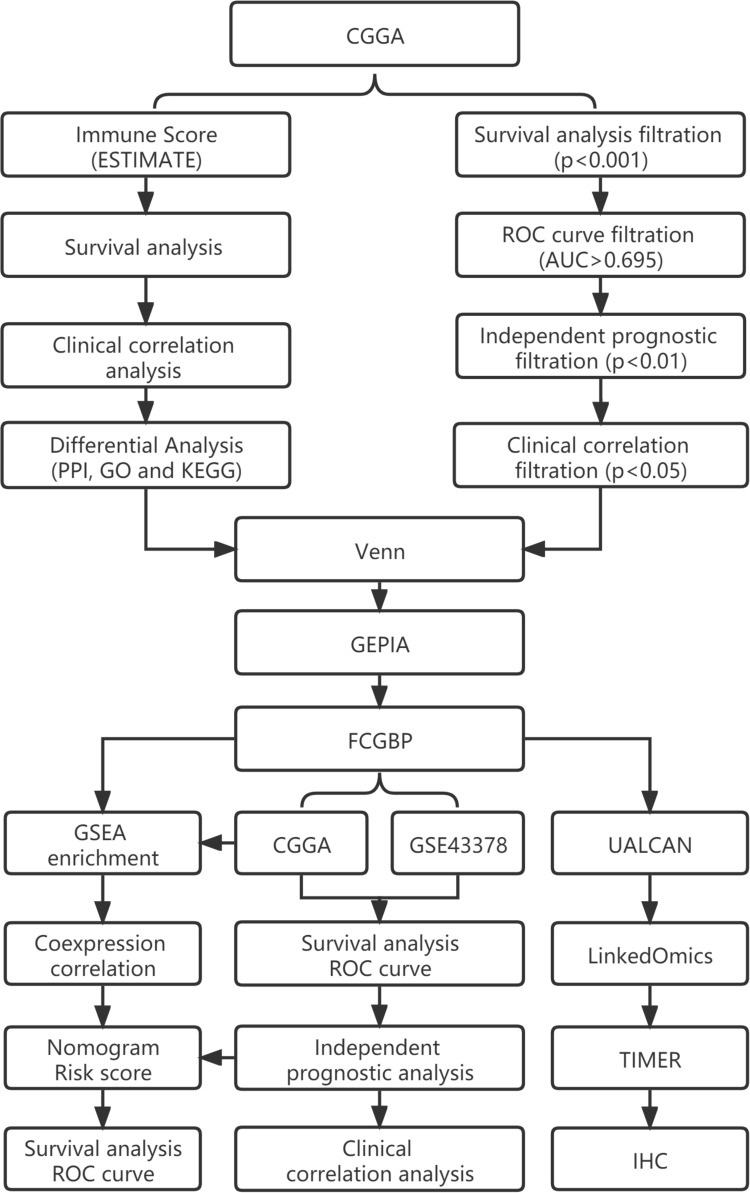
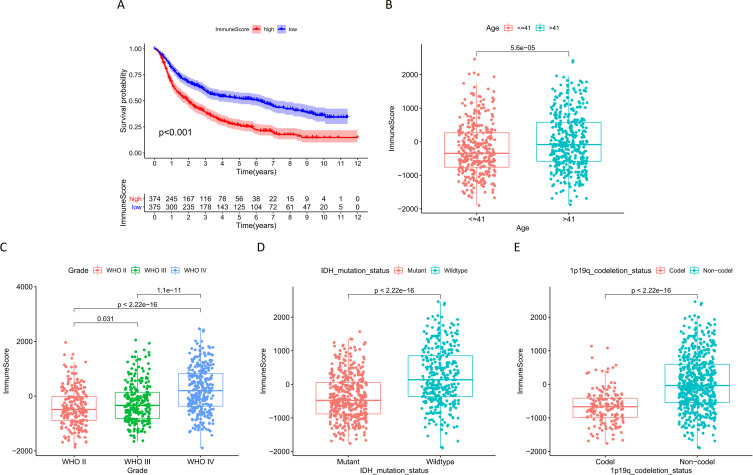
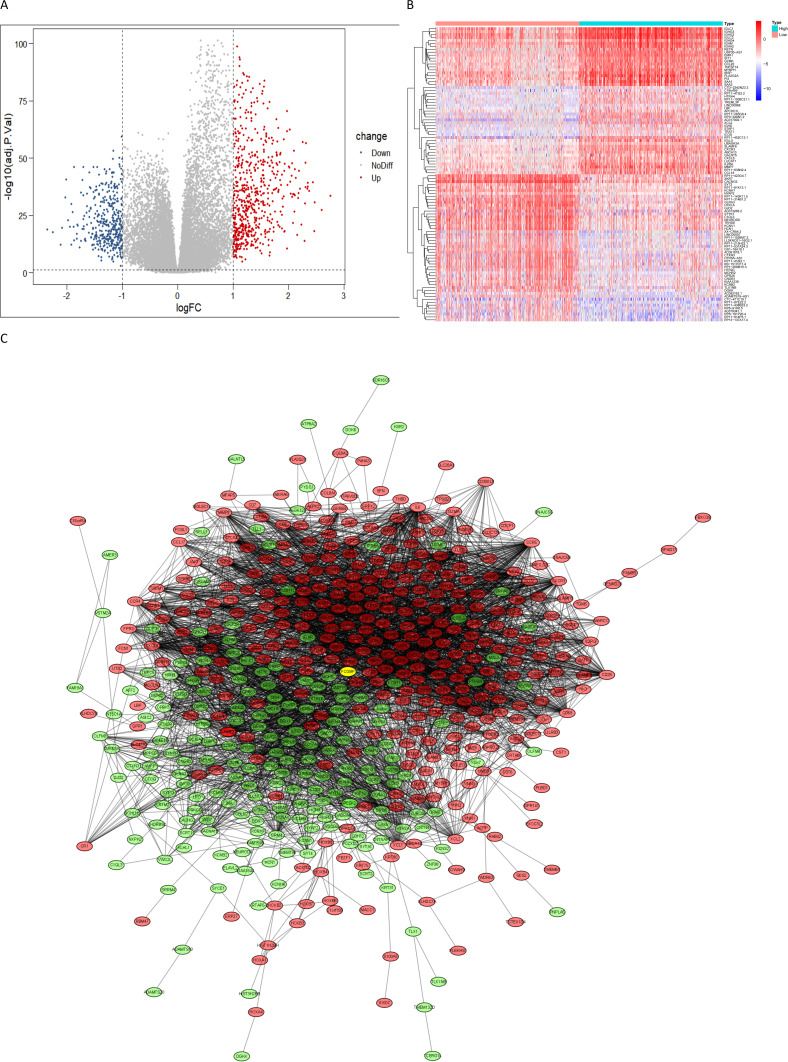
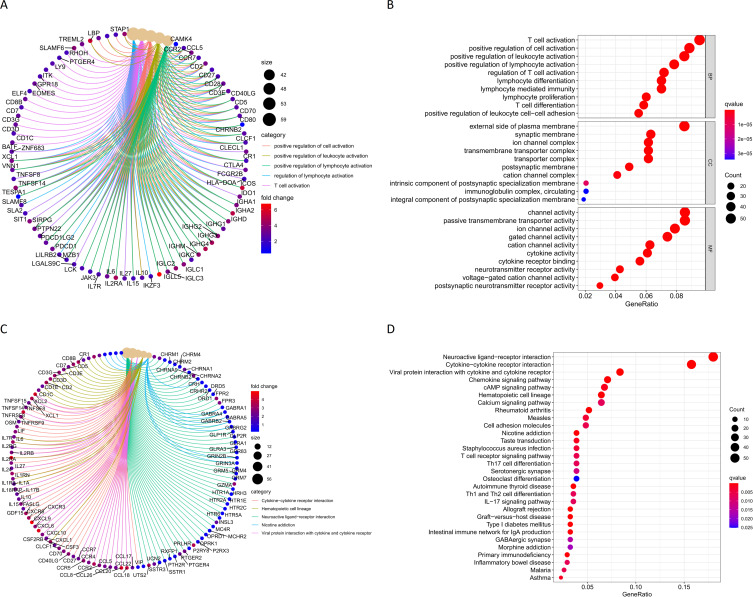
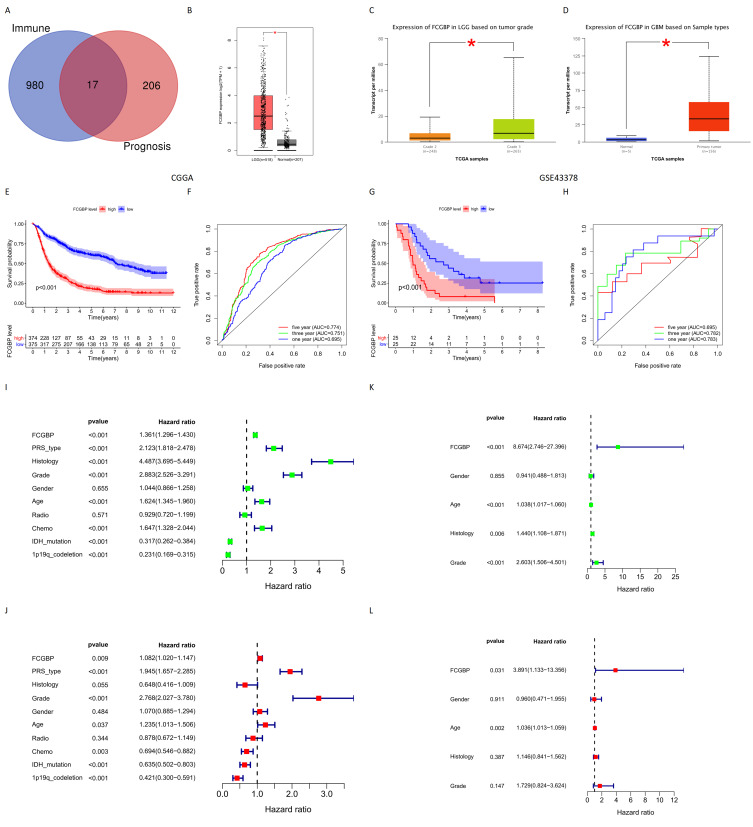
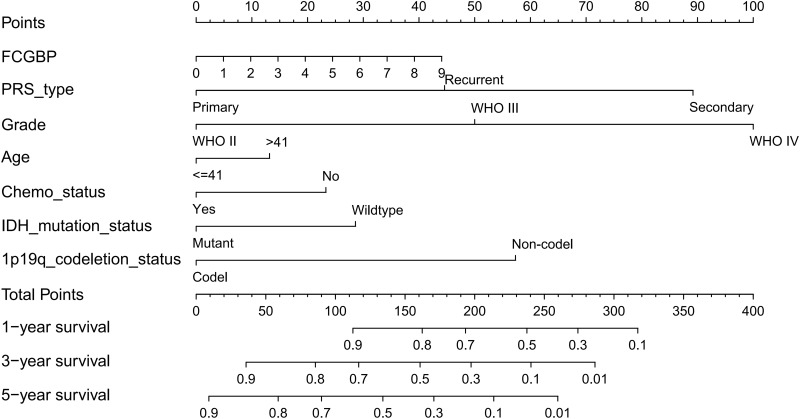
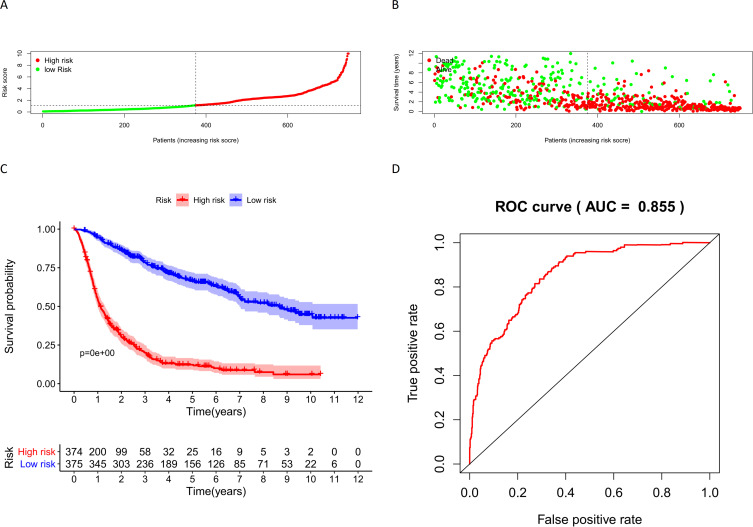
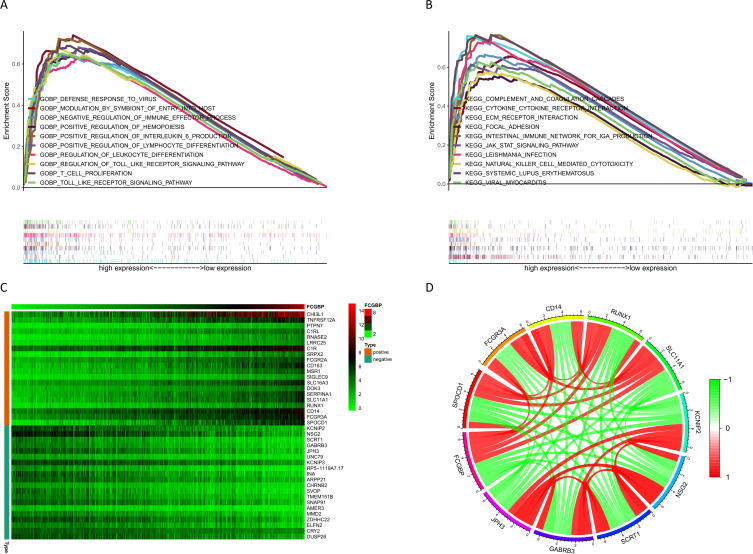
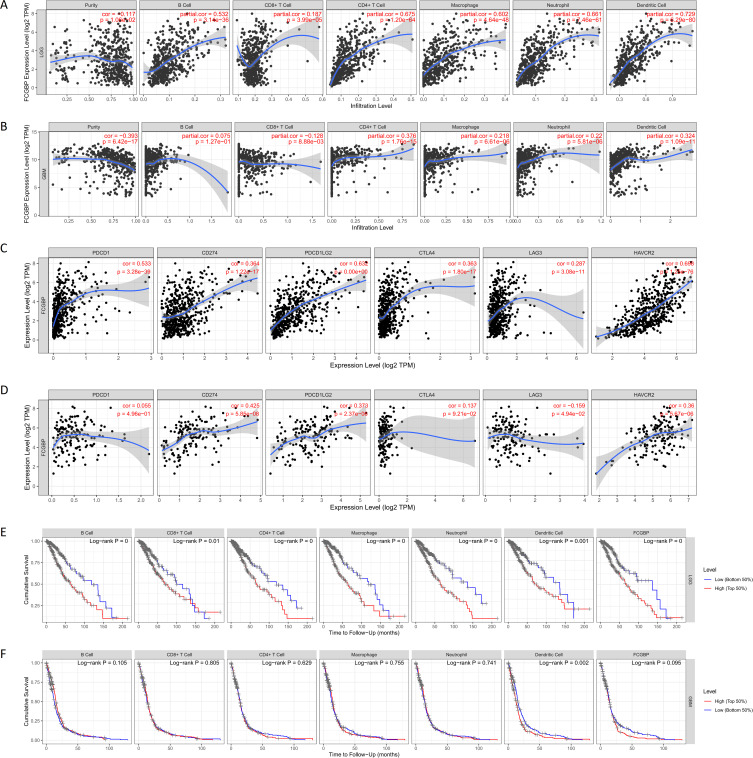
ImmuneScore of each sample in CGGA datasets were calculated with Estimate R package, and samples were grouped by median ImmuneScore values for differential analysis to obtain immune microenvironment differential genes. We further conducted survival analysis, ROC curve analysis, independent prognostic analysis, and clinical correlation analysis on glioma sample genes in CGGA to obtain glioma prognostic genes, and then identified their intersection with immune microenvironment DEGs by Venn tool. The GEPIA and UALCAN databases were used to verify the differential expression of intersecting genes in the glioma and normal brain and to identify our target gene. After validation of their prognostic value, we constructed a nomogram to calculate the risk score and to estimate the accuracy of prognostic model. We mined co-expression genes, enriched functions and pathways, and correlations to immune cell infiltration of unigene with an online database. Finally, we verified the differential expression of FCGBP in glioma by immunohistochemical staining.
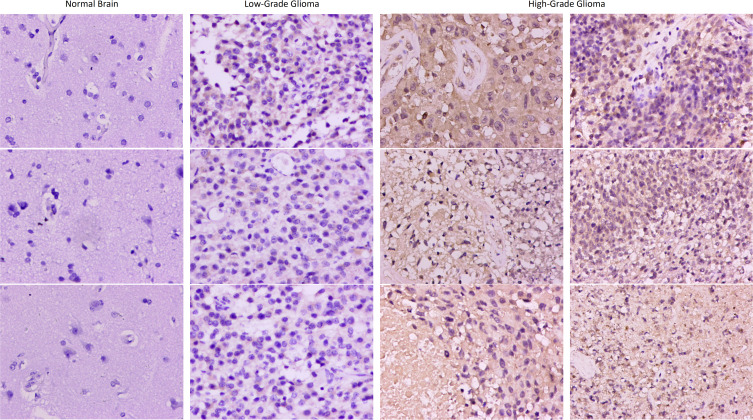
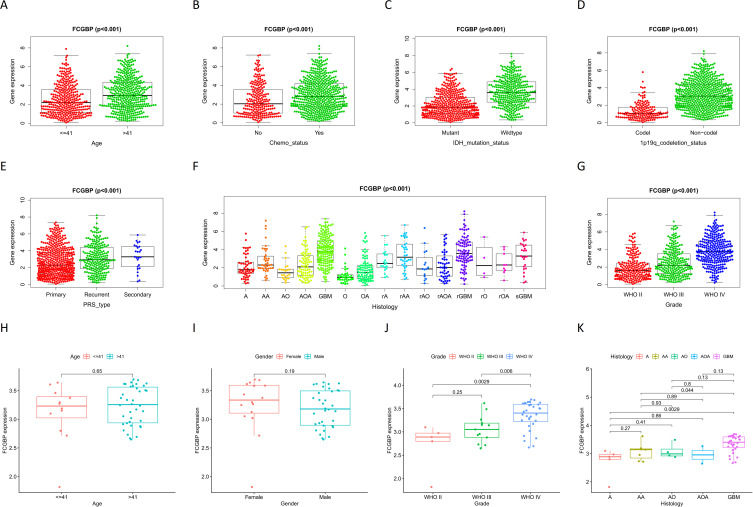
We finally selected Fc fragment of IgG-binding protein (FCGBP) as our study gene. The prognostic values of FCGBP were validated by a series of analyses. Immunohistochemical staining showed that FCGBP expression increased in gliomas and was up-regulated with the progression of glioma grade.
As a key unigene in glioma progression, FCGBP contributes to the regulation of immune microenvironment and has the potential to be a prognostic biomarker and immune targets.
免疫微环境在胶质瘤进展中起重要作用,大量研究发现,通过调节肿瘤中的免疫过程可在一定程度上降低肿瘤进展。
使用Estimate R软件包计算CGGA数据集中每个样本的免疫评分,并根据免疫评分中位数对样本进行分组以进行差异分析,从而获得免疫微环境差异基因。我们进一步对CGGA中胶质瘤样本基因进行生存分析、ROC曲线分析、独立预后分析和临床相关性分析,以获得胶质瘤预后基因,然后通过Venn工具确定其与免疫微环境差异表达基因的交集。使用GEPIA和UALCAN数据库验证交集基因在胶质瘤和正常脑组织中的差异表达,并确定我们的目标基因。在验证其预后价值后,我们构建了列线图以计算风险评分并评估预后模型的准确性。我们使用在线数据库挖掘单基因的共表达基因、富集功能和通路以及与免疫细胞浸润的相关性。最后,我们通过免疫组织化学染色验证了FCGBP在胶质瘤中的差异表达。
我们最终选择免疫球蛋白G结合蛋白Fc片段(FCGBP)作为研究基因。通过一系列分析验证了FCGBP的预后价值。免疫组织化学染色显示,FCGBP在胶质瘤中表达增加,并随着胶质瘤分级的进展而上调。
作为胶质瘤进展中的关键单基因,FCGBP有助于调节免疫微环境,有潜力成为预后生物标志物和免疫靶点。