Molecular Genetics Section, National Institute of Dental and Craniofacial Research/NIH, Bethesda, MD, USA.
Unit on the Neurobiology of Affective Memory, National Institute of Mental Health, Bethesda, MD, USA.
Nat Neurosci. 2023 Apr;26(4):594-605. doi: 10.1038/s41593-023-01268-w. Epub 2023 Mar 9.
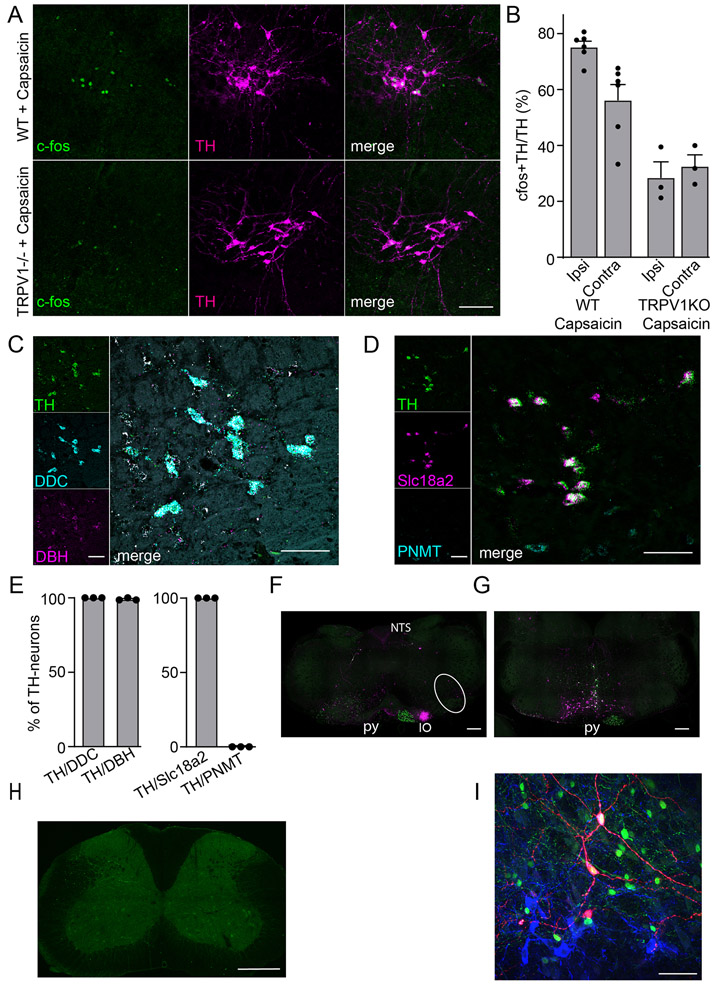
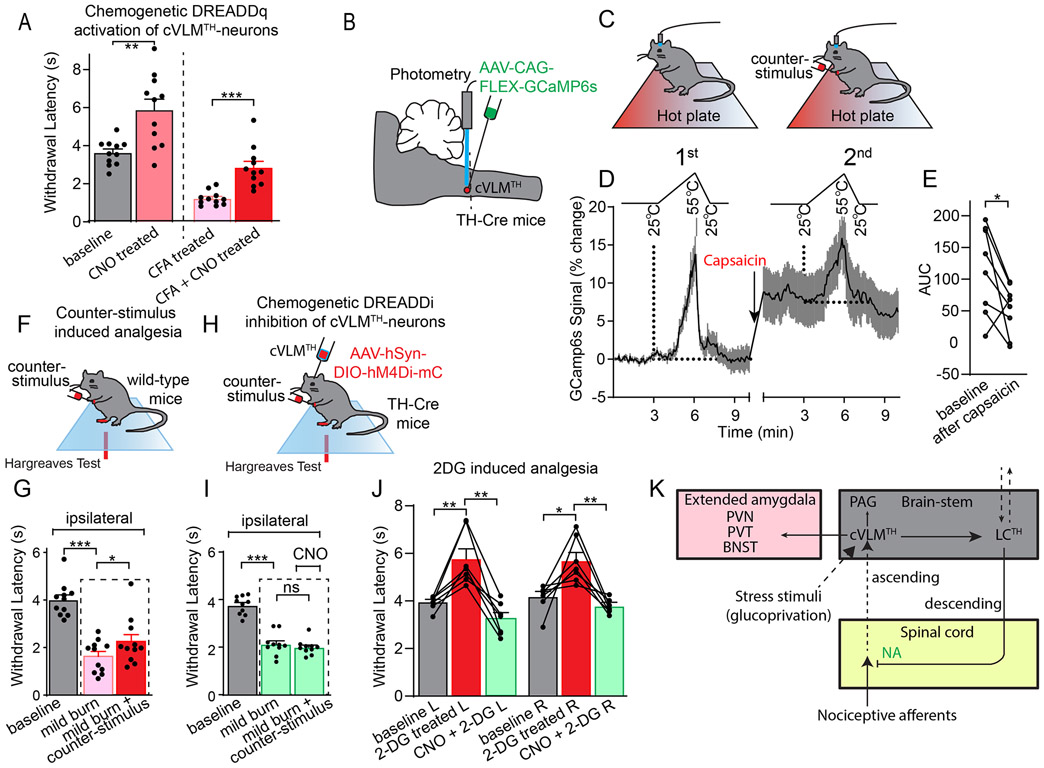
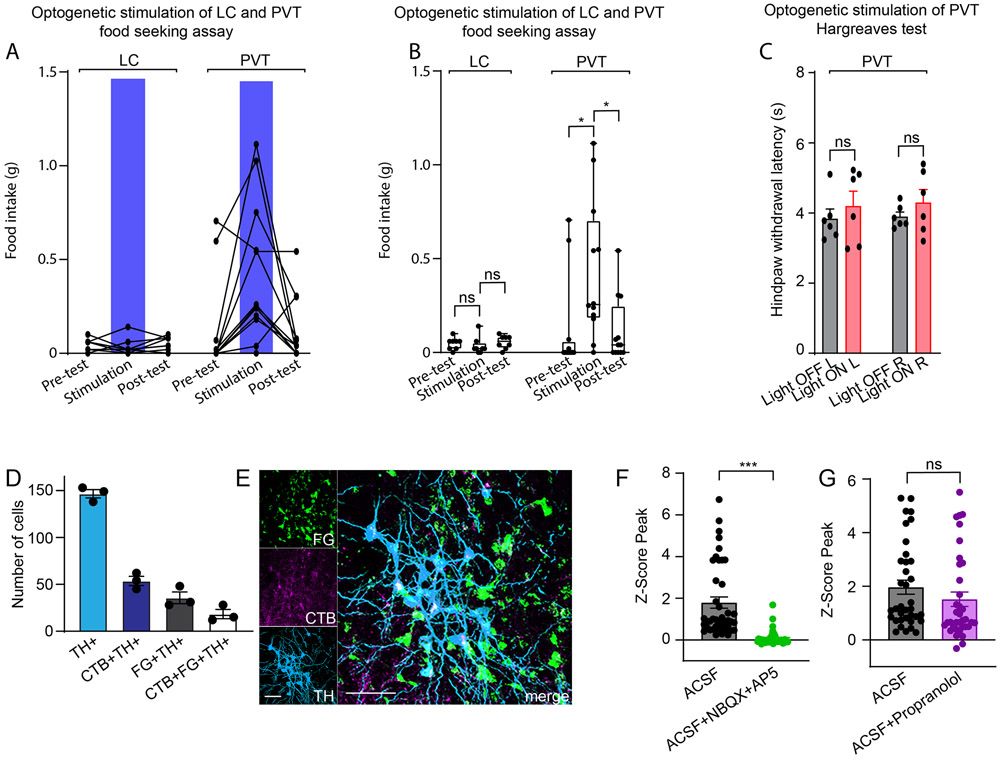
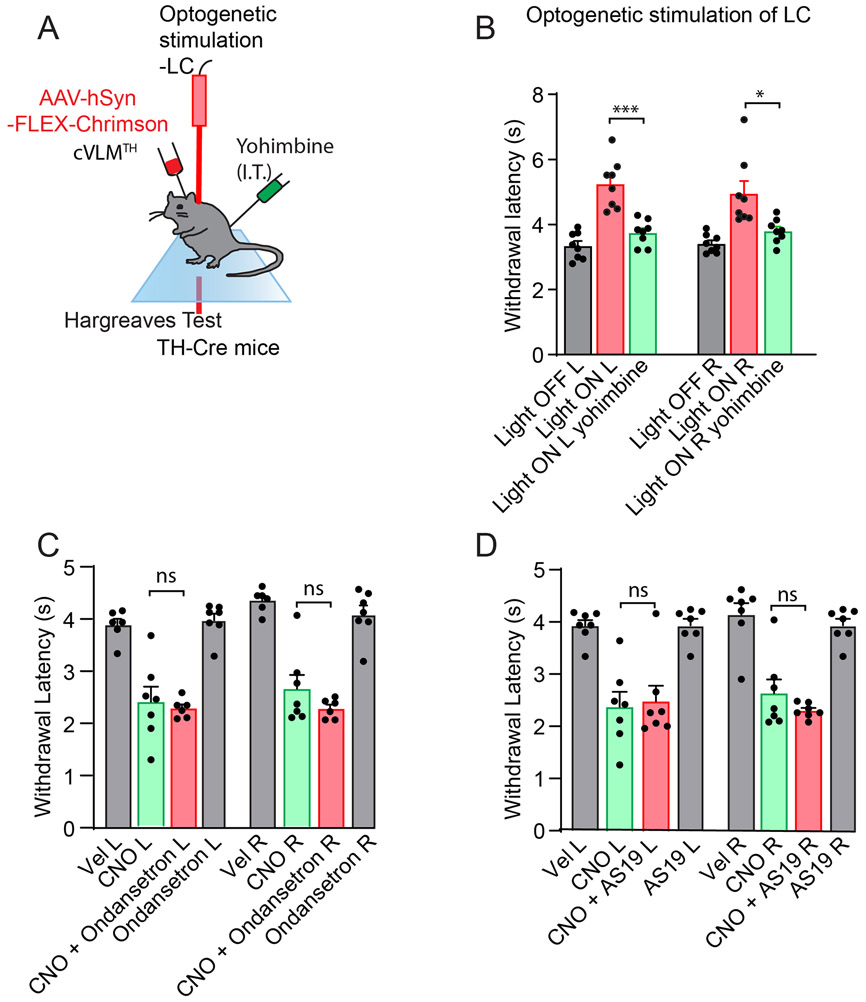
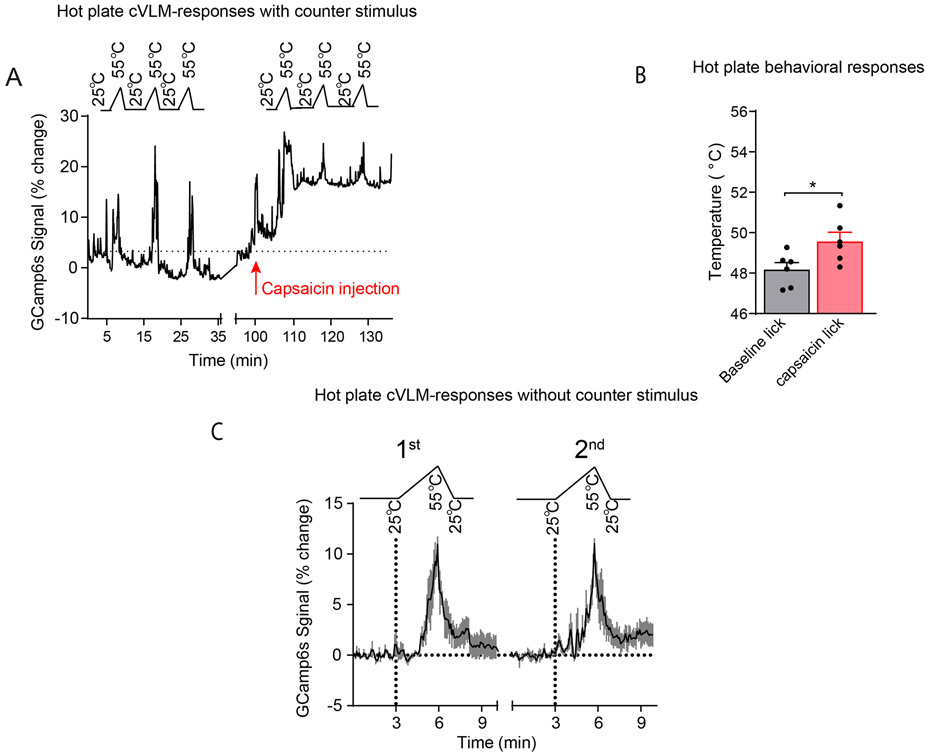
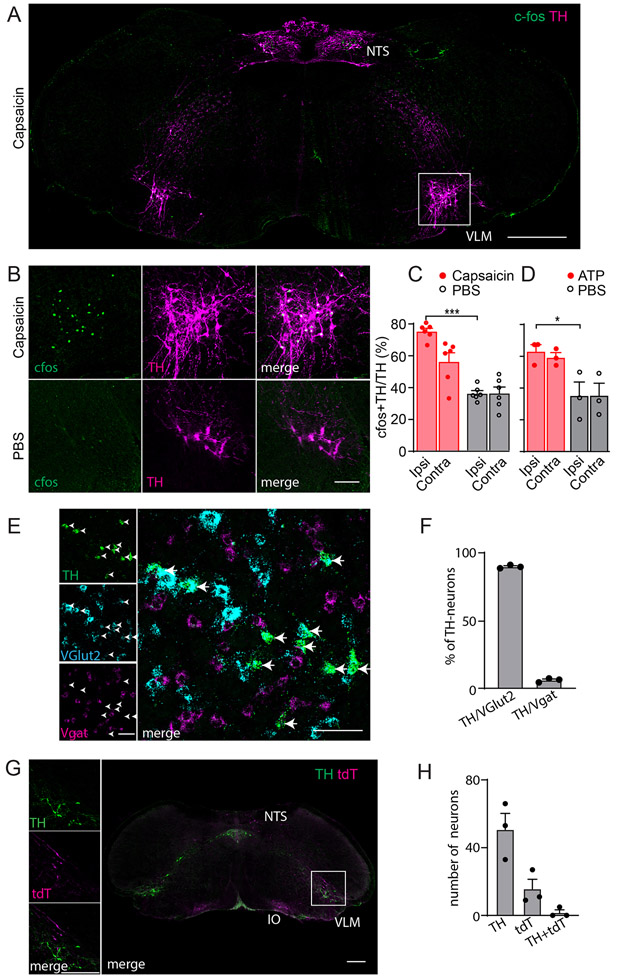
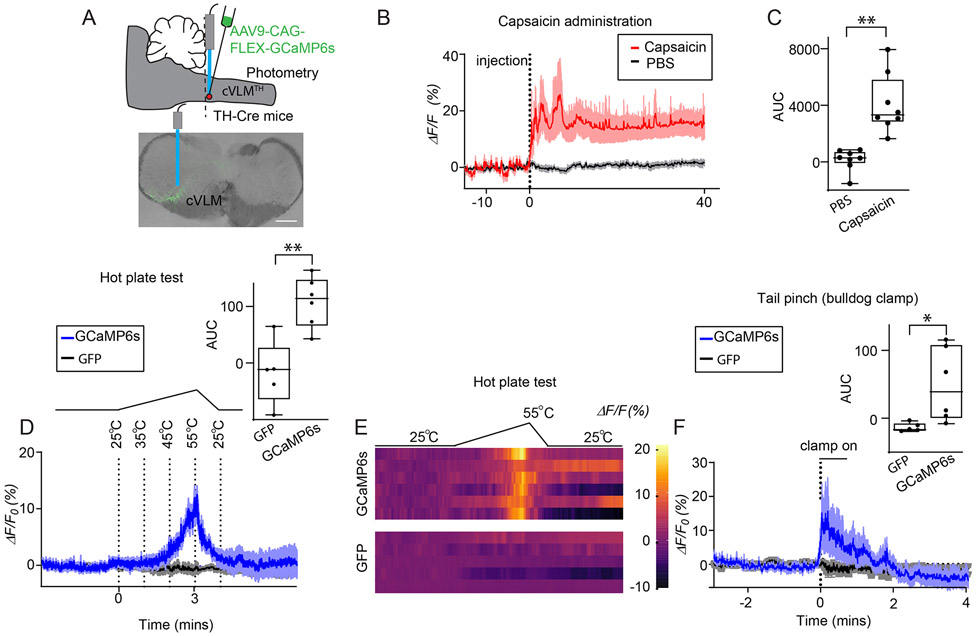
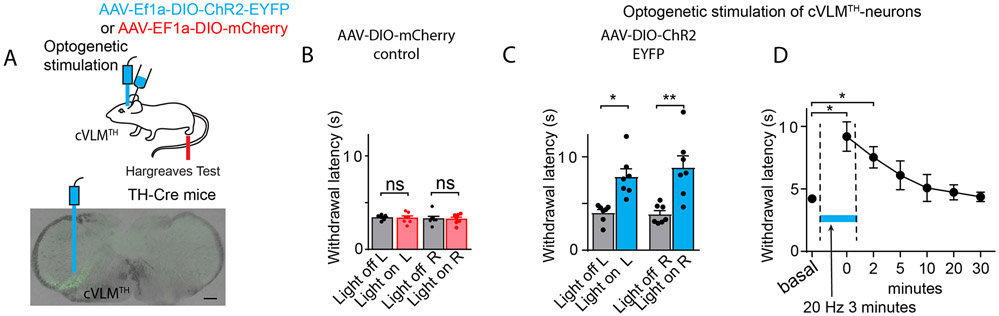
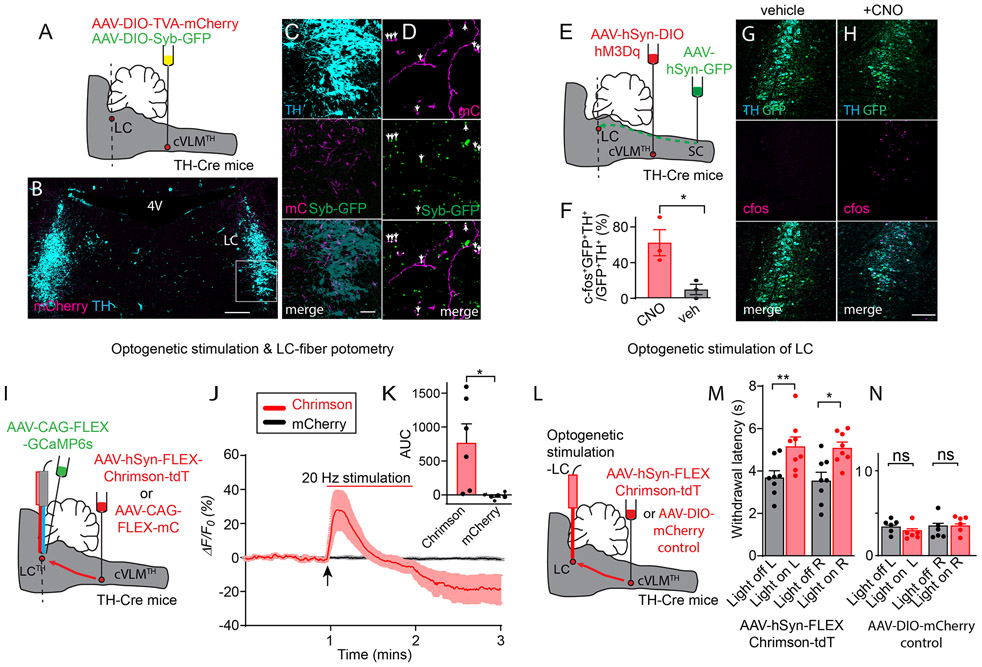
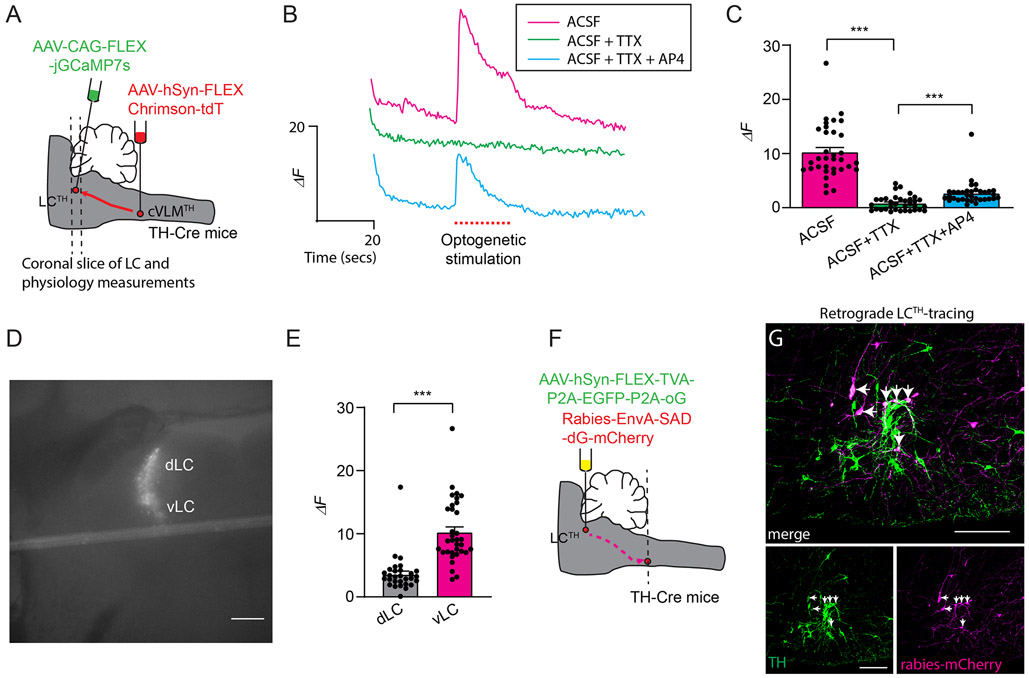
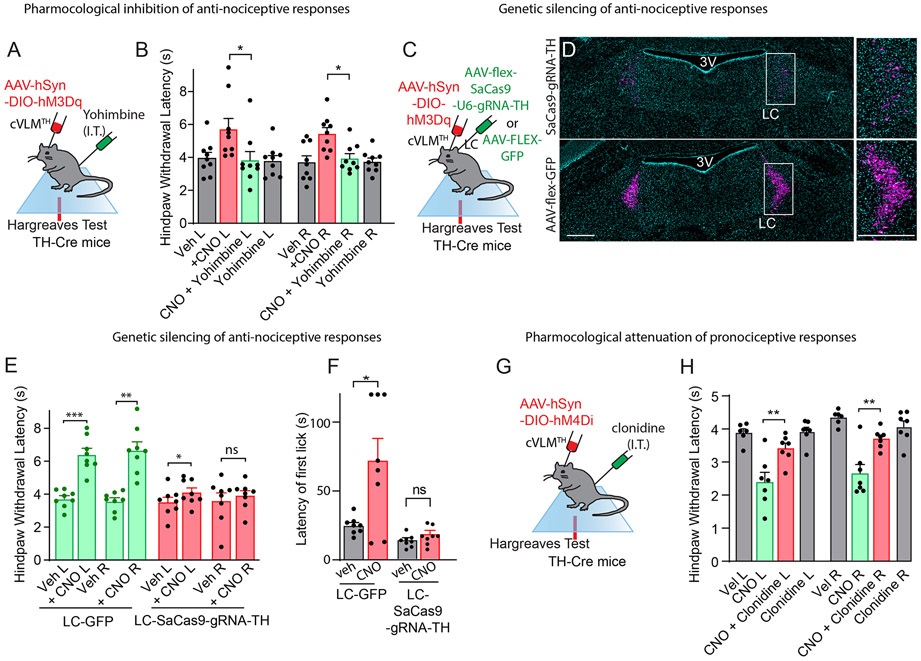
Supraspinal brain regions modify nociceptive signals in response to various stressors including stimuli that elevate pain thresholds. The medulla oblongata has previously been implicated in this type of pain control, but the neurons and molecular circuits involved have remained elusive. Here we identify catecholaminergic neurons in the caudal ventrolateral medulla that are activated by noxious stimuli in mice. Upon activation, these neurons produce bilateral feed-forward inhibition that attenuates nociceptive responses through a pathway involving the locus coeruleus and norepinephrine in the spinal cord. This pathway is sufficient to attenuate injury-induced heat allodynia and is required for counter-stimulus induced analgesia to noxious heat. Our findings define a component of the pain modulatory system that regulates nociceptive responses.
脑区的脊髓以上区域会对各种应激源(包括能提高痛阈的刺激)做出反应,从而对痛觉信号进行修饰。此前,延髓在这种类型的疼痛控制中被牵涉其中,但涉及的神经元和分子回路仍然难以捉摸。在这里,我们在小鼠中鉴定出腹外侧延髓中的儿茶酚胺能神经元,这些神经元会被有害刺激激活。在被激活后,这些神经元产生双侧的前馈抑制,通过涉及蓝斑核和脊髓中去甲肾上腺素的通路来减弱痛觉反应。该通路足以减弱伤害引起的热痛觉过敏,并且需要用于对抗有害热刺激引起的镇痛。我们的发现定义了调节痛觉反应的疼痛调制系统的一个组成部分。