Department of Biology, The Irving K. Barber Faculty of Science, University of British Columbia-Okanagan, 3187 University Way, Kelowna, BC V1V 1V7, Canada.
Division of Gastroenterology, Cumming School of Medicine, University of Calgary, 6D33 TRW Building, 3280 Hospital Drive NW, Calgary, AB T2N 4N1, Canada.
Nutrients. 2023 Feb 21;15(5):1080. doi: 10.3390/nu15051080.
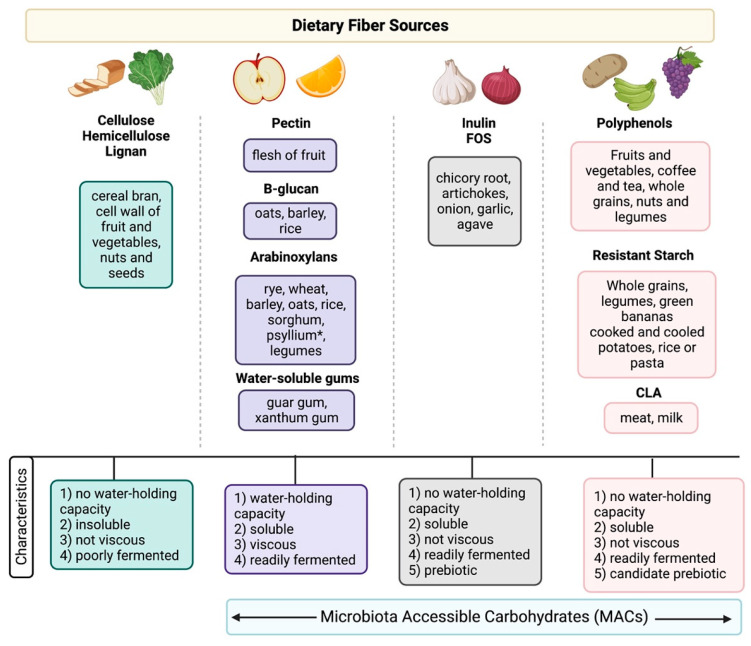
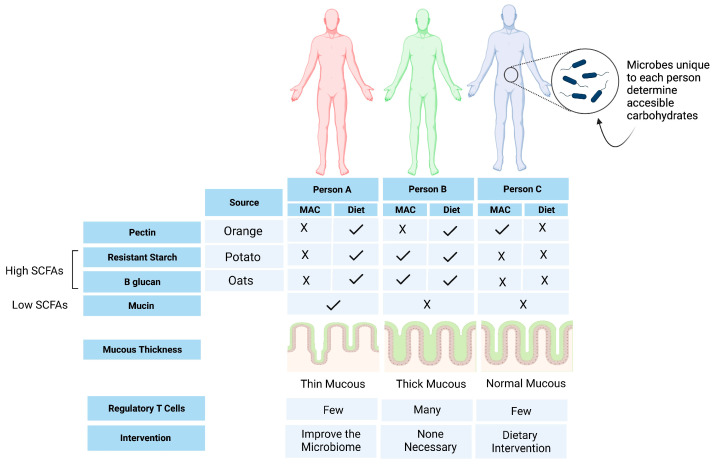
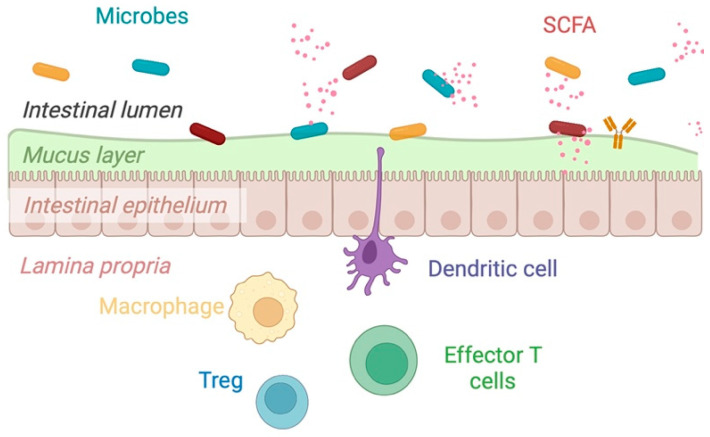
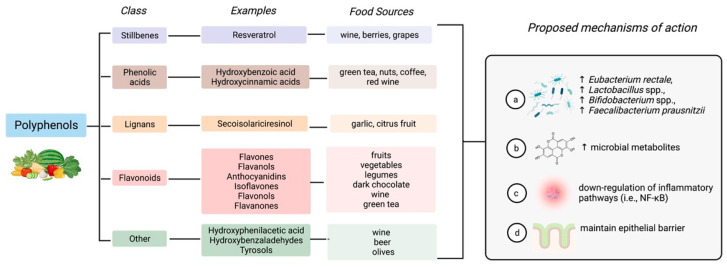
Evidence-based dietary guidance around dietary fiber in inflammatory bowel disease (IBD) has been limited owing to insufficient reproducibility in intervention trials. However, the pendulum has swung because of our increased understanding of the importance of fibers in maintaining a health-associated microbiome. Preliminary evidence suggests that dietary fiber can alter the gut microbiome, improve IBD symptoms, balance inflammation, and enhance health-related quality of life. Therefore, it is now more vital than ever to examine how fiber could be used as a therapeutic strategy to manage and prevent disease relapse. At present, there is limited knowledge about which fibers are optimal and in what form and quantity they should be consumed to benefit patients with IBD. Additionally, individual microbiomes play a strong role in determining the outcomes and necessitate a more personalized nutritional approach to implementing dietary changes, as dietary fiber may not be as benign as once thought in a dysbiotic microbiome. This review describes dietary fibers and their mechanism of action within the microbiome, details novel fiber sources, including resistant starches and polyphenols, and concludes with potential future directions in fiber research, including the move toward precision nutrition.
由于干预试验的可重复性不足,基于证据的炎症性肠病(IBD)膳食纤维饮食指导一直受到限制。然而,由于我们对纤维在维持健康相关微生物组中的重要性的理解不断增加,这种情况已经发生了变化。初步证据表明,膳食纤维可以改变肠道微生物组,改善 IBD 症状,平衡炎症,提高与健康相关的生活质量。因此,现在比以往任何时候都更重要的是要研究纤维如何可以用作治疗策略来管理和预防疾病复发。目前,关于哪种纤维是最佳的,以及应该以何种形式和数量摄入以有益于 IBD 患者的知识有限。此外,个体微生物组在确定结果方面起着重要作用,需要采取更个性化的营养方法来实施饮食改变,因为膳食纤维在生态失调的微生物组中可能不像以前认为的那样良性。本综述描述了膳食纤维及其在微生物组中的作用机制,详细介绍了新型纤维来源,包括抗性淀粉和多酚,并以膳食纤维研究的潜在未来方向结束,包括向精准营养迈进。