Department of Obstetrics and Gynaecology, University of Auckland, 85 Park Road, Grafton, Auckland, 1023, New Zealand.
Liggins Institute, University of Auckland, Auckland, New Zealand.
Arch Gynecol Obstet. 2023 Jun;307(6):1957-1967. doi: 10.1007/s00404-023-06987-w. Epub 2023 Mar 11.
This pilot study aimed to develop a methodology characterising the urogenital microbiome as a predictive test in the IVF workup.
Using unique custom qPCRs, we tested for the presence of specific microbial species from vaginal samples and First Catch Urines from the male. The test panel included a range of potential urogenital pathogens, STIs, 'favourable bacteria' (Lactobacillus spp.) and 'unfavourable bacteria' (anaerobes) reported to influence implantation rates. We tested couples attending Fertility Associates, Christchurch, New Zealand for their first round of IVF.
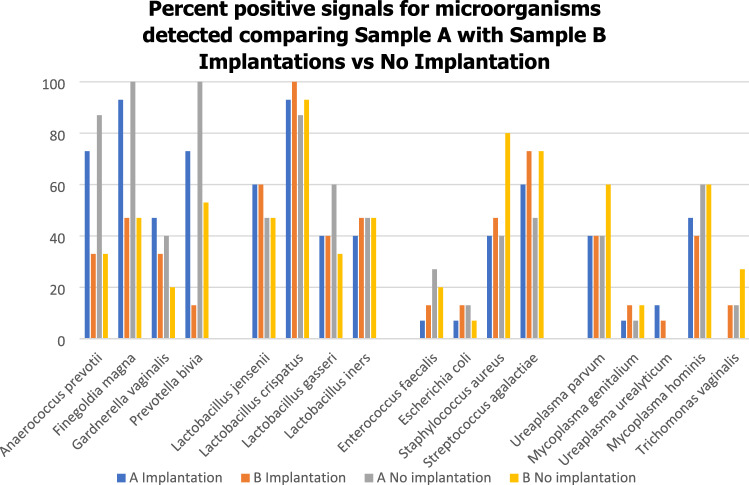
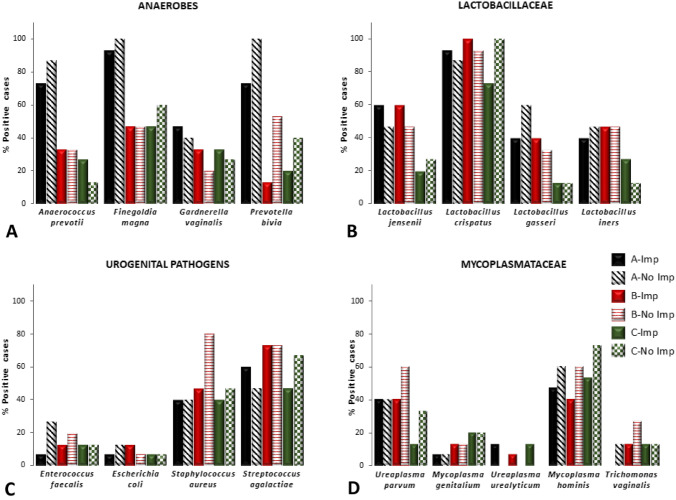
We found that some microbial species affected implantation. The qPCR result was interpreted qualitatively using the Z proportionality test. Samples from women at the time of Embryo Transfer who did not achieve implantation had significantly higher percent of samples that were positive for Prevotella bivia and Staphylococcus aureus compared to women who did achieve implantation.
The results provide evidence that most other microbial species chosen for testing had little functional effect on implantation rates. The addition of further microbial targets (yet to be determined) could be combined in this predictive test for vaginal preparedness on the day of embryo transfer. This methodology has a substantial advantage of being affordable and easily performed in any routine molecular laboratory. This methodology is most suitable as a foundation on which to develop a timely test of microbiome profiling. Using the indicators detected to have a significant influence, these results can be extrapolated.
Using a rapid antigen test, a woman can self-sample prior to embryo transfer and obtain an indication of microbial species present which could influence implantation outcome.
本初步研究旨在开发一种方法,将泌尿生殖微生物组特征化为 IVF 检查中的预测性测试。
使用独特的定制 qPCR,我们测试了来自女性阴道样本和男性首次尿液样本中特定微生物物种的存在。测试面板包括一系列潜在的泌尿生殖病原体、性传播感染、“有益细菌”(乳酸菌属)和“有害细菌”(厌氧菌),这些细菌被报道会影响着床率。我们对新西兰克赖斯特彻奇市 Fertility Associates 的夫妇进行了首次 IVF 检查。
我们发现某些微生物物种会影响着床。qPCR 结果使用 Z 比例检验进行定性解释。在胚胎移植时未着床的女性样本中,与成功着床的女性相比,有更多的样本检测出普雷沃氏菌和金黄色葡萄球菌呈阳性。
结果提供了证据表明,选择进行测试的大多数其他微生物物种对着床率几乎没有功能性影响。可以在这个预测性测试中添加其他尚未确定的微生物靶标,以预测胚胎移植当天的阴道准备情况。该方法具有价格合理且易于在任何常规分子实验室中进行的显著优势。该方法最适合作为开发及时的微生物组分析测试的基础。使用具有显著影响的检测指标,可以推断出这些结果。
使用快速抗原测试,女性可以在胚胎移植前进行自我采样,并获得可能影响着床结果的微生物物种存在的指示。