Cui Quanwei, Wang Xuben, Zhang Yongwei, Shen Yiqing, Qian Yeben
Department of General Surgery, The First Affiliated Hospital of Anhui Medical University, 218 JiXi Road, Hefei, Anhui, 230022, China.
Division of Molecular Medicine, Hefei National Laboratory for Physical Sciences at Microscale, The CAS Key Laboratory of Innate Immunity and Chronic Disease, School of Life Sciences, University of Science and Technology of China, Hefei, Anhui, China.
Biol Proced Online. 2023 Mar 14;25(1):8. doi: 10.1186/s12575-023-00196-0.
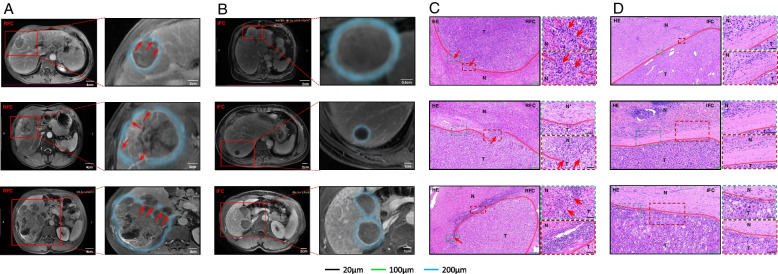
Hepatocellular carcinoma (HCC) is an aggressive tumor with a poor clinical prognosis. Rupture of the fibrous capsule (FC) is a very important clinical phenomenon in the invasion and metastasis of HCC. FC is mainly composed of type I collagen (COL1A1). However, it is not clear what caused the FC rupture. In this study, we aimed to determine whether the rupture of FC in HCC patients was related to macrophage-derived MMP-9 and MMP-2, and their clinical diagnostic value for FC rupture.
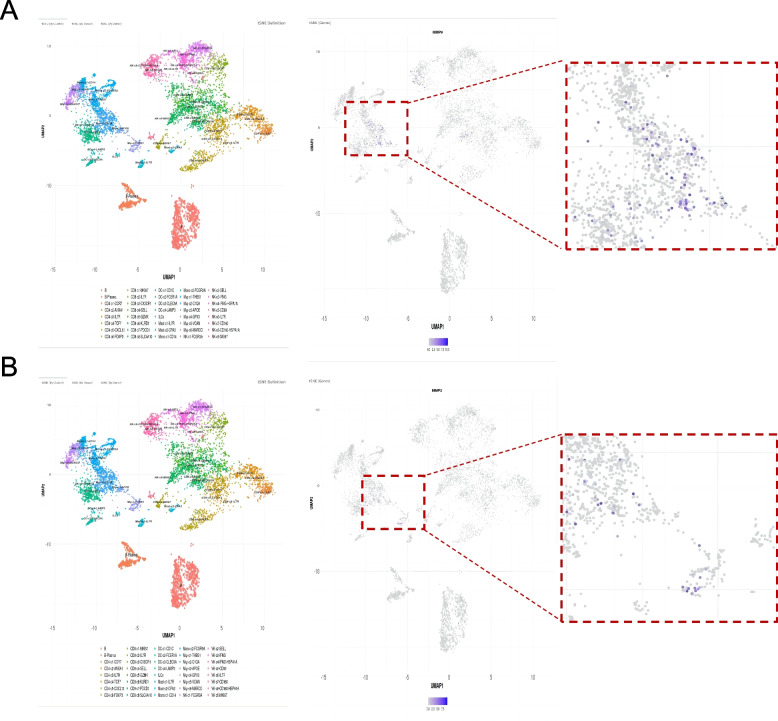
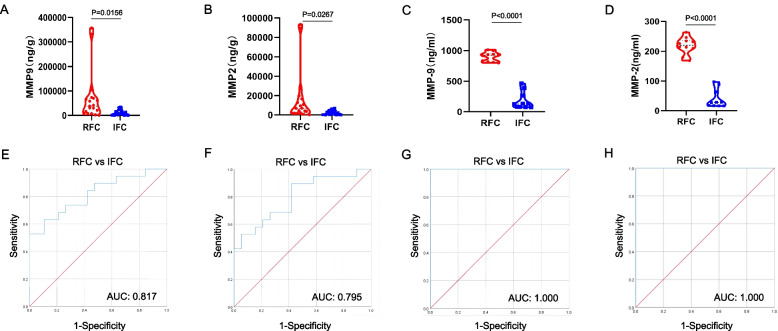
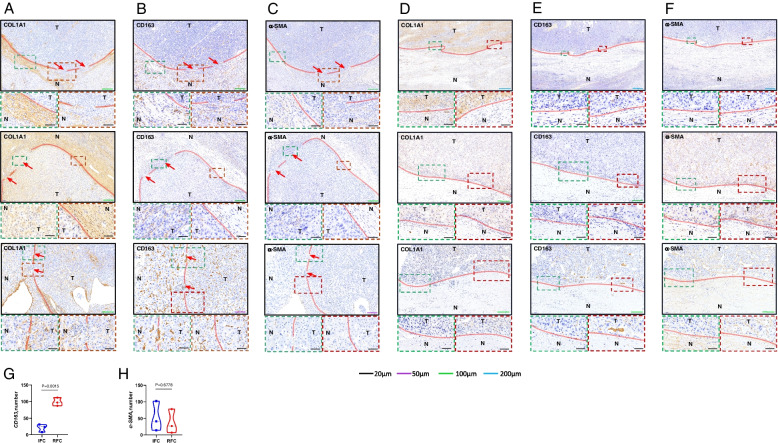
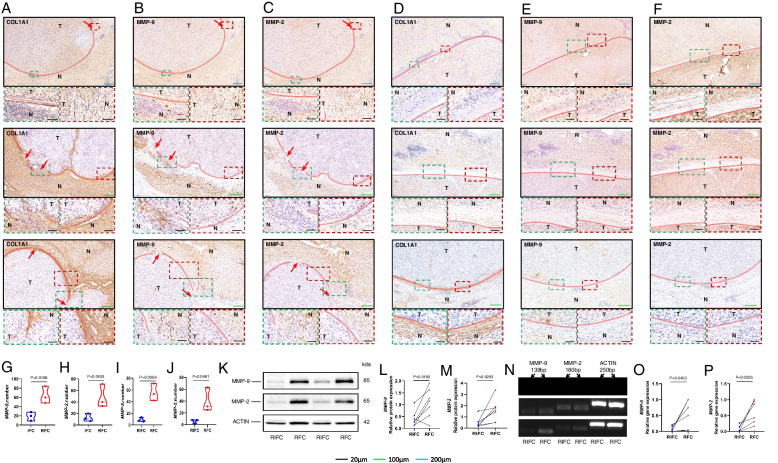
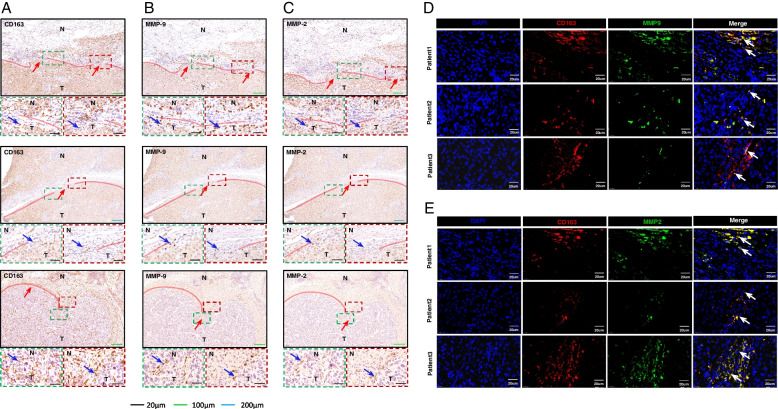
By performing immunohistochemical and immunofluorescence staining of ruptured FC and intact FC, the results showed that the ruptured area of FC aggregated a large number of macrophages with MMP-9 and MMP-2. Western blot analysis and Quantitative real-time PCR were used to assess the expression of MMP-9 and MMP-2 in the ruptured and relatively intact area of FC in ruptured FC patients, and the results revealed a significantly different expression of MMP-9 and MMP-2. ELISA experiments show that we could discriminate effectively between ruptured FC and intact FC by MMP-9 and MMP-2.
Taken together, macrophage-derived MMP-9 and MMP-2 were closely related to the rupture of the FC of HCC and subsequently led to the migration and invasion of the tumor cells through the ruptured area of FC to the para cancer. It is suggested that when performing surgical resection, it is necessary to expand the range of tumor resection for patients with ruptured FC and hence reduce the possibility of recurrence and metastasis in HCC patients.
肝细胞癌(HCC)是一种侵袭性肿瘤,临床预后较差。纤维包膜(FC)破裂是HCC侵袭和转移过程中一个非常重要的临床现象。FC主要由I型胶原蛋白(COL1A1)组成。然而,尚不清楚是什么导致了FC破裂。在本研究中,我们旨在确定HCC患者中FC破裂是否与巨噬细胞衍生的基质金属蛋白酶-9(MMP-9)和基质金属蛋白酶-2(MMP-2)有关,以及它们对FC破裂的临床诊断价值。
通过对破裂FC和完整FC进行免疫组织化学和免疫荧光染色,结果显示FC破裂区域聚集了大量表达MMP-9和MMP-2的巨噬细胞。采用蛋白质免疫印迹分析和定量实时聚合酶链反应评估破裂FC患者FC破裂区域和相对完整区域中MMP-9和MMP-2的表达,结果显示MMP-9和MMP-2的表达存在显著差异。酶联免疫吸附测定实验表明,我们可以通过MMP-9和MMP-2有效区分破裂FC和完整FC。
综上所述,巨噬细胞衍生的MMP-9和MMP-2与HCC的FC破裂密切相关,随后导致肿瘤细胞通过FC破裂区域向癌旁迁移和侵袭。建议在进行手术切除时,对于FC破裂的患者有必要扩大肿瘤切除范围,从而降低HCC患者复发和转移的可能性。