Postma Doerine J, Notenboom Kim, De Smet Peter A G M, Leufkens Hubert G M, Mantel-Teeuwisse Aukje K
Division of Pharmacoepidemiology and Clinical Pharmacology, Utrecht Institute for Pharmaceutical Sciences (UIPS), Utrecht University, Universiteitsweg 99, 3584 CG, Utrecht, The Netherlands.
Royal Dutch Pharmacists Association, The Hague, The Netherlands.
J Pharm Policy Pract. 2023 Mar 14;16(1):44. doi: 10.1186/s40545-023-00548-x.
Current research to assess the impact that medicine shortages have on patients is limited to general aspects, such as the prevalence of shortages and product characteristics. The aim of this study is to assess the overall impact that medicine shortages have on economic, clinical, and humanistic outcomes.
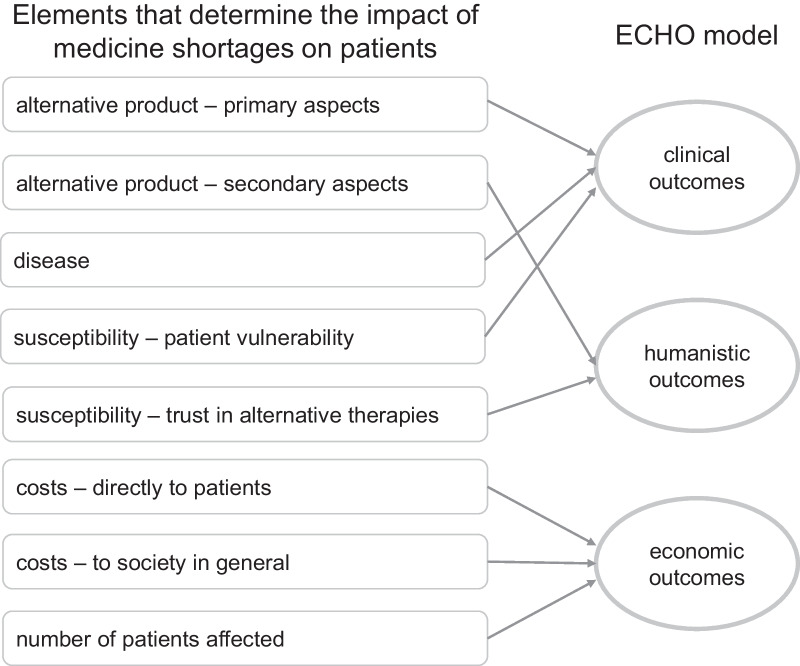
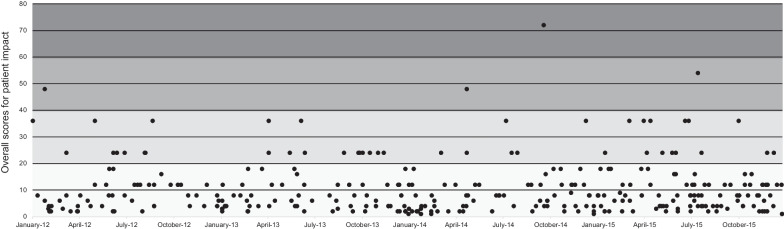
A cohort of all known products in shortage in the Netherlands between 2012 and 2015 were characterized by their route of administration, anatomical therapeutic chemical class, and whether they were originator or generic products. A representative sample of 324 shortages (18% of all shortages) was rated as having low, medium, or high impact on the five elements that determine the impact of shortages on patients: availability of an alternative product, underlying disease, susceptibility of the patient, costs (for patients and society at large), and number of patients affected. Ratings were converted into numerical scores per element and multiplied to obtain an overall impact score.
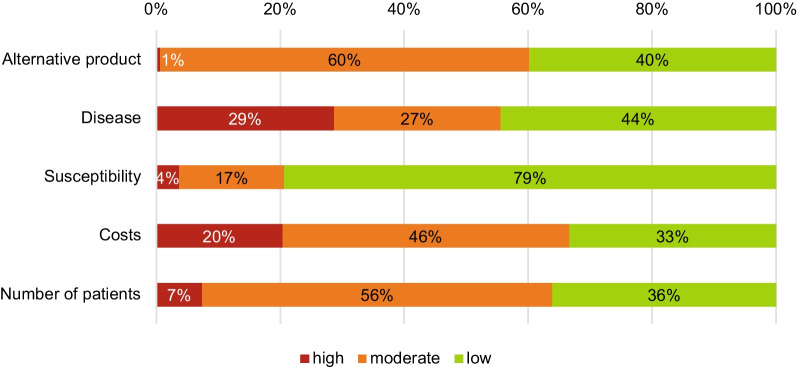
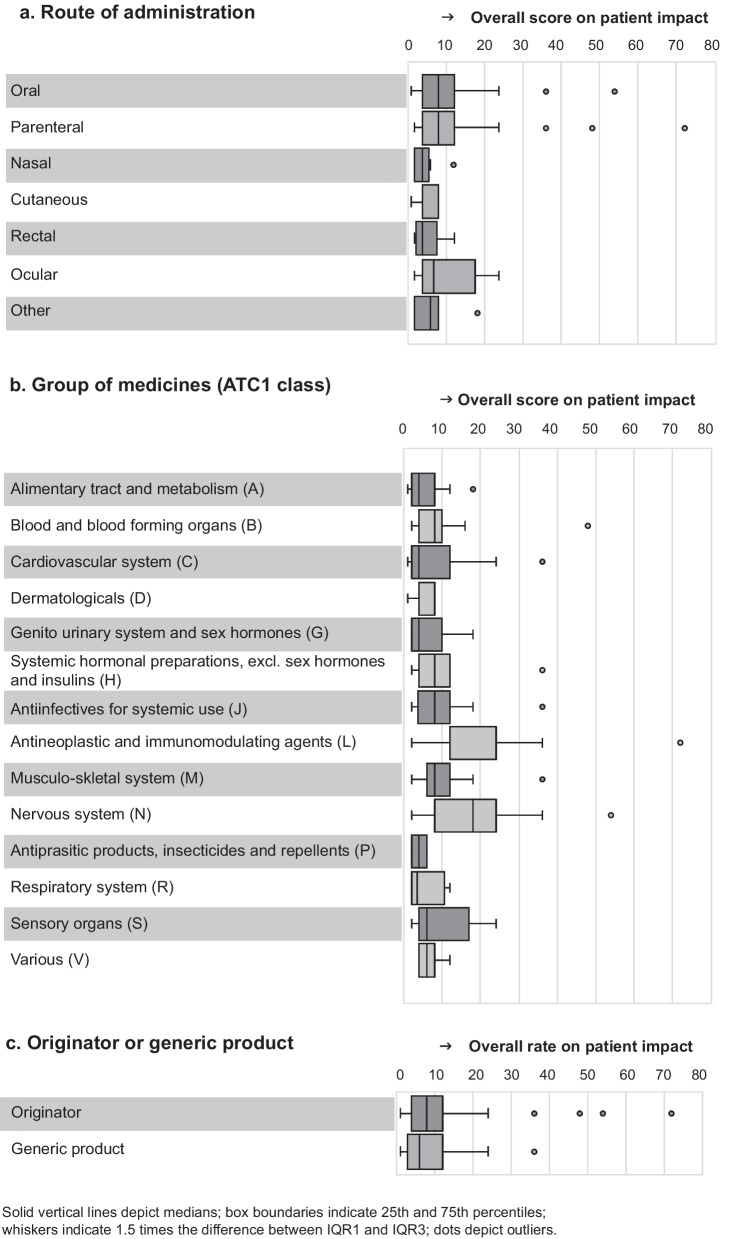
Two elements were most frequently rated as having a high impact: disease (29%) and costs (20%). Nearly half of the shortages (47%) rated high on at least one element, while nearly 10% rated high on multiple elements. Thirty percent of the shortages rated high on direct impact, which is represented by these elements: alternative product and disease. An additional 17% of the shortages rated high on indirect impact, which is represented by these elements: costs, susceptibility, and number of patients. High impact scores could not significantly be attributed to characteristics of the products in shortage.
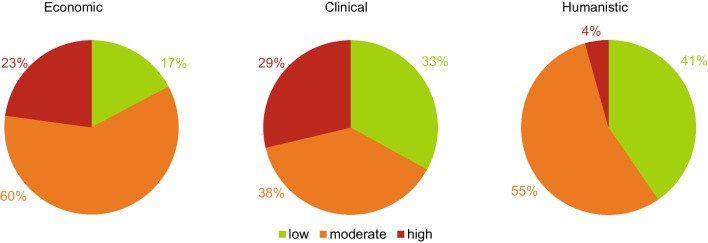
An assessment of the medicine shortages' impact using a framework based on economic, clinical, and economic outcomes showed that all three outcomes affect the overall impact that medicine shortages have on patients.
目前评估药品短缺对患者影响的研究仅限于一般方面,如短缺的发生率和产品特性。本研究的目的是评估药品短缺对经济、临床和人文结局的总体影响。
对2012年至2015年荷兰所有已知的短缺药品按给药途径、解剖治疗化学分类以及它们是原研药还是仿制药进行特征描述。从324例短缺药品(占所有短缺药品的18%)中选取一个代表性样本,根据决定短缺对患者影响的五个因素,即替代产品的可获得性、基础疾病、患者易感性、成本(对患者和整个社会而言)以及受影响患者数量,将其影响程度评为低、中或高。将每个因素的评分转换为数值分数并相乘,以获得总体影响分数。
有两个因素最常被评为具有高影响:疾病(29%)和成本(20%)。近一半的短缺药品(47%)在至少一个因素上被评为高影响,而近10%在多个因素上被评为高影响。30%的短缺药品在直接影响方面被评为高影响,这些因素包括:替代产品和疾病。另外17%的短缺药品在间接影响方面被评为高影响,这些因素包括:成本、易感性和患者数量。高影响分数不能显著归因于短缺药品的特性。
使用基于经济、临床和经济结局的框架对药品短缺的影响进行评估表明,所有这三个结局都会影响药品短缺对患者的总体影响。