Vaccines, Science Research & Innovation, Medicines and Healthcare Products Regulatory, Potters Bar, United Kingdom.
Center for Biologics Evaluation and Research, US Food and Drug Administration, Silver Spring, MD, United States.
Front Immunol. 2023 Feb 28;14:1129765. doi: 10.3389/fimmu.2023.1129765. eCollection 2023.
External Quality Assessment (EQA) schemes are designed to provide a snapshot of laboratory proficiency, identifying issues and providing feedback to improve laboratory performance and inter-laboratory agreement in testing. Currently there are no international EQA schemes for seasonal influenza serology testing. Here we present a feasibility study for conducting an EQA scheme for influenza serology methods.
We invited participant laboratories from industry, contract research organizations (CROs), academia and public health institutions who regularly conduct hemagglutination inhibition (HAI) and microneutralization (MN) assays and have an interest in serology standardization. In total 16 laboratories returned data including 19 data sets for HAI assays and 9 data sets for MN assays.
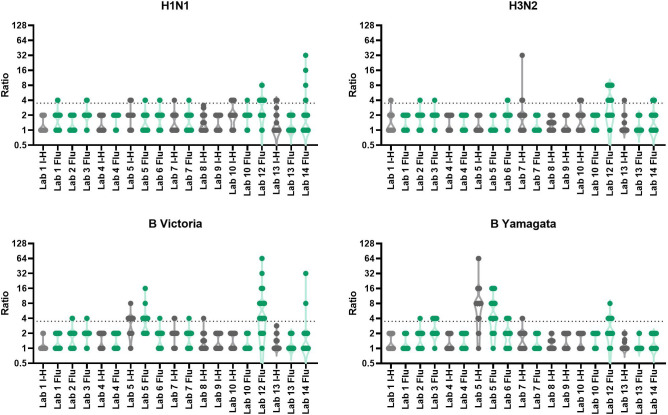
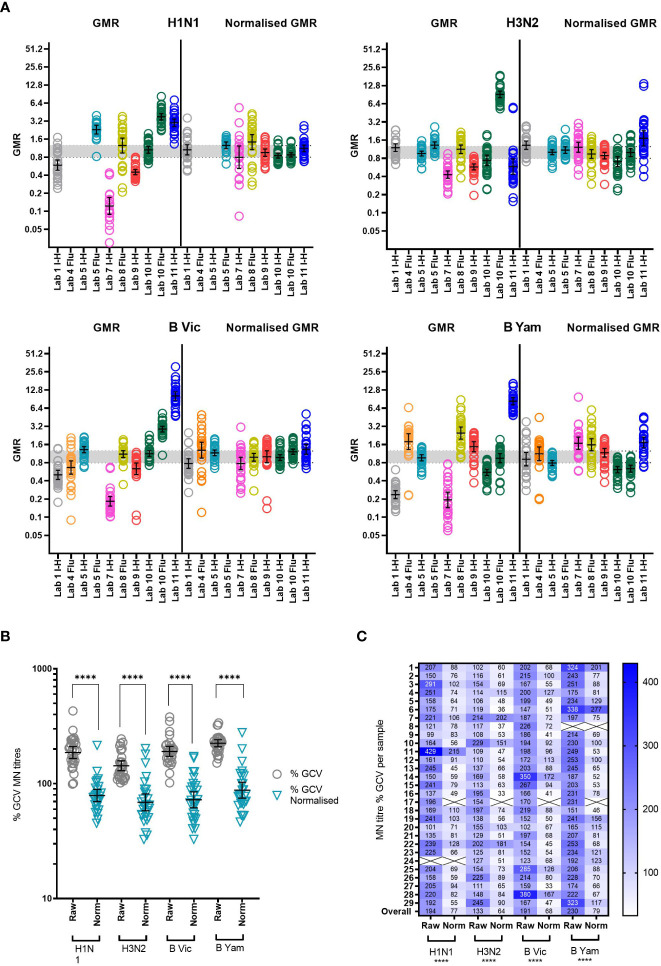
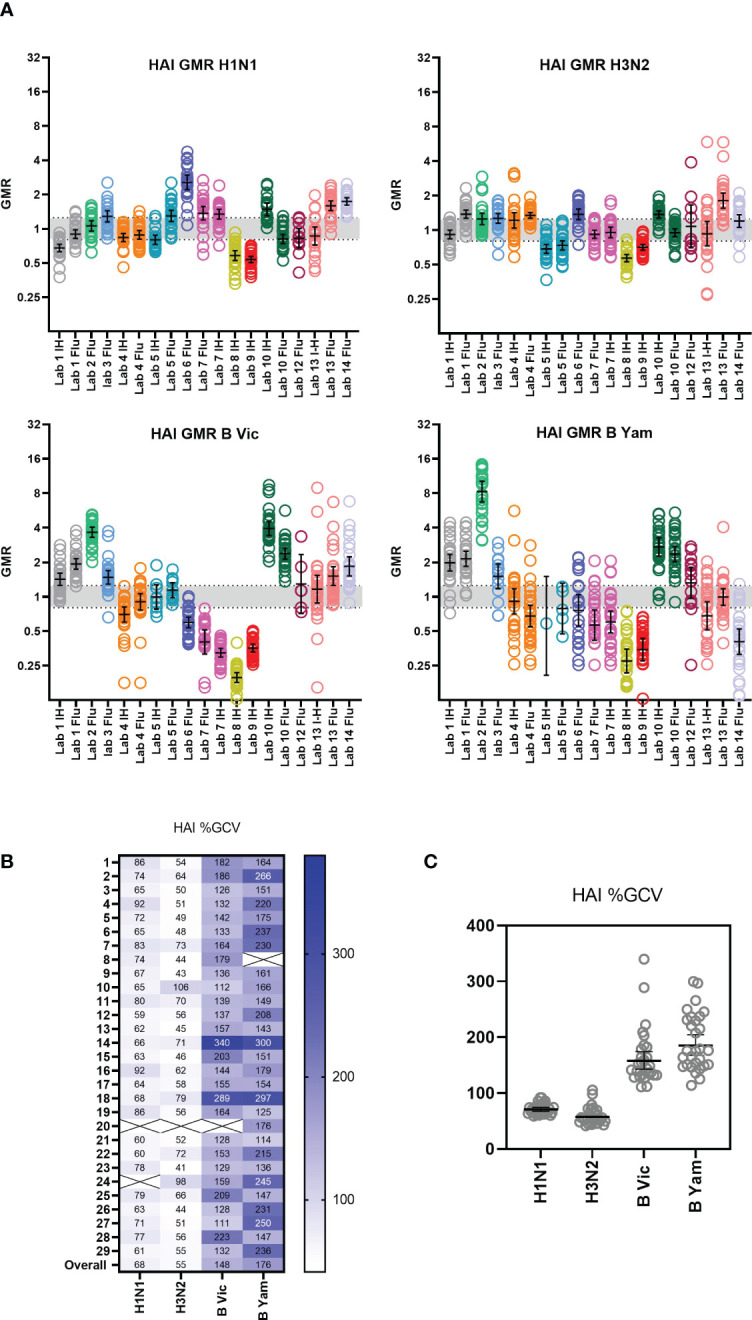
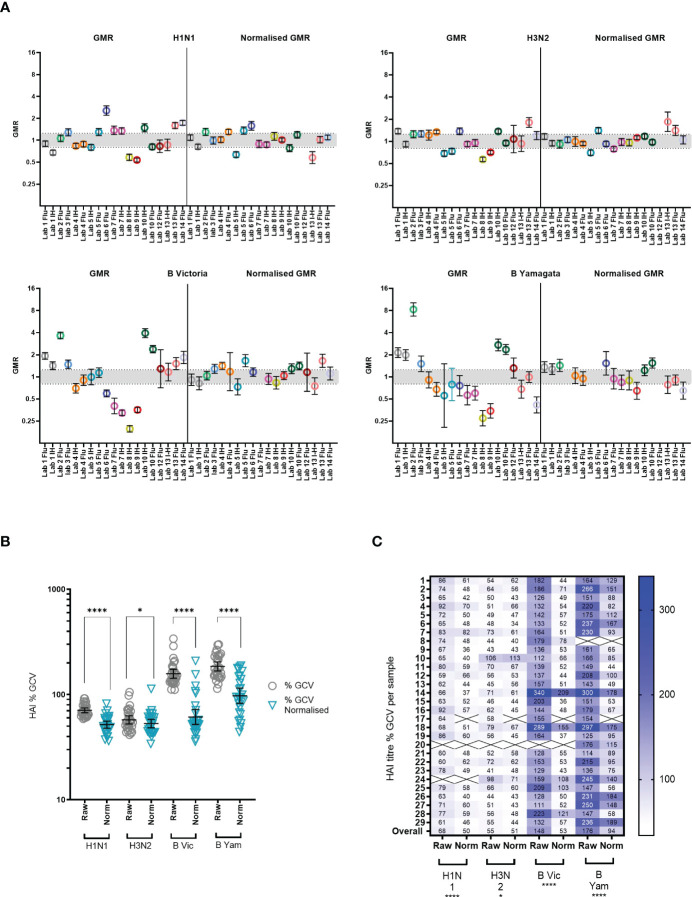
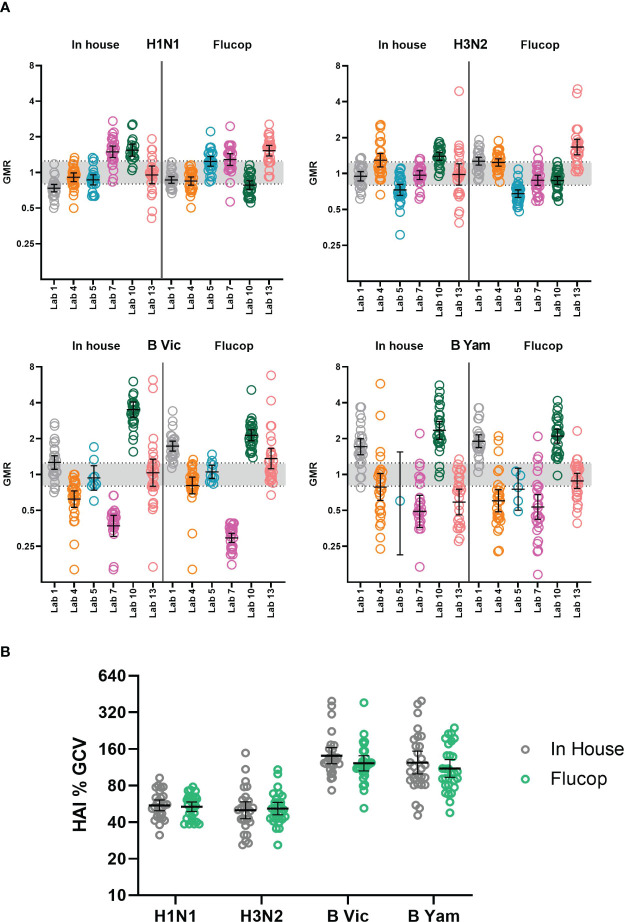
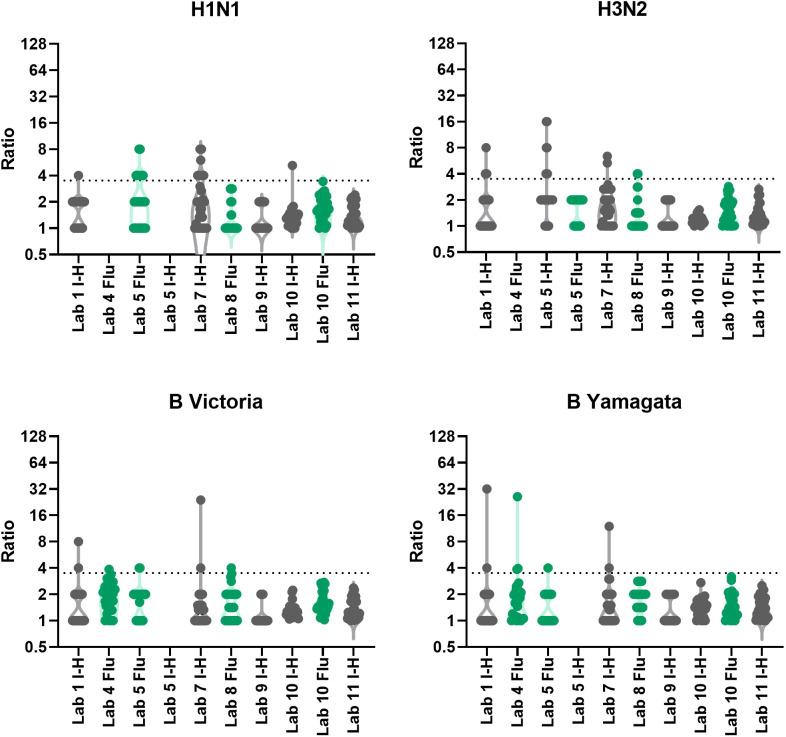
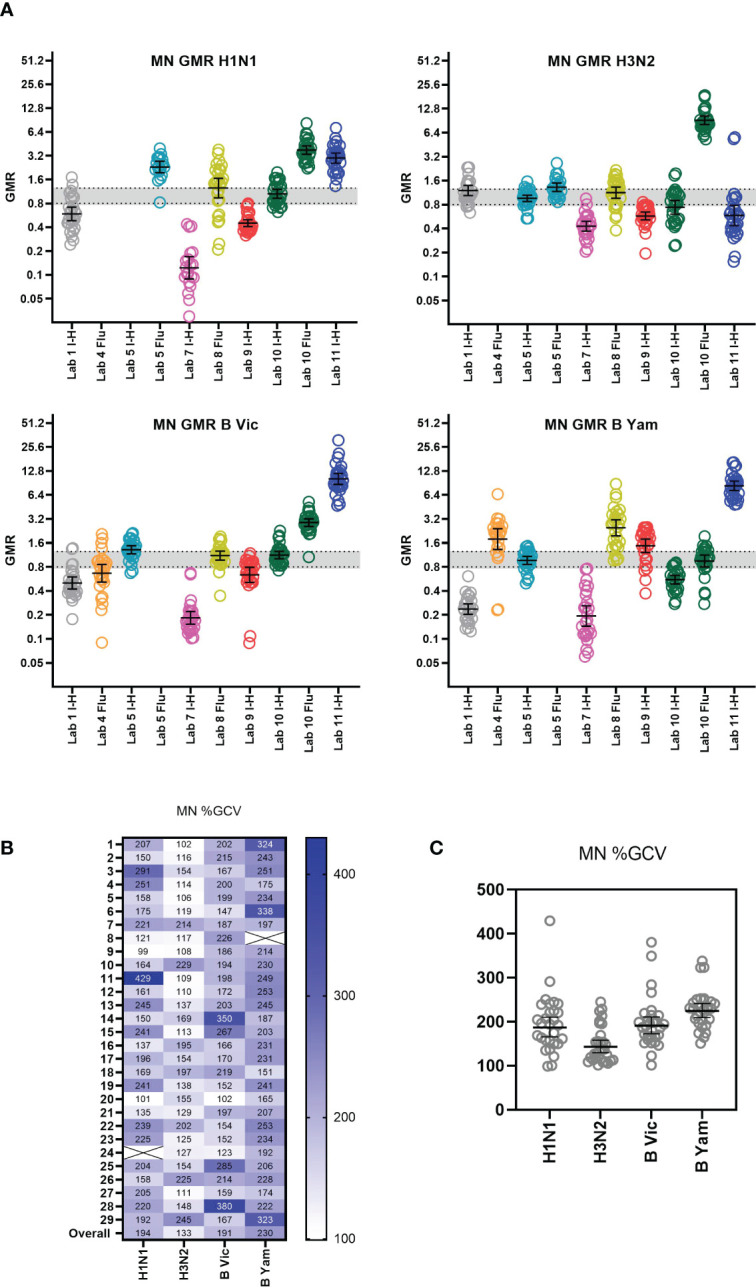
Within run analysis demonstrated good laboratory performance for HAI, with intrinsically higher levels of intra-assay variation for MN assays. Between run analysis showed laboratory and strain specific issues, particularly with B strains for HAI, whilst MN testing was consistently good across labs and strains. Inter-laboratory variability was higher for MN assays than HAI, however both assays showed a significant reduction in inter-laboratory variation when a human sera pool is used as a standard for normalization.
This study has received positive feedback from participants, highlighting the benefit such an EQA scheme would have on improving laboratory performance, reducing inter laboratory variation and raising awareness of both harmonized protocol use and the benefit of biological standards for seasonal influenza serology testing.
外部质量评估(EQA)计划旨在提供实验室能力的快照,识别问题并提供反馈,以改善实验室性能和测试中的实验室间一致性。目前,季节性流感血清学检测没有国际 EQA 计划。在这里,我们提出了一项关于进行流感血清学方法 EQA 计划的可行性研究。
我们邀请了来自工业、合同研究组织(CRO)、学术界和公共卫生机构的参与实验室,这些实验室定期进行血凝抑制(HAI)和微量中和(MN)检测,并对血清标准化感兴趣。共有 16 个实验室返回了数据,包括 19 个 HAI 检测数据集和 9 个 MN 检测数据集。
在运行内分析中,HAI 显示出良好的实验室性能,MN 检测的内在分析内变异水平较高。运行间分析显示出实验室和菌株特异性问题,特别是在 HAI 的 B 株方面,而 MN 检测在实验室和菌株间始终表现良好。MN 检测的实验室间变异性高于 HAI,但当使用人血清池作为标准化的标准时,两种检测方法的实验室间变异性均显著降低。
这项研究得到了参与者的积极反馈,强调了这种 EQA 计划将如何提高实验室性能、降低实验室间变异性,并提高对季节性流感血清学检测中协调方案使用和生物标准效益的认识。