
个性化医疗中的(生物)打印——机遇与潜在益处
(Bio)printing in Personalized Medicine-Opportunities and Potential Benefits.
作者信息
Shopova Dobromira, Yaneva Antoniya, Bakova Desislava, Mihaylova Anna, Kasnakova Petya, Hristozova Maria, Sbirkov Yordan, Sarafian Victoria, Semerdzhieva Mariya
机构信息
Department of Prosthetic Dentistry, Faculty of Dental Medicine, Medical University, 4000 Plovdiv, Bulgaria.
Department of Medical Informatics, Biostatistics and eLearning, Faculty of Public Health, Medical University, 4000 Plovdiv, Bulgaria.
出版信息
Bioengineering (Basel). 2023 Feb 23;10(3):287. doi: 10.3390/bioengineering10030287.
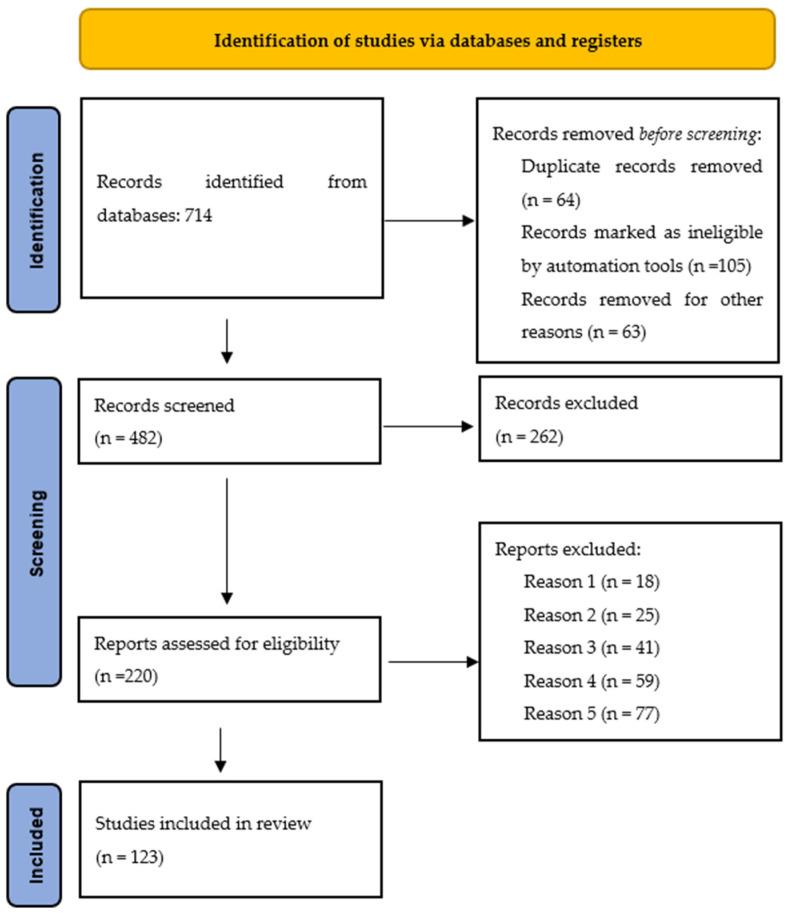
The global development of technologies now enters areas related to human health, with a transition from conventional to personalized medicine that is based to a significant extent on (bio)printing. The goal of this article is to review some of the published scientific literature and to highlight the importance and potential benefits of using 3D (bio)printing techniques in contemporary personalized medicine and also to offer future perspectives in this research field. The article is prepared according to the Preferred Reporting Items for Systematic Reviews and Meta-Analyses (PRISMA) guidelines. Web of Science, PubMed, Scopus, Google Scholar, and ScienceDirect databases were used in the literature search. Six authors independently performed the search, study selection, and data extraction. This review focuses on 3D bio(printing) in personalized medicine and provides a classification of 3D bio(printing) benefits in several categories: overcoming the shortage of organs for transplantation, elimination of problems due to the difference between sexes in organ transplantation, reducing the cases of rejection of transplanted organs, enhancing the survival of patients with transplantation, drug research and development, elimination of genetic/congenital defects in tissues and organs, and surgery planning and medical training for young doctors. In particular, we highlight the benefits of each 3D bio(printing) applications included along with the associated scientific reports from recent literature. In addition, we present an overview of some of the challenges that need to be overcome in the applications of 3D bioprinting in personalized medicine. The reviewed articles lead to the conclusion that bioprinting may be adopted as a revolution in the development of personalized, medicine and it has a huge potential in the near future to become a gold standard in future healthcare in the world.
如今,技术的全球发展进入了与人类健康相关的领域,正从传统医学向个性化医学转变,这在很大程度上基于(生物)打印技术。本文的目的是回顾一些已发表的科学文献,强调在当代个性化医学中使用3D(生物)打印技术的重要性和潜在益处,并展望该研究领域的未来前景。本文是根据系统评价和荟萃分析的首选报告项目(PRISMA)指南撰写的。在文献检索中使用了科学网、PubMed、Scopus、谷歌学术和ScienceDirect数据库。六位作者独立进行了检索、研究筛选和数据提取。本综述聚焦于个性化医学中的3D生物(打印),并将3D生物(打印)的益处分为几类:克服移植器官短缺、消除器官移植中性别差异导致的问题、减少移植器官的排斥病例、提高移植患者的生存率、药物研发、消除组织和器官中的遗传/先天性缺陷,以及手术规划和年轻医生的医学培训。特别是,我们强调了每个3D生物(打印)应用的益处以及近期文献中的相关科学报告。此外,我们概述了3D生物打印在个性化医学应用中需要克服的一些挑战。综述文章得出的结论是,生物打印可能会成为个性化医学发展中的一场革命,并且在不久的将来有巨大潜力成为全球未来医疗保健的黄金标准。
 Zotero 插件