Aseery Manal, Mahran Sabah, Felemban Ohood
Nursing, King Abdulaziz University, Jeddah, SAU.
Public Health/Nursing Administration, College of Nursing, King Abdulaziz University, Jeddah, SAU.
Cureus. 2023 Mar 1;15(3):e35669. doi: 10.7759/cureus.35669. eCollection 2023 Mar.
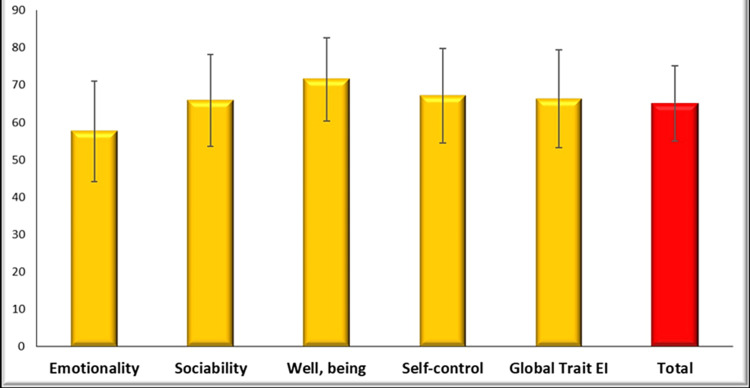
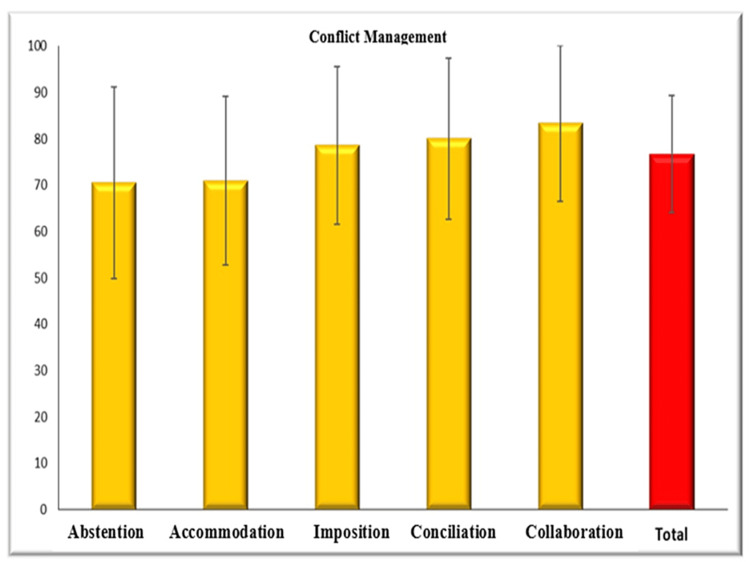
Everyday nursing work inevitably involves conflict. Healthcare workers may experience this as a result of diverse human beliefs, knowledge, values, or emotions. In order to effectively manage and lead the nursing staff in hospitals, a multitasking leader with a wide range of abilities is needed. Multiple elements, such as the leader's personality and overall workplace conditions, might influence effective managerial leadership. Effective management leadership is affected by multiple factors, such as the personality of the leader, the general conditions in the workplace, and the quality characteristics of employees. This study aimed to investigate the relationship between emotional intelligence and conflict management strategies from the head nurses' perspective. Methods The study utilized a quantitative, cross-sectional correlation design. Twenty-one hospitals in the Aseer region that are affiliated with the Saudi Ministry of Health were included in this study. A non-probability sample consisted of 210 head nurses who have at least one year of experience working as head nurses or with managerial experience. An online questionnaire involving three sections - socio-demographic, trait emotional intelligence, and conflict management - were used. Results The study revealed that the level of emotional intelligence was average and that the level of conflict management strategies was high. Approximately three-quarters of the sample studied were female (78.1%), and for an educational level, the majority of participants had a bachelor's degree (62.4%). Regarding the working departments, 34.3% were in general wards, while 23.3% worked in critical care. Approximately two-thirds (62%) of the sample were married; 63.8% of the participants were Saudi, and 49% had fewer than three children. Also, gender identity and emotional intelligence were significantly correlated statistically. Likewise, the level of monthly income, marital status, and nationality are significantly correlated with conflict management strategies. Conclusions In the current study, emotional intelligence has no statistical correlation with strategies for resolving conflicts. While the relationship between subdomains of both main variables was negative, that ruled out an important positive relationship between cooperation and well-being. Teaching nurse managers about emotional intelligence might help them more effectively handle conflicts at work. Likewise, employing emotional intelligence practices requires nurse managers to lead by example, teaching their teams how to regulate their emotions and resolve frequent workplace conflicts.
日常护理工作不可避免地会涉及冲突。医护人员可能会因不同的人类信仰、知识、价值观或情感而经历冲突。为了有效地管理和领导医院的护理人员,需要一位具备广泛能力的多任务领导者。领导者的个性和整体工作场所条件等多个因素可能会影响有效的管理领导能力。有效的管理领导能力受到多种因素的影响,如领导者的个性、工作场所的一般条件以及员工的素质特征。本研究旨在从护士长的角度调查情商与冲突管理策略之间的关系。方法 本研究采用定量、横断面相关设计。沙特卫生部下属的阿西尔地区的21家医院被纳入本研究。一个非概率样本由210名护士长组成,他们至少有一年担任护士长或管理经验。使用了一份在线问卷,包括三个部分——社会人口统计学、特质情商和冲突管理。结果 研究表明,情商水平为中等,冲突管理策略水平较高。研究样本中约四分之三为女性(78.1%),在教育水平方面,大多数参与者拥有学士学位(62.4%)。关于工作部门,34.3%在普通病房,而23.3%在重症监护室工作。样本中约三分之二(62%)已婚;63.8%的参与者是沙特人,49%的人子女少于三个。此外,性别认同与情商在统计学上显著相关。同样,月收入水平、婚姻状况和国籍与冲突管理策略显著相关。结论 在当前研究中,情商与解决冲突的策略没有统计学相关性。虽然两个主要变量的子领域之间的关系为负,但排除了合作与幸福感之间重要的正相关关系。向护士管理者传授情商知识可能有助于他们更有效地处理工作中的冲突。同样,运用情商实践要求护士管理者以身作则,教导他们的团队如何调节情绪并解决工作场所频繁出现的冲突。