Cancer Epidemiology and Clinical Trials Unit, Uganda Cancer Institute, Kampala, Uganda.
Department of Public Health and Manchester Academic Health Sciences Centre, University of Manchester, Manchester, UK.
BMC Cancer. 2023 Apr 5;23(1):311. doi: 10.1186/s12885-023-10621-y.
Cancer is becoming an important public health problem in Uganda. Cancer control requires surveillance of lifestyle risk factors to inform targeted interventions. However, only one national Non-Communicable Disease (NCD) risk factor survey has been conducted in Uganda. This review assessed the prevalence, trends and distribution of lifestyle risk factors in Uganda.
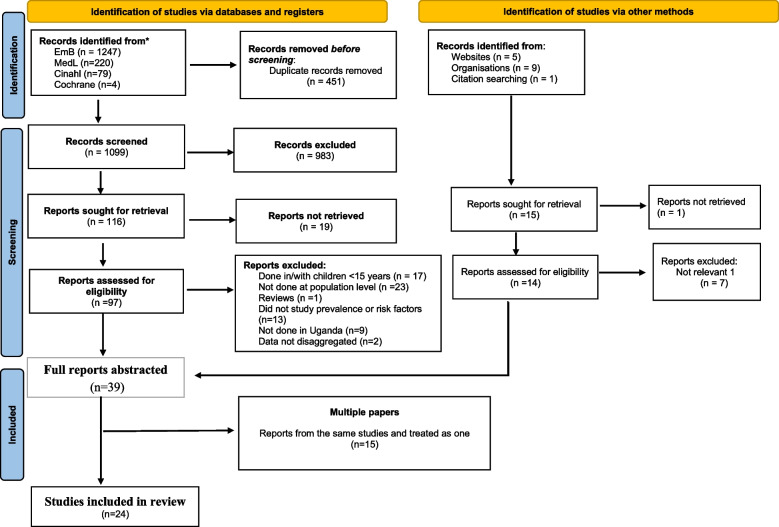
The review identified studies up to January 2019 by searching Medline, Embase, CINAL and Cochrane databases. Further literature was identified from relevant websites and journals; scanning reference lists of relevant articles; and citation searching using Google Scholar. To be eligible, studies had to have been conducted in Uganda, and report prevalence estimates for at least one lifestyle cancer risk factor. Narrative and systematic synthesis was used to analyse the data.
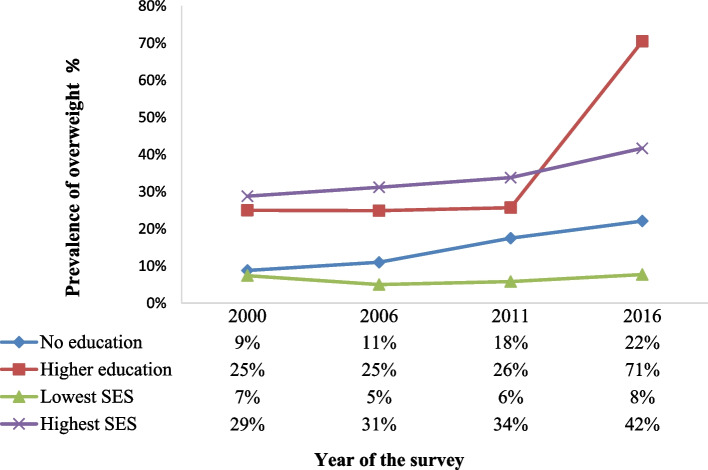
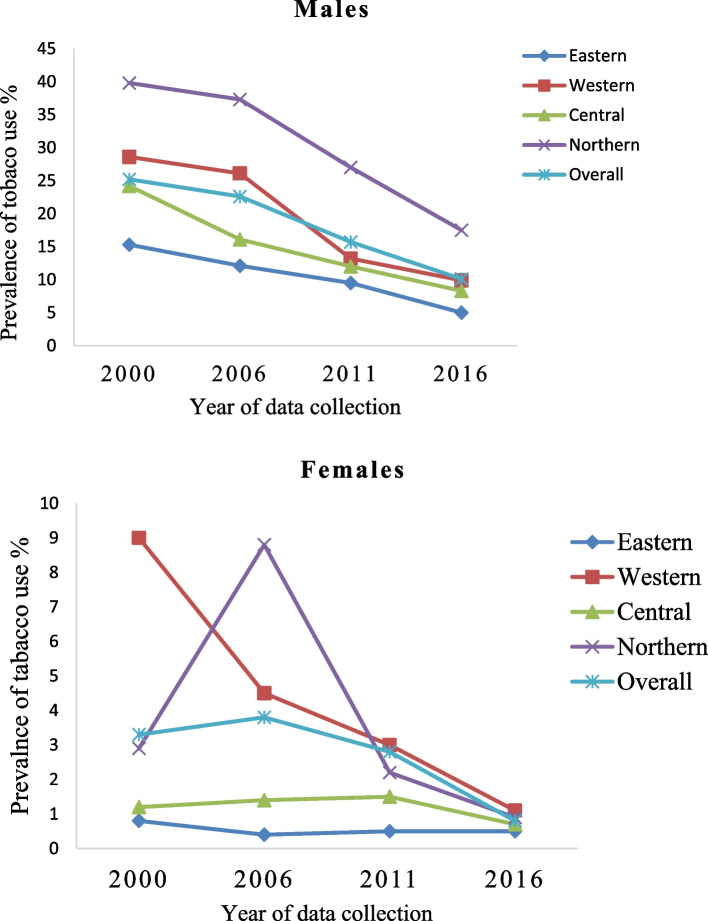
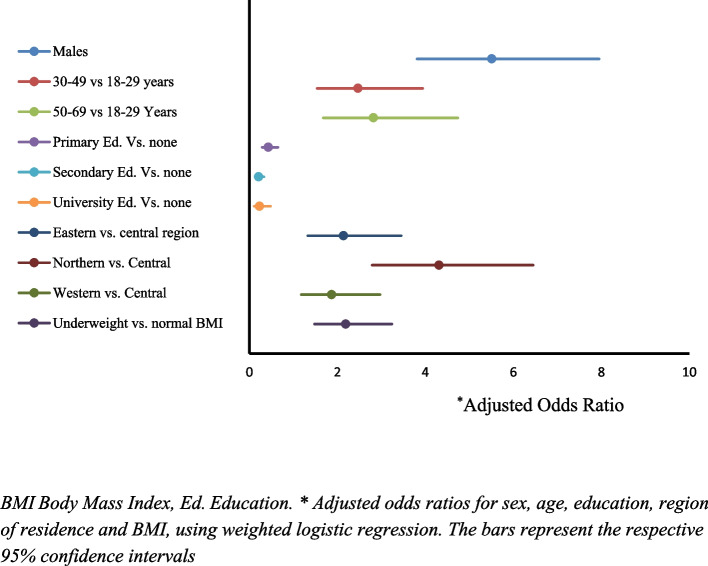
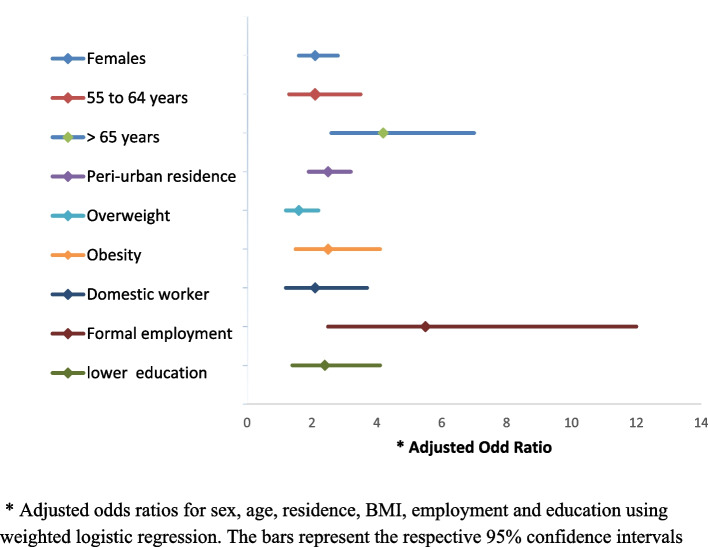
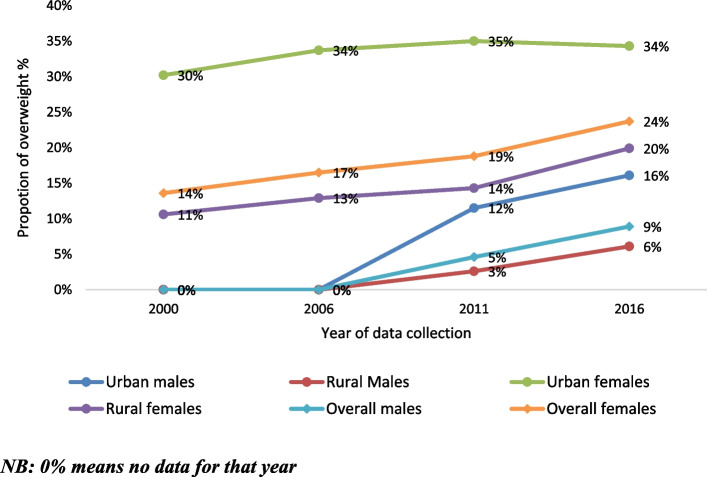
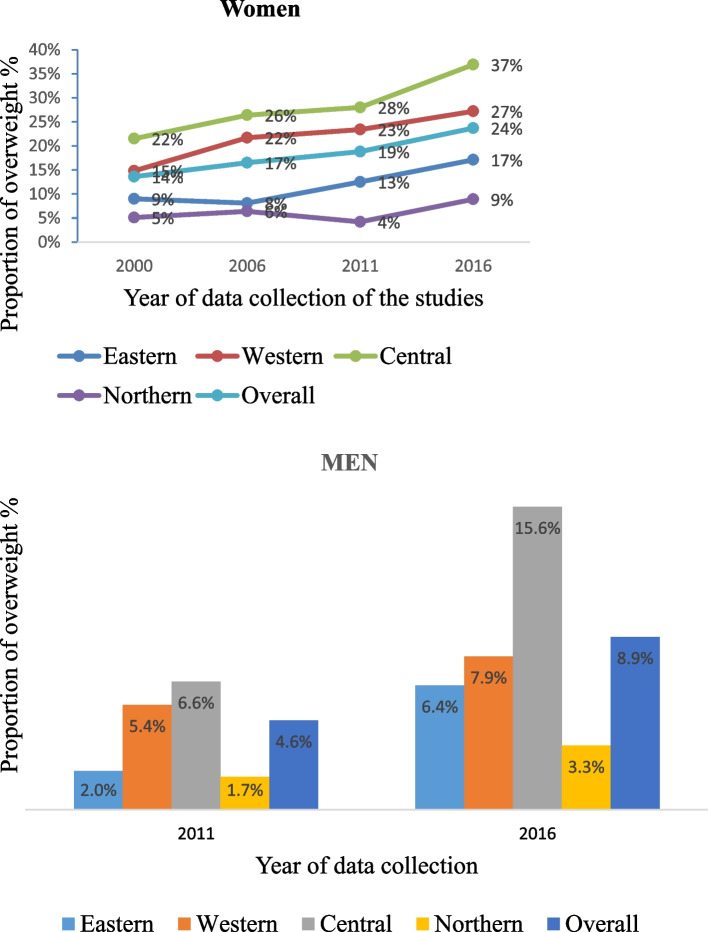
Twenty-four studies were included in the review. Overall, unhealthy diet (88%) was the most prevalent lifestyle risk factor for both males and females. This was followed by harmful use of alcohol (range of 14.3% to 26%) for men, and being overweight (range of 9% to 24%) for women. Tobacco use (range of 0.8% to 10.1%) and physical inactivity (range of 3.7% to 4.9%) were shown to be relatively less prevalent in Uganda. Tobacco use and harmful use of alcohol were more common in males and more prevalent in Northern region, while being overweight (BMI > 25 kg/m2) and physical inactivity were more common in females and more prevalent in Central region. Tobacco use was more prevalent among the rural populations compared to urban, while physical inactivity and being overweight were more common in urban than in rural settings. Tobacco use has decreased overtime, while being overweight increased in all regions and for both sexes.
There is limited data about lifestyle risk factors in Uganda. Apart from tobacco use, other lifestyle risk factors seem to be increasing and there is variation in the prevalence of lifestyle risk factors among the different populations in Uganda. Prevention of lifestyle cancer risk factors requires targeted interventions and a multi-sectoral approach. Most importantly, improving the availability, measurement and comparability of cancer risk factor data should be a top priority for future research in Uganda and other low-resource settings.
癌症在乌干达正成为一个重要的公共卫生问题。癌症控制需要对生活方式风险因素进行监测,以为有针对性的干预措施提供信息。然而,乌干达只进行过一次全国非传染性疾病(NCD)风险因素调查。本综述评估了乌干达生活方式风险因素的流行率、趋势和分布。
通过检索 Medline、Embase、CINAL 和 Cochrane 数据库,本综述确定了截至 2019 年 1 月的研究。还通过相关网站和期刊进一步查找文献;扫描相关文章的参考文献列表;并使用 Google Scholar 进行引文搜索。为了符合纳入标准,研究必须在乌干达进行,并报告至少一种生活方式癌症风险因素的流行率估计值。采用叙述性和系统综述方法对数据进行分析。
本综述共纳入 24 项研究。总体而言,不健康饮食(88%)是男性和女性中最普遍的生活方式风险因素。其次是男性中有害饮酒(范围为 14.3%至 26%)和女性中超重(范围为 9%至 24%)。乌干达的吸烟(范围为 0.8%至 10.1%)和身体活动不足(范围为 3.7%至 4.9%)的流行率相对较低。吸烟和有害饮酒在男性中更为常见,在北部地区更为普遍,而超重(BMI>25kg/m2)和身体活动不足在女性中更为常见,在中部地区更为普遍。与城市相比,农村地区的吸烟更为普遍,而身体活动不足和超重则在城市更为普遍。随着时间的推移,吸烟有所减少,而超重则在所有地区和两性中都有所增加。
乌干达关于生活方式风险因素的数据有限。除了吸烟之外,其他生活方式风险因素似乎也在增加,而且乌干达不同人群的生活方式风险因素流行率存在差异。预防生活方式癌症风险因素需要有针对性的干预措施和多部门方法。最重要的是,提高癌症风险因素数据的可得性、测量和可比性应成为乌干达和其他资源匮乏环境未来研究的首要任务。