Science Division, New York University Abu Dhabi, Abu Dhabi, United Arab Emirates.
Department of Biomedical Engineering and Healthcare Engineering Innovation Center, Khalifa University of Science and Technology, Abu Dhabi, United Arab Emirates.
Protein Sci. 2023 May;32(5):e4639. doi: 10.1002/pro.4639.
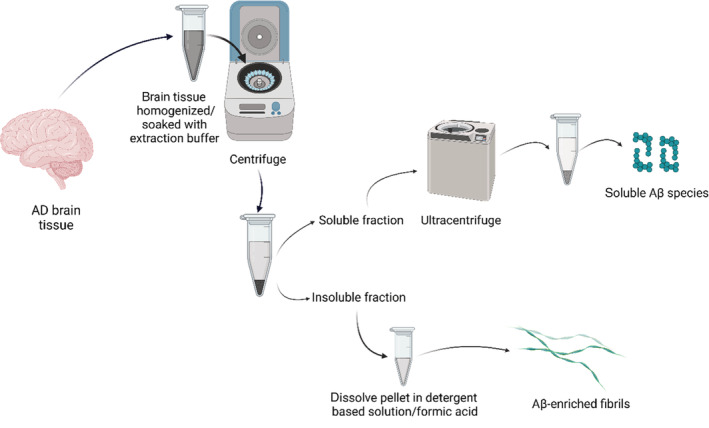
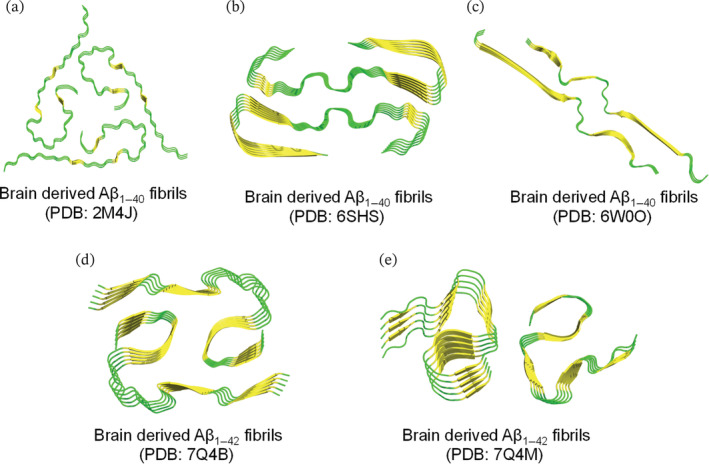
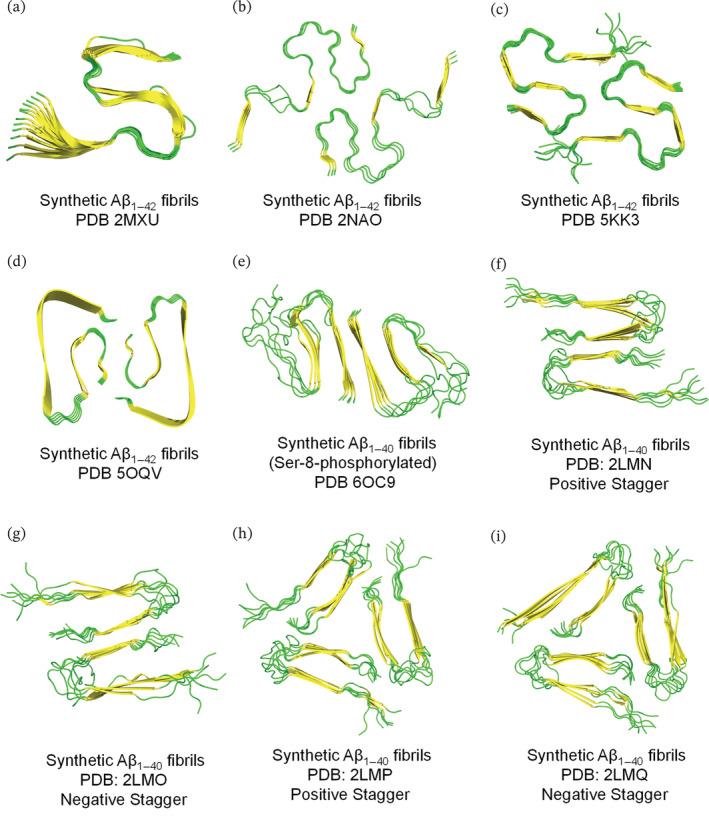
To date, more than 37 amyloidogenic proteins have been found to form toxic aggregates that are implicated in the progression of numerous debilitating protein misfolding diseases including Alzheimer's disease (AD). Extensive literature highlights the role of β-amyloid (Aβ) aggregates in causing excessive neuronal cell loss in the brains of AD patients. In fact, major advances in our understanding of Aβ aggregation process, including kinetics, toxicity, and structures of fibrillar aggregates have been revealed by examining in vitro preparations of synthetic Aβ peptides. However, ongoing research shows that brain-derived Aβ aggregates have specific characteristics that distinguish them from in vitro prepared species. Notably, the molecular structures of amyloid fibrils grown in the human brain were found to be markedly different than synthetic Aβ fibrils. In addition, recent findings report the existence of heterogeneous Aβ proteoforms in AD brain tissue in contrast to synthetically produced full-length aggregates. Despite their high relevance to AD progression, brain-derived Aβ species are less well-characterized compared with synthetic aggregates. The aim of this review is to provide an overview of the literature on brain-derived Aβ aggregates with particular focus on recent studies that report their structures as well as pathological roles in AD progression. The main motivation of this review is to highlight the importance of utilizing brain-derived amyloids for characterizing the structural and toxic effects of amyloid species. With this knowledge, brain-derived aggregates can be adopted to identify more relevant drug targets and validate potent aggregation inhibitors toward designing highly effective therapeutic strategies against AD.
迄今为止,已有超过 37 种淀粉样蛋白被发现可形成有毒聚集体,这些聚集体与包括阿尔茨海默病(AD)在内的多种使人衰弱的蛋白错误折叠疾病的进展有关。大量文献强调了β-淀粉样蛋白(Aβ)聚集体在引起 AD 患者大脑中过量神经元细胞死亡中的作用。事实上,通过检查合成 Aβ 肽的体外制剂,我们对 Aβ 聚集过程的认识取得了重大进展,包括动力学、毒性和纤维状聚集体的结构。然而,正在进行的研究表明,脑源性 Aβ 聚集体具有特定的特征,可以将它们与体外制备的物质区分开来。值得注意的是,在人类大脑中生长的淀粉样纤维的分子结构明显不同于合成的 Aβ 纤维。此外,最近的发现报告称,与合成产生的全长聚集体相比,AD 脑组织中存在异质 Aβ 蛋白。尽管它们与 AD 进展高度相关,但与合成聚集体相比,脑源性 Aβ 物质的特征描述较少。本综述的目的是提供关于脑源性 Aβ 聚集体的文献综述,特别关注最近报道其结构以及在 AD 进展中的病理作用的研究。本综述的主要动机是强调利用脑源性淀粉样蛋白来描述淀粉样物质的结构和毒性作用的重要性。有了这些知识,就可以采用脑源性聚集体来确定更相关的药物靶点,并验证有效的聚集抑制剂,从而针对 AD 设计高度有效的治疗策略。