Midwifery Department, School of Nursing and Midwifery, Kermanshah University of Medical Sciences, Kermanshah, Iran.
Faculty of Advanced Medical Sciences, Tabriz University of Medical Sciences, Tabriz, Iran.
Reprod Health. 2023 Apr 13;20(1):61. doi: 10.1186/s12978-023-01582-3.
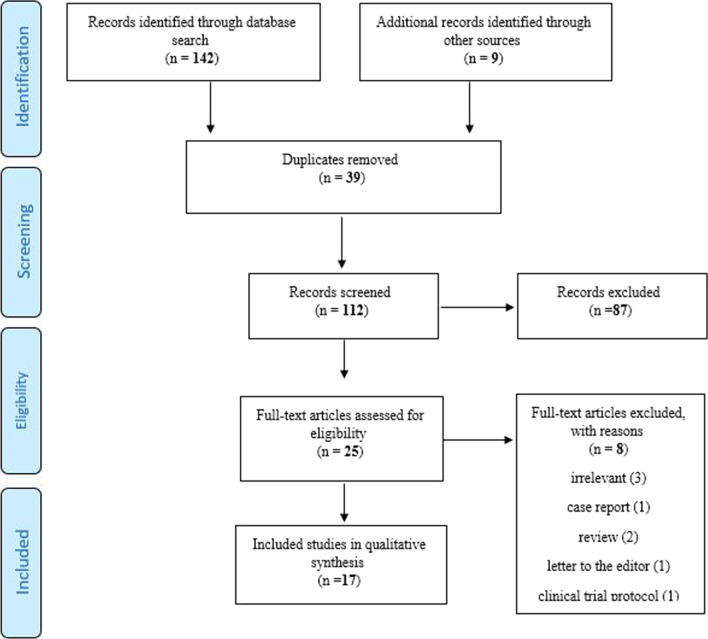
Evidence suggests that COVID-19 may impair access to sexual and reproductive health services and safe abortion. The purpose of this systematic review was investigating the changes of abortion services in the COVID-19 pandemic era. We searched PubMed, Web of Science and Scopus for relevant studies published as of August 2021, using relevant keywords. RCT and non-original studies were excluded from the analysis and 17 studies of 151 included in our review. Requests to access medication abortion by telemedicine and demand for self-managed abortion were the main findings of identified studies. Women requested an abortion earlier in their pregnancy, and were satisfied with tele-abortion care due to its flexibility, and ongoing telephone support. Presenting telemedicine services without ultrasound has also been reported. Visits to clinics were reduced based on the severity of the restrictions, and abortion clinics had less revenue, more costs, and more changes in the work style of their healthcare providers. Telemedicine was reported safe, effective, acceptable, and empowering for women. Reasons for using tele-abortion were privacy, secrecy, comfort, using modern contraception, employing of women, distance from clinics, travel restrictions, lockdowns, fear of COVID-19, and political reasons (abortion prohibition). Complications of women using tele-abortion were pain, lack of psychological support, bleeding, and need to blood transfusions. The results of this study showed that using telemedicine and teleconsultations for medical abortion in the pandemic conditions may be extended after pandemic. Findings can be used by reproductive healthcare providers and policy makers to address the complications of abortion services.Trail registration This study is registered in PROSPERO with number CRD42021279042.
有证据表明,COVID-19 可能会影响获得性健康和生殖健康服务以及安全堕胎的机会。本系统评价的目的是调查 COVID-19 大流行期间堕胎服务的变化。我们在 PubMed、Web of Science 和 Scopus 中搜索了截至 2021 年 8 月发表的相关研究,使用了相关的关键词。排除了 RCT 和非原始研究,并对 151 项研究中的 17 项进行了分析。确定的研究主要发现是通过远程医疗要求药物流产和要求自我管理堕胎。女性在怀孕早期要求堕胎,由于远程堕胎护理的灵活性和持续的电话支持而对其感到满意。还报告了无需超声即可提供远程医疗服务。根据限制的严重程度,到诊所的就诊次数减少,堕胎诊所的收入减少,成本增加,医疗服务提供者的工作方式也发生了变化。远程医疗被报告为安全、有效、可接受和赋予妇女权力。使用远程堕胎的原因包括隐私、保密、舒适、使用现代避孕药具、雇用妇女、远离诊所、旅行限制、封锁、对 COVID-19 的恐惧和政治原因(堕胎禁止)。使用远程堕胎的妇女的并发症包括疼痛、缺乏心理支持、出血和需要输血。这项研究的结果表明,在大流行期间,使用远程医疗和远程咨询进行药物流产可能会在大流行后继续进行。研究结果可以为生殖健康护理提供者和政策制定者提供信息,以解决堕胎服务的并发症。
试验注册 本研究在 PROSPERO 中注册,编号为 CRD42021279042。