International Livestock Research Institute, PO Box 30709-00100, Nairobi, Kenya.
John Innes Centre, Norwich Research Park, Norwich, NR4 7UH, UK.
Nat Commun. 2023 Apr 17;14(1):1915. doi: 10.1038/s41467-023-37489-7.
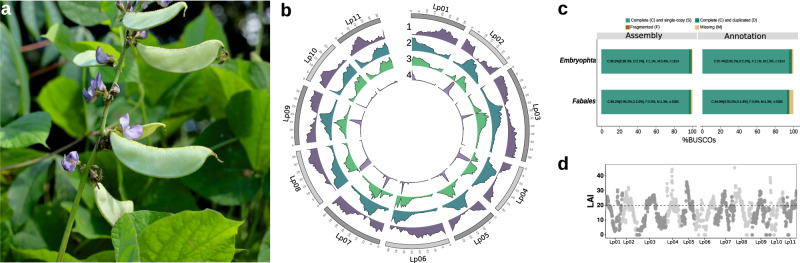
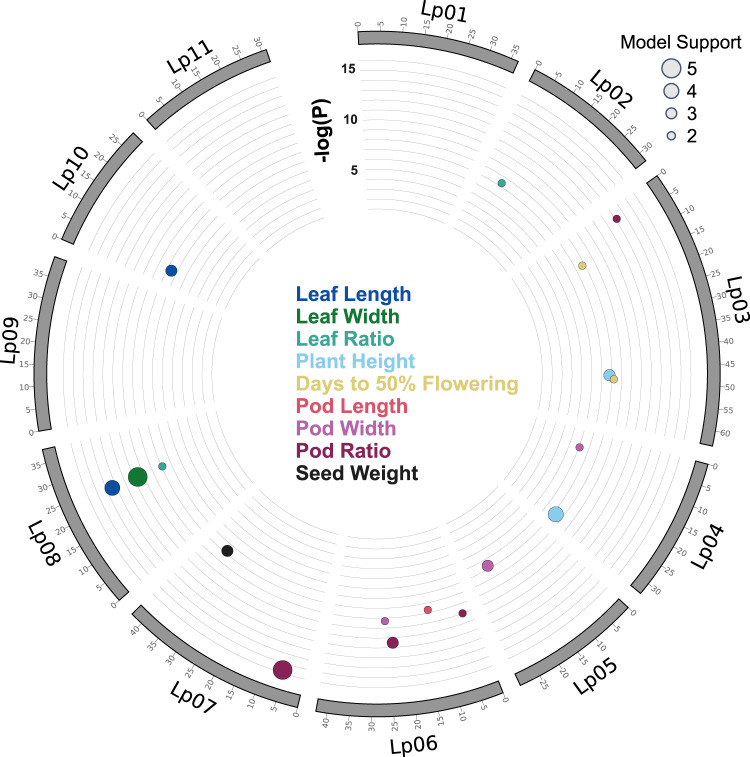
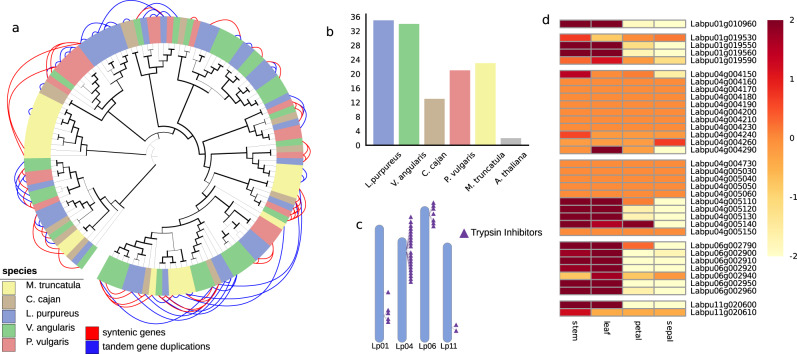
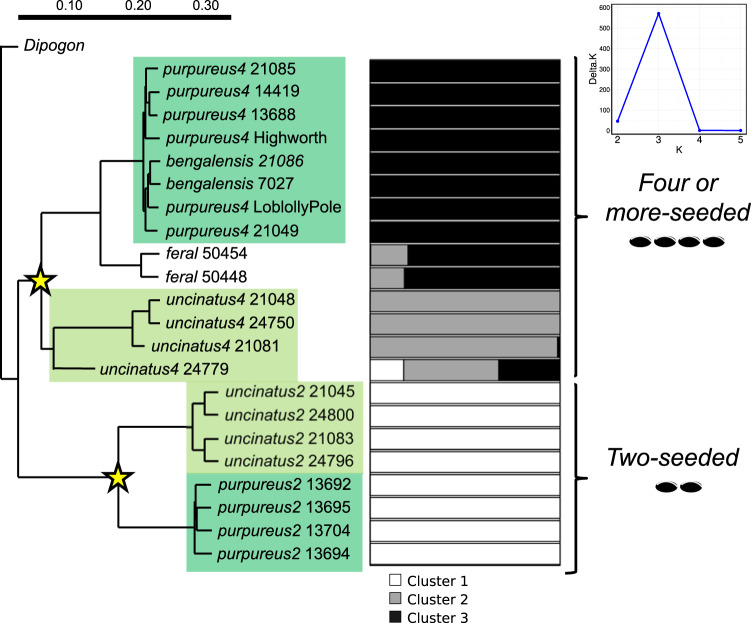
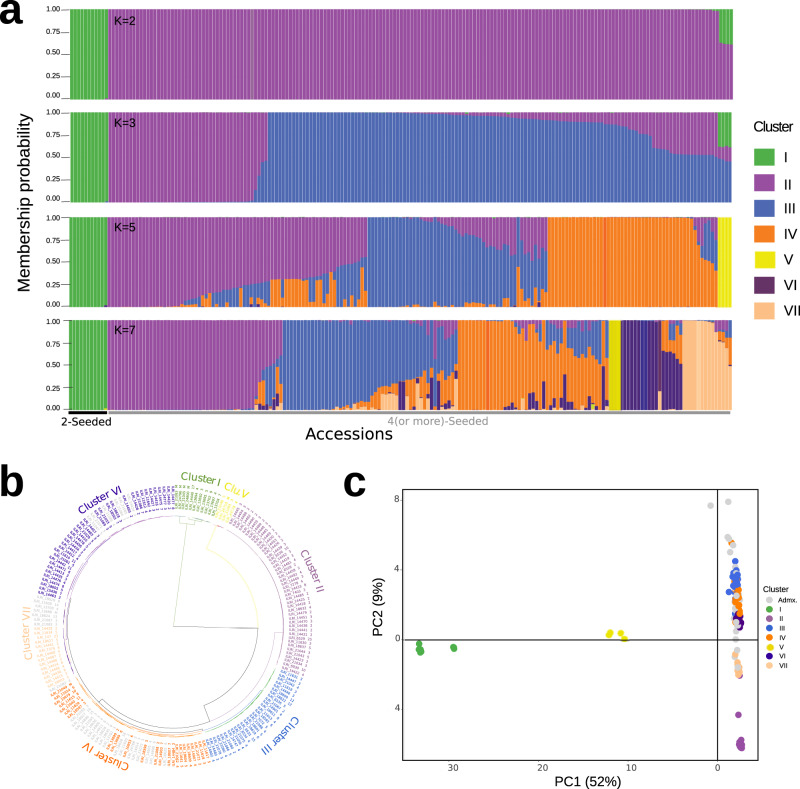
Under-utilised orphan crops hold the key to diversified and climate-resilient food systems. Here, we report on orphan crop genomics using the case of Lablab purpureus (L.) Sweet (lablab) - a legume native to Africa and cultivated throughout the tropics for food and forage. Our Africa-led plant genome collaboration produces a high-quality chromosome-scale assembly of the lablab genome. Our assembly highlights the genome organisation of the trypsin inhibitor genes - an important anti-nutritional factor in lablab. We also re-sequence cultivated and wild lablab accessions from Africa confirming two domestication events. Finally, we examine the genetic and phenotypic diversity in a comprehensive lablab germplasm collection and identify genomic loci underlying variation of important agronomic traits in lablab. The genomic data generated here provide a valuable resource for lablab improvement. Our inclusive collaborative approach also presents an example that can be explored by other researchers sequencing indigenous crops, particularly from low and middle-income countries (LMIC).
未充分利用的孤儿作物是实现多样化和气候适应型粮食系统的关键。在这里,我们以非洲本土植物和热带地区广泛种植的豆科作物——羽扇豆(Lablab purpureus (L.) Sweet)为例,报告了孤儿作物基因组学研究。我们的非洲主导的植物基因组合作项目生成了羽扇豆高质量的染色体水平基因组组装。该组装突出了胰蛋白酶抑制剂基因的基因组组织,这是羽扇豆中一种重要的抗营养因子。我们还对来自非洲的栽培和野生羽扇豆进行了重测序,证实了两次驯化事件。最后,我们对综合羽扇豆种质资源进行了遗传和表型多样性分析,并鉴定了羽扇豆重要农艺性状变异的基因组位点。这里生成的基因组数据为羽扇豆改良提供了有价值的资源。我们包容性的合作方法也为其他研究人员提供了一个范例,这些研究人员可以探索对来自低收入和中等收入国家(LMIC)的本土作物进行测序。