Department of Genetics, Faculty of Agriculture, Assiut University, 71526, Assiut, Egypt.
Department of Arid Land Agriculture, King Abdulaziz University, 80208, Jeddah, Saudi Arabia.
Mol Biol Rep. 2023 Jun;50(6):4917-4930. doi: 10.1007/s11033-023-08302-x. Epub 2023 Apr 19.
The bacterial speck disease of tomato caused by a bacterial pathogen Pseudomonas syringae pv. tomato is a most important disease causing severe crop losses.
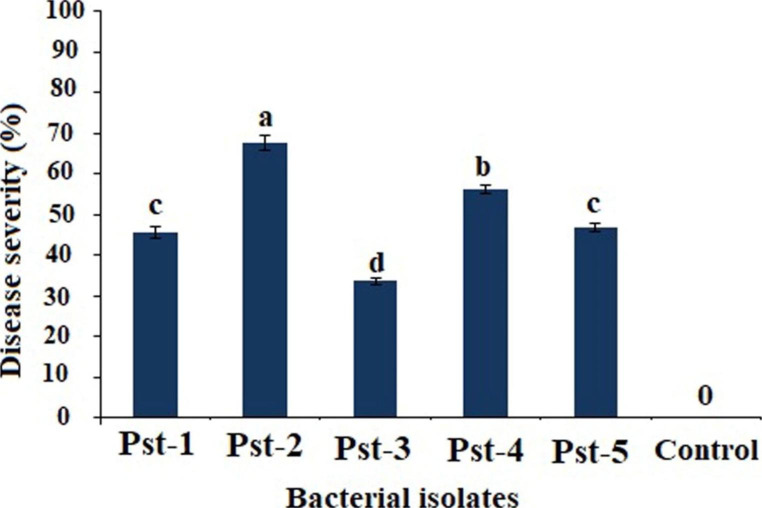
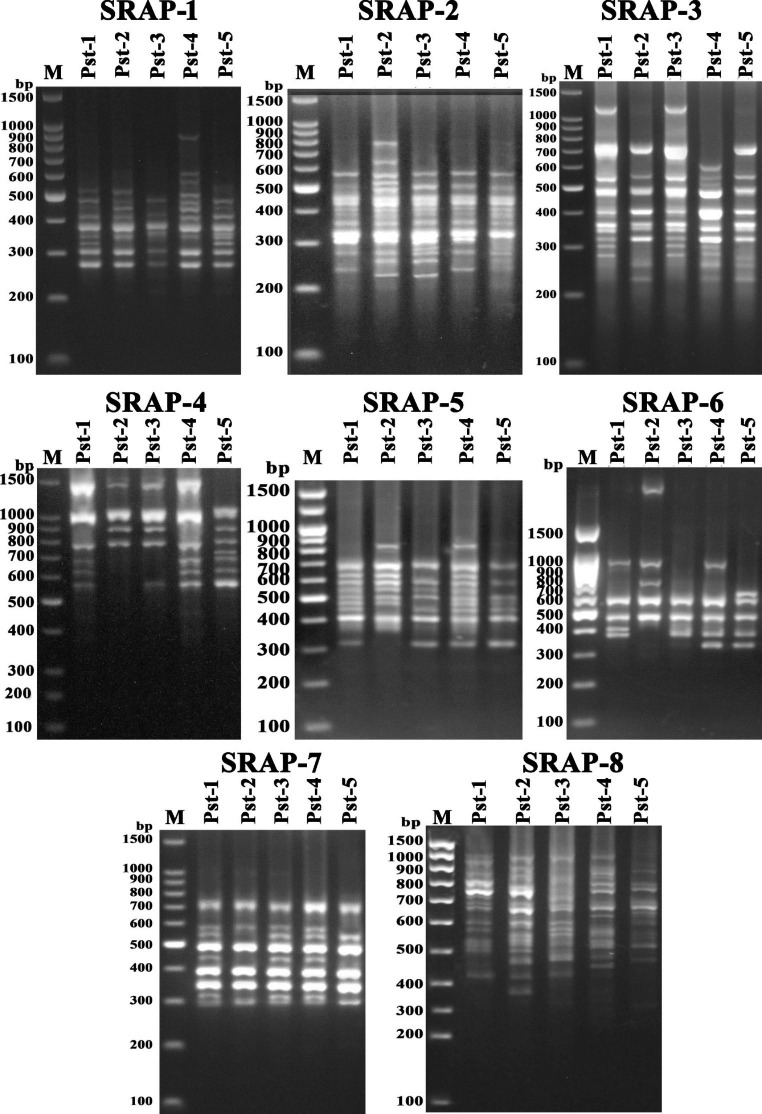
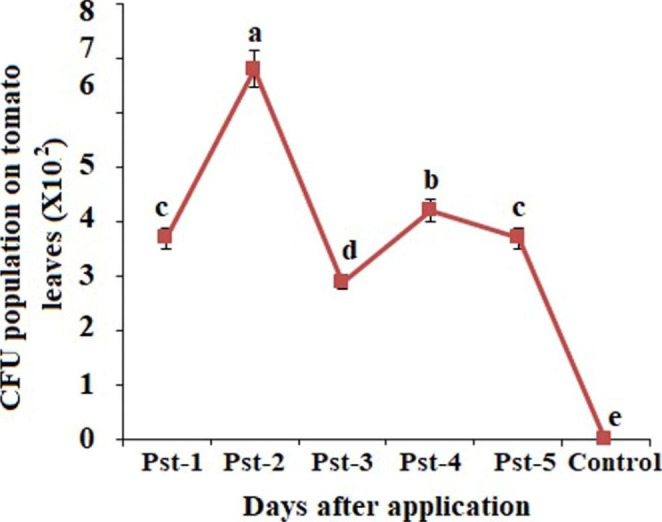
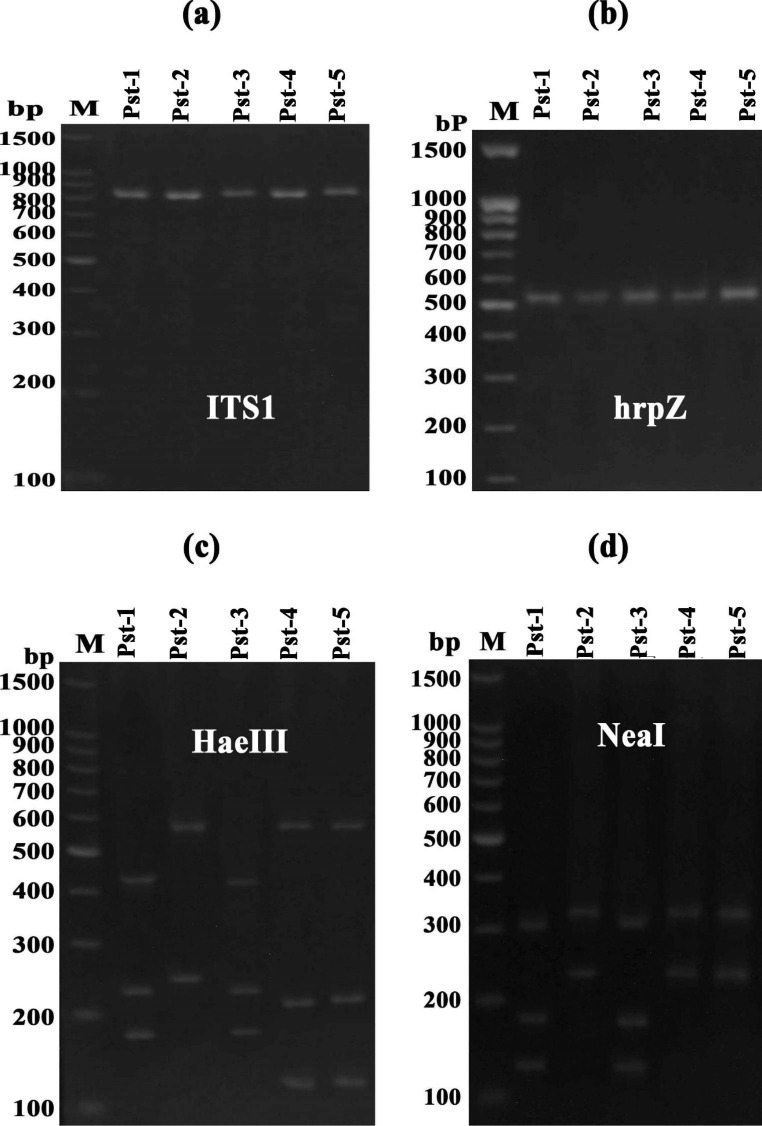
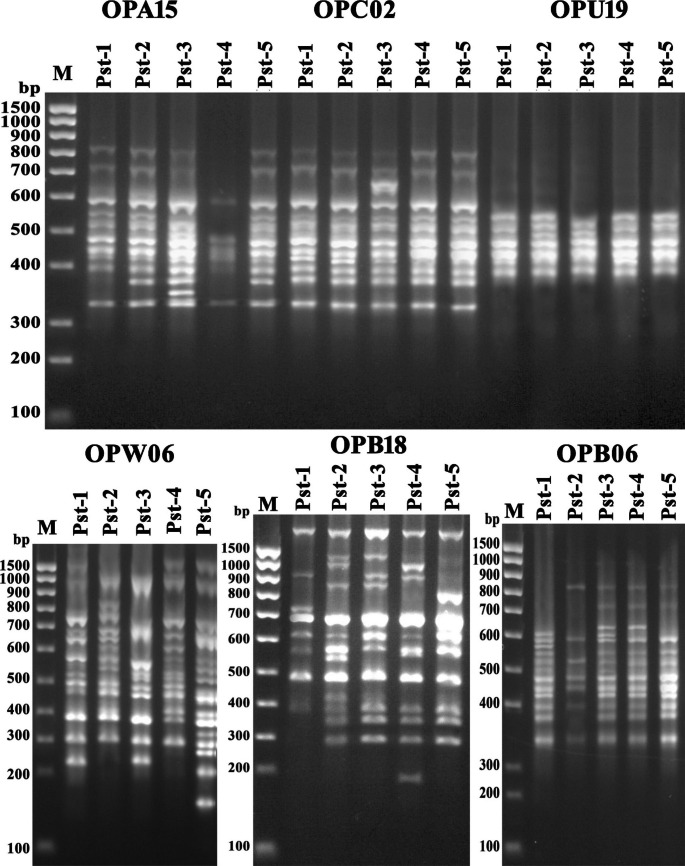
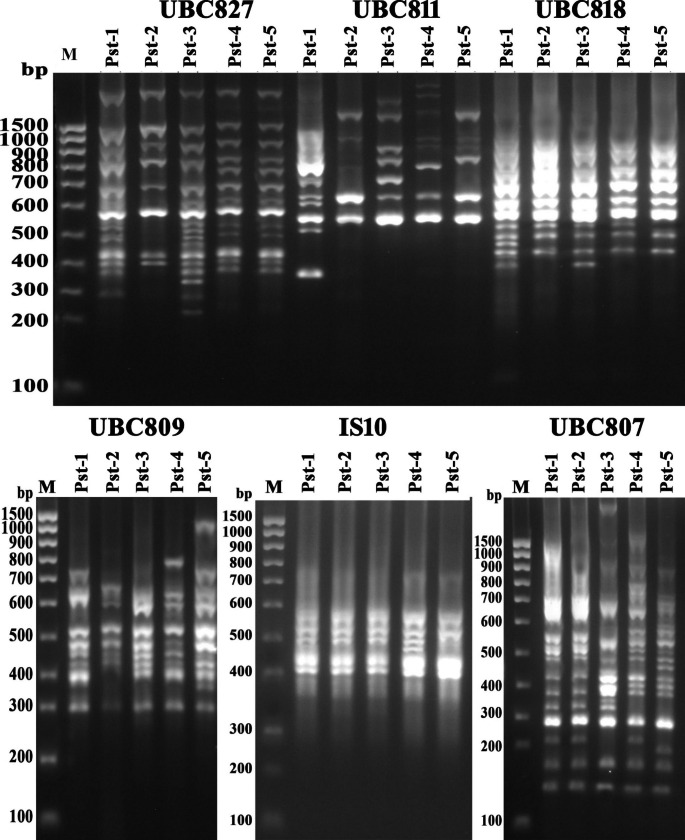
Present study was conducted to investigate and characterize the population diversity of P. syringae pv. tomato pathogen isolated from infected tomato plants from various regions of Egypt. Significant variation among the isolates was observed which demonstrated considerable virulence. All isolates were pathogenic and the CFU population recovered from inoculate tomato leaves by isolate Pst-2 was higher than other isolates. Genetic disparity among the isolates was investigated by PCR analysis by amplifying hrpZ gene using random amplified polymorphic DNA (RAPD), sequence-related amplified polymorphism (SRAP), and inter-simple sequence repeats (ISSR) markers. The amplified products for ITS1 were found to have 810 bp length whereas 536 bp length was observed for hrpZ gene using primer pairs (1406-f/23S-r) and (MM5-F, MM5-R) respectively. The restriction analysis of amplified regions "ITS" and hrpZ by using 5 and 4 endonucleases respectively demonstrated slight variation among the bacterial isolates. The results of RAPD, ISSR and SRAP showed higher polymorphism (60.52%) within the isolates which may assist for successful characterization by unique and specific markers based on geographical distribution, origin and virulence intensity.
The results of present study suggested that the use of molecular approach may provide successful and valuable information to differentiate and classify P. syringae pv. tomato strains in future for the detection and confirmation of pathogenicity.
由细菌病原体丁香假单胞菌 pv.番茄引起的番茄细菌性斑点病是一种造成严重作物损失的最重要疾病。
本研究旨在调查和描述从埃及不同地区感染番茄植株中分离出的番茄溃疡病菌种群多样性。观察到分离株之间存在显著差异,表现出相当大的毒性。所有分离株均具有致病性,分离株 Pst-2 接种番茄叶片后回收的 CFU 群体高于其他分离株。通过使用随机扩增多态性 DNA(RAPD)、序列相关扩增多态性(SRAP)和简单序列重复间(ISSR)标记物扩增 hrpZ 基因,对分离株之间的遗传差异进行了研究。使用引物对(1406-f/23S-r)和(MM5-F、MM5-R)扩增 ITS1 扩增产物的长度为 810bp,而扩增 hrpZ 基因的长度为 536bp。使用 5 和 4 内切酶分别对扩增区域“ITS”和 hrpZ 进行的限制性分析表明,细菌分离株之间存在细微差异。RAPD、ISSR 和 SRAP 的结果显示,分离株内具有较高的多态性(60.52%),这可能有助于根据地理位置、起源和毒力强度,利用基于独特和特定标记的成功特征描述。
本研究结果表明,分子方法的应用可能为未来区分和分类番茄溃疡病菌株提供成功和有价值的信息,用于检测和确认致病性。