RIADI Laboratory, ENSI, Manouba University, Campus Universitaire de La Manouba, La Manouba, Tunisia.
Radiology and Medical Imaging Unit, International Center Carthage Medical-Monastir, Monastir, Tunisia.
Cancer Control. 2023 Jan-Dec;30:10732748231169149. doi: 10.1177/10732748231169149.
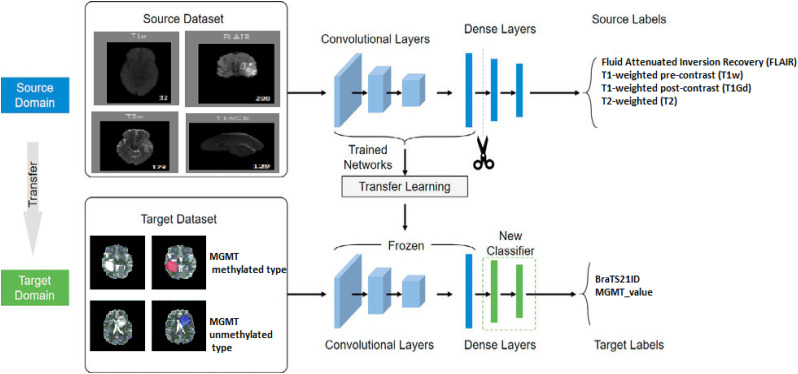
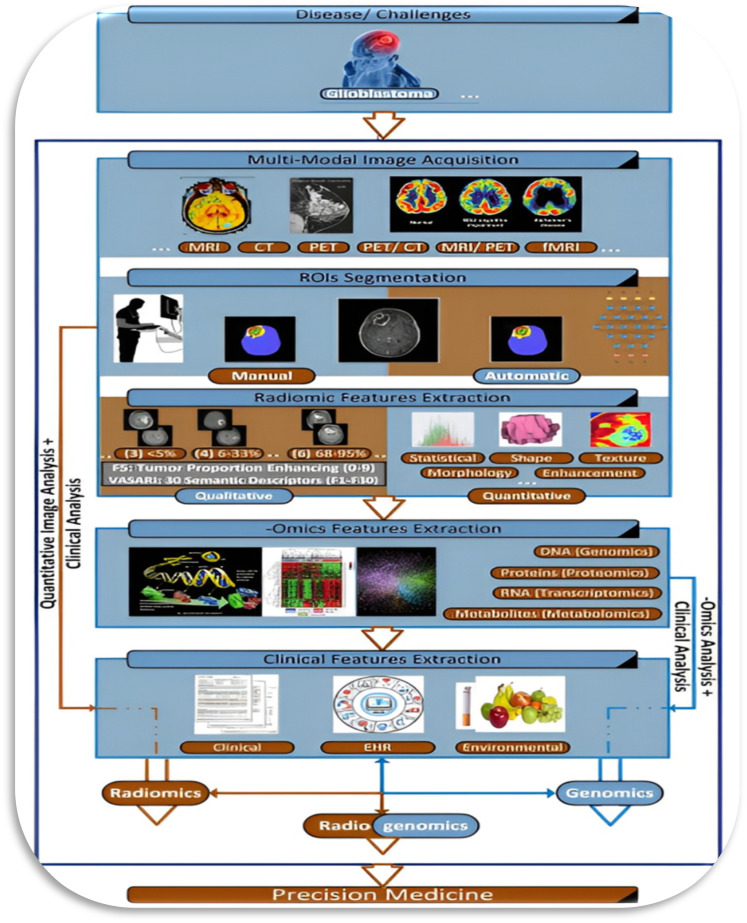
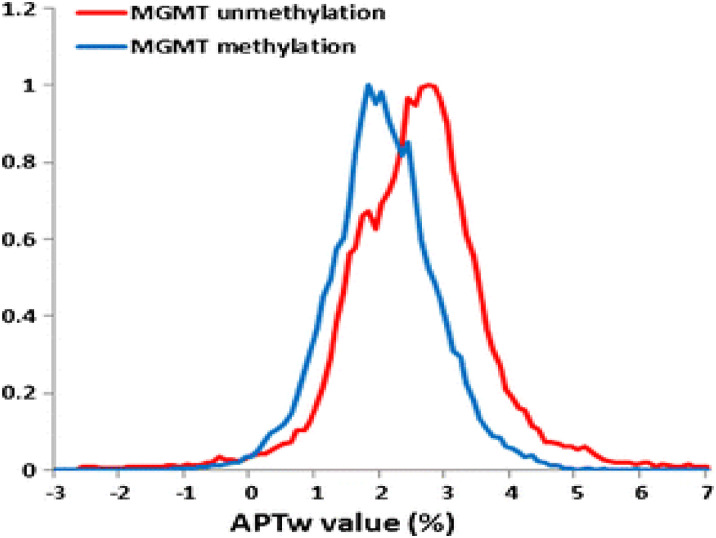
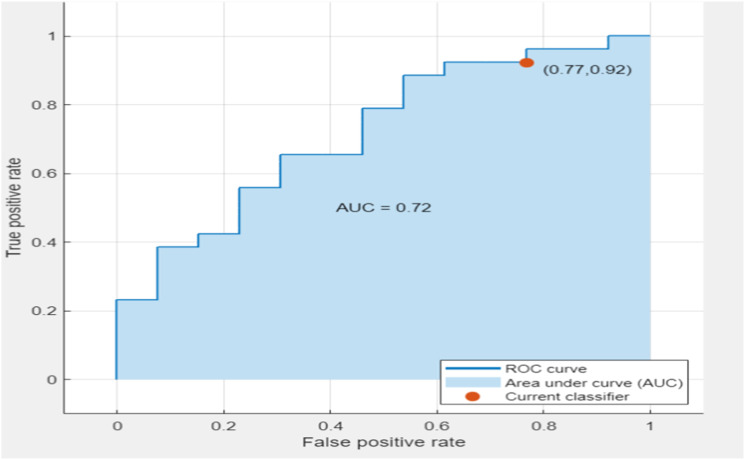
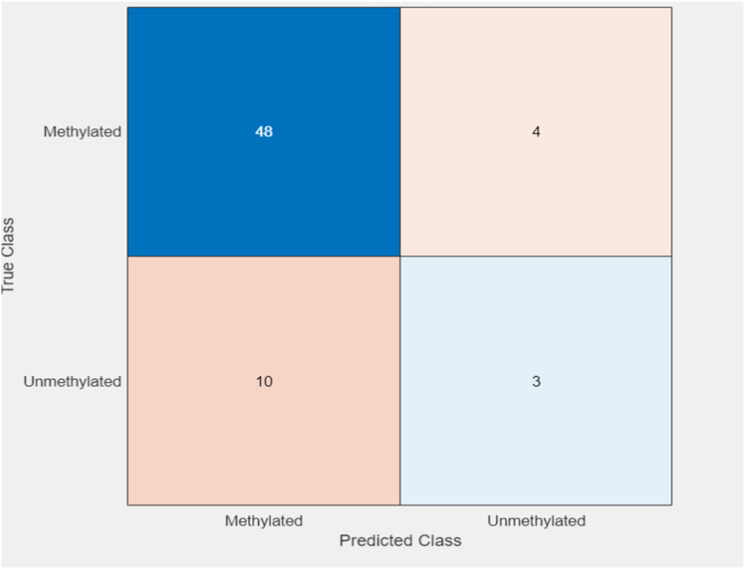
Artificial Intelligence (AI) is the subject of a challenge and attention in the field of oncology and raises many promises for preventive diagnosis, but also fears, some of which are based on highly speculative visions for the classification and detection of tumors. A brain tumor that is malignant is a life-threatening disorder. Glioblastoma is the most prevalent kind of adult brain cancer and the 1 with the poorest prognosis, with a median survival time of less than a year. The presence of O -methylguanine-DNA methyltransferase (MGMT) promoter methylation, a particular genetic sequence seen in tumors, has been proven to be a positive prognostic indicator and a significant predictor of recurrence.This strong revival of interest in AI is modeled in particular to major technological advances which have significantly increased the performance of the predicted model for medical decision support. Establishing reliable forecasts remains a significant challenge for electronic health records (EHRs). By enhancing clinical practice, precision medicine promises to improve healthcare delivery. The goal is to produce improved prognosis, diagnosis, and therapy through evidence-based sub stratification of patients, transforming established clinical pathways to optimize care for each patient's individual requirements. The abundance of today's healthcare data, dubbed "big data," provides great resources for new knowledge discovery, potentially advancing precision treatment. The latter necessitates multidisciplinary initiatives that will use the knowledge, skills, and medical data of newly established organizations with diverse backgrounds and expertise.The aim of this paper is to use magnetic resonance imaging (MRI) images to train and evaluate your model to detect the presence of MGMT promoter methylation in this competition to predict the genetic subtype of glioblastoma based transfer learning. Our objective is to emphasize the basic problems in the developing disciplines of radiomics and radiogenomics, as well as to illustrate the computational challenges from the perspective of big data analytics.
人工智能(AI)是肿瘤学领域的挑战和关注焦点,它为预防诊断带来了许多承诺,但也引发了一些担忧,其中一些担忧是基于对肿瘤分类和检测的高度推测性设想。恶性脑肿瘤是一种危及生命的疾病。胶质母细胞瘤是最常见的成人脑癌,也是预后最差的 1 种,中位生存时间不到 1 年。O-甲基鸟嘌呤-DNA 甲基转移酶(MGMT)启动子甲基化的存在,即肿瘤中出现的一种特殊遗传序列,已被证明是一种阳性预后指标和复发的重要预测因素。这种对人工智能的强烈兴趣复兴主要是由于重大技术进步,这些进步显著提高了用于医疗决策支持的预测模型的性能。建立可靠的预测仍然是电子健康记录(EHR)面临的重大挑战。通过增强临床实践,精准医学有望改善医疗保健的提供。目标是通过对患者进行基于证据的亚分层,改善预后、诊断和治疗,通过为每个患者的个体需求优化护理来改变既定的临床路径。当今医疗保健数据的丰富性,被称为“大数据”,为新的知识发现提供了巨大的资源,有可能推进精准治疗。后者需要多学科的举措,这些举措将利用具有不同背景和专业知识的新成立组织的知识、技能和医疗数据。本文的目的是使用磁共振成像(MRI)图像来训练和评估您的模型,以检测 MGMT 启动子甲基化的存在,从而在基于迁移学习预测胶质母细胞瘤基因亚型的竞赛中预测该基因亚型。我们的目标是强调放射组学和放射基因组学发展学科中的基本问题,并从大数据分析的角度说明计算挑战。