Cambridge Hearing Group, Cambridge, UK.
Department of Clinical Neurosciences, University of Cambridge, Cambridge, CB2 0QQ, UK.
Ann Biomed Eng. 2023 Jul;51(7):1390-1407. doi: 10.1007/s10439-023-03192-3. Epub 2023 Apr 22.
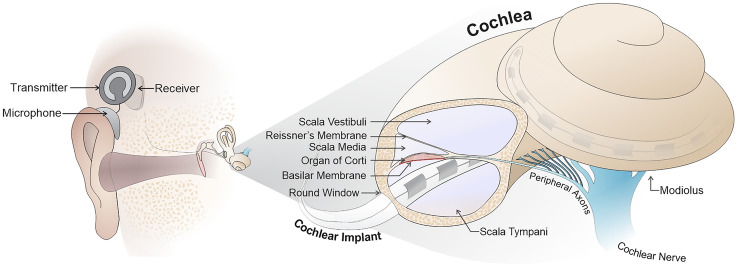
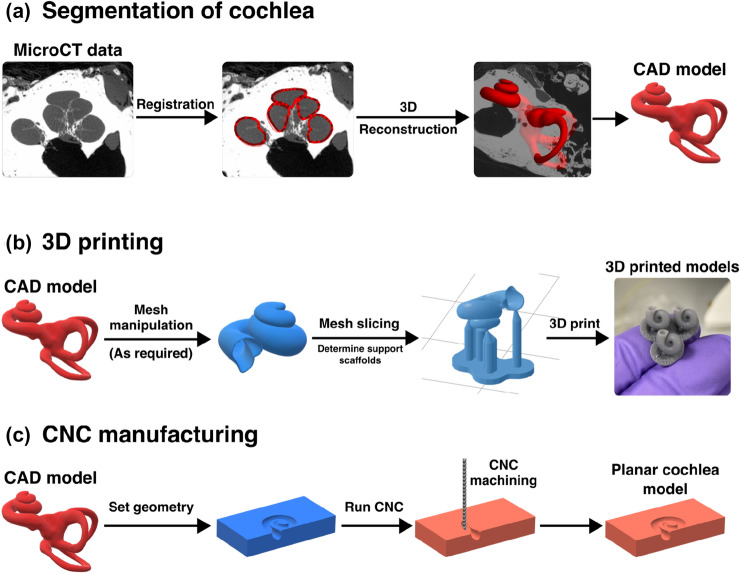
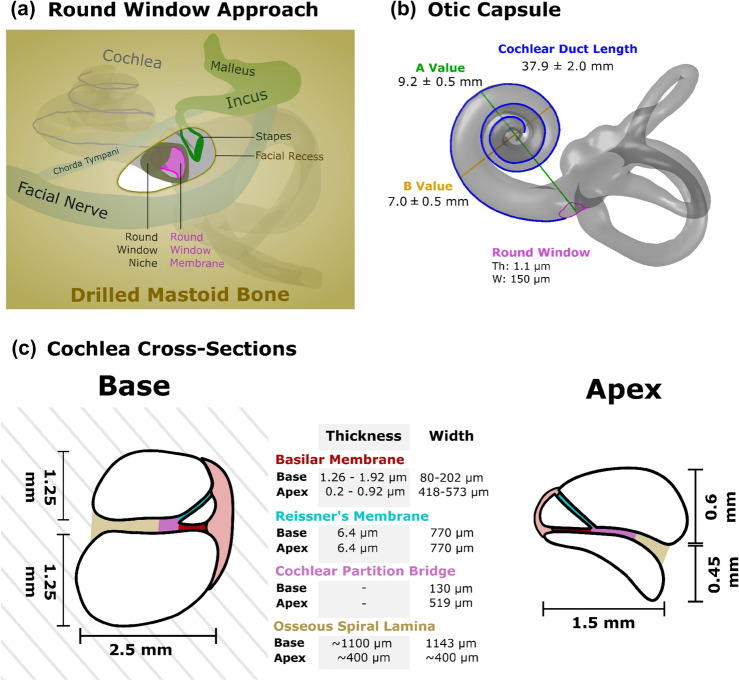
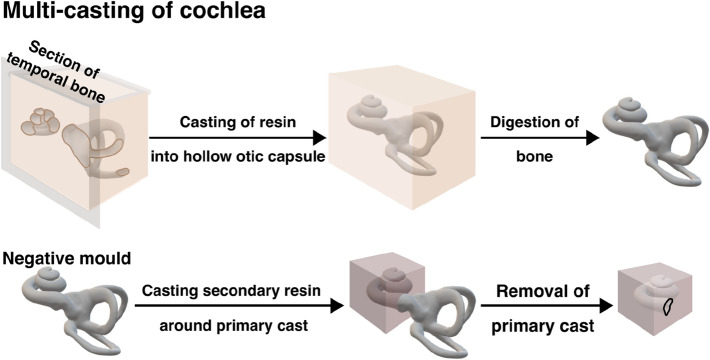
As the first clinically translated machine-neural interface, cochlear implants (CI) have demonstrated much success in providing hearing to those with severe to profound hearing loss. Despite their clinical effectiveness, key drawbacks such as hearing damage, partly from insertion forces that arise during implantation, and current spread, which limits focussing ability, prevent wider CI eligibility. In this review, we provide an overview of the anatomical and physical properties of the cochlea as a resource to aid the development of accurate models to improve future CI treatments. We highlight the advancements in the development of various physical, animal, tissue engineering, and computational models of the cochlea and the need for such models, challenges in their use, and a perspective on their future directions.
作为第一个经过临床转化的机器神经接口,人工耳蜗(CI)在为重度至极重度听力损失患者提供听力方面取得了巨大成功。尽管它们在临床上非常有效,但一些关键的缺陷,如听力损伤,部分源于植入过程中产生的插入力,以及当前的扩散,限制了聚焦能力,这阻碍了更广泛的人工耳蜗适用性。在这篇综述中,我们提供了耳蜗的解剖学和物理特性概述,以帮助开发更准确的模型,从而改善未来的人工耳蜗治疗。我们强调了各种物理、动物、组织工程和耳蜗计算模型的发展进展,以及对这些模型的需求、使用中的挑战,以及对它们未来方向的展望。