Ullah Zakir, Gul Farhat, Iqbal Javed, Abbasi Banzeer Ahsan, Kanwal Sobia, Chalgham Wadie, El-Sheikh Mohamed A, Diltemiz Sibel Emir, Mahmood Tariq
Department of Plant Sciences, Faculty of Biological Sciences, Quaid-i-Azam University, Islamabad 45320, Pakistan.
Department of Botany, Bacha Khan University, Charsadda 24420, Pakistan.
Microorganisms. 2023 Apr 20;11(4):1069. doi: 10.3390/microorganisms11041069.
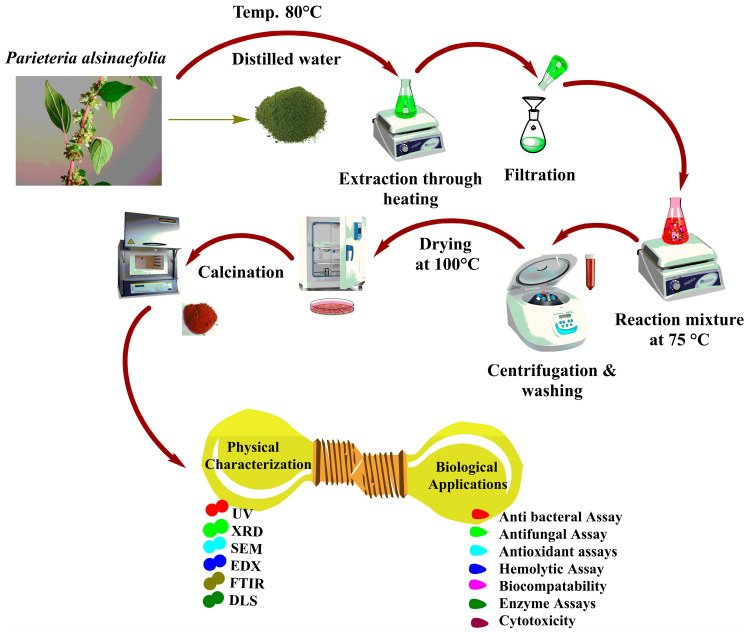
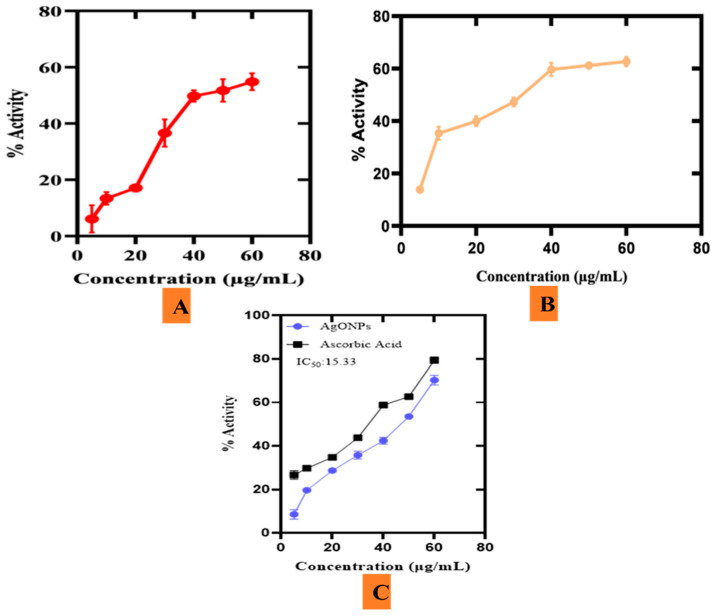
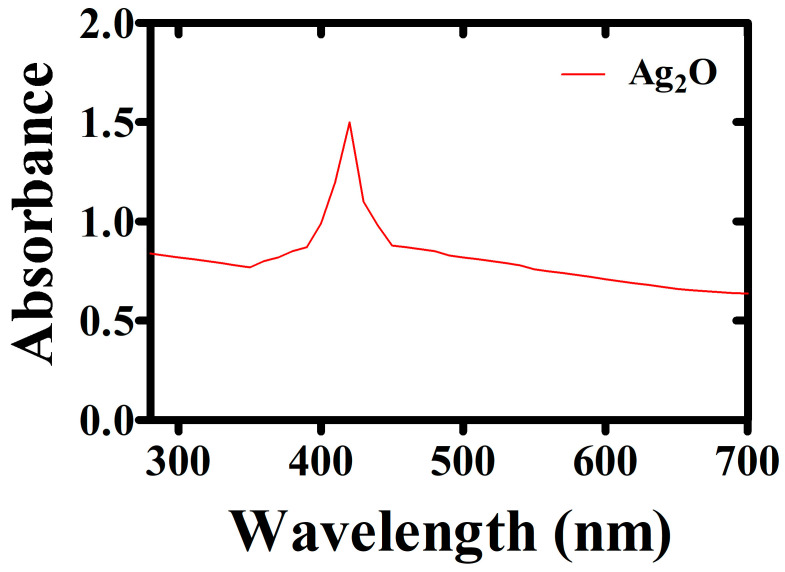
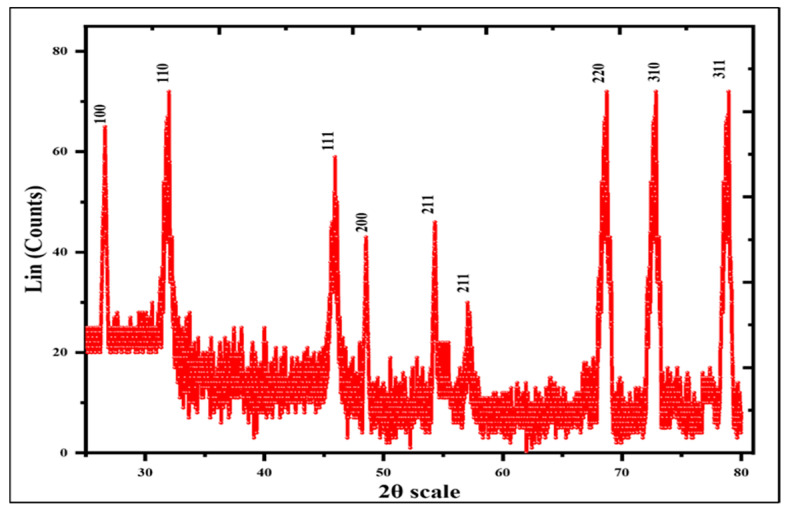
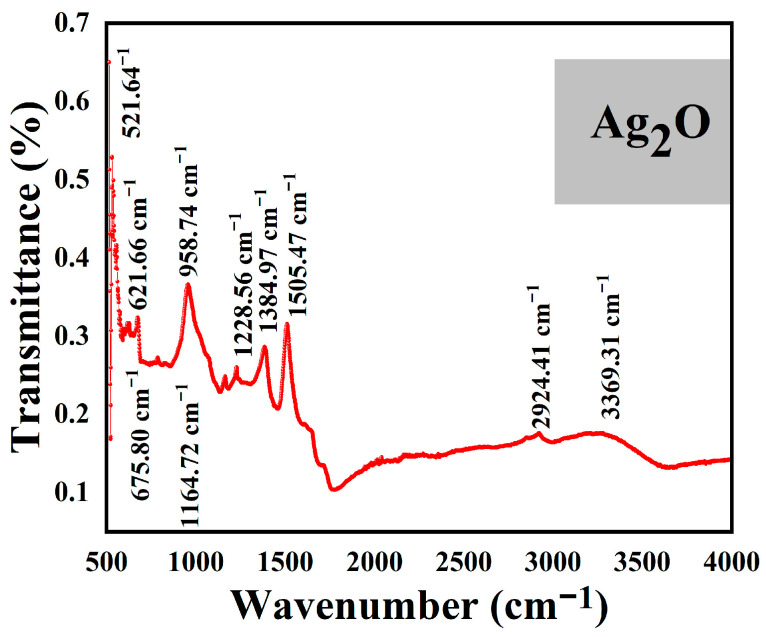
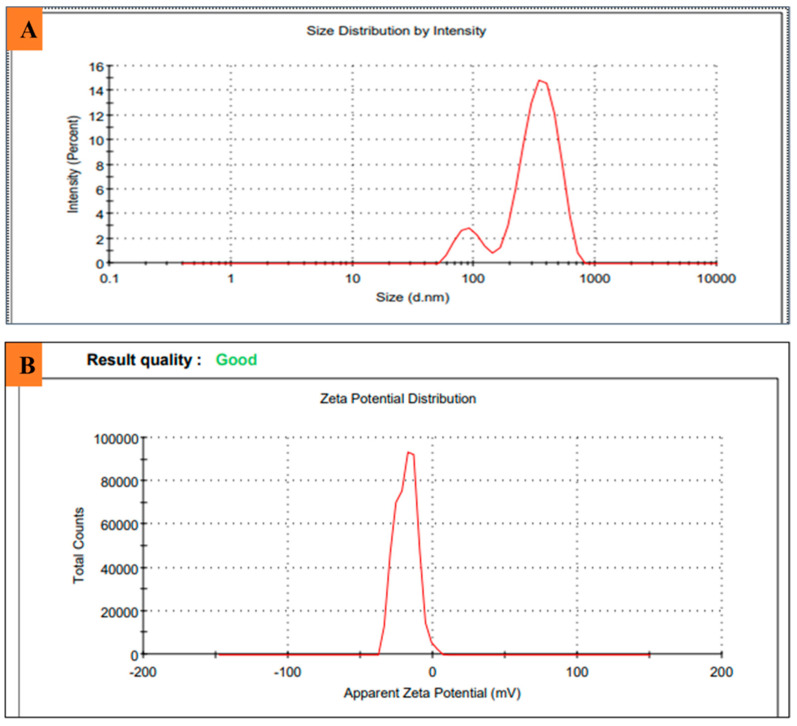
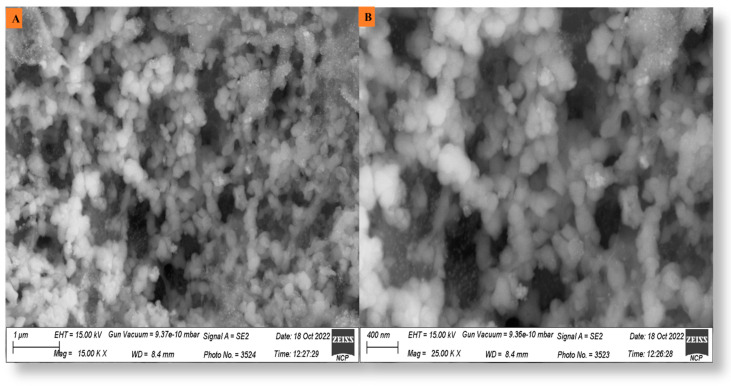
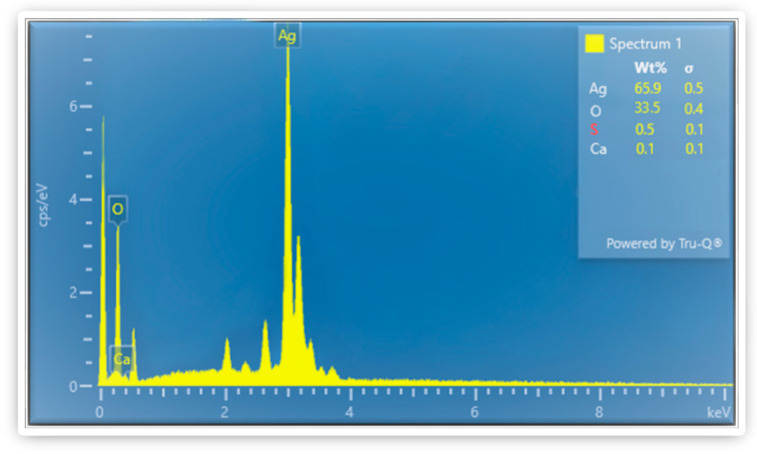
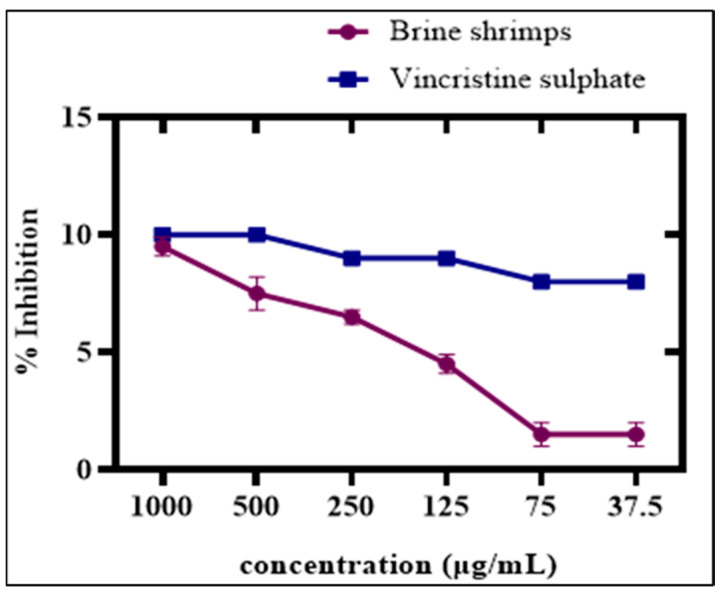
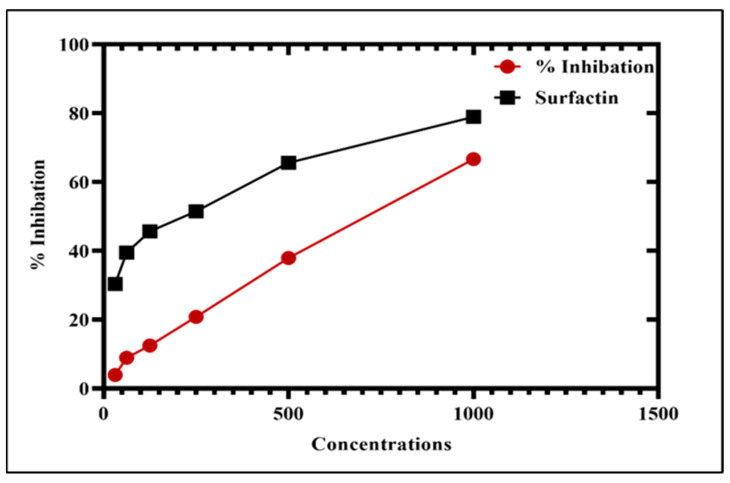
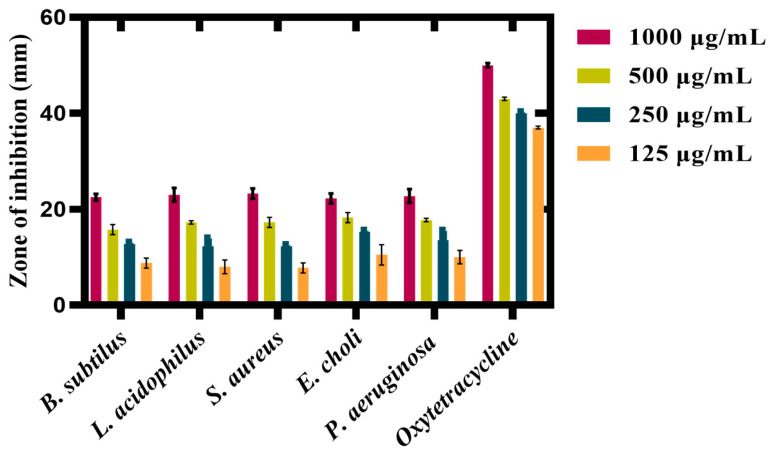
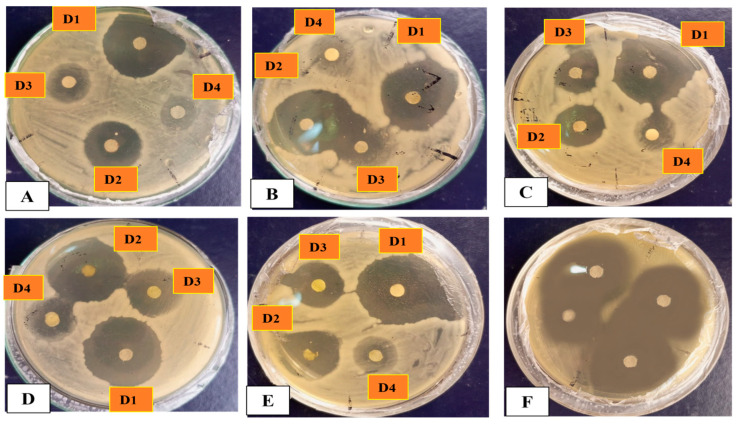
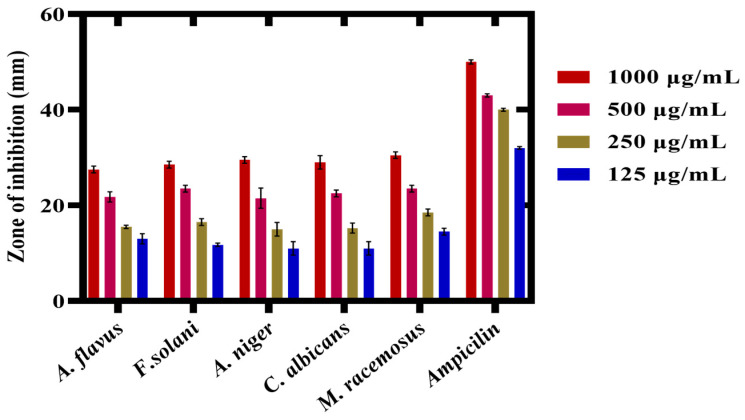
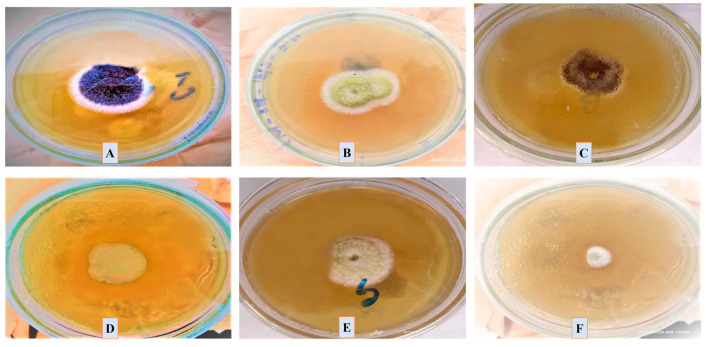
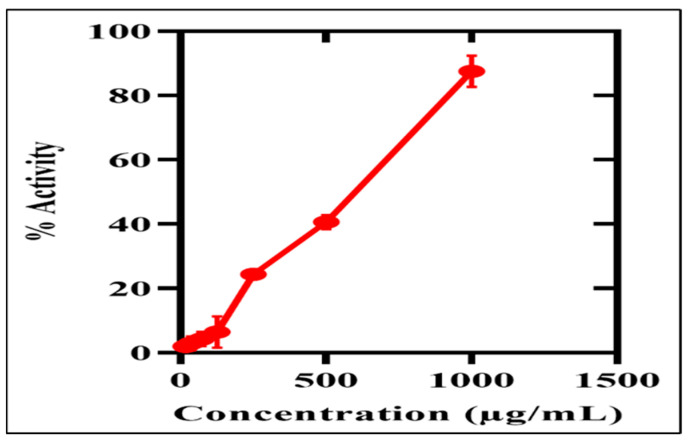
Green nanotechnology has made the synthesis of nanoparticles a possible approach. Nanotechnology has a significant impact on several scientific domains and has diverse applications in different commercial areas. The current study aimed to develop a novel and green approach for the biosynthesis of silver oxide nanoparticles (AgONPs) utilizing leaves extract as a reducing, stabilizing and capping agent. The change in color of the reaction mixture from light brown to reddish black determines the synthesis of AgONPs. Further, different techniques were used to confirm the synthesis of AgONPs, including UV-Visible spectroscopy, Fourier-transform infrared spectroscopy (FTIR), X-ray diffraction (XRD), scanning electron microscope (SEM), Energy-dispersive X-ray spectroscopy (EDX), zeta potential and dynamic light scattering (DLS) analyses. The Scherrer equation determined a mean crystallite size of ~22.23 nm for AgONPs. Additionally, different in vitro biological activities have been investigated and determined significant therapeutic potentials. Radical scavenging DPPH assay (79.4%), reducing power assay (62.68 ± 1.77%) and total antioxidant capacity (87.5 ± 4.8%) were evaluated to assess the antioxidative potential of AgONPs. The disc diffusion method was adopted to evaluate the antibacterial and antifungal potentials of AgONPs using different concentrations (125-1000 μg/mL). Moreover, the brine shrimp cytotoxicity assay was investigated and the LC value was calculated as 2.21 μg/mL. The biocompatibility assay using red blood cells (<200 μg/mL) confirmed the biosafe and biocompatible nature of AgONPs. Alpha-amylase inhibition assay was performed and reported 66% inhibition. In conclusion, currently synthesized AgONPs have exhibited strong biological potential and proved as an attractive eco-friendly candidate. In the future, this preliminary research work will be a helpful source and will open new avenues in diverse fields, including the pharmaceutical, biomedical and pharmacological sectors.
绿色纳米技术使纳米颗粒的合成成为一种可行的方法。纳米技术对多个科学领域产生了重大影响,并在不同商业领域有多种应用。当前的研究旨在开发一种新颖的绿色方法,利用树叶提取物作为还原剂、稳定剂和封端剂来生物合成氧化银纳米颗粒(AgONPs)。反应混合物颜色从浅棕色变为红黑色表明AgONPs已合成。此外,使用了不同技术来确认AgONPs的合成,包括紫外可见光谱、傅里叶变换红外光谱(FTIR)、X射线衍射(XRD)、扫描电子显微镜(SEM)、能量色散X射线光谱(EDX)、zeta电位和动态光散射(DLS)分析。谢乐方程确定AgONPs的平均微晶尺寸约为22.23纳米。此外,还研究了不同的体外生物活性,并确定了其显著的治疗潜力。通过自由基清除DPPH测定法(79.4%)、还原能力测定法(62.68±1.77%)和总抗氧化能力(87.5±4.8%)来评估AgONPs的抗氧化潜力。采用纸片扩散法,使用不同浓度(125 - 1000μg/mL)评估AgONPs的抗菌和抗真菌潜力。此外,进行了卤虫细胞毒性测定,计算出LC值为2.21μg/mL。使用红细胞进行的生物相容性测定(<200μg/mL)证实了AgONPs的生物安全性和生物相容性。进行了α - 淀粉酶抑制测定,报告抑制率为66%。总之,目前合成的AgONPs已表现出强大的生物潜力,并被证明是一种有吸引力的环保候选物。未来,这项初步研究工作将成为一个有用的资源,并将在包括制药、生物医学和药理学领域在内的多个领域开辟新的途径。