Institute of Sports Sciences, University of Physical Education, 31-571 Kraków, Poland.
Department of Physiology and Biochemistry, Faculty of Physical Education and Sport, University of Physical Education, 31-571 Kraków, Poland.
Sensors (Basel). 2023 Apr 20;23(8):4136. doi: 10.3390/s23084136.
Brain injuries are a common problem in combat sports, especially in disciplines such as kickboxing. Kickboxing is a combat sport that has several variations of competition, with the most contact-oriented fights being carried out under the format of K-1 rules. While these sports require a high level of skill and physical endurance, frequent micro-traumas to the brain can have serious consequences for the health and well-being of athletes. According to studies, combat sports are one of the riskiest sports in terms of brain injuries. Among the sports disciplines with the highest number of brain injuries, boxing, mixed martial arts (MMA), and kickboxing are mentioned.
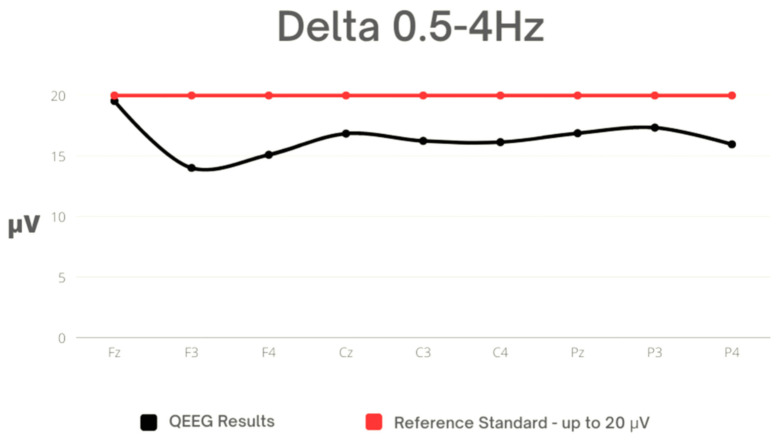
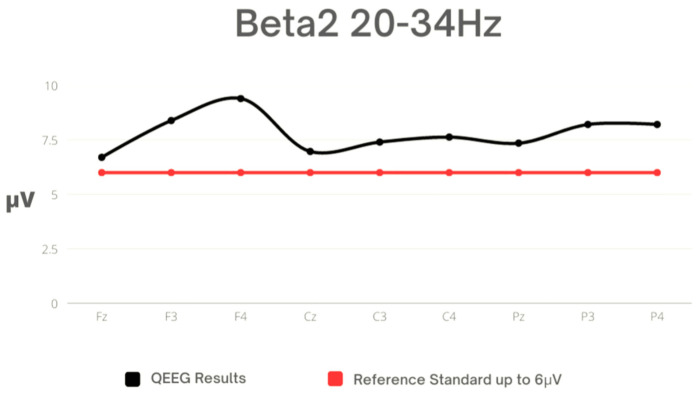
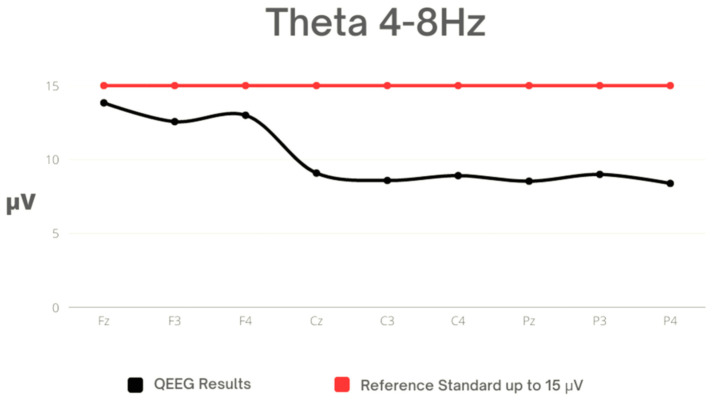
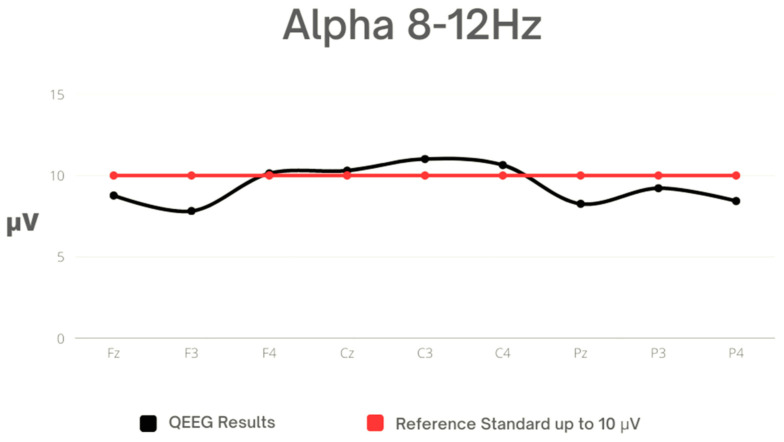
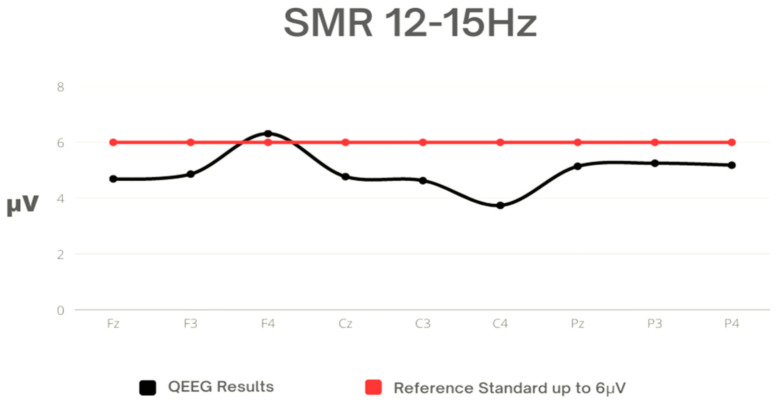
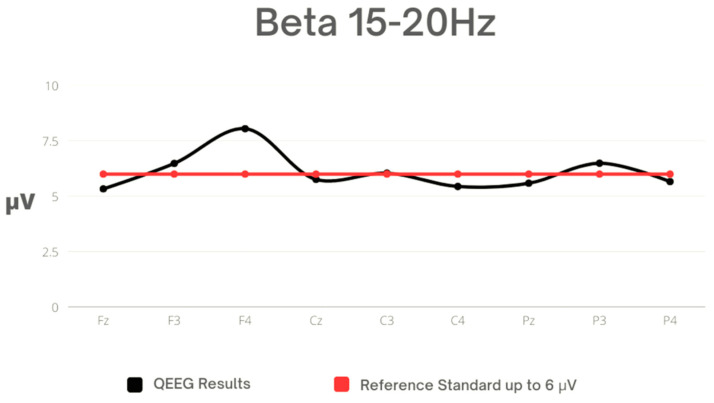
The study was conducted on a group of 18 K-1 kickboxing athletes who demonstrate a high level of sports performance. The subjects were between the ages 18 and 28. QEEG (quantitative electroencephalogram) is a numeric spectral analysis of the EEG record, where the data is digitally coded and statistically analysed using the Fourier transform algorithm. Each examination of one person lasts about 10 min with closed eyes. The wave amplitude and power for specific frequencies (Delta, Theta, Alpha, Sensorimotor Rhythm (SMR), Beta 1, and Beta2) were analysed using 9 leads.
High values were shown in the Alpha frequency for central leads, SMR in the Frontal 4 (F4 lead), Beta 1 in leads F4 and Parietal 3 (P3), and Beta2 in all leads.
The high activity of brainwaves such as SMR, Beta and Alpha can have a negative effect on the athletic performance of kickboxing athletes by affecting focus, stress, anxiety, and concentration. Therefore, it is important for athletes to monitor their brainwave activity and use appropriate training strategies to achieve optimal results.
脑损伤是搏击运动中的常见问题,尤其是在踢拳等运动项目中。踢拳是一种格斗运动,有多种比赛形式,其中最具对抗性的比赛是按照 K-1 规则进行的。虽然这些运动需要很高的技能和身体耐力,但大脑经常受到微创伤会对运动员的健康和幸福产生严重后果。根据研究,搏击运动是脑损伤风险最高的运动之一。在脑损伤发生率最高的运动项目中,拳击、综合格斗(MMA)和踢拳都有提及。
该研究对 18 名表现出高水平运动表现的 K-1 踢拳运动员进行了研究。受试者年龄在 18 至 28 岁之间。QEEG(定量脑电图)是对脑电图记录的数值频谱分析,其中数据以数字方式编码,并使用傅立叶变换算法进行统计分析。对一个人的每次检查大约需要 10 分钟,同时保持闭眼状态。使用 9 个导联分析特定频率(Delta、Theta、Alpha、感觉运动节律(SMR)、Beta1 和 Beta2)的波幅和功率。
中央导联的 Alpha 频率、额部 4 导联(F4 导联)的 SMR、F4 和顶叶 3 导联(P3)的 Beta1 以及所有导联的 Beta2 都显示出高值。
SMR、Beta 和 Alpha 等脑波的高活动可能会通过影响注意力、压力、焦虑和专注度,对踢拳运动员的运动表现产生负面影响。因此,运动员监测他们的脑波活动并使用适当的训练策略来获得最佳结果非常重要。