Mushtaq Ray Tahir, Iqbal Asif, Wang Yanen, Rehman Mudassar, Petra Mohd Iskandar
Bio-Additive Manufacturing University-Enterprise Joint Research Center of Shaanxi Province, Department of Industry Engineering, Northwestern Polytechnical University, Xi'an 710072, China.
Faculty of Integrated Technologies, Universiti Brunei Darussalam, Jalan Tungku Link, Gadong BE 1410, Brunei.
Materials (Basel). 2023 Apr 26;16(9):3392. doi: 10.3390/ma16093392.
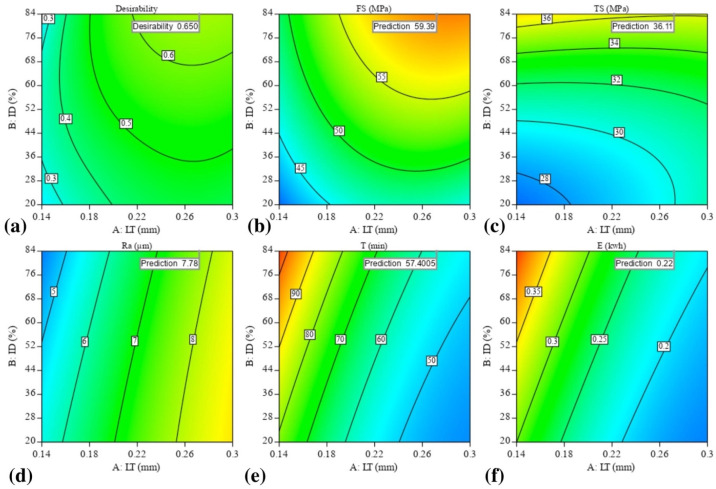
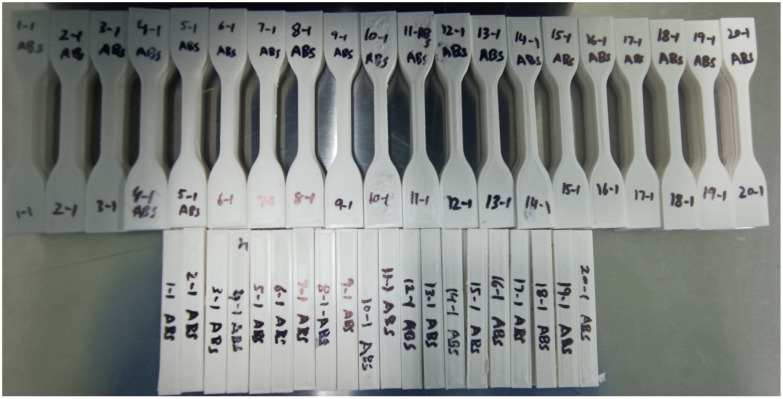
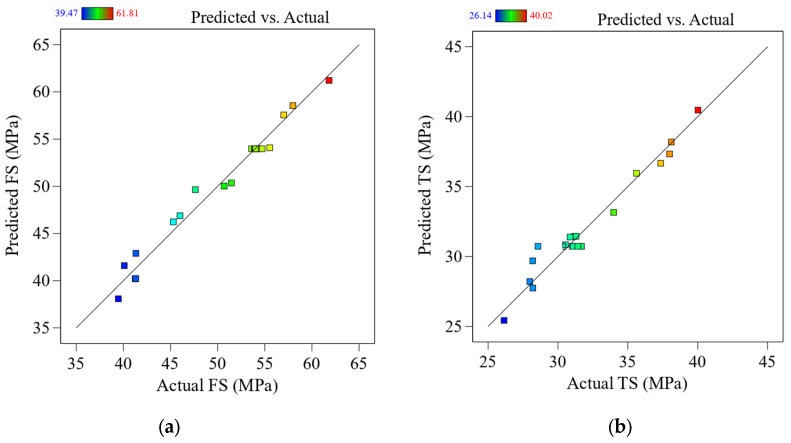
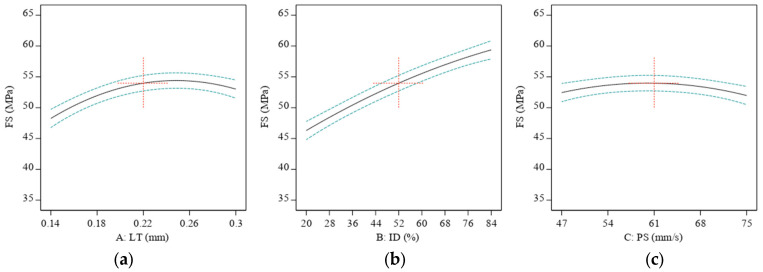
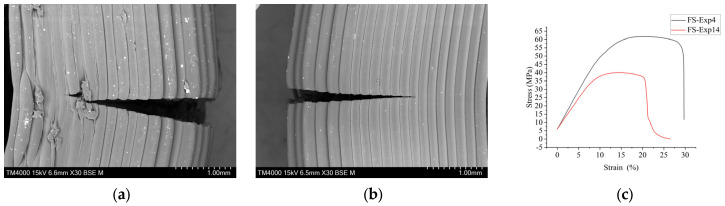
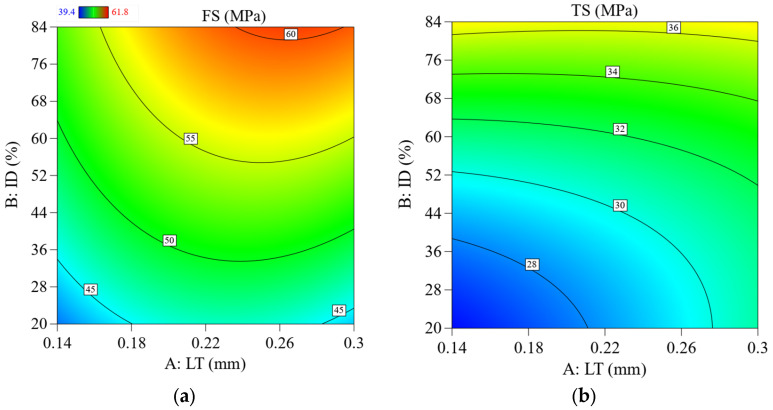
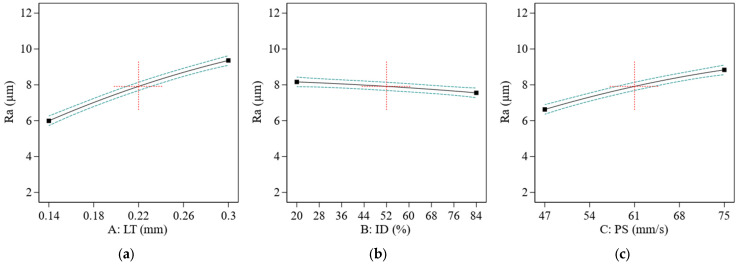
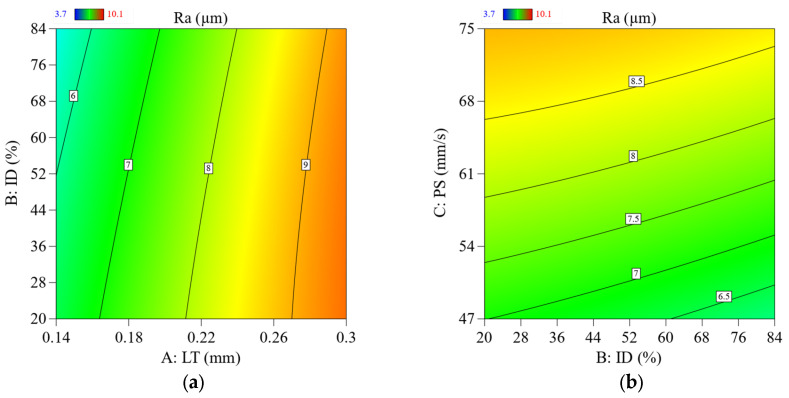
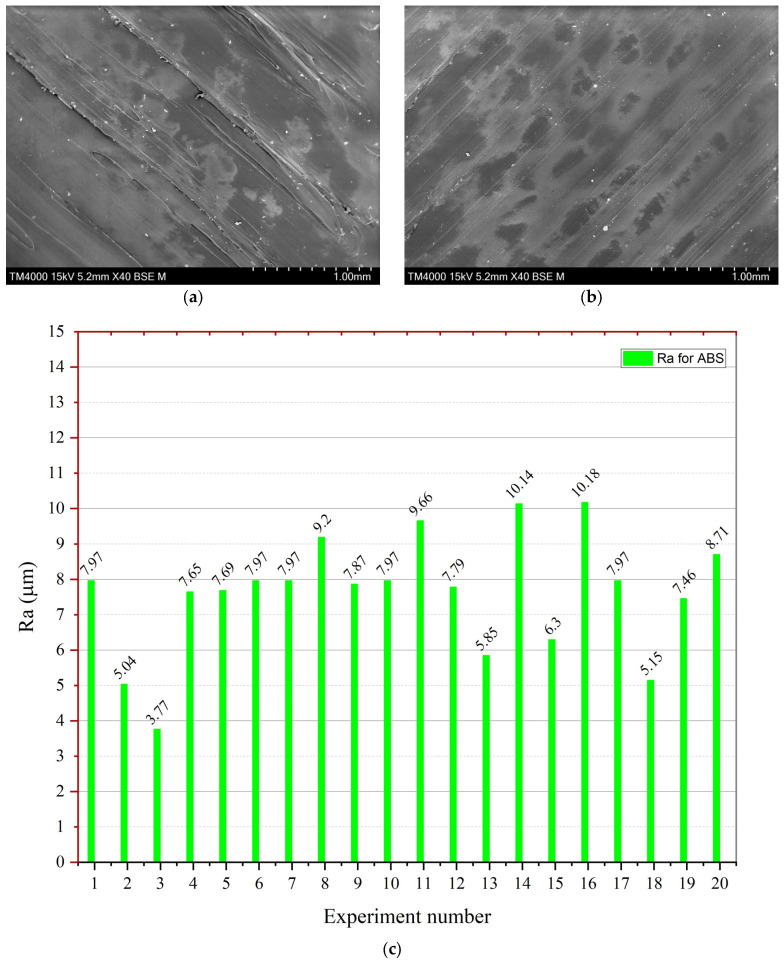
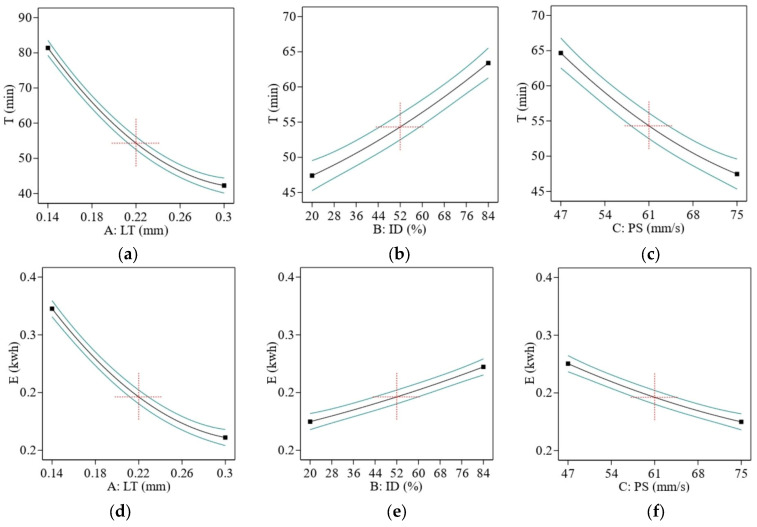
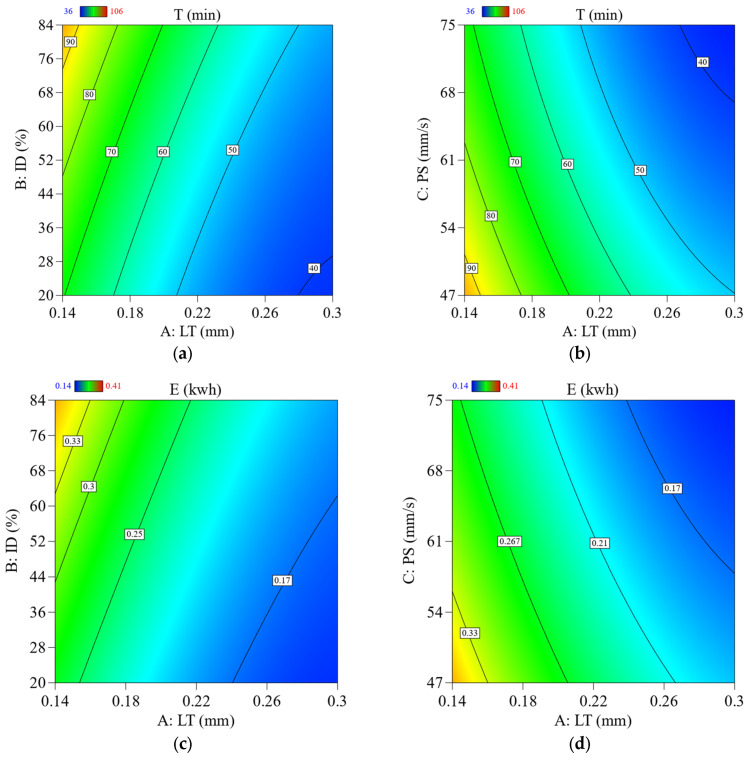
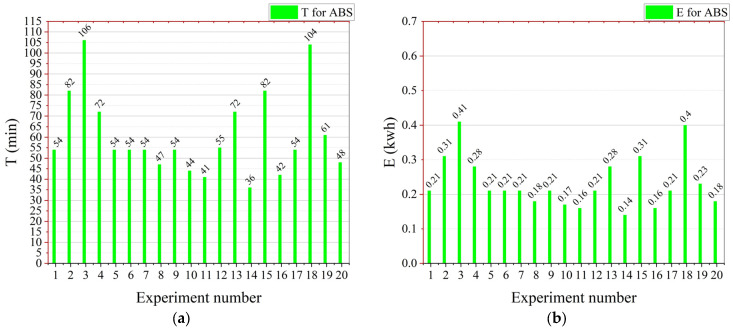
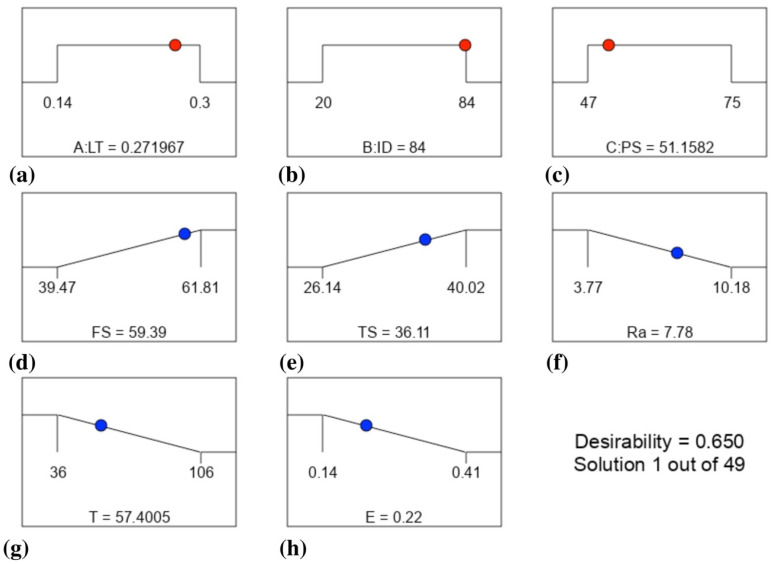
Professionals in industries are making progress in creating predictive techniques for evaluating critical characteristics and reactions of engineered materials. The objective of this investigation is to determine the optimal settings for a 3D printer made of acrylonitrile butadiene styrene (ABS) in terms of its conflicting responses (flexural strength (FS), tensile strength (TS), average surface roughness (Ra), print time (T), and energy consumption (E)). Layer thickness (LT), printing speed (PS), and infill density (ID) are all quantifiable characteristics that were chosen. For the experimental methods of the prediction models, twenty samples were created using a full central composite design (CCD). The models were verified by proving that the experimental results were consistent with the predictions using validation trial tests, and the significance of the performance parameters was confirmed using analysis of variance (ANOVA). The most crucial element in obtaining the desired Ra and T was LT, whereas ID was the most crucial in attaining the desired mechanical characteristics. Numerical multi-objective optimization was used to achieve the following parameters: LT = 0.27 mm, ID = 84 percent, and PS = 51.1 mm/s; FS = 58.01 MPa; TS = 35.8 MPa; lowest Ra = 8.01 m; lowest T = 58 min; and E = 0.21 kwh. Manufacturers and practitioners may profit from using the produced numerically optimized model to forecast the necessary surface quality for different aspects before undertaking trials.
各行业的专业人士在创建用于评估工程材料关键特性和反应的预测技术方面取得了进展。本研究的目的是确定由丙烯腈丁二烯苯乙烯(ABS)制成的3D打印机在其相互冲突的响应(弯曲强度(FS)、拉伸强度(TS)、平均表面粗糙度(Ra)、打印时间(T)和能耗(E))方面的最佳设置。选择了层厚(LT)、打印速度(PS)和填充密度(ID)作为所有可量化的特性。对于预测模型的实验方法,使用全中心复合设计(CCD)创建了20个样本。通过证明实验结果与使用验证试验测试的预测结果一致来验证模型,并使用方差分析(ANOVA)确认性能参数的显著性。获得所需的Ra和T时最关键的因素是LT,而ID是获得所需机械特性时最关键的因素。使用数值多目标优化来实现以下参数:LT = 0.27毫米,ID = 84%,PS = 51.1毫米/秒;FS = 58.01兆帕;TS = 35.8兆帕;最低Ra = 8.01微米;最低T = 58分钟;E = 0.21千瓦时。制造商和从业者在进行试验之前,使用所生成的数值优化模型来预测不同方面所需的表面质量可能会从中受益。