MIT Media Lab, Massachusetts Institute of Technology, Cambridge, MA, 02139, USA.
Center for Sleep and Cognition and Department of Psychiatry, Beth Israel Deaconess Medical Center, Boston, MA, 02215, USA.
Sci Rep. 2023 May 15;13(1):7319. doi: 10.1038/s41598-023-31361-w.
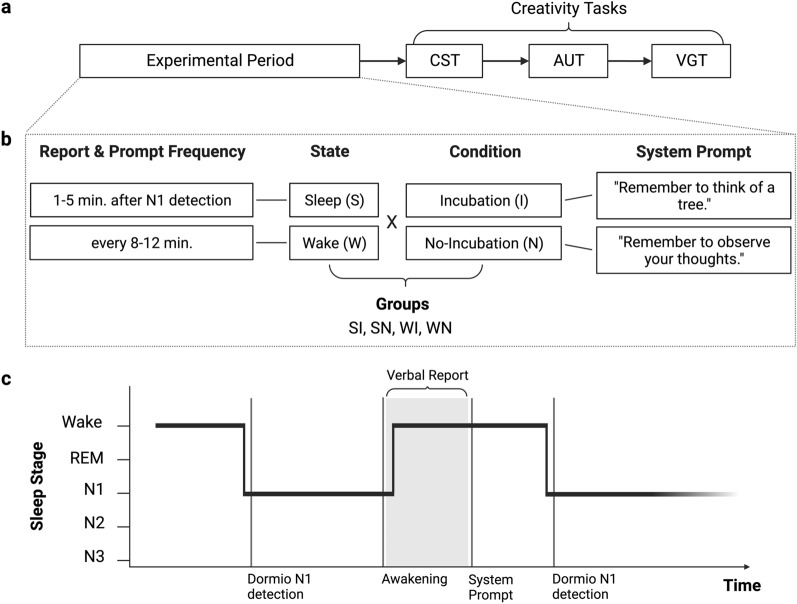
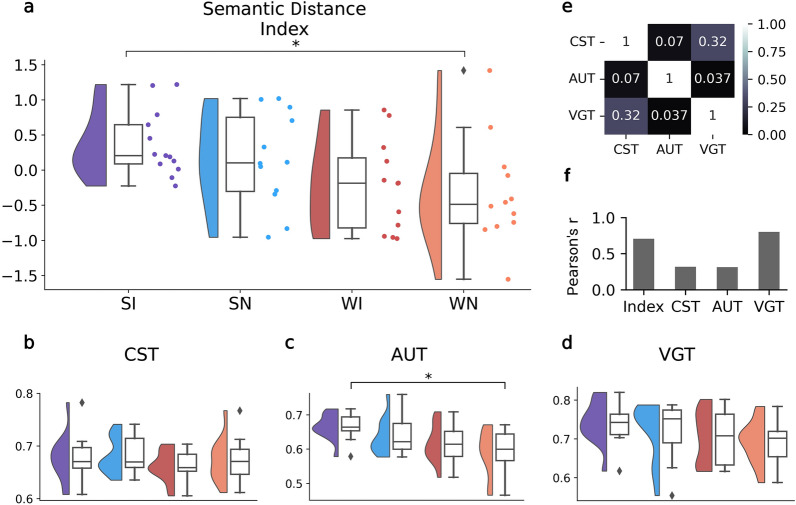
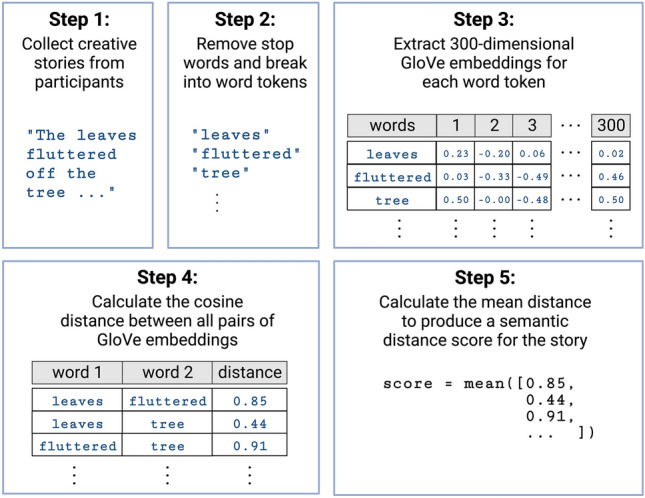
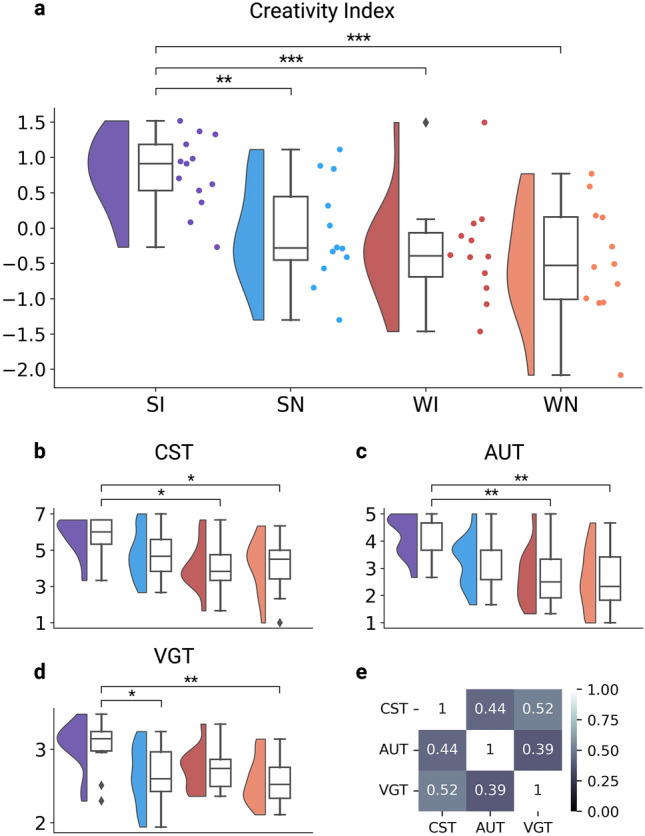
The link between dreams and creativity has been a topic of intense speculation. Recent scientific findings suggest that sleep onset (known as N1) may be an ideal brain state for creative ideation. However, the specific link between N1 dream content and creativity has remained unclear. To investigate the contribution of N1 dream content to creative performance, we administered targeted dream incubation (a protocol that presents auditory cues at sleep onset to introduce specific themes into dreams) and collected dream reports to measure incorporation of the selected theme into dream content. We then assessed creative performance using a set of three theme-related creativity tasks. Our findings show enhanced creative performance and greater semantic distance in task responses following a period of N1 sleep as compared to wake, corroborating recent work identifying N1 as a creative sweet spot and offering novel evidence for N1 enabling a cognitive state with greater associative divergence. We further demonstrate that successful N1 dream incubation enhances creative performance more than N1 sleep alone. To our knowledge, this is the first controlled experiment investigating a direct role of incubating dream content in the enhancement of creative performance.
梦境与创造力之间的联系一直是人们热议的话题。最近的科学发现表明,睡眠起始期(即 N1 期)可能是创造性思维的理想大脑状态。然而,N1 期梦境内容与创造力之间的具体联系仍不清楚。为了研究 N1 期梦境内容对创造力的贡献,我们采用了有针对性的梦境诱发(一种在睡眠起始时呈现听觉提示以将特定主题引入梦境的方案),并收集了梦境报告以测量所选主题在梦境内容中的融入程度。然后,我们使用一组三个与主题相关的创造力任务来评估创造力表现。我们的研究结果表明,与清醒相比,N1 期睡眠后在创造力任务中的表现得到了增强,并且在任务反应中的语义距离更大,这与最近确定 N1 期为创造性“甜蜜点”的研究工作相吻合,并为 N1 期能够实现具有更大联想发散的认知状态提供了新的证据。我们进一步证明,成功的 N1 期梦境诱发比单独的 N1 期睡眠更能提高创造力表现。据我们所知,这是首次在受控实验中研究了诱发梦境内容在提高创造力表现方面的直接作用。