Nisar Akib, Jagtap Suresh, Vyavahare Suresh, Deshpande Manasi, Harsulkar Abhay, Ranjekar Prabhakar, Prakash Om
Biochemical Sciences Division, Rajiv Gandhi Institute of IT and Biotechnology, Bharati Vidyapeeth Deemed to be University, Pune, Maharashtra, India.
Herbal Medicine, Interactive Research School for Health Affairs, Bharati Vidyapeeth Deemed to be University, Pune, Maharashtra, India.
Front Pharmacol. 2023 May 9;14:1177050. doi: 10.3389/fphar.2023.1177050. eCollection 2023.
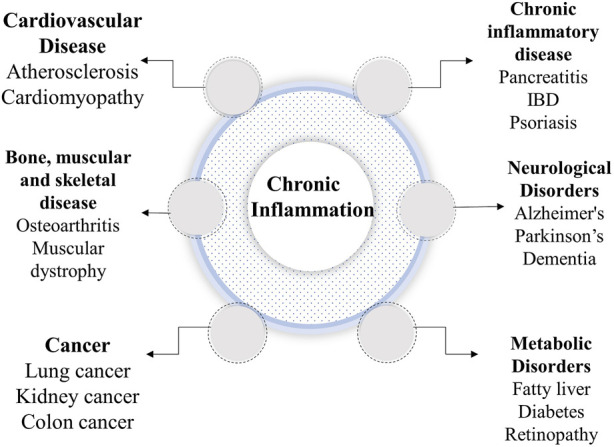
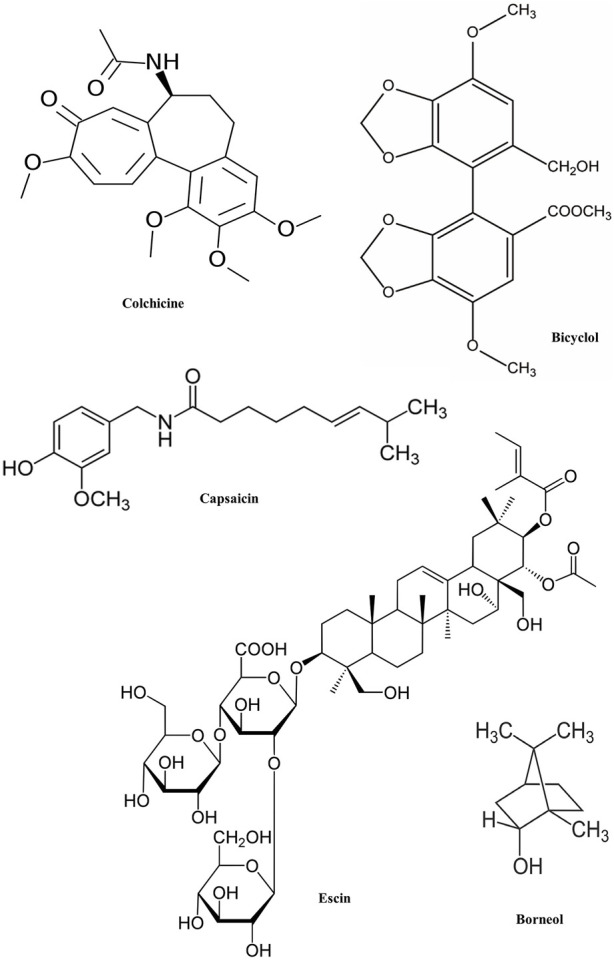
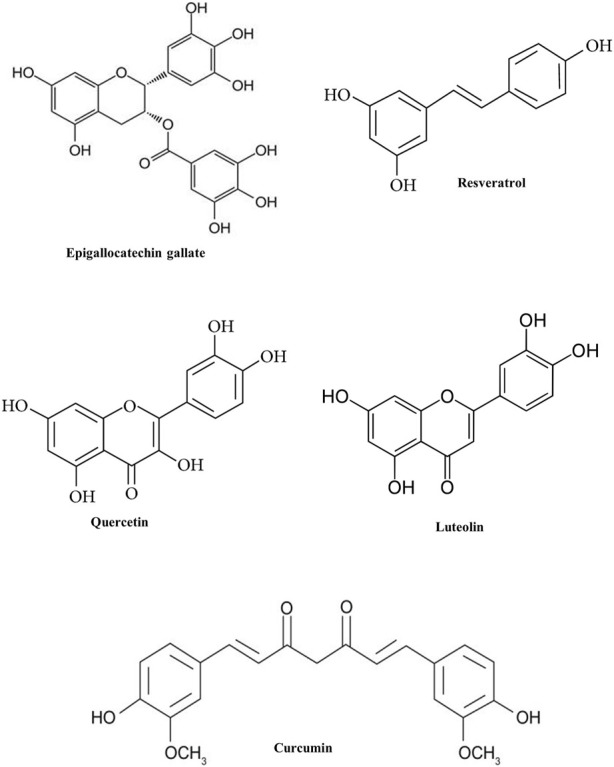
Advances in biomedical research have demonstrated that inflammation and its related diseases are the greatest threat to public health. Inflammatory action is the pathological response of the body towards the external stimuli such as infections, environmental factors, and autoimmune conditions to reduce tissue damage and improve patient comfort. However, when detrimental signal-transduction pathways are activated and inflammatory mediators are released over an extended period of time, the inflammatory process continues and a mild but persistent pro-inflammatory state may develop. Numerous degenerative disorders and chronic health issues including arthritis, diabetes, obesity, cancer, and cardiovascular diseases, among others, are associated with the emergence of a low-grade inflammatory state. Though, anti-inflammatory steroidal, as well as non-steroidal drugs, are extensively used against different inflammatory conditions, they show undesirable side effects upon long-term exposure, at times, leading to life-threatening consequences. Thus, drugs targeting chronic inflammation need to be developed to achieve better therapeutic management without or with a fewer side effects. Plants have been well known for their medicinal use for thousands of years due to their pharmacologically active phytochemicals belonging to diverse chemical classes with a number of these demonstrating potent anti-inflammatory activity. Some typical examples include colchicine (alkaloid), escin (triterpenoid saponin), capsaicin (methoxy phenol), bicyclol (lignan), borneol (monoterpene), and quercetin (flavonoid). These phytochemicals often act via regulating molecular mechanisms that synergize the anti-inflammatory pathways such as increased production of anti-inflammatory cytokines or interfere with the inflammatory pathways such as to reduce the production of pro-inflammatory cytokines and other modulators to improve the underlying pathological condition. This review describes the anti-inflammatory properties of a number of biologically active compounds derived from medicinal plants, and their mechanisms of pharmacological intervention to alleviate inflammation-associated diseases. The emphasis is given to information on anti-inflammatory phytochemicals that have been evaluated at the preclinical and clinical levels. Recent trends and gaps in the development of phytochemical-based anti-inflammatory drugs have also been included.
生物医学研究的进展表明,炎症及其相关疾病是对公众健康的最大威胁。炎症反应是机体对外界刺激(如感染、环境因素和自身免疫性疾病)的病理反应,以减少组织损伤并提高患者舒适度。然而,当有害的信号转导通路被激活且炎症介质长时间释放时,炎症过程会持续,可能会发展为轻度但持续的促炎状态。许多退行性疾病和慢性健康问题,包括关节炎、糖尿病、肥胖症、癌症和心血管疾病等,都与低度炎症状态的出现有关。尽管抗炎甾体药物和非甾体药物被广泛用于治疗各种炎症性疾病,但长期使用会出现不良副作用,有时甚至会导致危及生命的后果。因此,需要开发针对慢性炎症的药物,以实现更好的治疗管理,且副作用更少或无副作用。由于植物含有多种具有药理活性的植物化学物质,数千年来一直以其药用价值而闻名,其中许多植物化学物质具有强大的抗炎活性。一些典型例子包括秋水仙碱(生物碱)、七叶皂苷(三萜皂苷)、辣椒素(甲氧基苯酚)、双环醇(木脂素)、冰片(单萜)和槲皮素(黄酮类)。这些植物化学物质通常通过调节分子机制发挥作用,这些机制协同抗炎途径,如增加抗炎细胞因子的产生,或干扰炎症途径,如减少促炎细胞因子和其他调节剂的产生,以改善潜在的病理状况。本综述描述了多种源自药用植物的生物活性化合物的抗炎特性,以及它们缓解炎症相关疾病的药理干预机制。重点介绍了在临床前和临床水平上评估过的抗炎植物化学物质的信息。还包括了基于植物化学物质的抗炎药物开发的最新趋势和差距。