Murai Toshiyuki, Matsuda Satoru
Graduate School of Medicine, Osaka University, 2-2 Yamada-oka, Suita 565-0871, Japan.
Department of Food Science and Nutrition, Nara Women's University, Kita-Uoya Nishimachi, Nara 630-8506, Japan.
Antioxidants (Basel). 2023 May 6;12(5):1056. doi: 10.3390/antiox12051056.
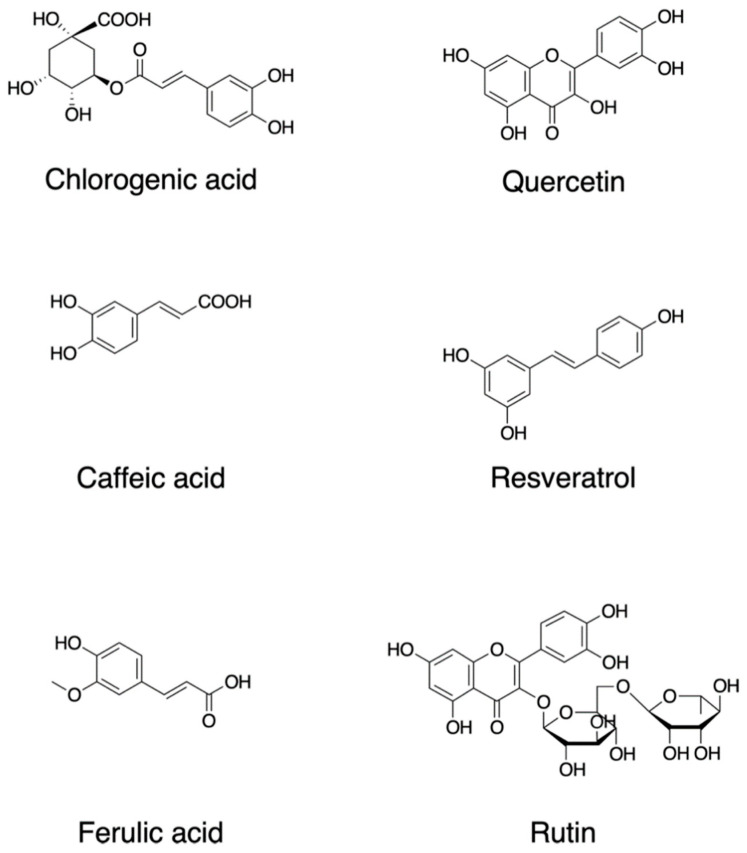
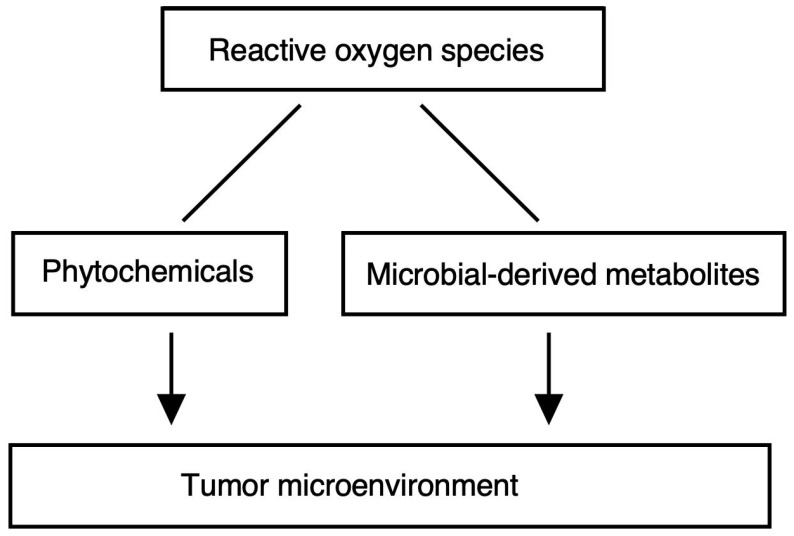
The excessive generation of reactive oxygen species (ROS) plays a pivotal role in the pathogenesis of diseases. ROS are central to cellular redox regulation and act as second messengers to activate redox-sensitive signals. Recent studies have revealed that certain sources of ROS can be beneficial or harmful to human health. Considering the essential and pleiotropic roles of ROS in basic physiological functions, future therapeutics should be designed to modulate the redox state. Dietary phytochemicals, microbiota, and metabolites derived from them can be expected to be developed as drugs to prevent or treat disorders in the tumor microenvironment.
活性氧(ROS)的过度产生在疾病发病机制中起关键作用。ROS是细胞氧化还原调节的核心,并作为第二信使激活氧化还原敏感信号。最近的研究表明,某些ROS来源可能对人类健康有益或有害。考虑到ROS在基本生理功能中的重要和多效作用,未来的治疗方法应设计用于调节氧化还原状态。膳食植物化学物质、微生物群及其衍生的代谢产物有望被开发成预防或治疗肿瘤微环境紊乱的药物。