Neupane Yub Raj, Handral Harish K, Alkaff Syed Abdullah, Chng Wei Heng, Venkatesan Gopalakrishnan, Huang Chenyuan, Lee Choon Keong, Wang Jiong-Wei, Sriram Gopu, Dienzo Rhonnie Austria, Lu Wen Feng, Ali Yusuf, Czarny Bertrand, Pastorin Giorgia
Department of Pharmacy, National University of Singapore, Singapore 117559, Singapore.
Department of Pharmaceutical Sciences and Experimental Therapeutics, the University of Iowa College of Pharmacy, Iowa City, IA 52242, USA.
Acta Pharm Sin B. 2023 May;13(5):1887-1902. doi: 10.1016/j.apsb.2022.10.022. Epub 2022 Nov 15.
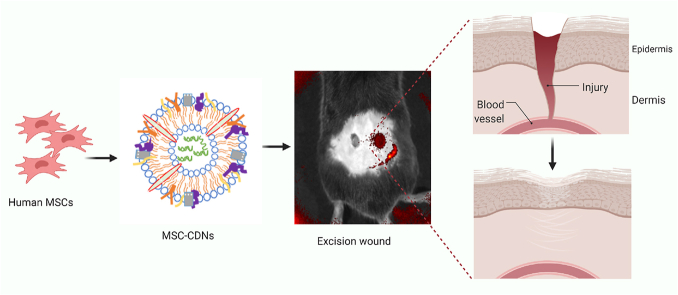
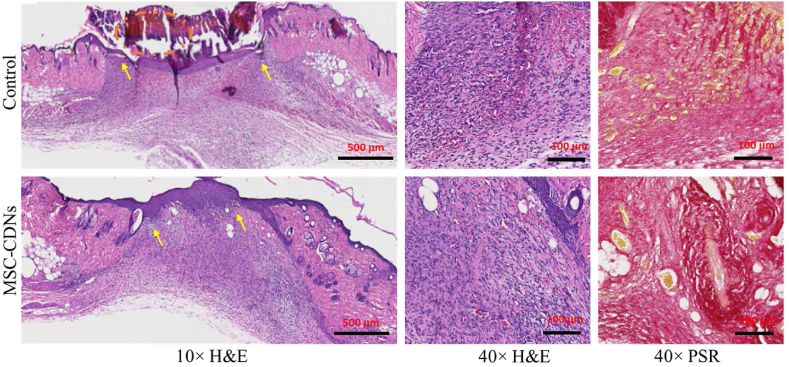
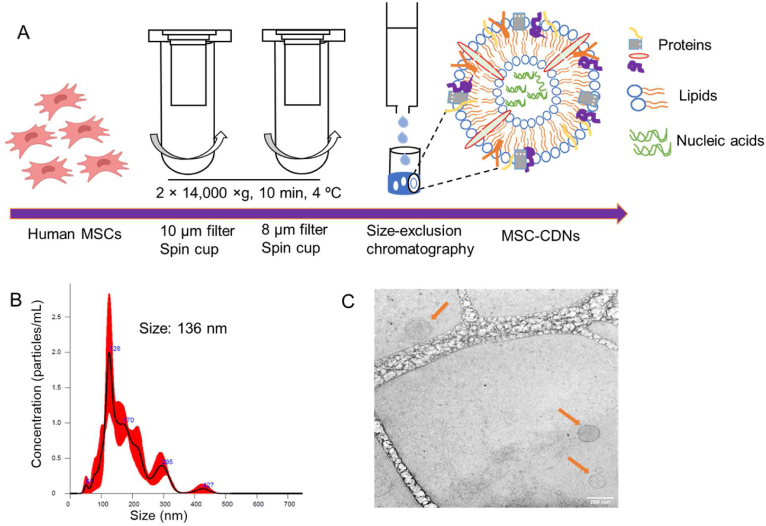
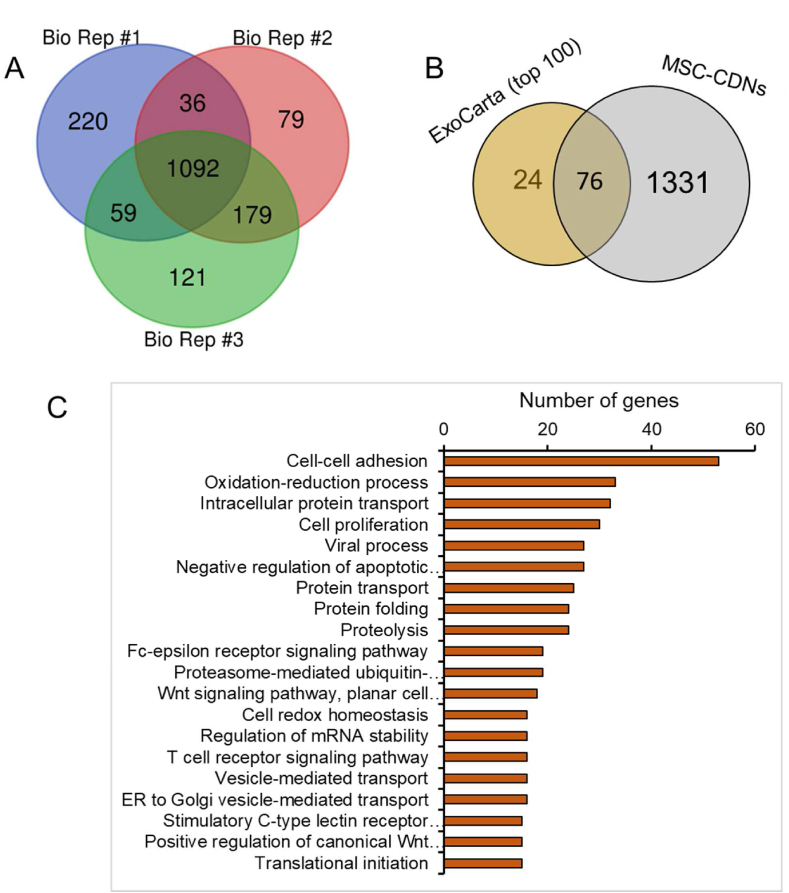
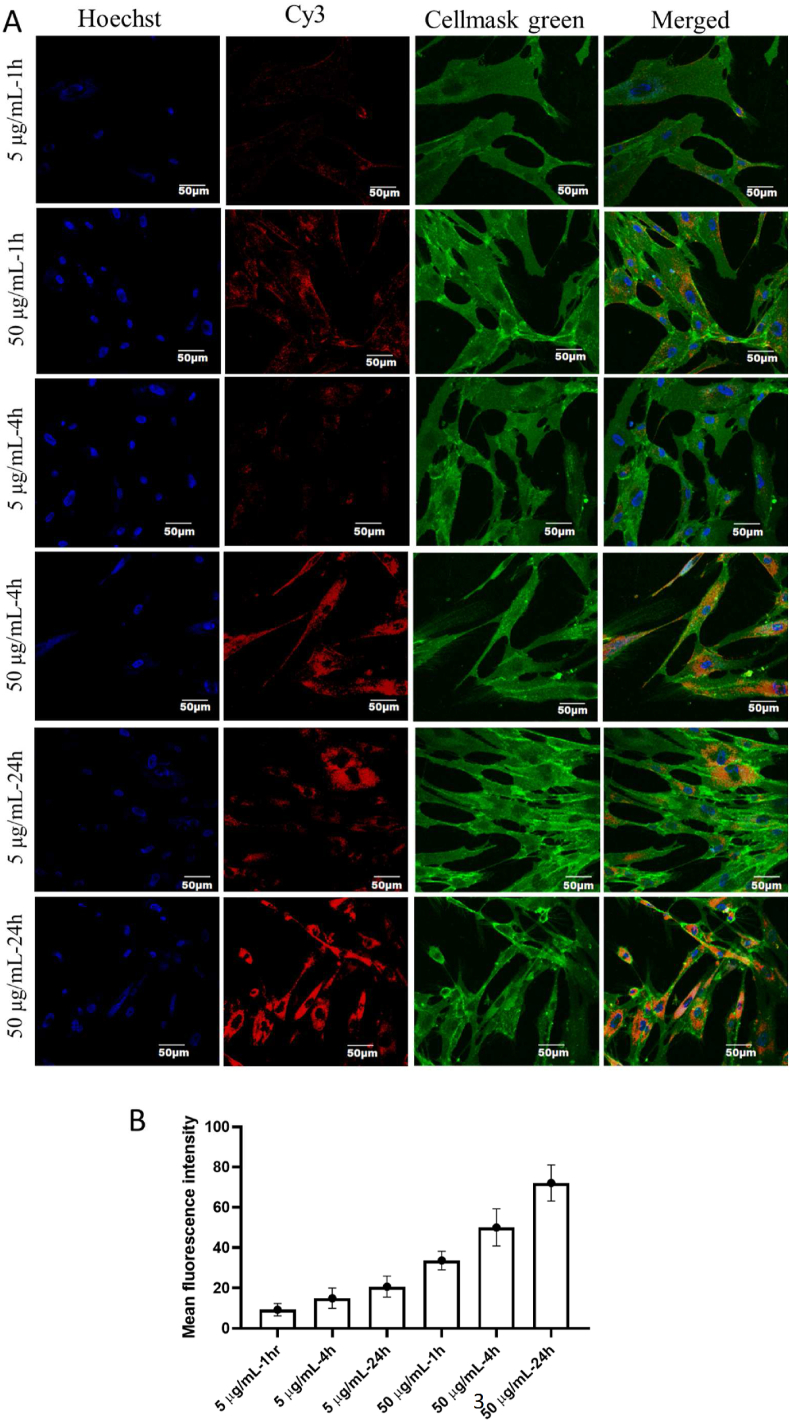
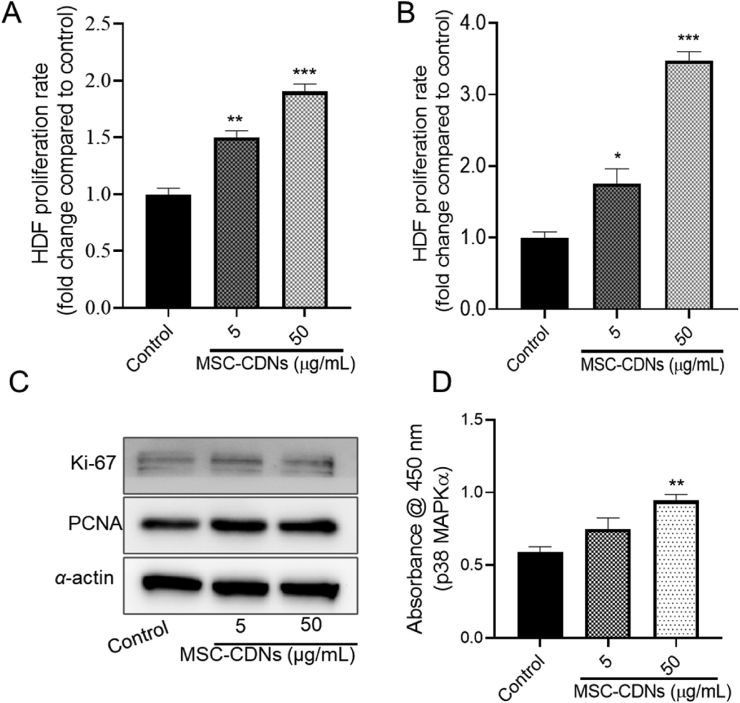
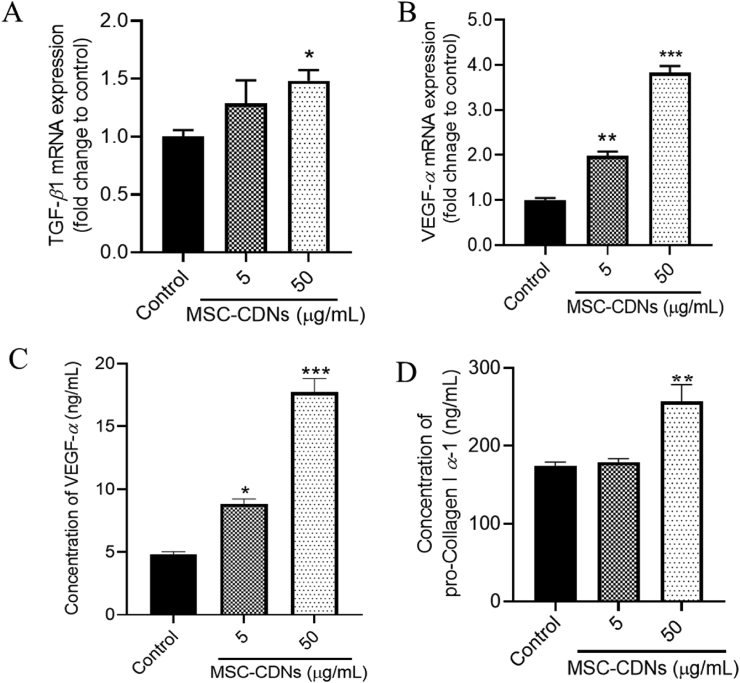
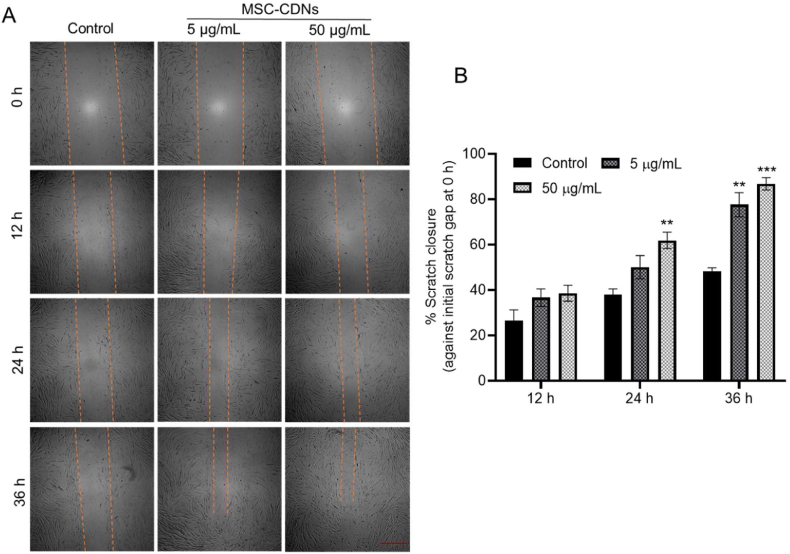
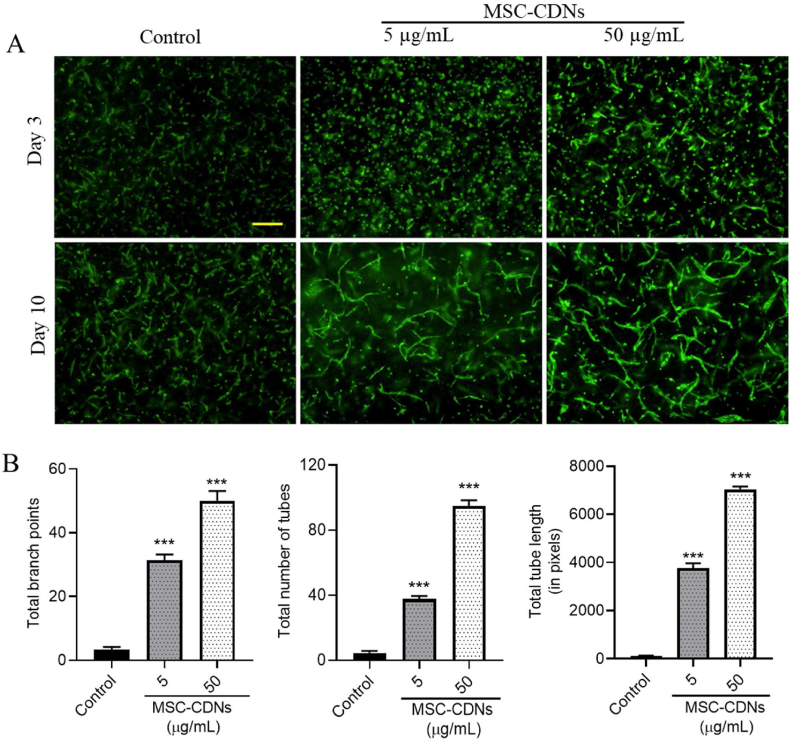
Wound healing is a dynamic process that involves a series of molecular and cellular events aimed at replacing devitalized and missing cellular components and/or tissue layers. Recently, extracellular vesicles (EVs), naturally cell-secreted lipid membrane-bound vesicles laden with biological cargos including proteins, lipids, and nucleic acids, have drawn wide attention due to their ability to promote wound healing and tissue regeneration. However, current exploitation of EVs as therapeutic agents is limited by their low isolation yields and tedious isolation processes. To circumvent these challenges, bioinspired cell-derived nanovesicles (CDNs) that mimic EVs were obtained by shearing mesenchymal stem cells (MSCs) through membranes with different pore sizes. Physical characterisations and high-throughput proteomics confirmed that MSC-CDNs mimicked MSC-EVs. Moreover, these MSC-CDNs were efficiently uptaken by human dermal fibroblasts and demonstrated a dose-dependent activation of MAPK signalling pathway, resulting in enhancement of cell proliferation, cell migration, secretion of growth factors and extracellular matrix proteins, which all promoted tissue regeneration. Of note, MSC-CDNs enhanced angiogenesis in human dermal microvascular endothelial cells in a 3D PEG-fibrin scaffold and animal model, accelerating wound healing and . These findings suggest that MSC-CDNs could replace both whole cells and EVs in promoting wound healing and tissue regeneration.
伤口愈合是一个动态过程,涉及一系列分子和细胞事件,旨在替代失活和缺失的细胞成分及/或组织层。最近,细胞外囊泡(EVs),即自然由细胞分泌的、负载包括蛋白质、脂质和核酸等生物物质的脂质膜结合囊泡,因其促进伤口愈合和组织再生的能力而受到广泛关注。然而,目前将EVs用作治疗剂受到其低分离产率和繁琐分离过程的限制。为了克服这些挑战,通过将间充质干细胞(MSCs)通过具有不同孔径的膜剪切而获得了模仿EVs的仿生细胞衍生纳米囊泡(CDNs)。物理表征和高通量蛋白质组学证实MSC-CDNs模仿了MSC-EVs。此外,这些MSC-CDNs被人真皮成纤维细胞有效摄取,并证明对MAPK信号通路有剂量依赖性激活,导致细胞增殖、细胞迁移、生长因子和细胞外基质蛋白分泌增强,所有这些都促进了组织再生。值得注意的是,MSC-CDNs在三维聚乙二醇-纤维蛋白支架和动物模型中增强了人真皮微血管内皮细胞的血管生成,加速了伤口愈合。这些发现表明,MSC-CDNs在促进伤口愈合和组织再生方面可以替代全细胞和EVs。