• 文献检索
  • 文档翻译
  • 深度研究
  • 学术资讯
  • Suppr Zotero 插件Zotero 插件
  • 邀请有礼
  • 套餐&价格
  • 历史记录
应用&插件
Suppr Zotero 插件Zotero 插件浏览器插件Mac 客户端Windows 客户端微信小程序
定价
高级版会员购买积分包购买API积分包
服务
文献检索文档翻译深度研究API 文档MCP 服务
关于我们
关于 Suppr公司介绍联系我们用户协议隐私条款
关注我们

Suppr 超能文献

核心技术专利:CN118964589B侵权必究
粤ICP备2023148730 号-1Suppr @ 2026

文献检索

告别复杂PubMed语法,用中文像聊天一样搜索,搜遍4000万医学文献。AI智能推荐,让科研检索更轻松。

立即免费搜索

文件翻译

保留排版,准确专业,支持PDF/Word/PPT等文件格式,支持 12+语言互译。

免费翻译文档

深度研究

AI帮你快速写综述,25分钟生成高质量综述,智能提取关键信息,辅助科研写作。

立即免费体验

利用机器学习和临床专业知识,对澳大利亚队列中临床管理和研究登记数据进行分析,以预测全膝关节置换术后30天再入院情况。

Predicting 30-day readmission following total knee arthroplasty using machine learning and clinical expertise applied to clinical administrative and research registry data in an Australian cohort.

作者信息

Gould Daniel J, Bailey James A, Spelman Tim, Bunzli Samantha, Dowsey Michelle M, Choong Peter F M

机构信息

Department of Surgery, St Vincent's Hospital Melbourne, University of Melbourne, Level 2 Clinical Sciences Building, 29 Regent Street, Fitzroy, VIC, 3065, Australia.

School of Computing and Information Systems, University of Melbourne, Doug McDonell Building, Parkville, VIC, 3052, Australia.

出版信息

Arthroplasty. 2023 Jun 1;5(1):30. doi: 10.1186/s42836-023-00186-3.

DOI:10.1186/s42836-023-00186-3
PMID:37259173
原文链接:https://pmc.ncbi.nlm.nih.gov/articles/PMC10234041/
Abstract

BACKGROUND

Thirty-day readmission is an increasingly important problem for total knee arthroplasty (TKA) patients. The aim of this study was to develop a risk prediction model using machine learning and clinical insight for 30-day readmission in primary TKA patients.

METHOD

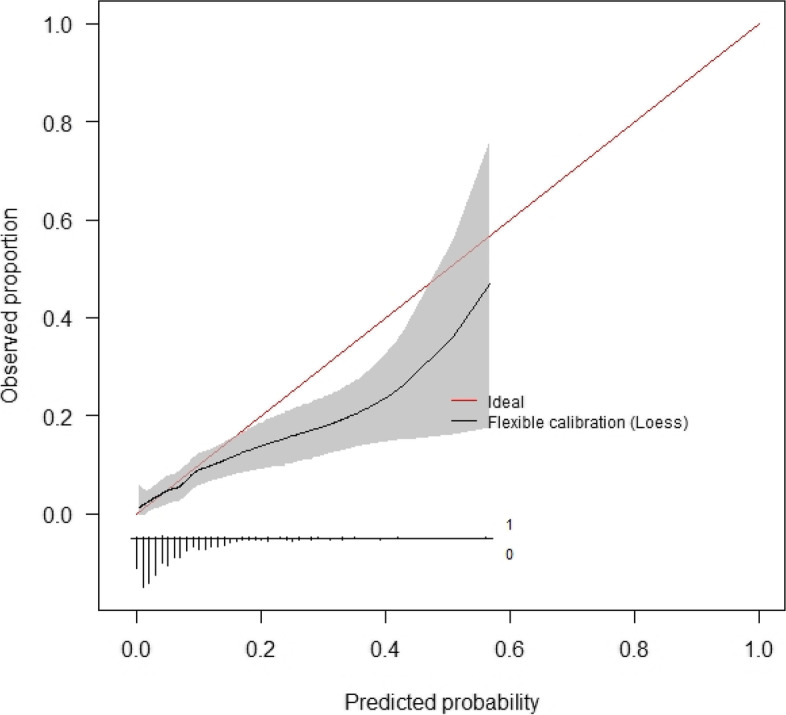
Data used to train and internally validate a multivariable predictive model were obtained from a single tertiary referral centre for TKA located in Victoria, Australia. Hospital administrative data and clinical registry data were utilised, and predictors were selected through systematic review and subsequent consultation with clinicians caring for TKA patients. Logistic regression and random forest models were compared to one another. Calibration was evaluated by visual inspection of calibration curves and calculation of the integrated calibration index (ICI). Discriminative performance was evaluated using the area under the receiver operating characteristic curve (AUC-ROC).

RESULTS

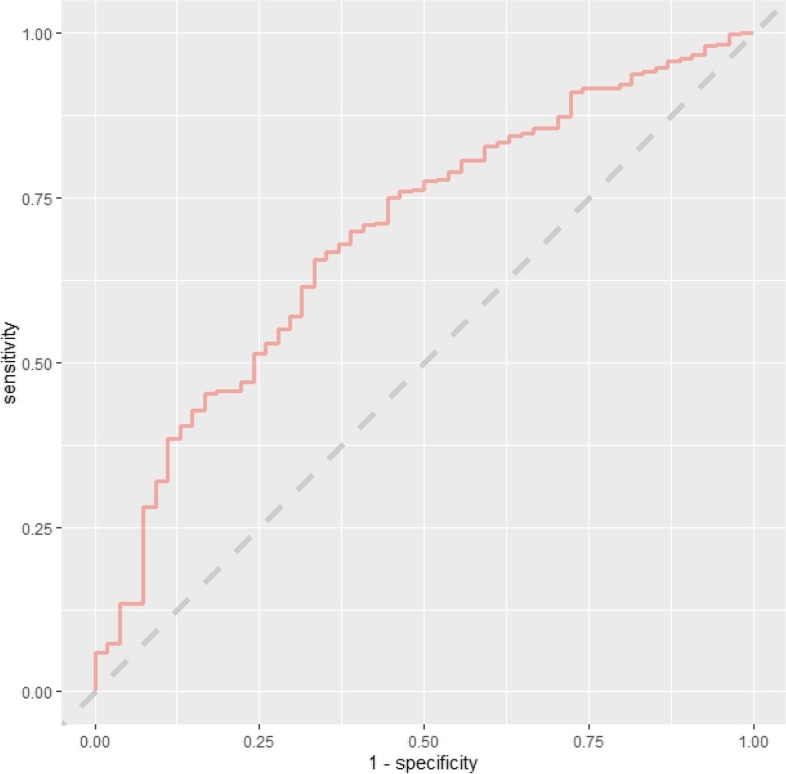
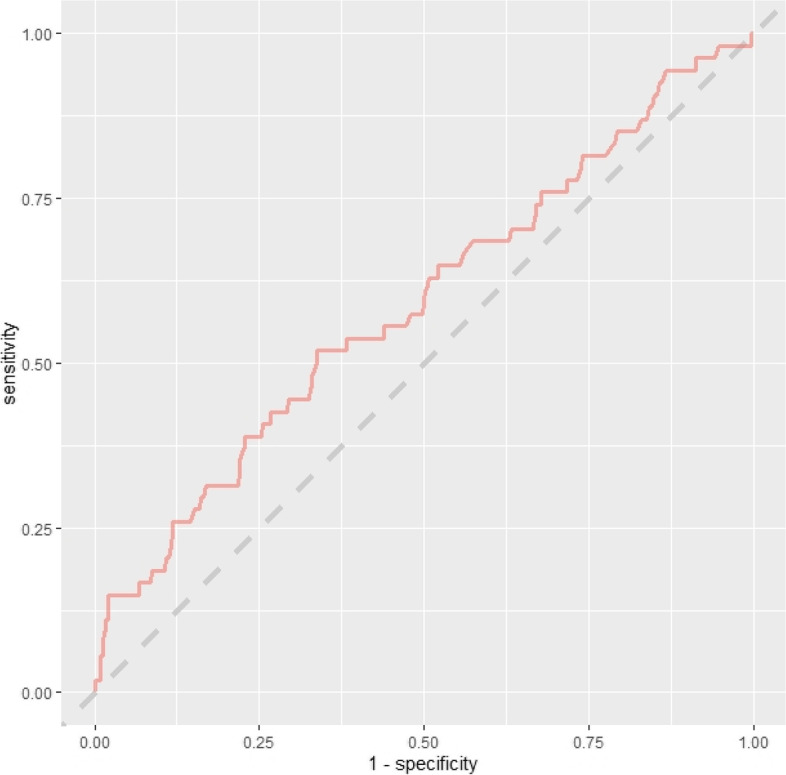
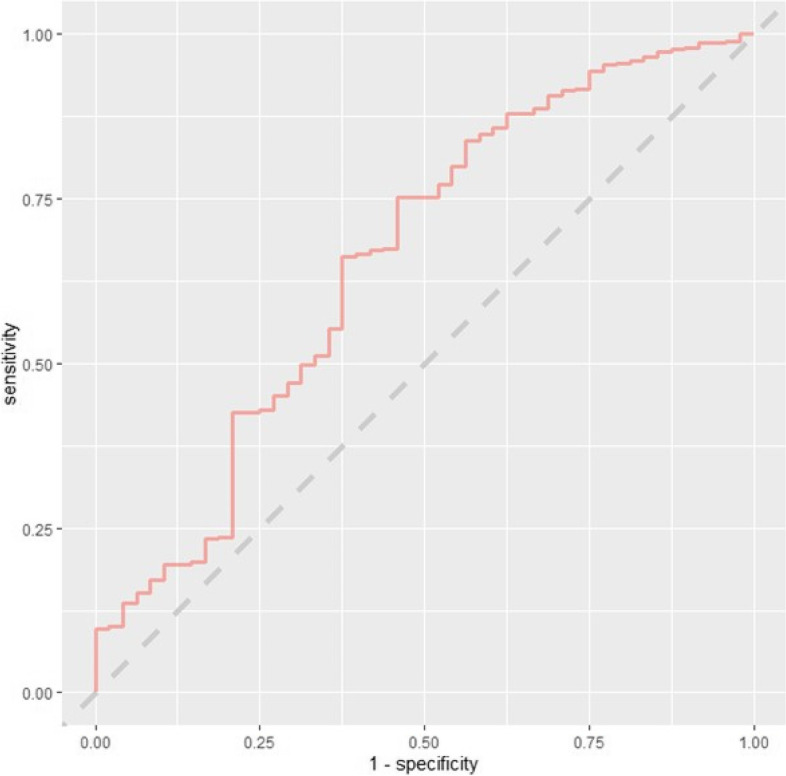
The models developed in this study demonstrated adequate calibration for use in the clinical setting, despite having poor discriminative performance. The best-calibrated readmission prediction model was a logistic regression model trained on administrative data using risk factors identified from systematic review and meta-analysis, which are available at the initial consultation (ICI = 0.012, AUC-ROC = 0.589). Models developed to predict complications associated with readmission also had reasonable calibration (ICI = 0.012, AUC-ROC = 0.658).

CONCLUSION

Discriminative performance of the prediction models was poor, although machine learning provided a slight improvement. The models were reasonably well calibrated, meaning they provide accurate patient-specific probabilities of these outcomes. This information can be used in shared clinical decision-making for discharge planning and post-discharge follow up.

摘要

背景

对于全膝关节置换术(TKA)患者而言,30天再入院是一个日益重要的问题。本研究的目的是利用机器学习和临床见解,为初次TKA患者的30天再入院情况开发一种风险预测模型。

方法

用于训练和内部验证多变量预测模型的数据来自澳大利亚维多利亚州一家单一的TKA三级转诊中心。利用医院管理数据和临床登记数据,并通过系统综述以及随后与护理TKA患者的临床医生协商来选择预测因素。对逻辑回归模型和随机森林模型进行了比较。通过校准曲线的目视检查和综合校准指数(ICI)的计算来评估校准情况。使用受试者操作特征曲线下面积(AUC-ROC)评估判别性能。

结果

尽管判别性能较差,但本研究中开发的模型在临床环境中显示出足够的校准。校准最佳的再入院预测模型是一个逻辑回归模型,该模型基于系统综述和荟萃分析确定的风险因素,利用管理数据进行训练,这些因素在初次会诊时即可获得(ICI = 0.012,AUC-ROC = 0.589)。为预测与再入院相关的并发症而开发的模型也具有合理的校准(ICI = 0.012,AUC-ROC = 0.658)。

结论

预测模型的判别性能较差,尽管机器学习略有改进。这些模型校准良好,这意味着它们能够提供针对这些结果的准确的患者特异性概率。此信息可用于出院计划和出院后随访的共同临床决策。
https://cdn.ncbi.nlm.nih.gov/pmc/blobs/fa68/10234041/a26cde984b71/42836_2023_186_Fig9_HTML.jpg
https://cdn.ncbi.nlm.nih.gov/pmc/blobs/fa68/10234041/56c2000fcdef/42836_2023_186_Fig1_HTML.jpg
https://cdn.ncbi.nlm.nih.gov/pmc/blobs/fa68/10234041/819b95707037/42836_2023_186_Fig2_HTML.jpg
https://cdn.ncbi.nlm.nih.gov/pmc/blobs/fa68/10234041/c01e39e6a9ed/42836_2023_186_Fig3_HTML.jpg
https://cdn.ncbi.nlm.nih.gov/pmc/blobs/fa68/10234041/c912a16ca205/42836_2023_186_Fig4_HTML.jpg
https://cdn.ncbi.nlm.nih.gov/pmc/blobs/fa68/10234041/45b4524c1b0b/42836_2023_186_Fig5_HTML.jpg
https://cdn.ncbi.nlm.nih.gov/pmc/blobs/fa68/10234041/7f2c4fb96e7c/42836_2023_186_Fig6_HTML.jpg
https://cdn.ncbi.nlm.nih.gov/pmc/blobs/fa68/10234041/8d3bdacddf12/42836_2023_186_Fig7_HTML.jpg
https://cdn.ncbi.nlm.nih.gov/pmc/blobs/fa68/10234041/ecefd7ae35a6/42836_2023_186_Fig8_HTML.jpg
https://cdn.ncbi.nlm.nih.gov/pmc/blobs/fa68/10234041/a26cde984b71/42836_2023_186_Fig9_HTML.jpg
https://cdn.ncbi.nlm.nih.gov/pmc/blobs/fa68/10234041/56c2000fcdef/42836_2023_186_Fig1_HTML.jpg
https://cdn.ncbi.nlm.nih.gov/pmc/blobs/fa68/10234041/819b95707037/42836_2023_186_Fig2_HTML.jpg
https://cdn.ncbi.nlm.nih.gov/pmc/blobs/fa68/10234041/c01e39e6a9ed/42836_2023_186_Fig3_HTML.jpg
https://cdn.ncbi.nlm.nih.gov/pmc/blobs/fa68/10234041/c912a16ca205/42836_2023_186_Fig4_HTML.jpg
https://cdn.ncbi.nlm.nih.gov/pmc/blobs/fa68/10234041/45b4524c1b0b/42836_2023_186_Fig5_HTML.jpg
https://cdn.ncbi.nlm.nih.gov/pmc/blobs/fa68/10234041/7f2c4fb96e7c/42836_2023_186_Fig6_HTML.jpg
https://cdn.ncbi.nlm.nih.gov/pmc/blobs/fa68/10234041/8d3bdacddf12/42836_2023_186_Fig7_HTML.jpg
https://cdn.ncbi.nlm.nih.gov/pmc/blobs/fa68/10234041/ecefd7ae35a6/42836_2023_186_Fig8_HTML.jpg
https://cdn.ncbi.nlm.nih.gov/pmc/blobs/fa68/10234041/a26cde984b71/42836_2023_186_Fig9_HTML.jpg

相似文献

1
Predicting 30-day readmission following total knee arthroplasty using machine learning and clinical expertise applied to clinical administrative and research registry data in an Australian cohort.利用机器学习和临床专业知识,对澳大利亚队列中临床管理和研究登记数据进行分析,以预测全膝关节置换术后30天再入院情况。
Arthroplasty. 2023 Jun 1;5(1):30. doi: 10.1186/s42836-023-00186-3.
2
Can Machine-learning Algorithms Predict Early Revision TKA in the Danish Knee Arthroplasty Registry?机器学习算法能否预测丹麦膝关节置换登记处的早期翻修 TKA?
Clin Orthop Relat Res. 2020 Sep;478(9):2088-2101. doi: 10.1097/CORR.0000000000001343.
3
The utilization of artificial neural networks for the prediction of 90-day unplanned readmissions following total knee arthroplasty.利用人工神经网络预测全膝关节置换术后 90 天内的非计划性再入院。
Arch Orthop Trauma Surg. 2023 Jun;143(6):3279-3289. doi: 10.1007/s00402-022-04566-3. Epub 2022 Aug 7.
4
Can machine learning models predict prolonged length of hospital stay following primary total knee arthroplasty based on a national patient cohort data?基于全国患者队列数据,机器学习模型能否预测初次全膝关节置换术后住院时间延长?
Arch Orthop Trauma Surg. 2023 Dec;143(12):7185-7193. doi: 10.1007/s00402-023-05013-7. Epub 2023 Aug 17.
5
Predicting 30-day unplanned hospital readmission after revision total knee arthroplasty: machine learning model analysis of a national patient cohort.预测全膝关节翻修术后 30 天内非计划性再入院:全国患者队列的机器学习模型分析。
Med Biol Eng Comput. 2024 Jul;62(7):2073-2086. doi: 10.1007/s11517-024-03054-7. Epub 2024 Mar 7.
6
Using machine learning to predict paediatric 30-day unplanned hospital readmissions: a case-control retrospective analysis of medical records, including written discharge documentation.使用机器学习预测儿科 30 天内非计划性住院再入院率:病历回顾性病例对照研究,包括书面出院记录。
Aust Health Rev. 2021 Jun;45(3):328-337. doi: 10.1071/AH20062.
7
Leveraging Machine Learning Techniques to Forecast Patient Prognosis After Percutaneous Coronary Intervention.利用机器学习技术预测经皮冠状动脉介入治疗后的患者预后。
JACC Cardiovasc Interv. 2019 Jul 22;12(14):1304-1311. doi: 10.1016/j.jcin.2019.02.035. Epub 2019 Jun 26.
8
Validation and Generalizability of Machine Learning Models for the Prediction of Discharge Disposition Following Revision Total Knee Arthroplasty.机器学习模型预测全膝关节翻修术后出院去向的验证和推广
J Arthroplasty. 2023 Jun;38(6S):S253-S258. doi: 10.1016/j.arth.2023.02.054. Epub 2023 Feb 25.
9
Machine learning methods are comparable to logistic regression techniques in predicting severe walking limitation following total knee arthroplasty.机器学习方法在预测全膝关节置换术后严重步行受限方面可与逻辑回归技术相媲美。
Knee Surg Sports Traumatol Arthrosc. 2020 Oct;28(10):3207-3216. doi: 10.1007/s00167-019-05822-7. Epub 2019 Dec 12.
10
Predicting Unplanned Readmissions Following a Hip or Knee Arthroplasty: Retrospective Observational Study.预测髋关节或膝关节置换术后的非计划再入院:回顾性观察研究。
JMIR Med Inform. 2020 Nov 27;8(11):e19761. doi: 10.2196/19761.

引用本文的文献

1
How New Technologies Will Transform Total Knee Arthroplasty from a Singular Surgical Procedure to a Holistic Standardized Process.新技术将如何把全膝关节置换术从单一的外科手术转变为一个整体的标准化流程。
J Clin Med. 2025 Apr 30;14(9):3102. doi: 10.3390/jcm14093102.
2
Clinical frailty scale predicts outcomes following total joint arthroplasty.临床衰弱量表可预测全关节置换术后的结果。
Arthroplasty. 2025 Mar 3;7(1):13. doi: 10.1186/s42836-024-00294-8.
3
Editorial: factors influencing the outcome of total hip and knee arthroplasty.社论:影响全髋关节和膝关节置换术结果的因素

本文引用的文献

1
Established and Novel Risk Factors for 30-Day Readmission Following Total Knee Arthroplasty: A Modified Delphi and Focus Group Study to Identify Clinically Important Predictors.全膝关节置换术后30天再入院的既定风险因素和新风险因素:一项用于识别临床重要预测因素的改良德尔菲法和焦点小组研究
J Clin Med. 2023 Jan 17;12(3):747. doi: 10.3390/jcm12030747.
2
Current understanding on artificial intelligence and machine learning in orthopaedics - A scoping review.骨科领域对人工智能和机器学习的当前理解——一项范围综述。
J Orthop. 2022 Aug 26;34:201-206. doi: 10.1016/j.jor.2022.08.020. eCollection 2022 Nov-Dec.
3
Editorial Commentary: Machine Learning in Orthopaedics: Venturing Into the Valley of Despair.
Arthroplasty. 2023 Dec 6;5(1):64. doi: 10.1186/s42836-023-00219-x.
编者按:骨科中的机器学习:踏入绝望之谷。
Arthroscopy. 2022 Sep;38(9):2767-2768. doi: 10.1016/j.arthro.2022.05.010.
4
Acceptance, Barriers, and Facilitators to Implementing Artificial Intelligence-Based Decision Support Systems in Emergency Departments: Quantitative and Qualitative Evaluation.急诊科实施基于人工智能的决策支持系统的接受度、障碍与促进因素:定量与定性评估
JMIR Form Res. 2022 Jun 13;6(6):e36501. doi: 10.2196/36501.
5
Machine learning in knee arthroplasty: specific data are key-a systematic review.机器学习在膝关节置换术中的应用:特定数据是关键——系统评价。
Knee Surg Sports Traumatol Arthrosc. 2022 Feb;30(2):376-388. doi: 10.1007/s00167-021-06848-6. Epub 2022 Jan 10.
6
Feasibility of Machine Learning and Logistic Regression Algorithms to Predict Outcome in Orthopaedic Trauma Surgery.机器学习和逻辑回归算法预测骨科创伤手术结果的可行性
J Bone Joint Surg Am. 2022 Mar 16;104(6):544-551. doi: 10.2106/JBJS.21.00341.
7
Logistic Regression and Machine Learning Models Cannot Discriminate Between Satisfied and Dissatisfied Total Knee Arthroplasty Patients.逻辑回归和机器学习模型无法区分满意和不满意的全膝关节置换患者。
J Arthroplasty. 2022 Feb;37(2):267-273. doi: 10.1016/j.arth.2021.10.017. Epub 2021 Nov 2.
8
A survey on missing data in machine learning.关于机器学习中缺失数据的一项调查。
J Big Data. 2021;8(1):140. doi: 10.1186/s40537-021-00516-9. Epub 2021 Oct 27.
9
Artificial Learning and Machine Learning Decision Guidance Applications in Total Hip and Knee Arthroplasty: A Systematic Review.人工学习和机器学习决策指导在全髋关节和膝关节置换术中的应用:一项系统综述。
Arthroplast Today. 2021 Sep 3;11:103-112. doi: 10.1016/j.artd.2021.07.012. eCollection 2021 Oct.
10
Current Best Practice for Presenting Probabilities in Patient Decision Aids: Fundamental Principles.当前患者决策辅助工具中呈现概率的最佳实践:基本原则。
Med Decis Making. 2021 Oct;41(7):821-833. doi: 10.1177/0272989X21996328. Epub 2021 Mar 4.