School of Computer Science, Faculty of Science and Engineering, University of Nottingham, Jalan Broga, 43500, Semenyih, Malaysia.
Department of Computer and Information Sciences, Universiti Teknologi PETRONAS, 32610, Seri Iskandar, Malaysia.
J Neuroeng Rehabil. 2023 Jun 2;20(1):70. doi: 10.1186/s12984-023-01179-8.
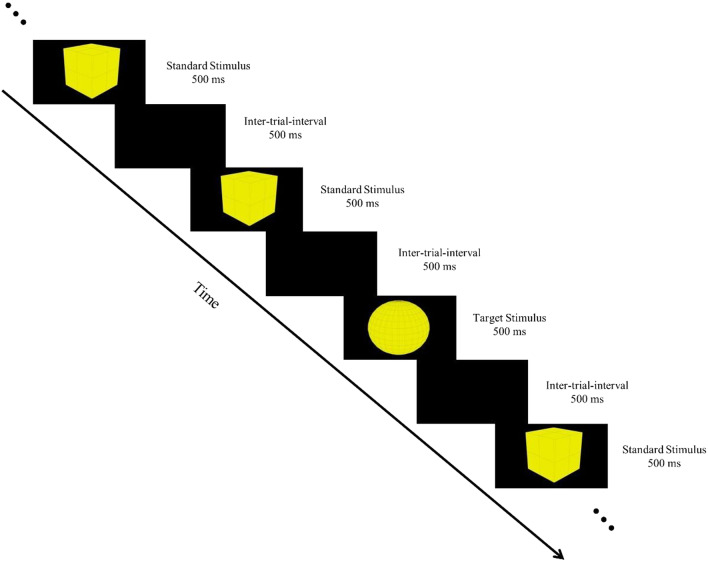
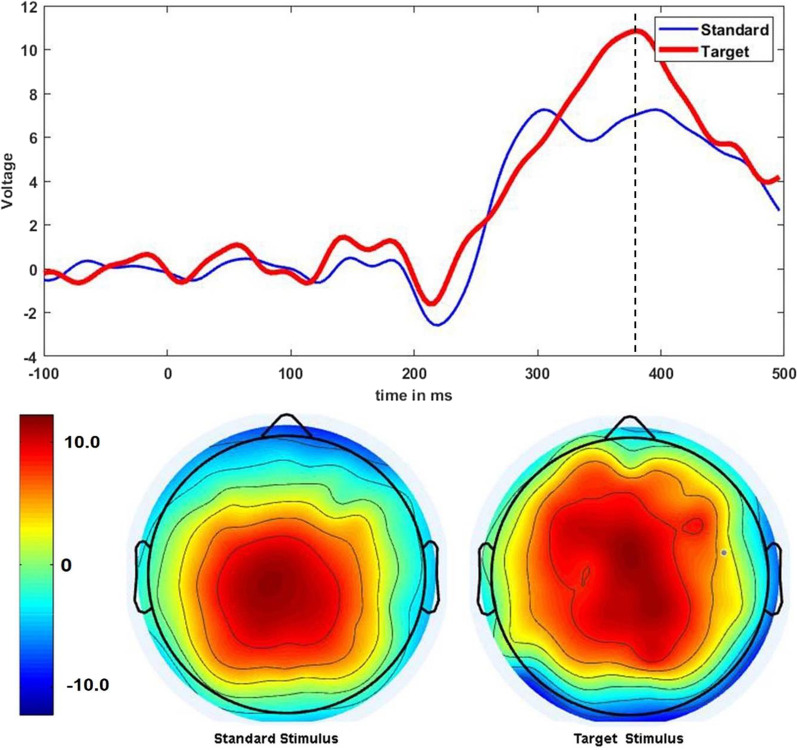
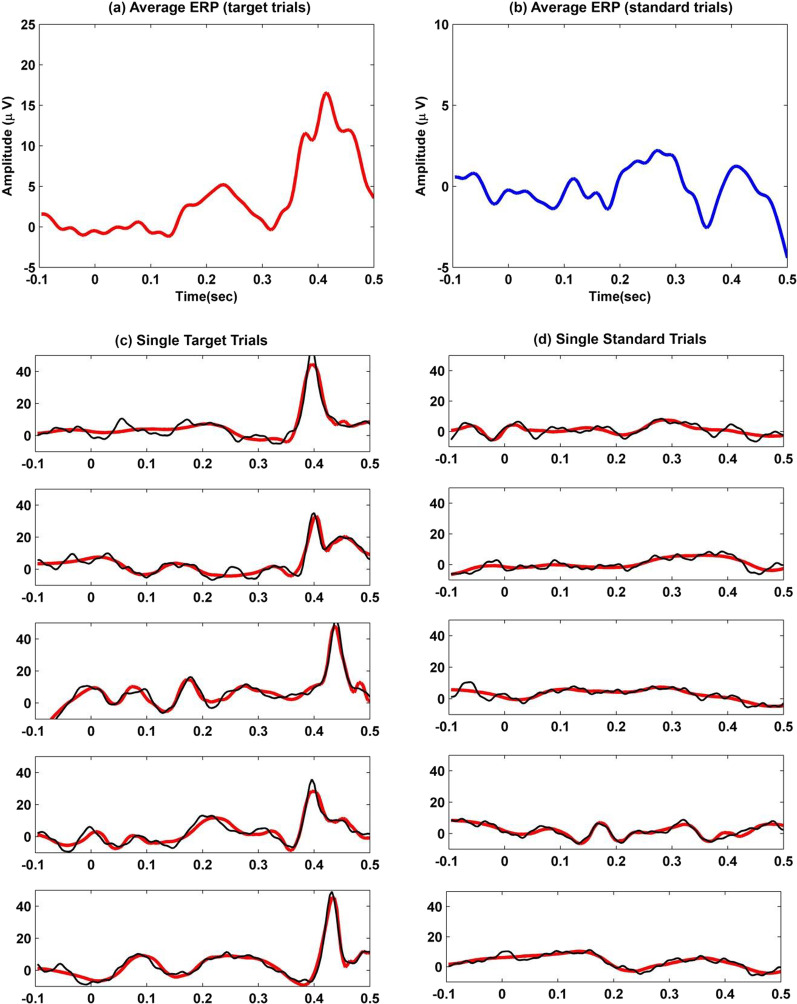
Presentation of visual stimuli can induce changes in EEG signals that are typically detectable by averaging together data from multiple trials for individual participant analysis as well as for groups or conditions analysis of multiple participants. This study proposes a new method based on the discrete wavelet transform with Huffman coding and machine learning for single-trial analysis of evenal (ERPs) and classification of different visual events in the visual object detection task.
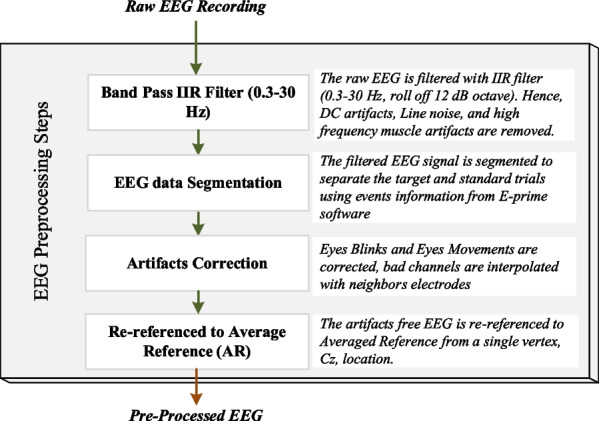
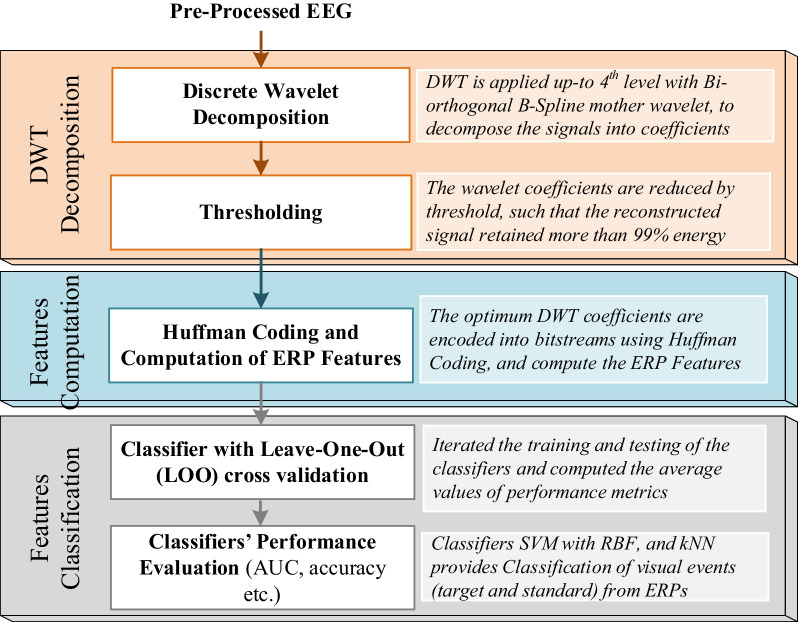
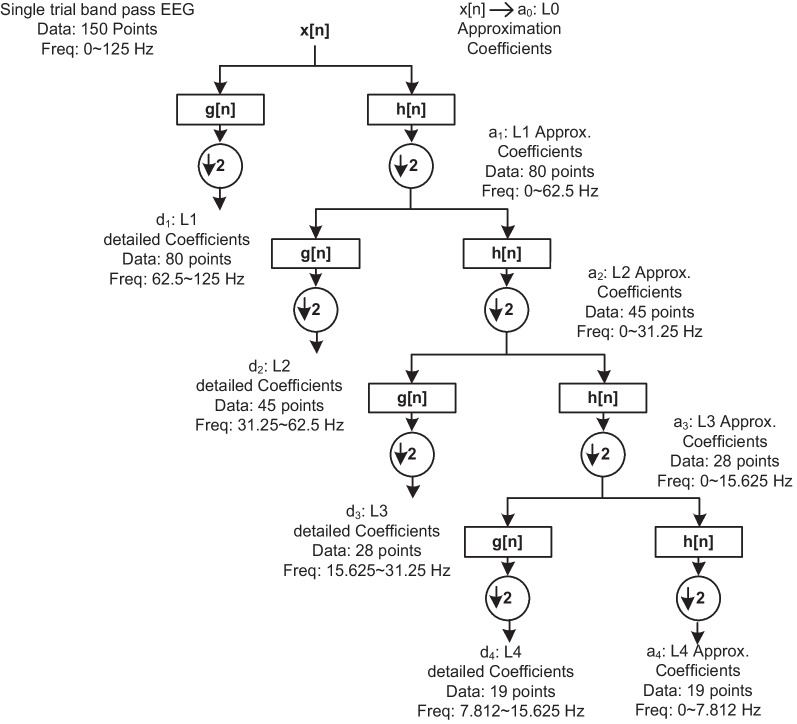
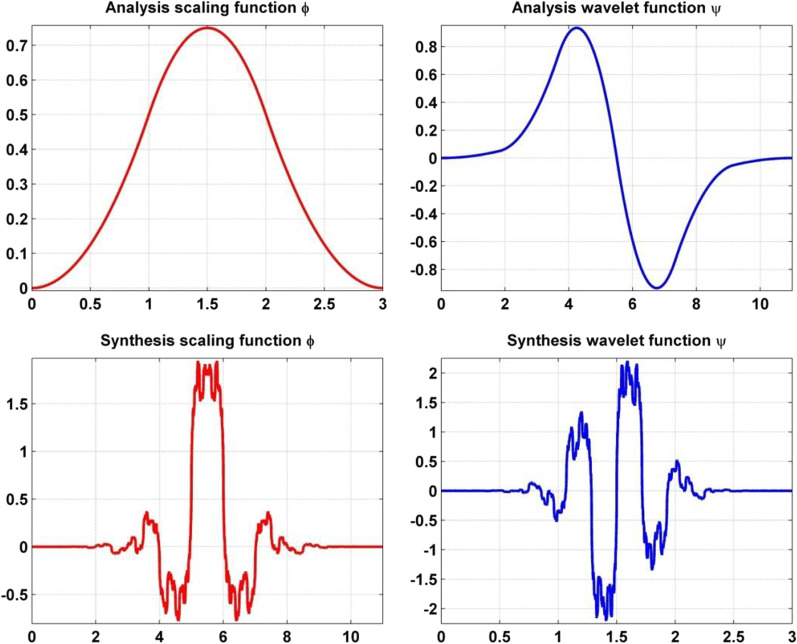
EEG single trials are decomposed with discrete wavelet transform (DWT) up to the [Formula: see text] level of decomposition using a biorthogonal B-spline wavelet. The coefficients of DWT in each trial are thresholded to discard sparse wavelet coefficients, while the quality of the signal is well maintained. The remaining optimum coefficients in each trial are encoded into bitstreams using Huffman coding, and the codewords are represented as a feature of the ERP signal. The performance of this method is tested with real visual ERPs of sixty-eight subjects.
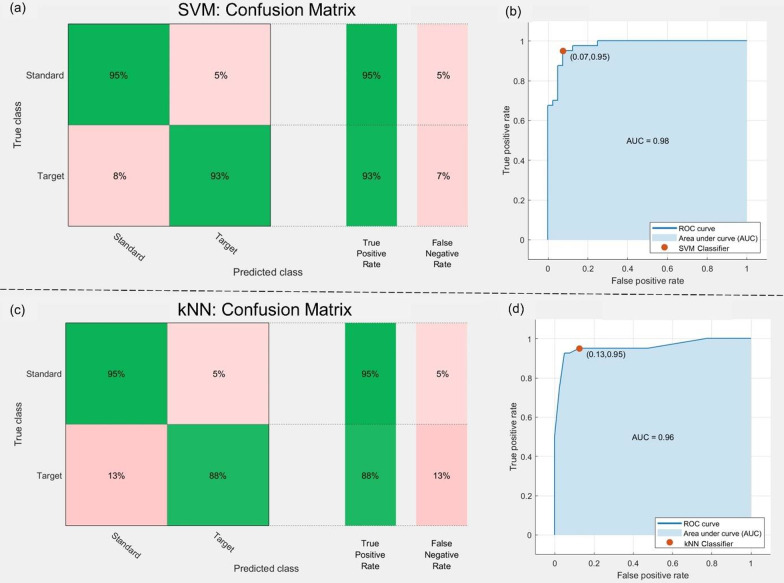
The proposed method significantly discards the spontaneous EEG activity, extracts the single-trial visual ERPs, represents the ERP waveform into a compact bitstream as a feature, and achieves promising results in classifying the visual objects with classification performance metrics: accuracies 93.60[Formula: see text], sensitivities 93.55[Formula: see text], specificities 94.85[Formula: see text], precisions 92.50[Formula: see text], and area under the curve (AUC) 0.93[Formula: see text] using SVM and k-NN machine learning classifiers.
The proposed method suggests that the joint use of discrete wavelet transform (DWT) with Huffman coding has the potential to efficiently extract ERPs from background EEG for studying evoked responses in single-trial ERPs and classifying visual stimuli. The proposed approach has O(N) time complexity and could be implemented in real-time systems, such as the brain-computer interface (BCI), where fast detection of mental events is desired to smoothly operate a machine with minds.
呈现视觉刺激会引起 EEG 信号的变化,这些变化通常可以通过对单个参与者的多个试验数据进行平均,以及对多个参与者的组或条件进行分析来检测。本研究提出了一种新的方法,该方法基于离散小波变换和哈夫曼编码以及机器学习,用于进行单次试验分析和视觉对象检测任务中不同视觉事件的分类。
使用双正交 B 样条小波对 EEG 单次试验进行离散小波变换(DWT)分解,分解到[公式:见正文]级。对每个试验中的 DWT 系数进行阈值处理,以丢弃稀疏小波系数,同时保持信号质量良好。每个试验中剩余的最优系数使用哈夫曼编码编码成比特流,并将码字表示为 ERP 信号的特征。该方法的性能通过对 68 名受试者的真实视觉 ERP 进行测试。
该方法显著地去除了自发 EEG 活动,提取了单次试验的视觉 ERP,将 ERP 波形表示为一个紧凑的比特流作为特征,并通过使用 SVM 和 k-NN 机器学习分类器实现了有希望的分类性能指标,分类准确率为 93.60%,敏感度为 93.55%,特异性为 94.85%,精度为 92.50%,曲线下面积(AUC)为 0.93%。
该方法表明,离散小波变换(DWT)与哈夫曼编码的联合使用有可能从背景 EEG 中有效地提取 ERP,用于研究单次试验 ERP 中的诱发反应和分类视觉刺激。该方法的时间复杂度为 O(N),可以在实时系统中实现,例如脑机接口(BCI),在该系统中,需要快速检测心理事件,以便用思想平稳地操作机器。