Leung Alice Yeuk Lan, Zhang Jialing, Chan Chun Yin, Chen Xiaotong, Mao Jingyuan, Jia Zhenhua, Li Xinli, Shen Jiangang
School of Chinese Medicine, University of Hong Kong, 3 Sassoon Road, Pokfulam, Hong Kong, Hong SAR, People's Republic of China.
Department of Cardiovascular Diseases, First Teaching Hospital of Tianjin University of Traditional Chinese Medicine, National Clinical Research Center for Chinese Medicine Acupuncture and Moxibustion, Tianjin, 300381, China.
Chin Med. 2023 Jun 9;18(1):70. doi: 10.1186/s13020-023-00757-1.
Traditional Chinese Medicine (TCM) is widely used to treat heart failure (HF). Syndrome differentiation is a unique and crucial component in TCM practice for guiding disease diagnosis and treatment strategies as well as clinical research. The major bottlenecks in TCM syndrome differentiation are the diversity of the syndrome differentiation criteria and the broad spectrum of syndrome patterns, hindering evidence-based studies for clinical research. In the present study, we aim to develop an evidence-based questionnaire for the diagnosis of HF and establish a definitive set of criteria for syndrome differentiation.
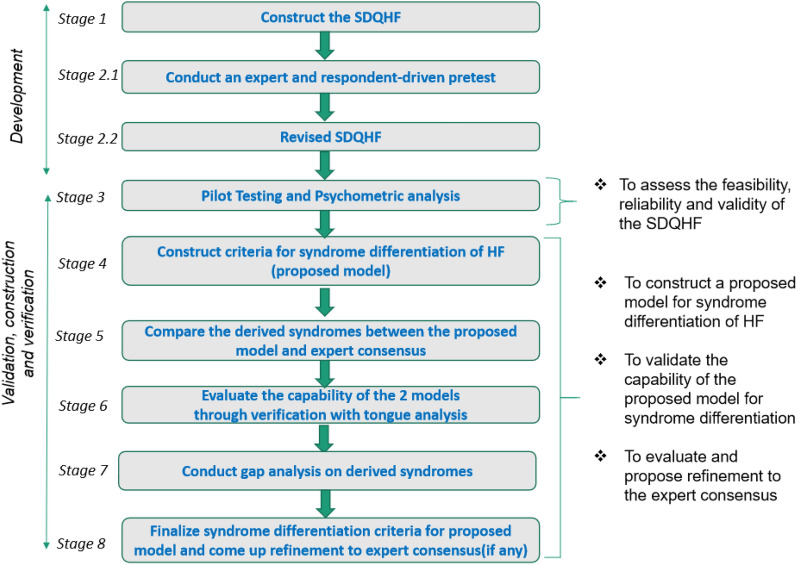
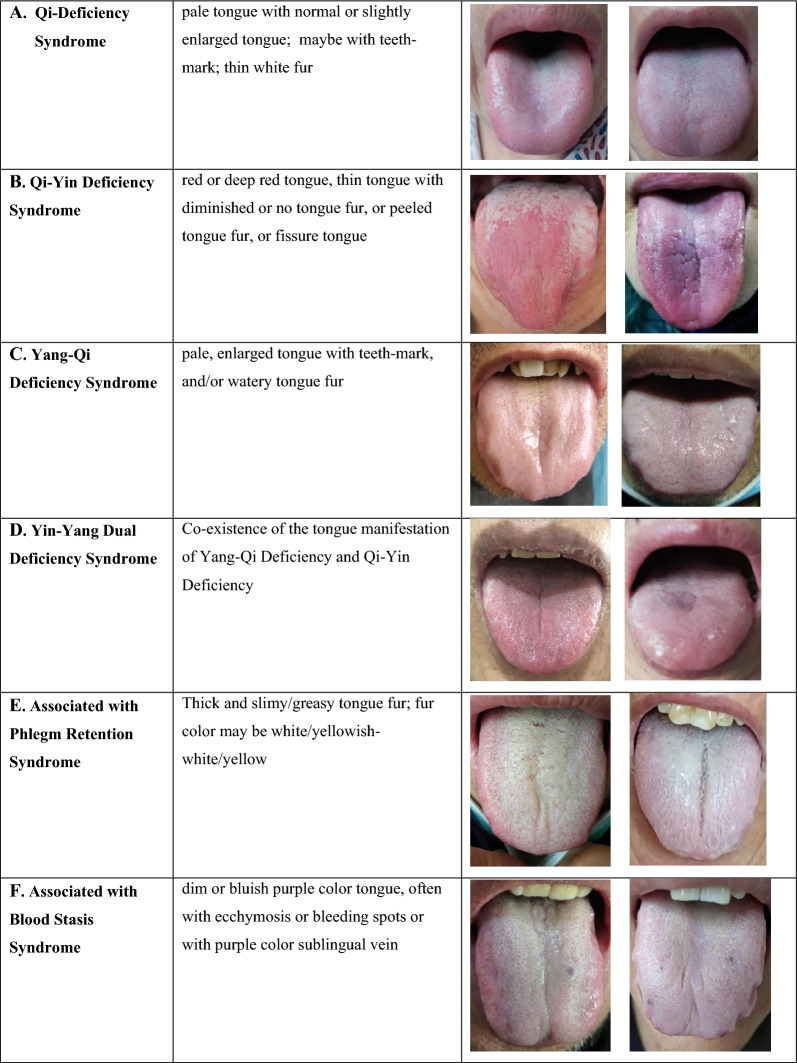
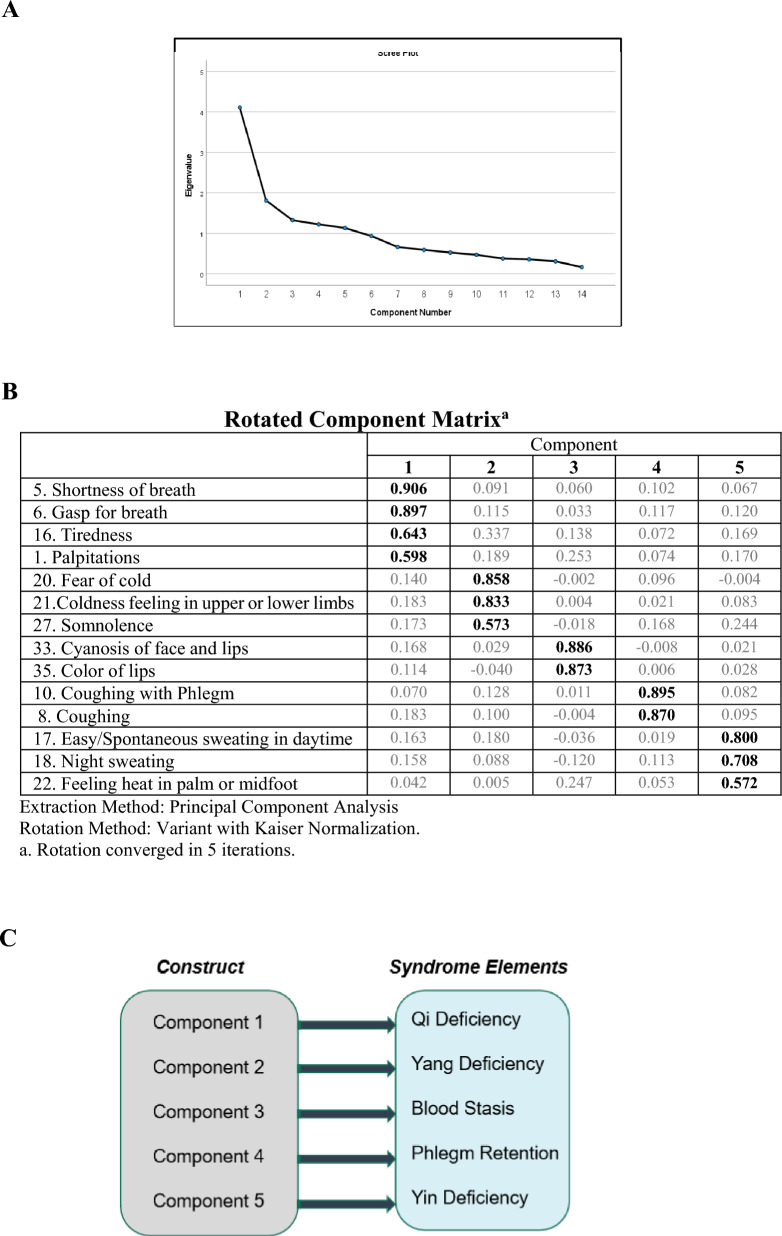
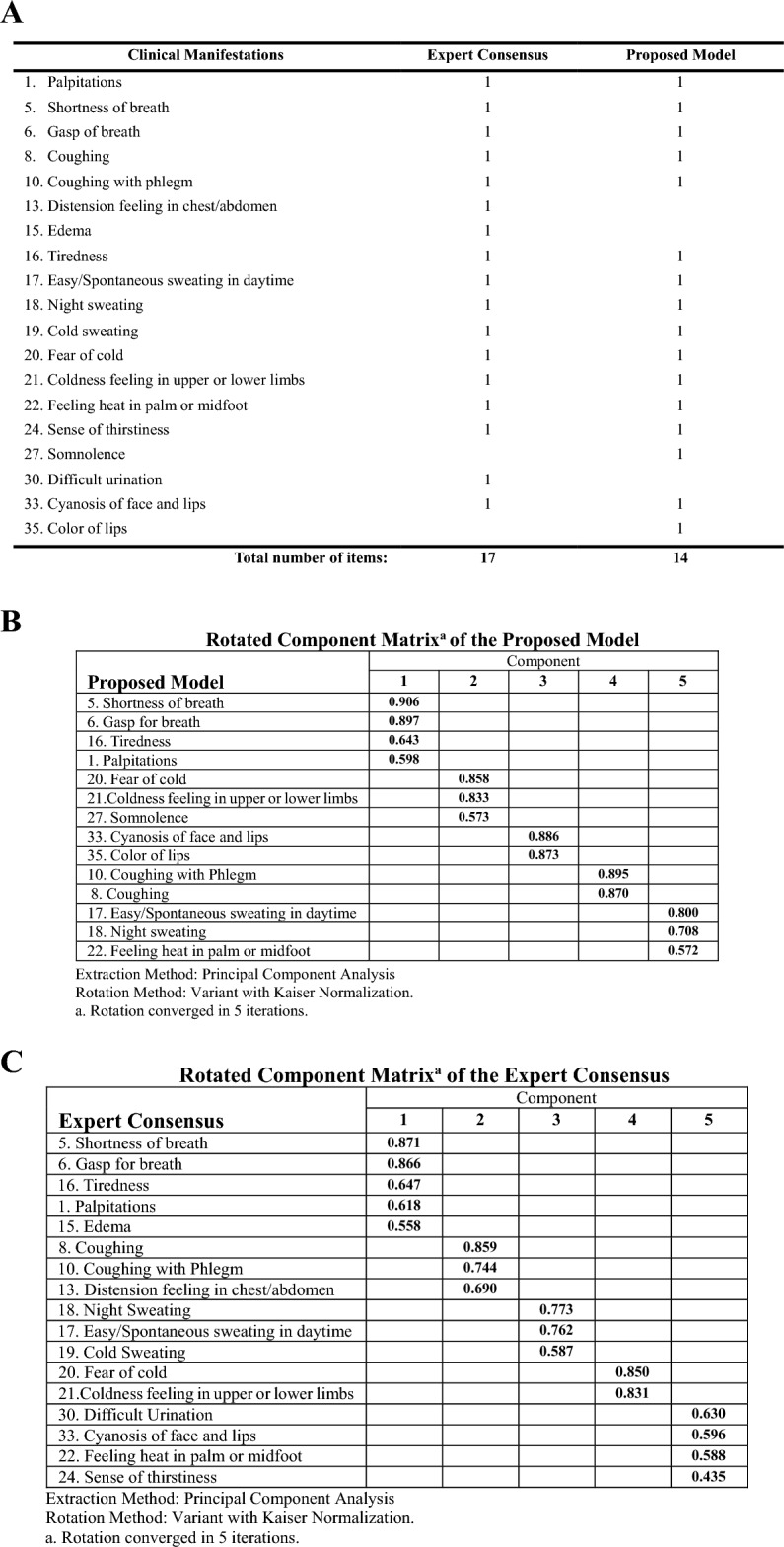
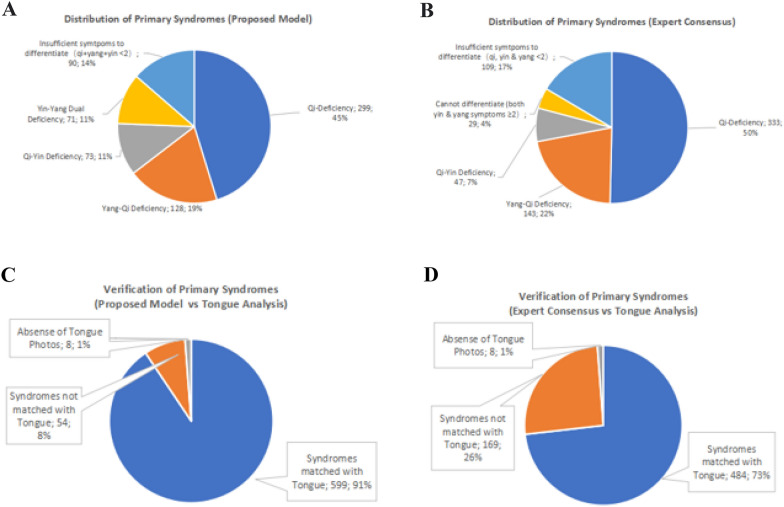
We designed a TCM syndrome differentiation questionnaire for heart failure (SDQHF) based on the "TCM expert consensus for diagnosis and treatment of heart failure" (expert consensus), literature review, and various clinical guidelines. To test the reliability and efficiency of the questionnaire, we performed a large-scale multiple-center clinical trial with the recruitment of 661 HF patients. Cronbach's alpha was used to assess the internal consistency of the SDQHF. Content validity was conducted through expert review. Principal component analysis (PCA) was applied to evaluate the construct validity. We constructed a proposed model for syndrome differentiation for HF based on the PCA results. Tongue analysis was performed to verify the accuracy of syndromes derived from the proposed model and the expert consensus. An evidence-based practical questionnaire for TCM syndrome differentiation patients was developed and validated with the data from 661 HF patients.
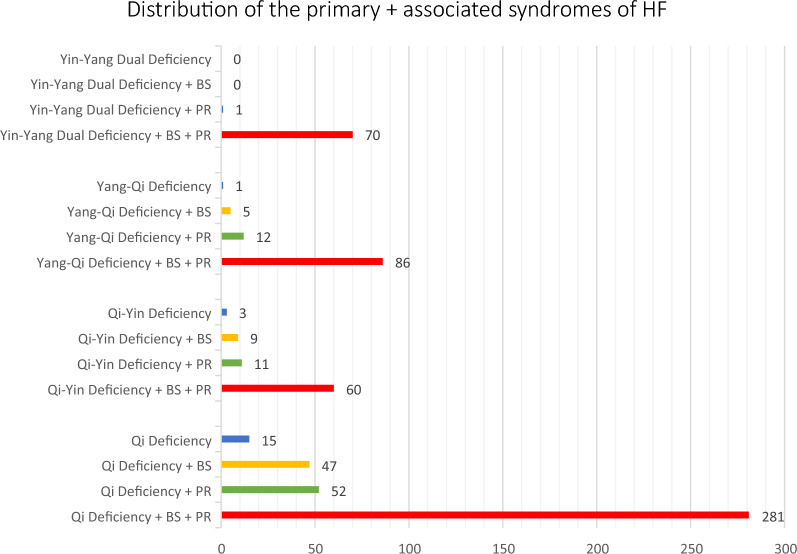
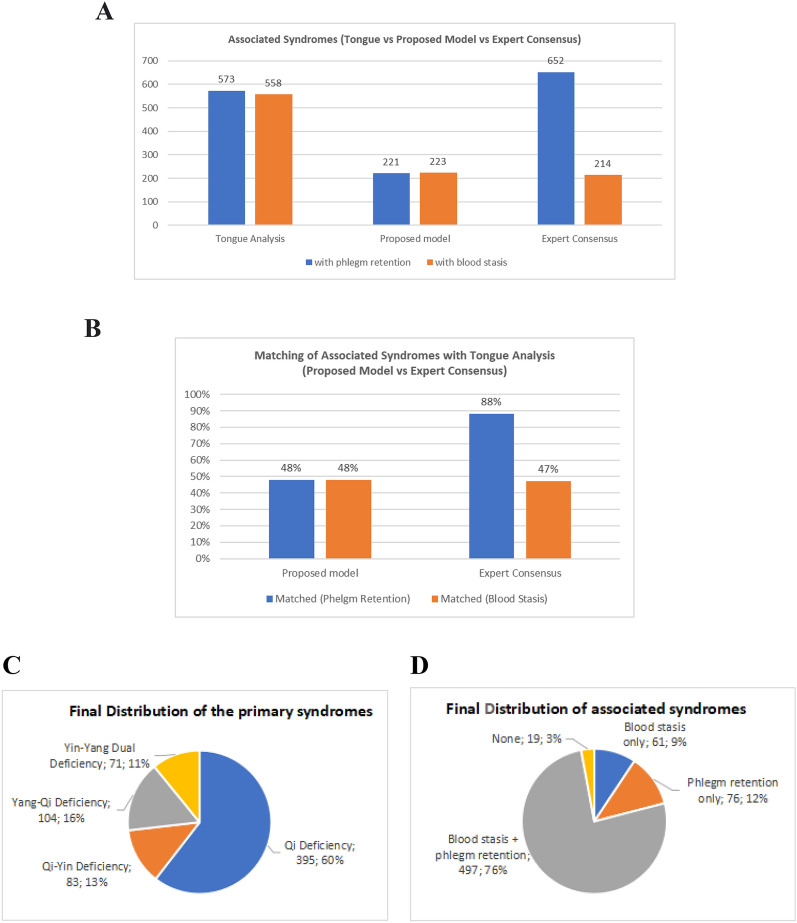
The syndrome differentiation criteria were constructed with five syndrome elements (qi-deficiency, yang-deficiency, yin-deficiency, blood stasis, and phlegm retention). The results revealed good convergent and discriminant validity, satisfactory internal consistency, and feasibility. The significant discoveries include: (1) A total of 91% of the derived TCM syndromes from the proposed model matched with the characterized tongue images of the syndrome patterns; (2) Qi Deficiency Syndrome is the dominant syndrome pattern for HF patients, followed by Yang-Qi Deficiency Syndrome and Qi-yin deficiency Syndrome, and finally, Yin-Yang Dual Deficiency Syndrome; (3) The majority of the HF patients had the combination of Blood Stasis and Phlegm Retention Syndromes; (4) The "Yin-Yang Dual Deficiency" Syndrome was a valid syndrome for HF, suggesting that this syndrome pattern should be included in the criteria for syndrome differentiation; and (5) Through the validation of the expert consensus, several recommendations were proposed to improve the accuracy of syndrome differentiation of HF.
The proposed SDQHF and the criteria could be a reliable and valid tool for syndrome differentiation of heart failure with high accuracy. It is recommended to use the proposed model for evidence-based study on Chinese Medicine to diagnose and treat HF.
The trial was registered at the Chinese Clinical Trial Registry, http://www.chictr.org.cn . (Registration No.: ChiCTR1900021929); Date: 2019-03-16.
中医广泛应用于治疗心力衰竭(HF)。辨证是中医临床实践中指导疾病诊断、治疗策略及临床研究的独特且关键的组成部分。中医辨证的主要瓶颈在于辨证标准的多样性和证型范围的宽泛性,这阻碍了临床研究的循证研究。在本研究中,我们旨在开发一份用于心力衰竭诊断的循证问卷,并建立一套明确的辨证标准。
我们基于“心力衰竭中医诊疗专家共识”(专家共识)、文献综述及各种临床指南,设计了一份心力衰竭中医辨证问卷(SDQHF)。为测试该问卷的可靠性和有效性,我们开展了一项大规模多中心临床试验,招募了661例HF患者。采用Cronbach's α系数评估SDQHF的内部一致性。通过专家评审进行内容效度评估。应用主成分分析(PCA)评估结构效度。我们基于PCA结果构建了一个拟议的HF辨证模型。进行舌象分析以验证从拟议模型和专家共识得出的证型的准确性。利用661例HF患者的数据开发并验证了一份针对中医辨证患者的循证实用问卷。
辨证标准由五个证素(气虚、阳虚、阴虚、血瘀、痰饮)构建而成。结果显示出良好的收敛效度和区分效度、令人满意的内部一致性及可行性。重要发现包括:(1)拟议模型得出的中医证型中,共有91%与证型特征性舌象相匹配;(2)气虚证是HF患者的主要证型,其次是阳气虚证和气阴两虚证,最后是阴阳两虚证;(3)大多数HF患者存在血瘀证和痰饮证的组合;(4)“阴阳两虚”证是HF的一个有效证型,表明该证型应纳入辨证标准;(5)通过专家共识的验证,提出了若干建议以提高HF辨证的准确性。
拟议的SDQHF及其标准可能是一种可靠、有效的心力衰竭辨证工具,具有较高的准确性。建议使用拟议模型进行中医诊治HF的循证研究。
该试验在中国临床试验注册中心注册,网址:http://www.chictr.org.cn 。(注册号:ChiCTR1900021929);日期:2019年3月16日。