Reeves Cathie, Tikkinen Mikko, Aronen Tuija, Krajnakova Jana
Scion, Te Papa Tipu Innovation Park, 49 Sala Street, Private Bag 3020, Rotorua 3046, New Zealand.
Natural Resources Institute Finland (Luke), FI-57200 Savonlinna, Finland.
Plants (Basel). 2023 May 24;12(11):2095. doi: 10.3390/plants12112095.
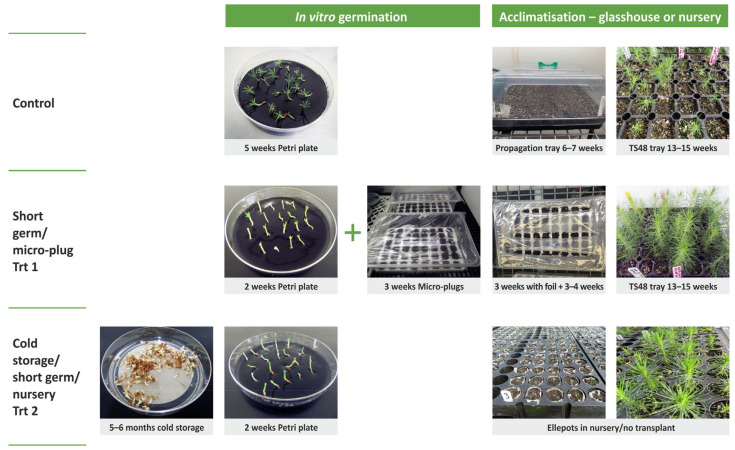
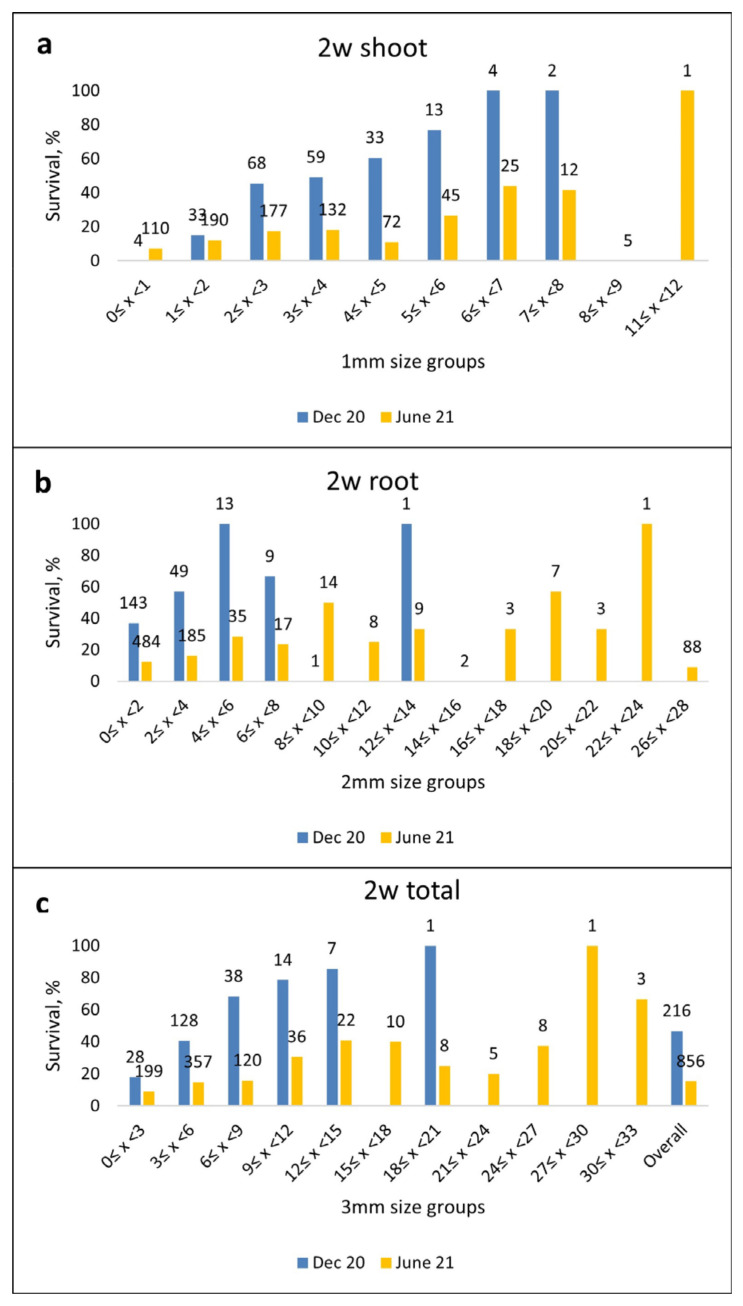
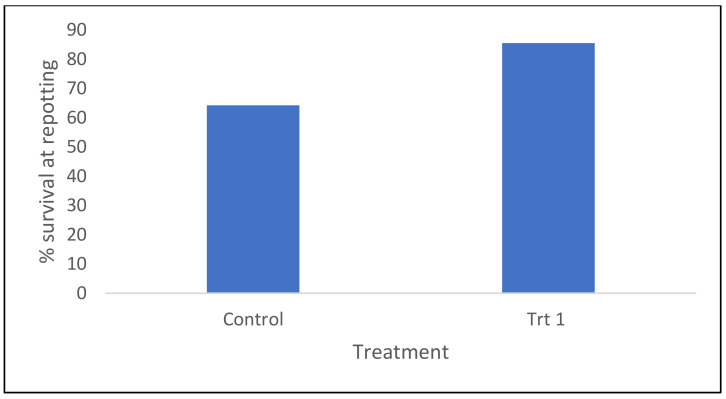
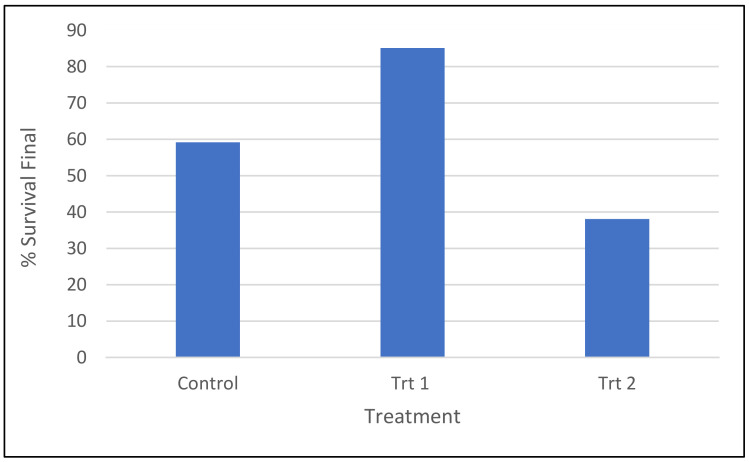
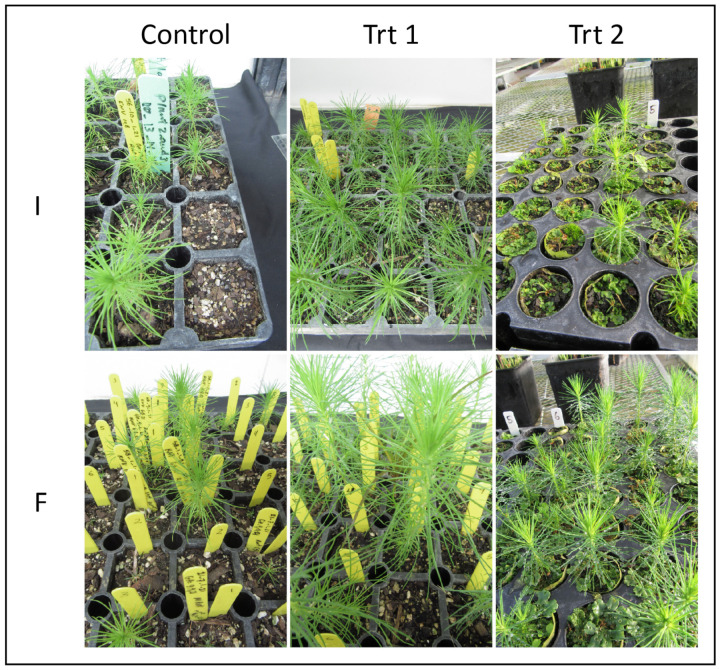
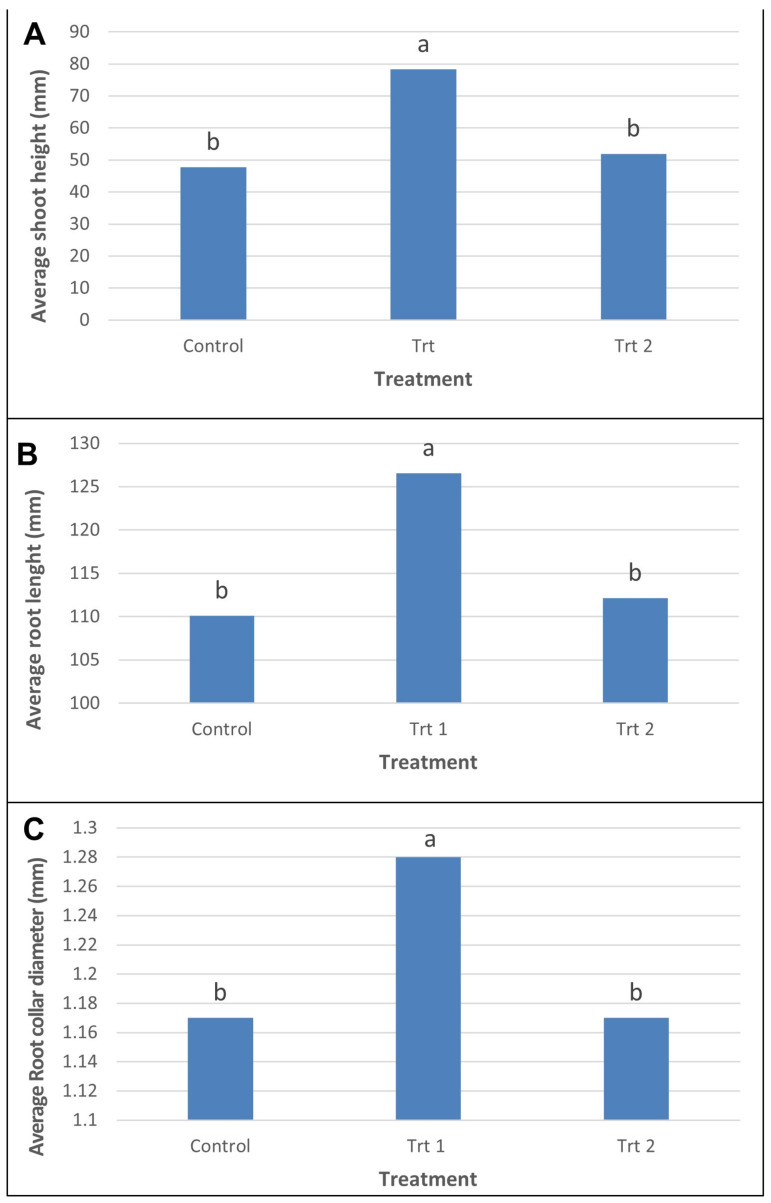
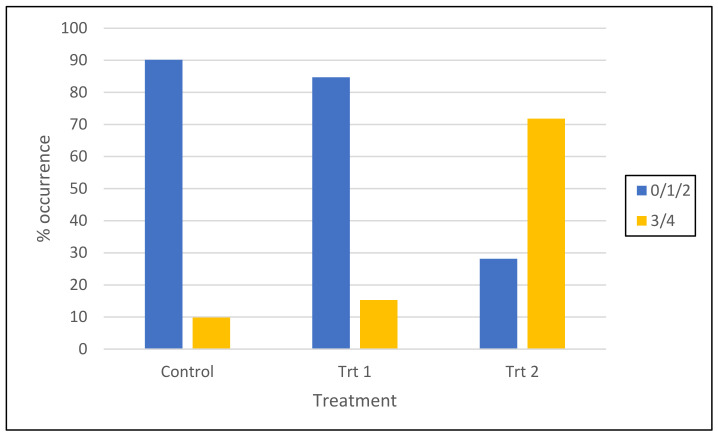
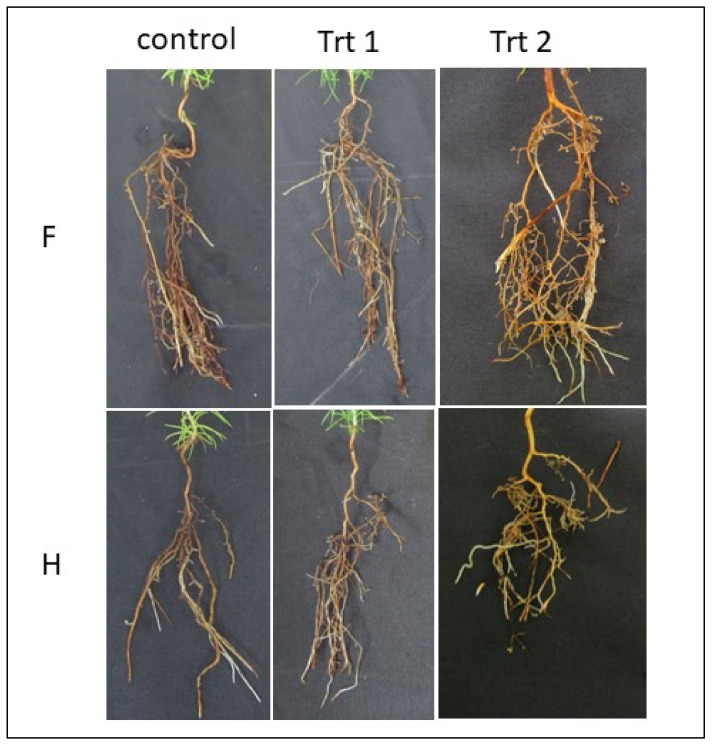
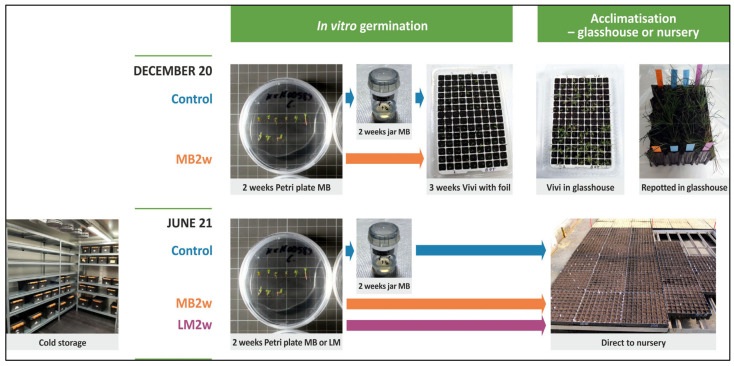
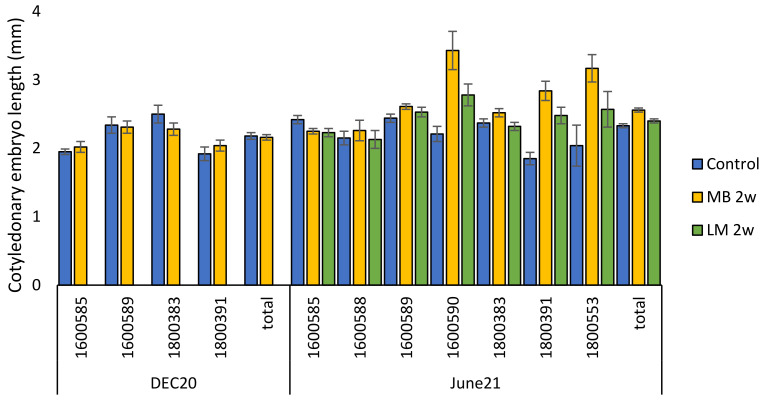
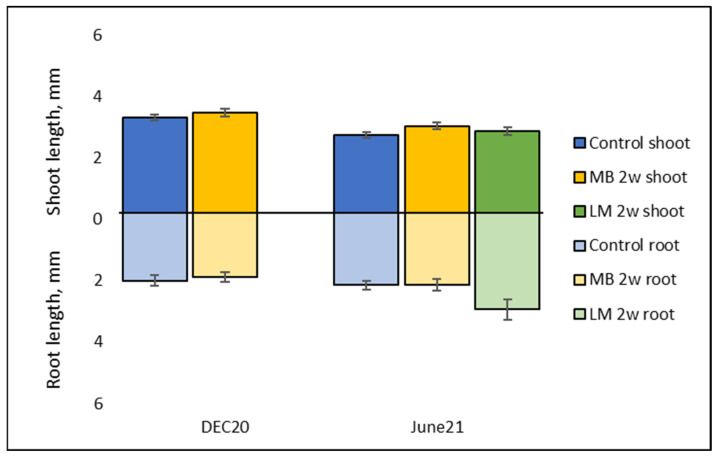
Somatic embryogenesis (SE) is an advanced vegetative propagation technology that, when used in combination with breeding and cryopreservation, offers the forest industry a powerful tool for the deployment of elite genotypes. Germination and acclimatization are critical and cost-intensive phases in the production of somatic plants. The efficient conversion of somatic embryos into robust plants is a necessity if a propagation protocol is to be successfully adopted by the industry. In this work, these late phases of the SE protocol of two pine species were investigated. A shortened germination protocol and more controlled acclimatization were investigated for Pinus radiata, testing embryos from 18 embryogenic cell lines. A more simplified protocol, including a cold storage phase, was also compared among 10 of these cell lines. A shortened germination period and more controlled protocols significantly improved the acclimatization of somatic embryos directly from the lab to the glasshouse. When results for all cell lines were pooled, there were significant improvements in all growth characteristics (shoot height, root length, root collar diameter, and root quadrant score). When the more simplified protocol involving cold storage was tested, improvements were seen in the root architecture. For the late phases of somatic embryogenesis were investigated on seven cell lines in a set of two trials (four to seven cell lines per trial). During the germination phase, a shortened and simplified in vitro period, a cold storage option and basal media were explored. Viable plants were obtained from all treatments. However, there is still the need to improve germination and related protocols together with growing regimes for . The improvements to protocols presented here, particularly for , result in greater survival and quality of somatic emblings, leading to reduced costs and increased confidence in the technology. Simplified protocols using a cold storage option show great promise and, with some further research, could lead to reductions in the cost of the technology.
体细胞胚胎发生(SE)是一种先进的营养繁殖技术,与育种和冷冻保存相结合时,为林业提供了一个用于部署优良基因型的强大工具。萌发和驯化是体细胞植株生产中的关键且成本高昂的阶段。如果一种繁殖方案要被该行业成功采用,将体细胞胚高效转化为健壮植株是必要的。在这项工作中,对两种松树的体细胞胚胎发生方案的这些后期阶段进行了研究。针对辐射松,研究了一种缩短的萌发方案和更可控的驯化方法,测试了来自18个胚性细胞系的胚。还在其中10个细胞系中比较了一种更简化的方案,包括一个冷藏阶段。缩短的萌发期和更可控的方案显著提高了体细胞胚直接从实验室到温室的驯化效果。当汇总所有细胞系的结果时,所有生长特征(苗高、根长、根颈直径和根象限评分)都有显著改善。当测试涉及冷藏的更简化方案时,根系结构有改善。在一组两项试验(每项试验4至7个细胞系)中,对7个细胞系的体细胞胚胎发生后期阶段进行了研究。在萌发阶段,探索了缩短和简化的体外培养期、冷藏选项和基础培养基。所有处理都获得了有活力的植株。然而,仍需要改进萌发及相关方案以及生长方式。本文提出的方案改进,特别是针对……,可提高体细胞胚苗的存活率和质量,从而降低成本并增强对该技术的信心。使用冷藏选项的简化方案显示出巨大潜力,经过进一步研究,可能会降低该技术的成本。