Instituto de Neurobiologia, Universidad Nacional Autónoma de Mexico, Querétaro, México.
Centro de Investigación en Matemáticas A.C., Guanajuato, México.
PLoS One. 2023 Jun 23;18(6):e0282549. doi: 10.1371/journal.pone.0282549. eCollection 2023.
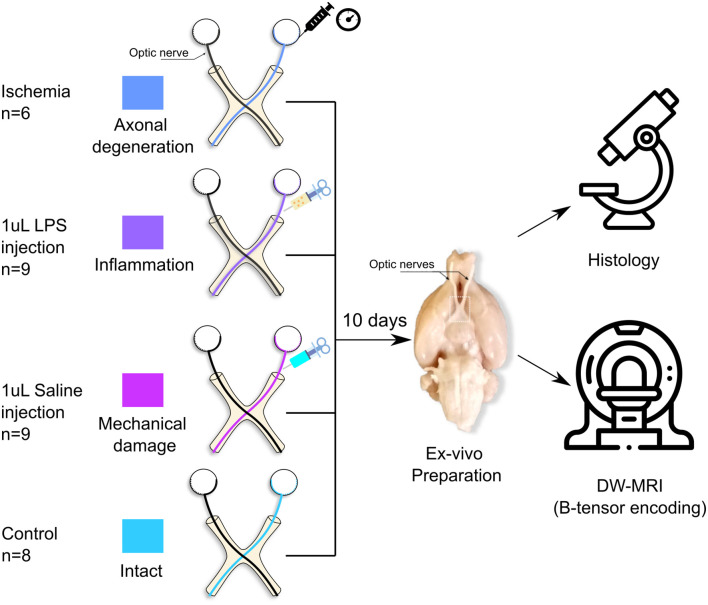
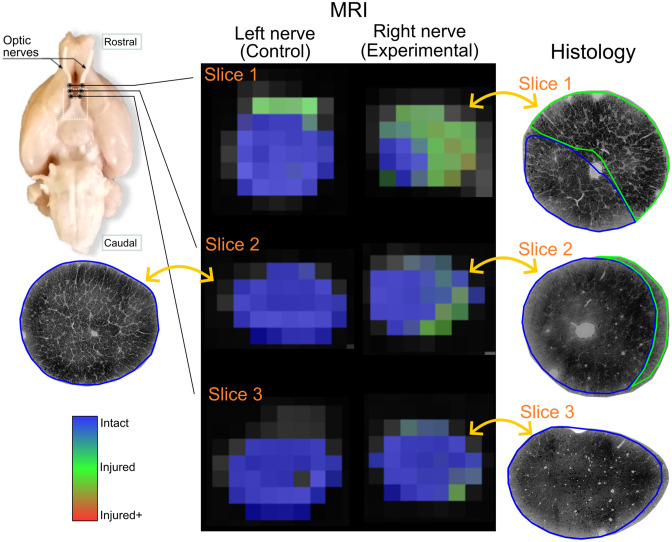
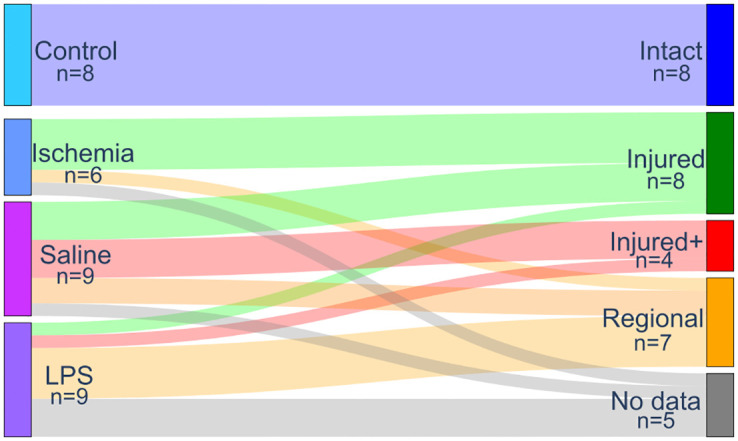
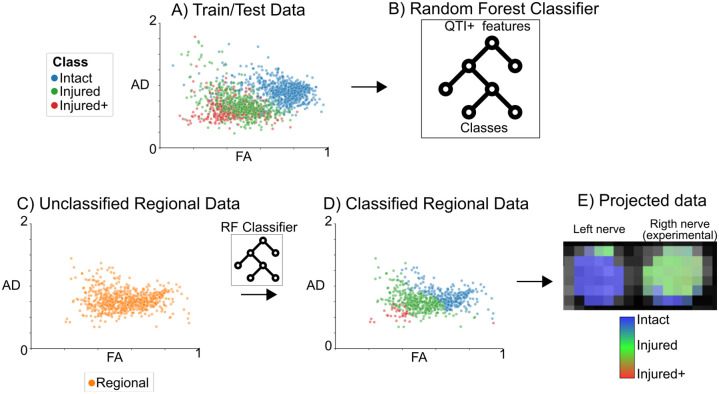
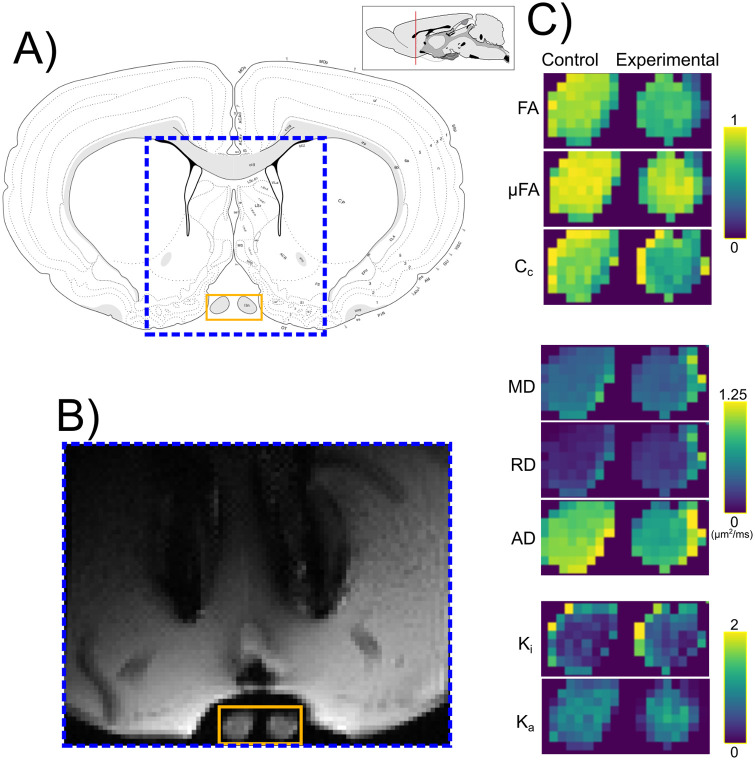
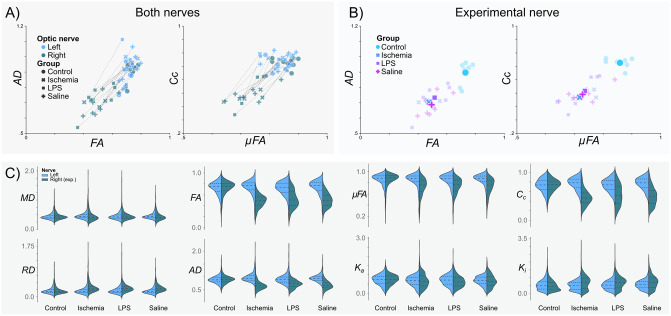
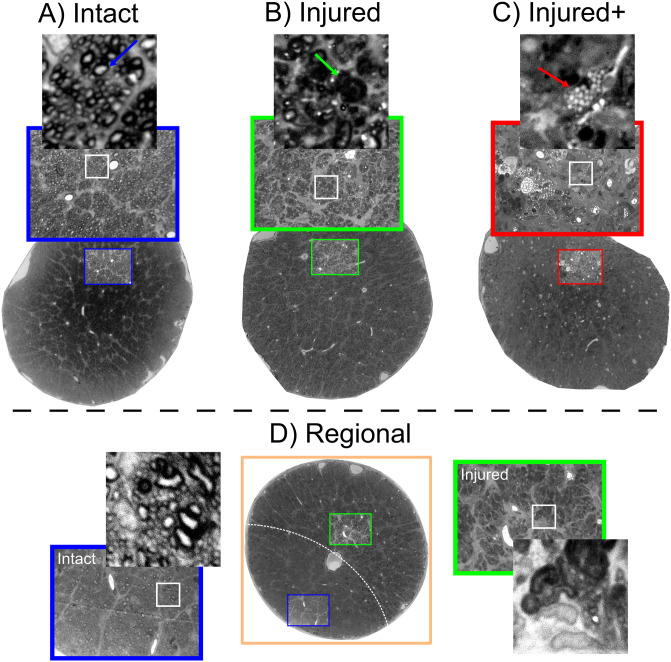
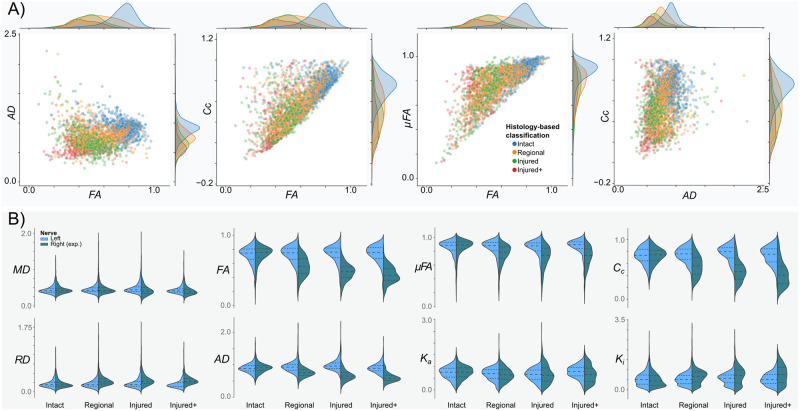
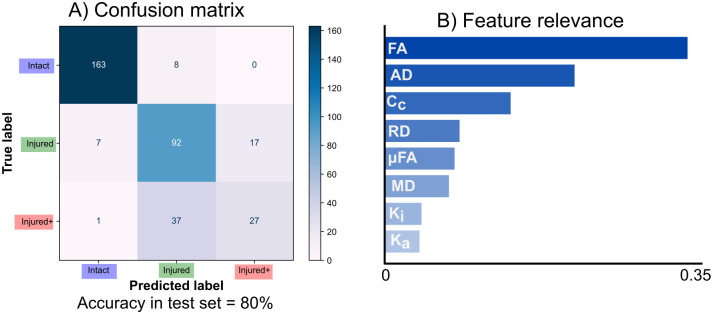
Diffusion-weighted magnetic resonance imaging (DW-MRI) is a non-invasive technique that is sensitive to microstructural geometry in neural tissue and is useful for the detection of neuropathology in research and clinical settings. Tensor-valued diffusion encoding schemes (b-tensor) have been developed to enrich the microstructural data that can be obtained through DW-MRI. These advanced methods have proven to be more specific to microstructural properties than conventional DW-MRI acquisitions. Additionally, machine learning methods are particularly useful for the study of multidimensional data sets. In this work, we have tested the reach of b-tensor encoding data analyses with machine learning in different histopathological scenarios. We achieved this in three steps: 1) We induced different levels of white matter damage in rodent optic nerves. 2) We obtained ex vivo DW-MRI data with b-tensor encoding schemes and calculated quantitative metrics using Q-space trajectory imaging. 3) We used a machine learning model to identify the main contributing features and built a voxel-wise probabilistic classification map of histological damage. Our results show that this model is sensitive to characteristics of microstructural damage. In conclusion, b-tensor encoded DW-MRI data analyzed with machine learning methods, have the potential to be further developed for the detection of histopathology and neurodegeneration.
扩散加权磁共振成像(DW-MRI)是一种非侵入性技术,对神经组织的微观结构几何形状敏感,可用于在研究和临床环境中检测神经病理学。张量值扩散编码方案(b-张量)已被开发出来,以丰富可以通过 DW-MRI 获得的微观结构数据。这些先进的方法已被证明比传统的 DW-MRI 采集更能反映微观结构特性。此外,机器学习方法在多维数据集的研究中特别有用。在这项工作中,我们已经测试了机器学习在不同组织病理学情况下对 b-张量编码数据分析的应用范围。我们分三个步骤实现了这一目标:1)我们在啮齿动物视神经中诱导不同程度的白质损伤。2)我们使用 b-张量编码方案获得离体 DW-MRI 数据,并使用 Q 空间轨迹成像计算定量指标。3)我们使用机器学习模型来识别主要贡献特征,并构建组织学损伤的体素级概率分类图。我们的结果表明,该模型对微观结构损伤的特征敏感。总之,用机器学习方法分析的 b-张量编码 DW-MRI 数据有可能进一步开发用于检测组织病理学和神经退行性变。